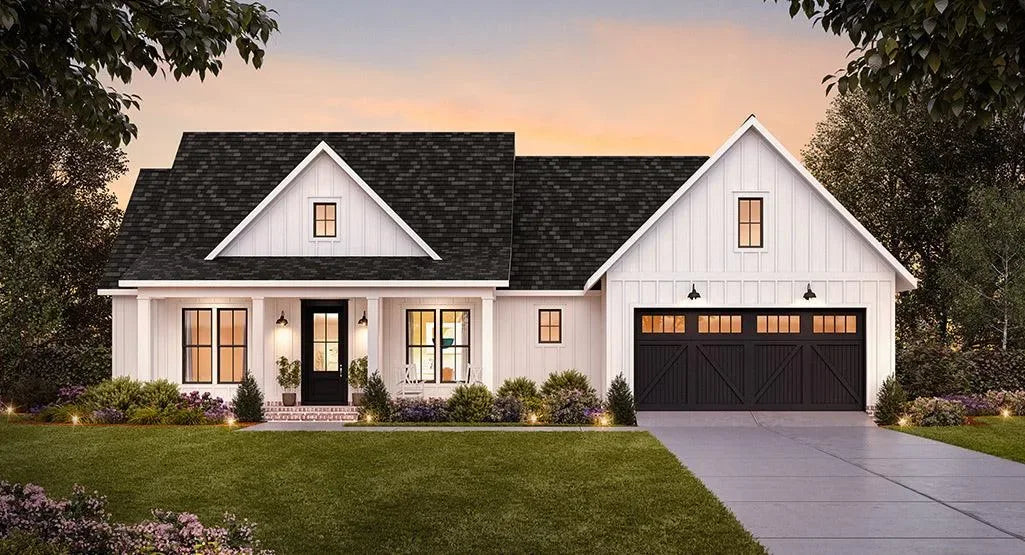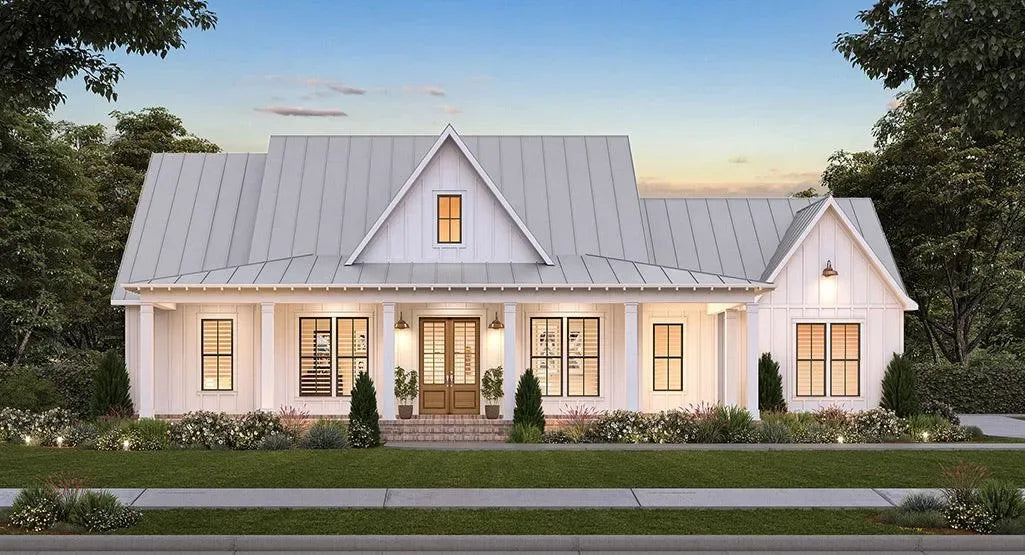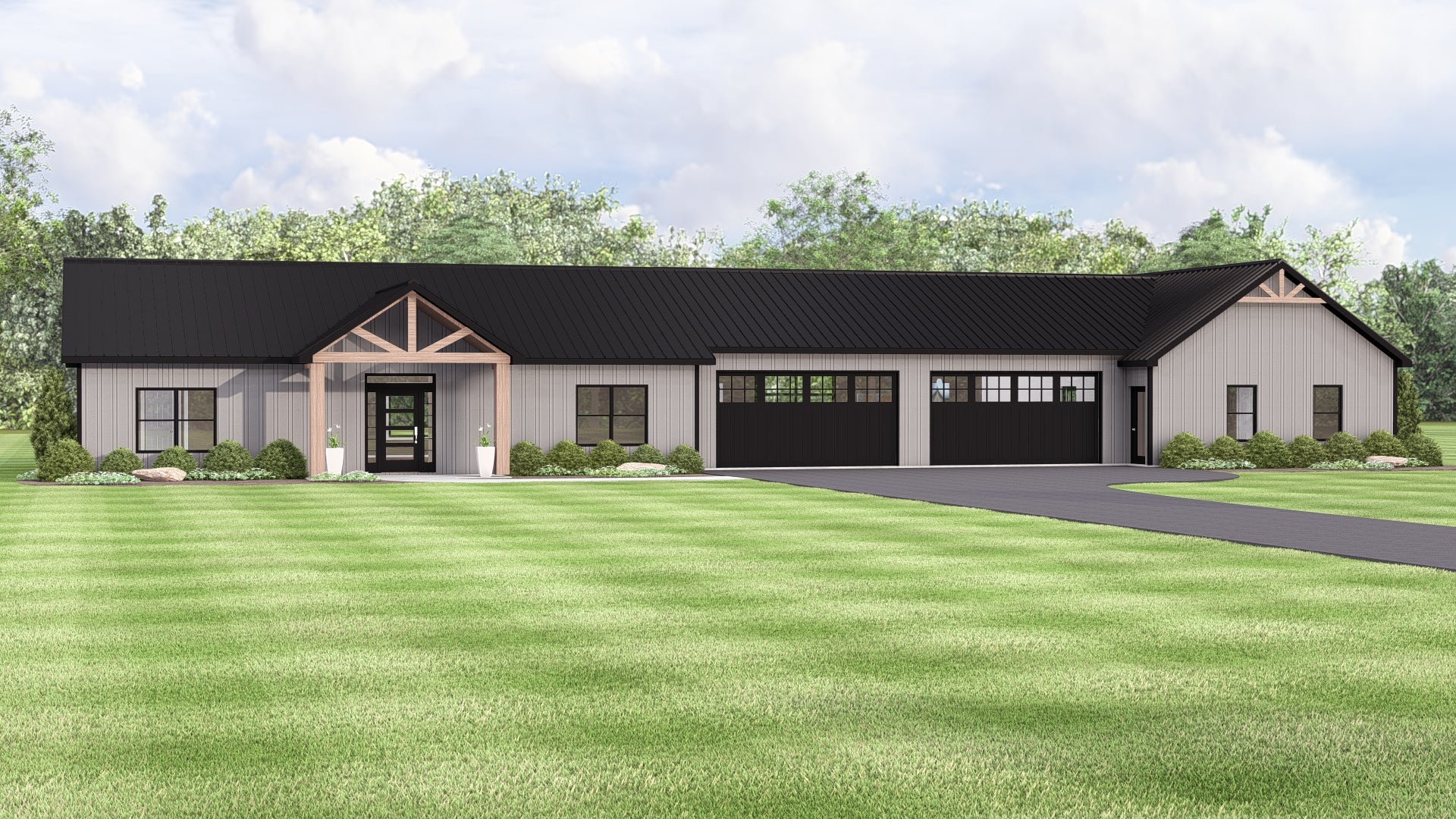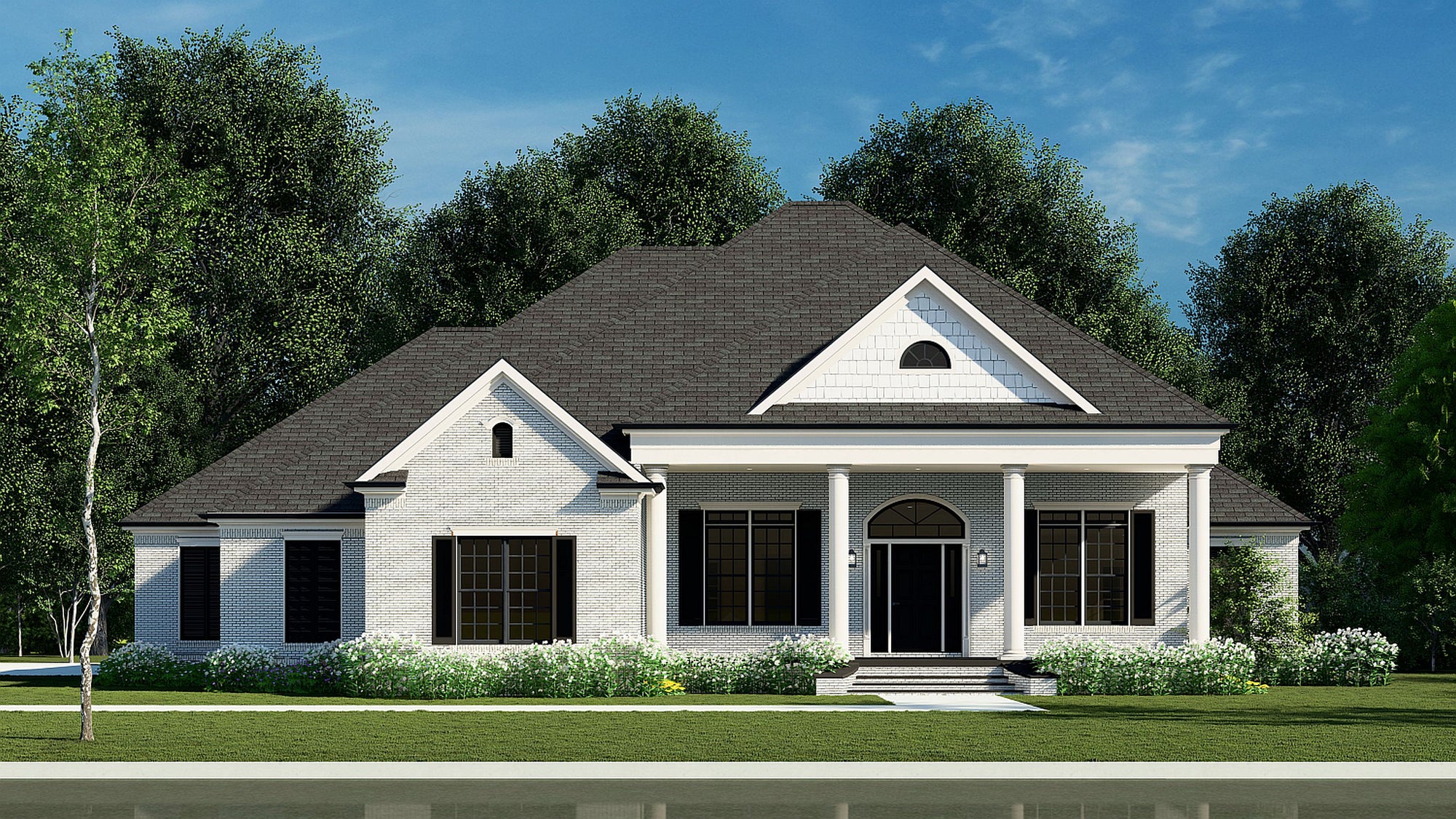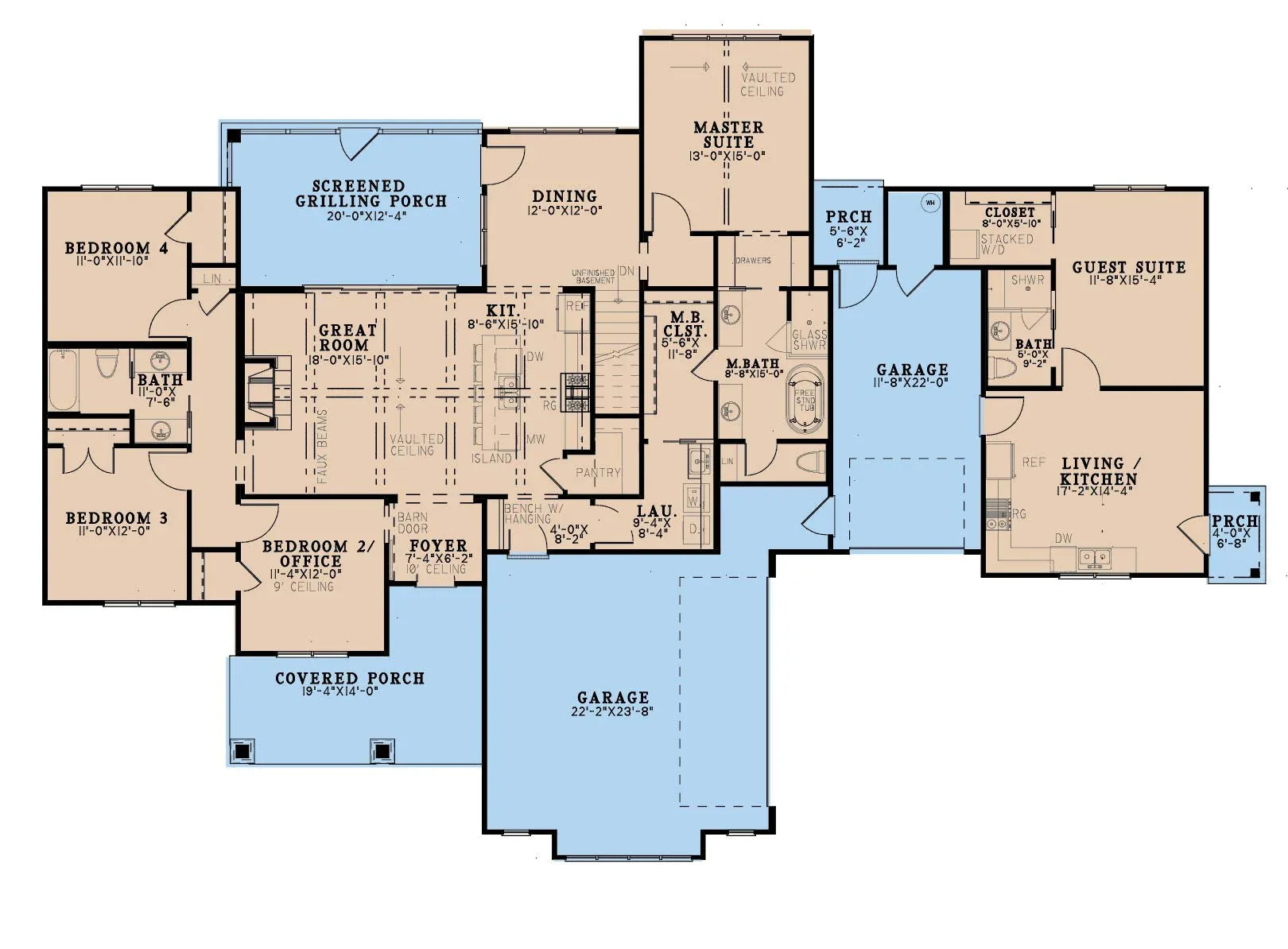
House plans with separate in-law wings solve one of modern family life’s biggest challenges: keeping multiple generations close while giving everyone the privacy they need.
Whether you need an attached mother in law suite with private access or a fully detached in law apartment that can generate rental income, the right law suite house plans balance connection with independence. Explore options ranging from basement conversions to standalone casitas, each designed to strengthen family connection without sacrificing personal space.
Every family’s situation is different. Some want elderly parents just steps away for daily interaction, while others need completely independent living quarters for adult children returning home. The best law suite floor plans recognize these varied needs and offer solutions tailored to specific circumstances—from cost savings through shared utilities to maximum privacy with separate entrances and full kitchens.
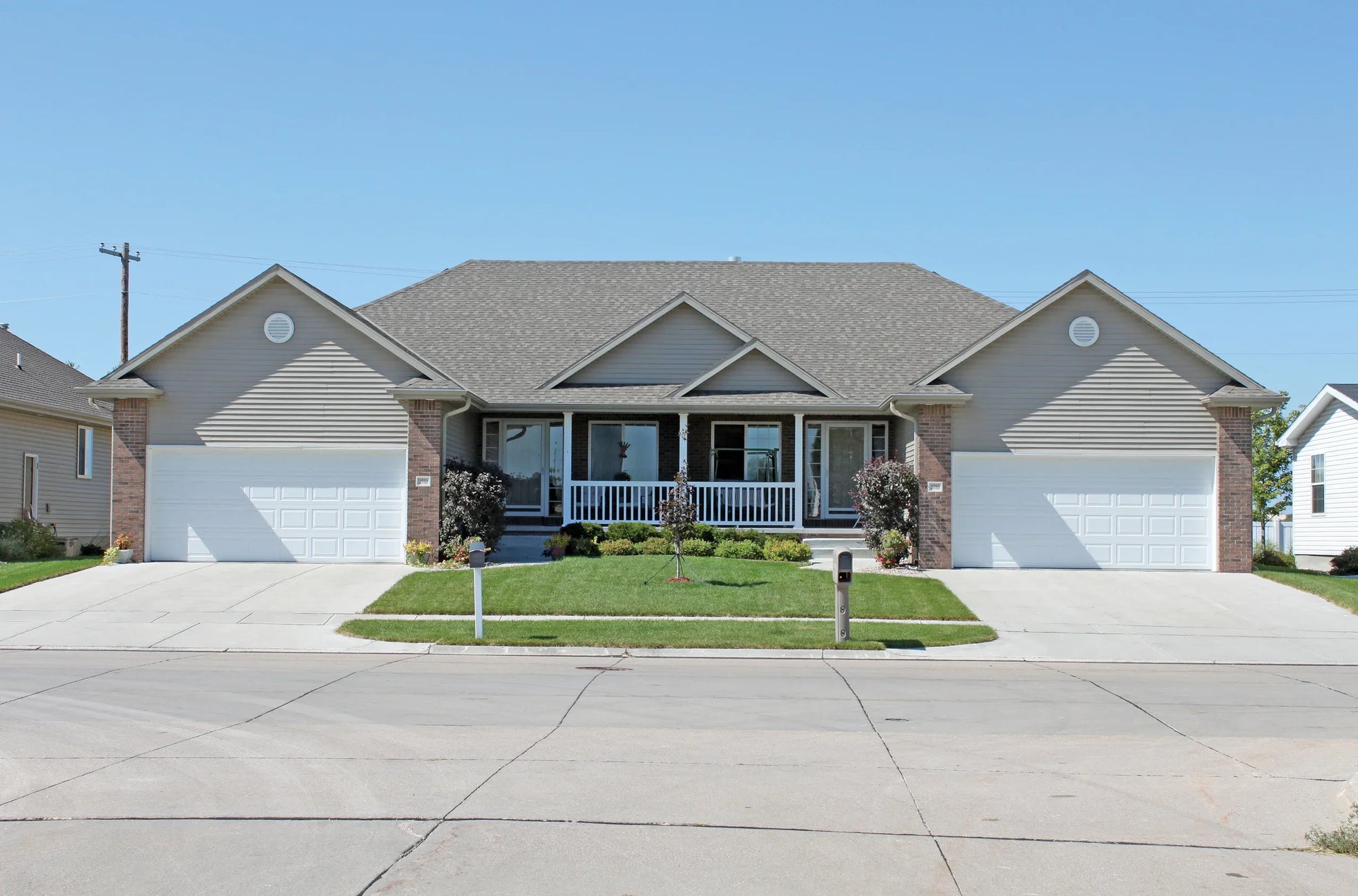
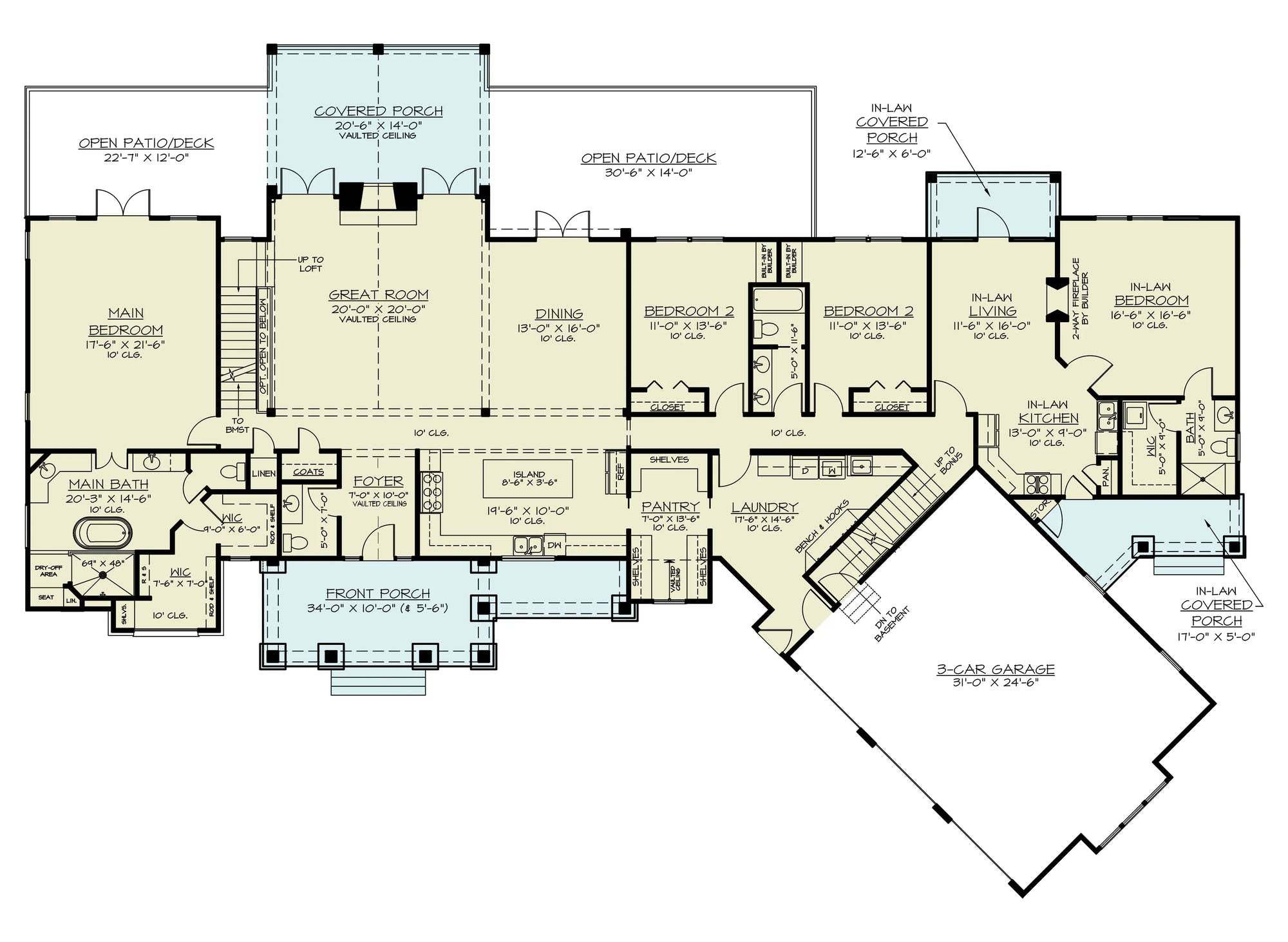
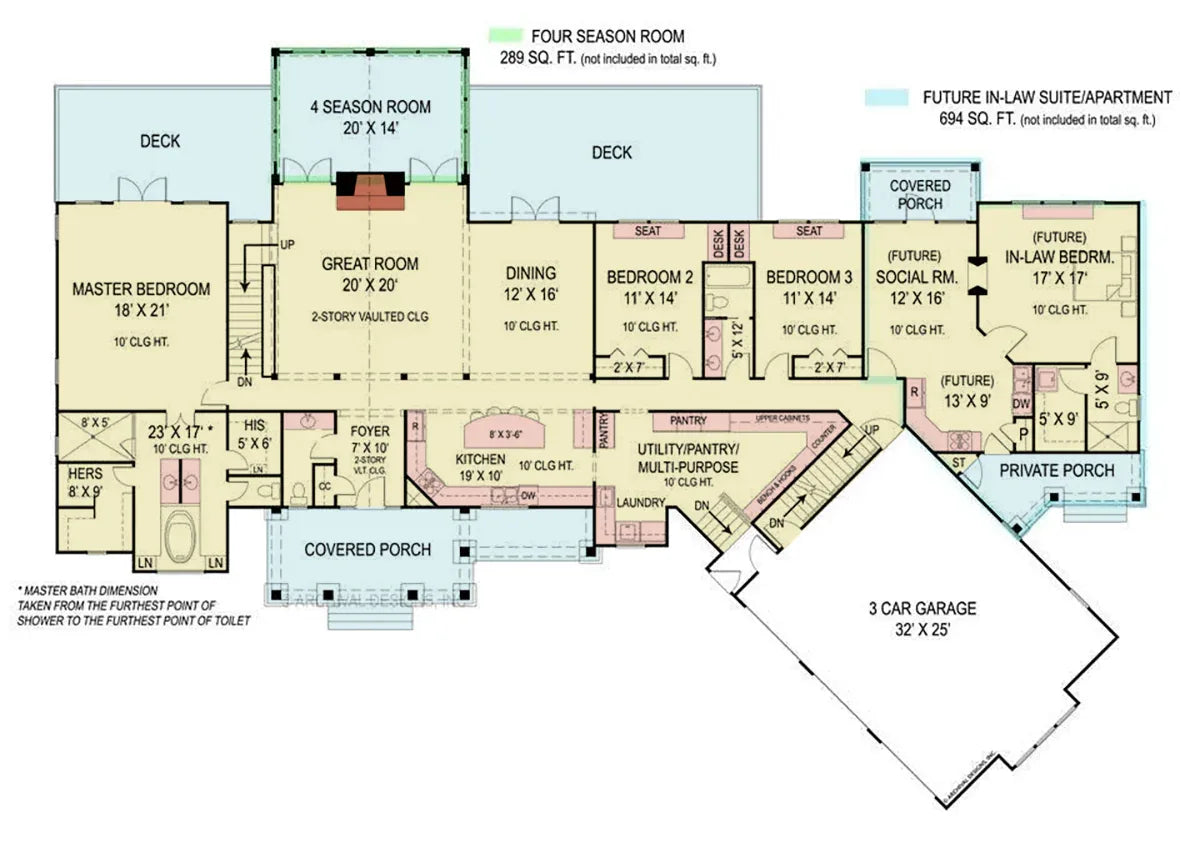
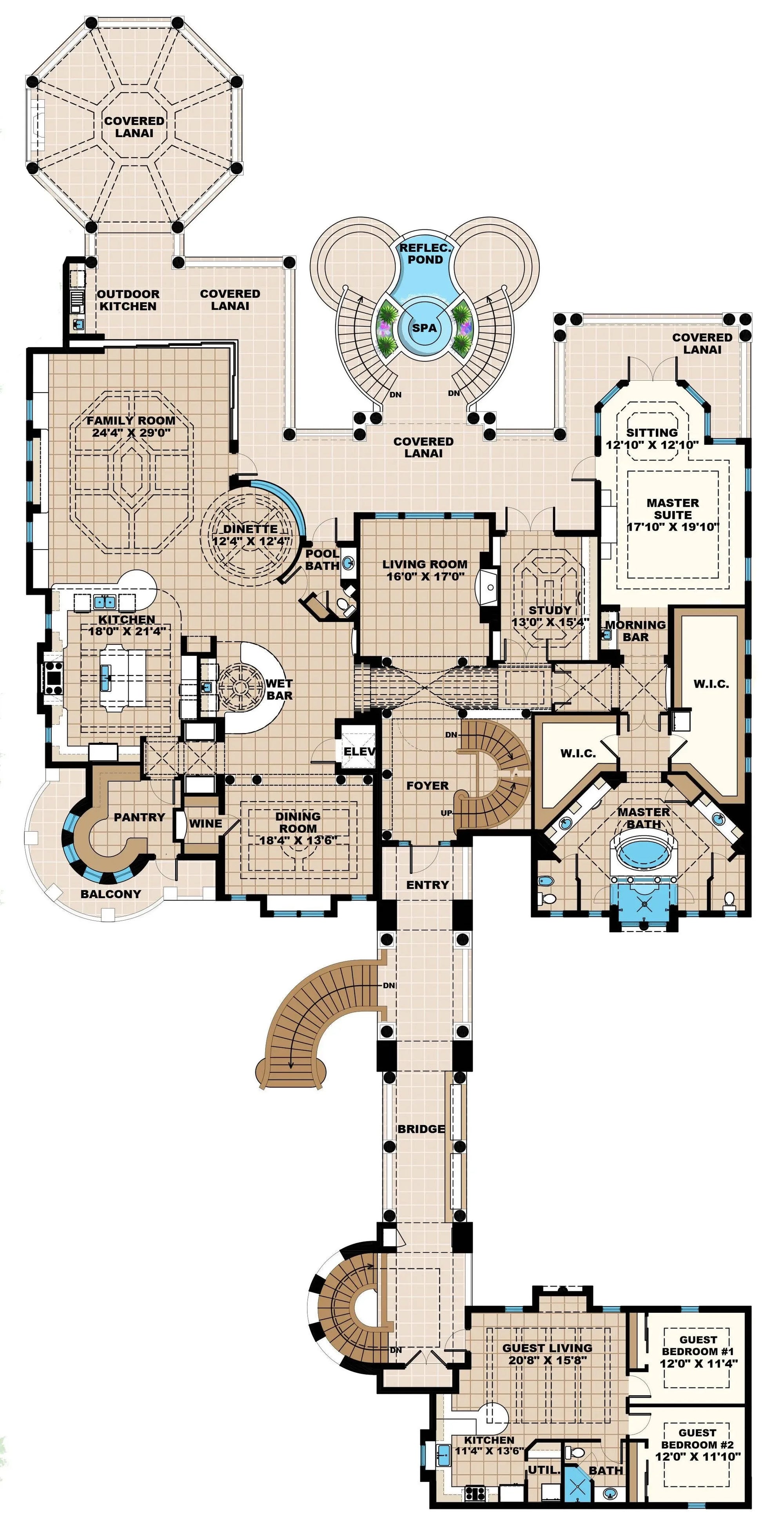
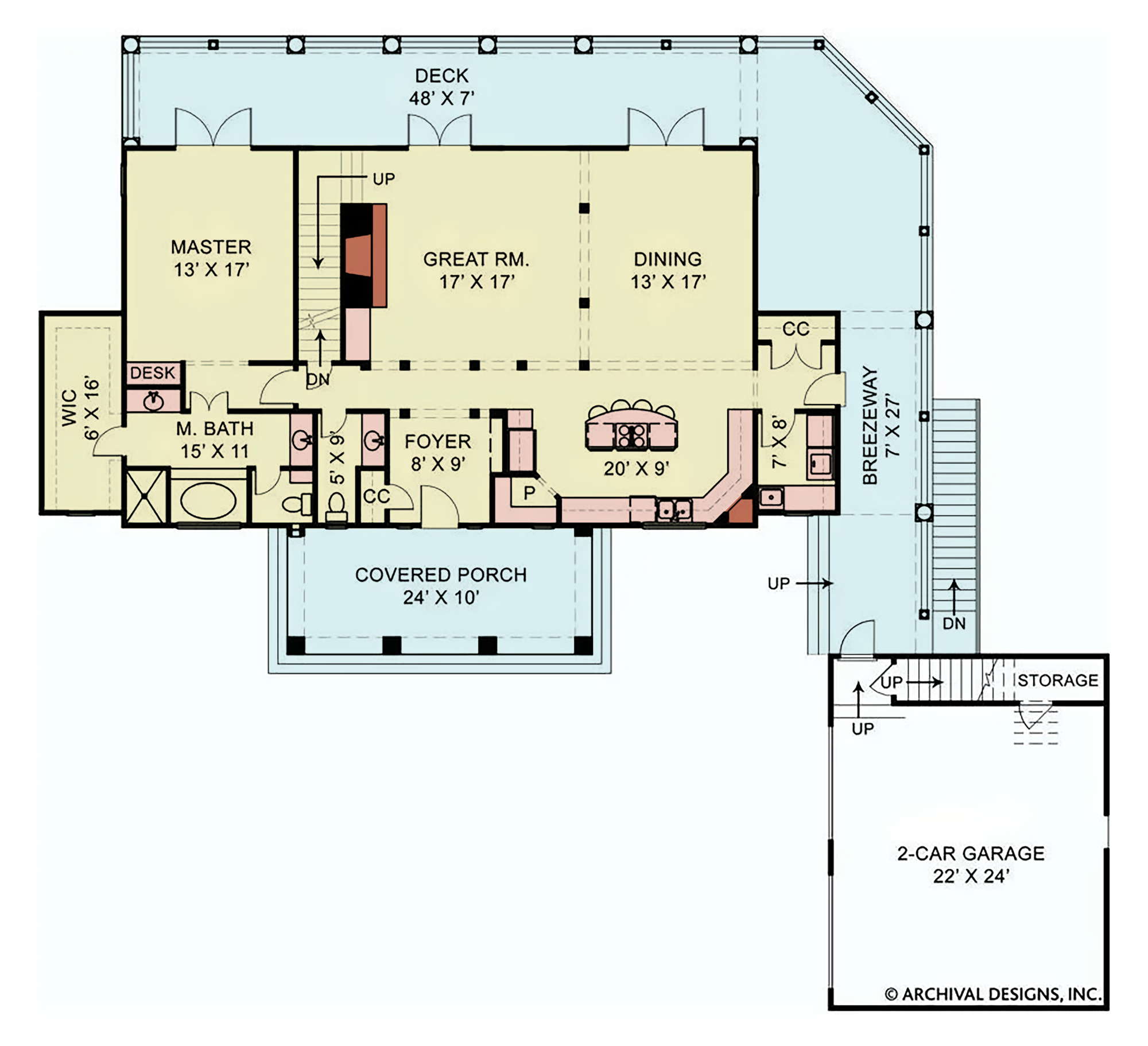
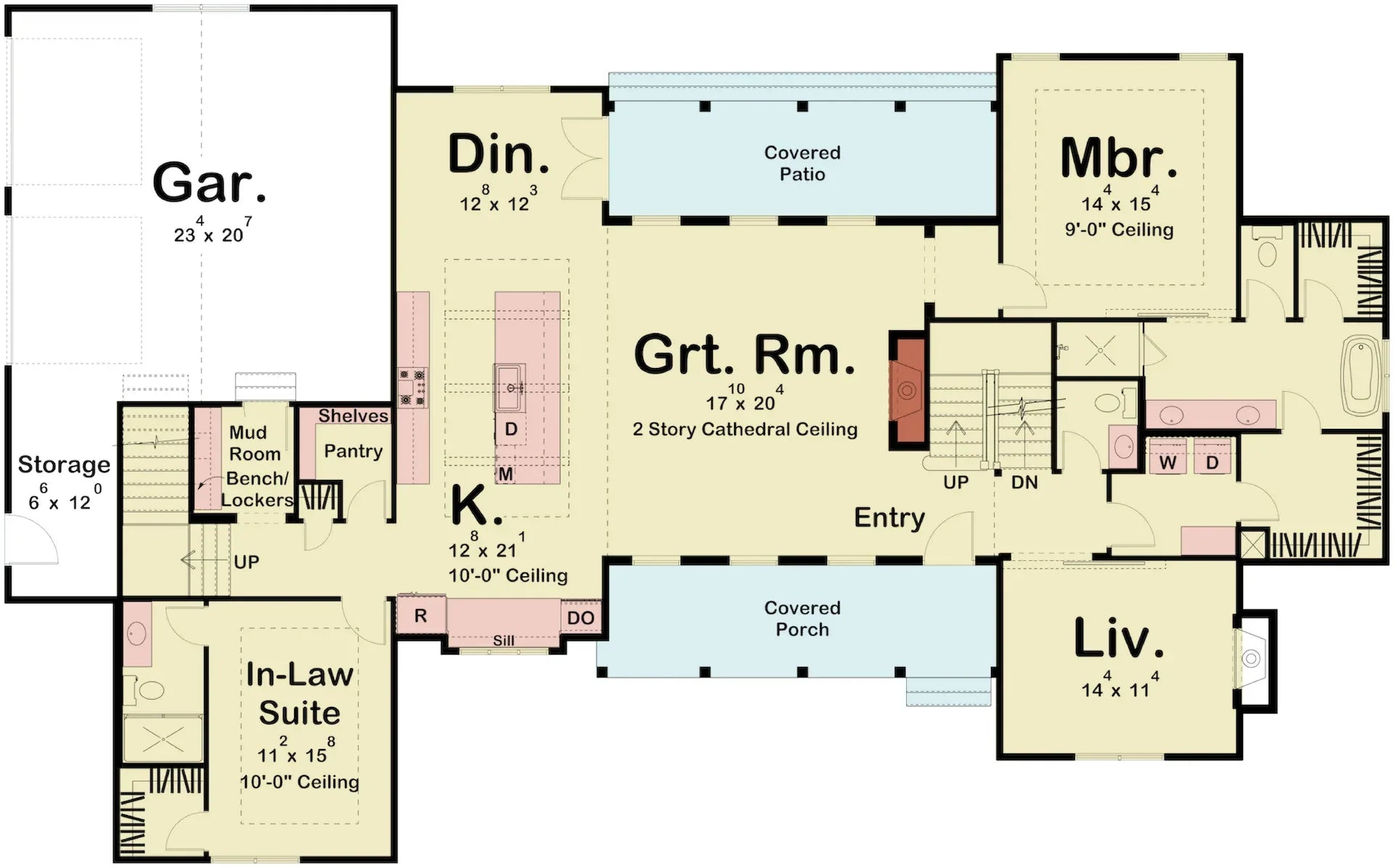
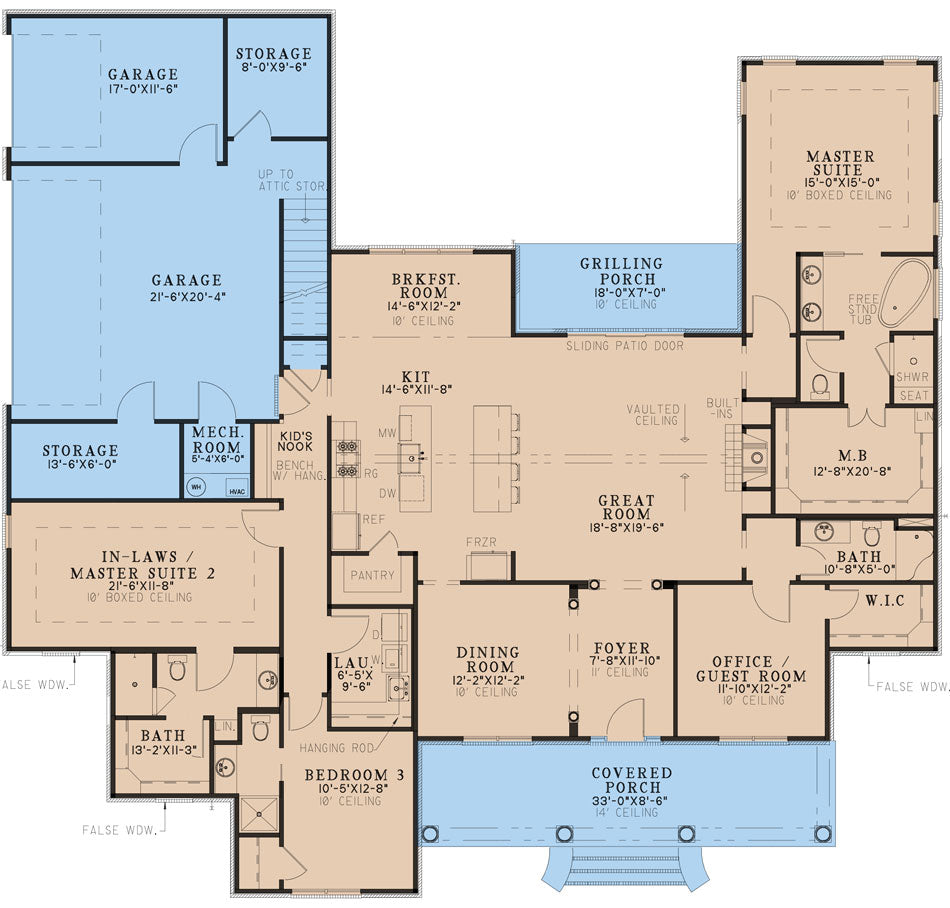
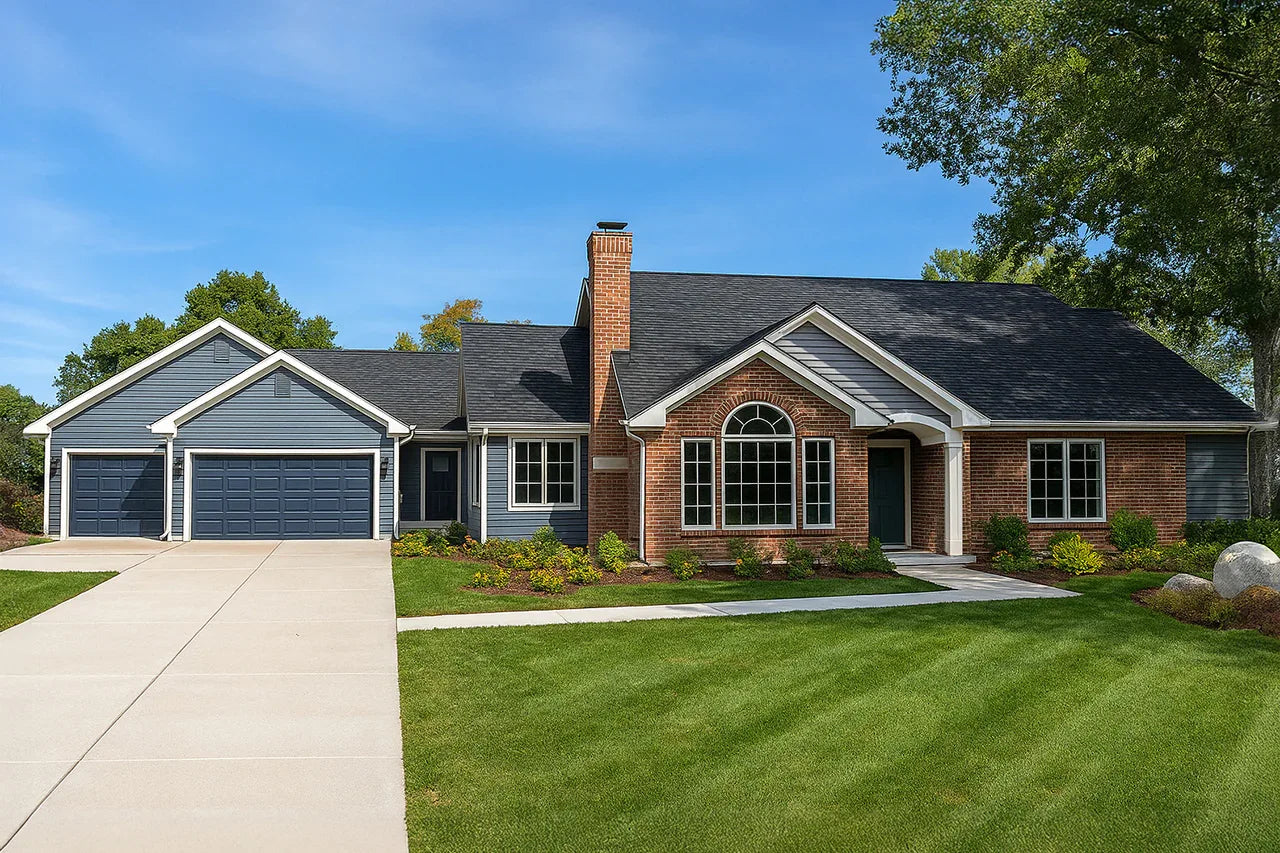
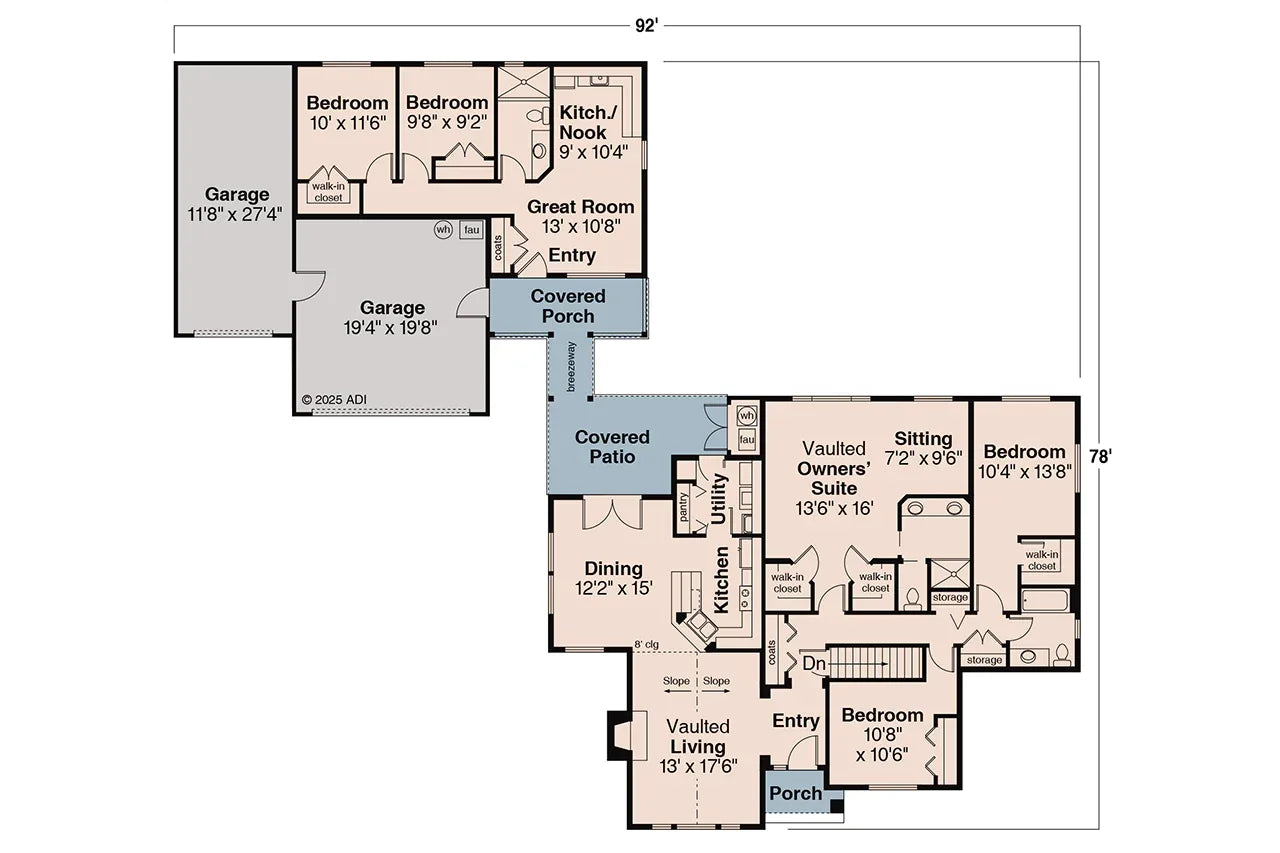
Attached mother in law suites connect directly to the main house through a shared wall while maintaining distinct living space. These designs typically feature a private entrance, one or two bedroom suites, a full bathroom, and either a kitchenette or complete kitchen—all accessible without walking through the primary residence.
The benefits are practical and financial. Construction costs run significantly lower than detached structures ($90,000–$180,000 in most markets) because you share foundation, roofing, and utility infrastructure. For families wanting close proximity to aging parents who may need assistance, attached wings provide direct access through an interior connecting door that can remain open during the day and locked at night for privacy.
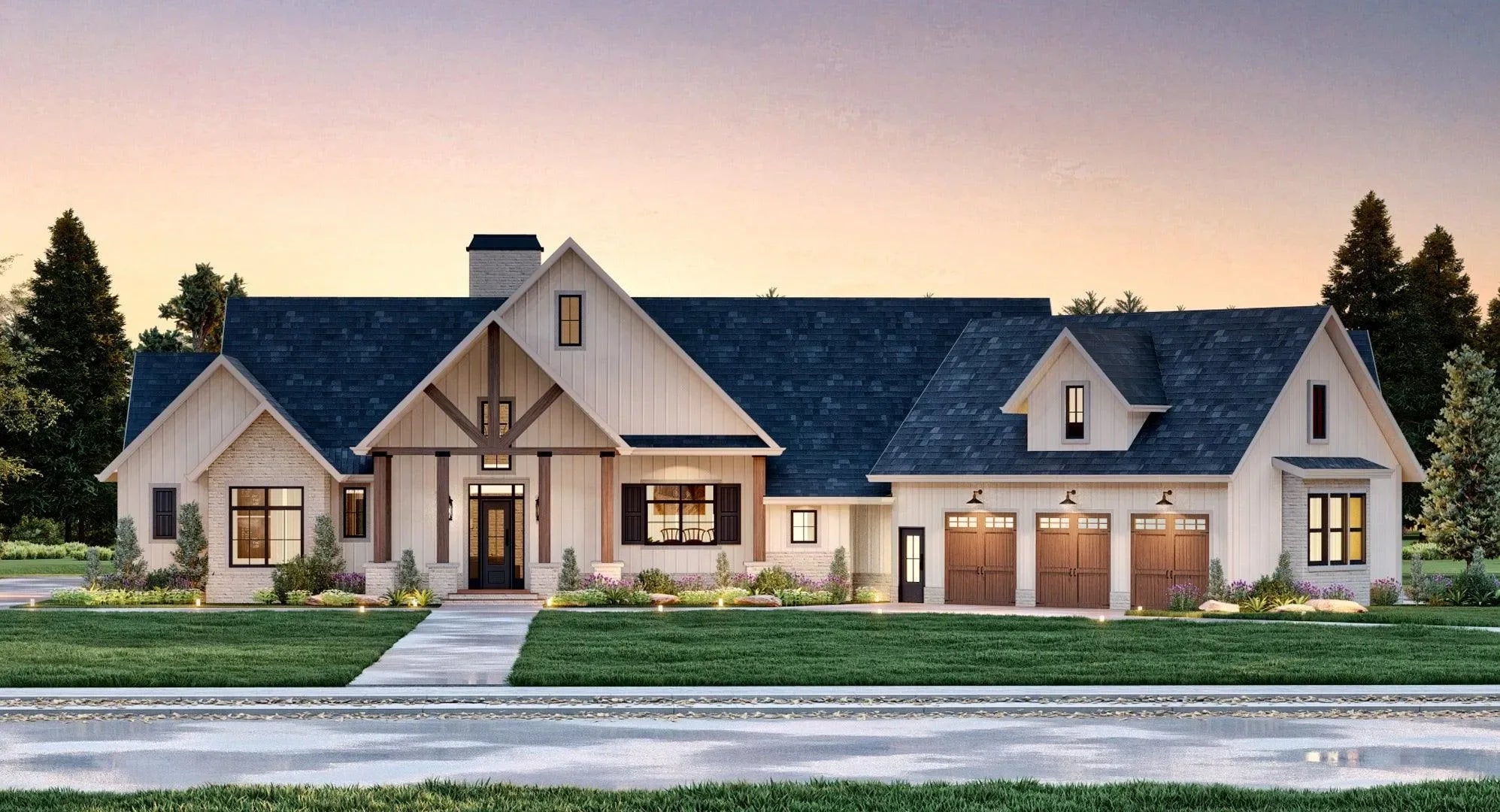
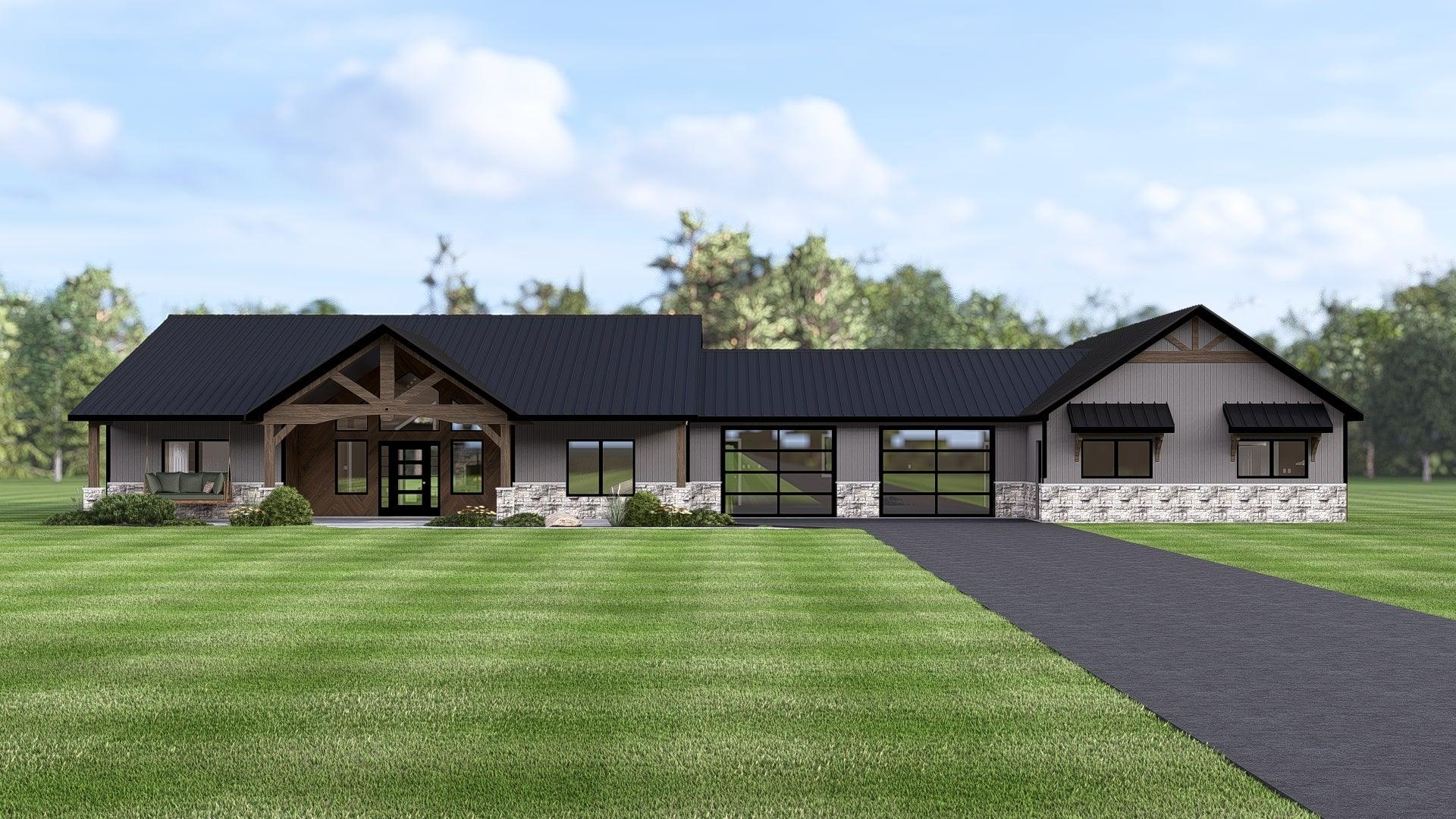
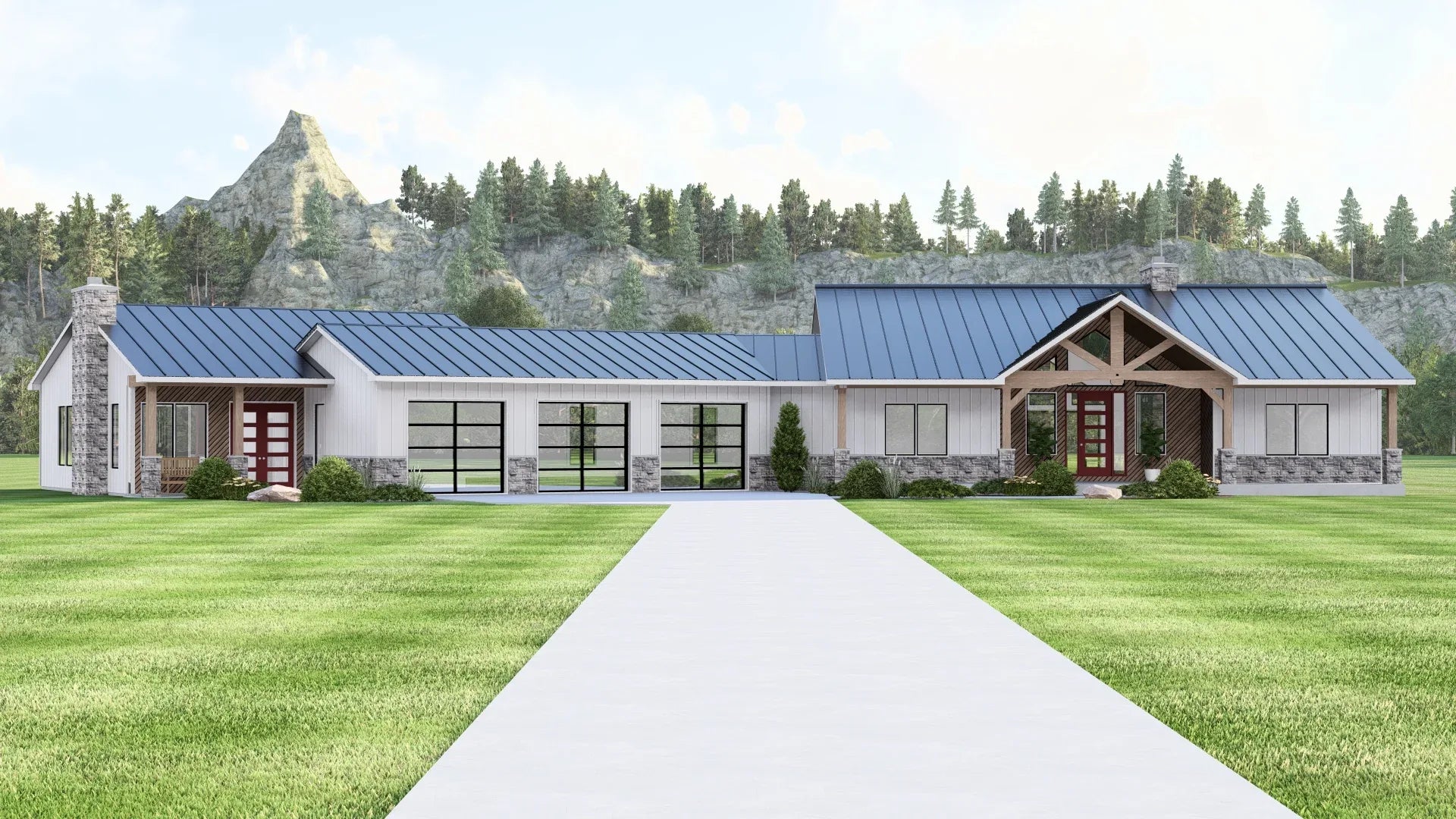
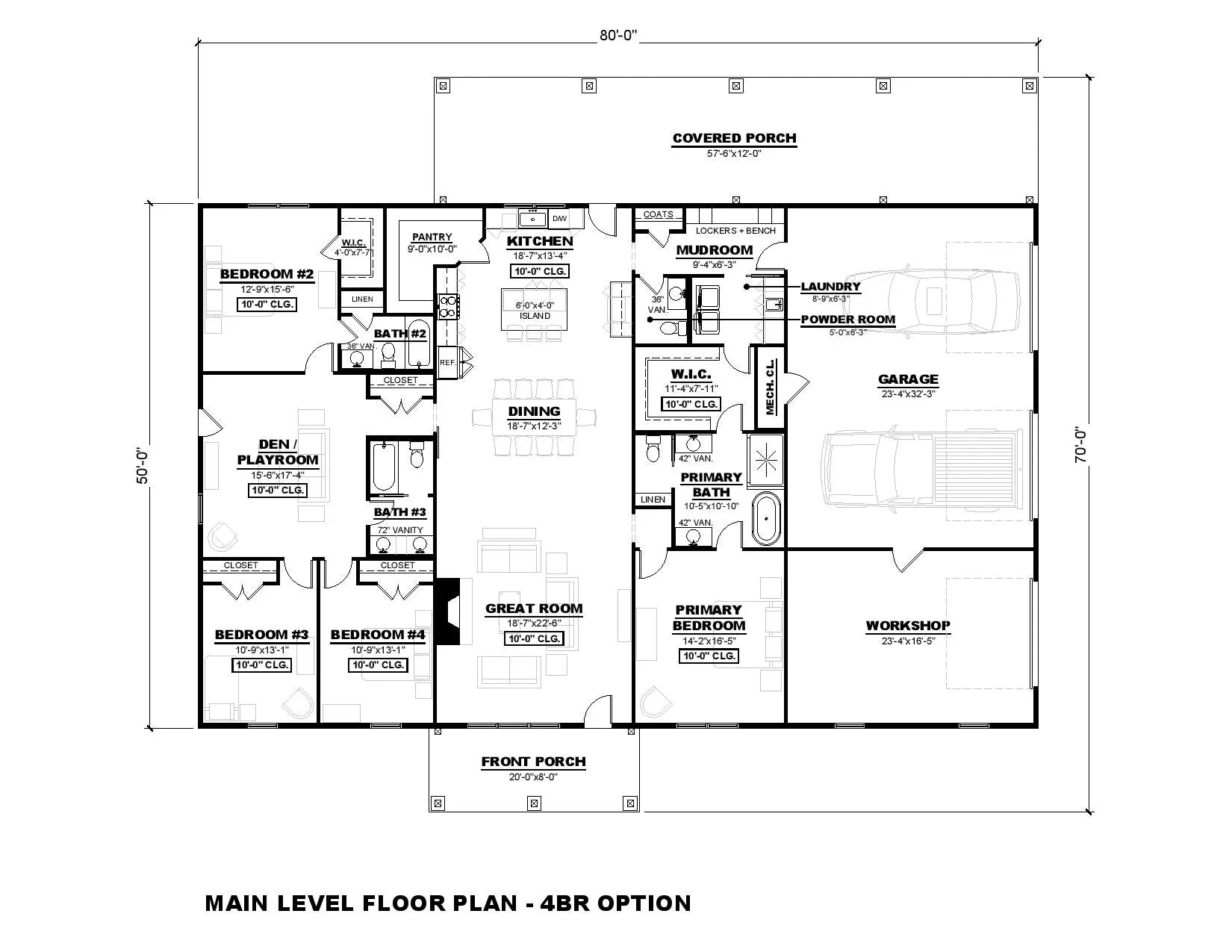
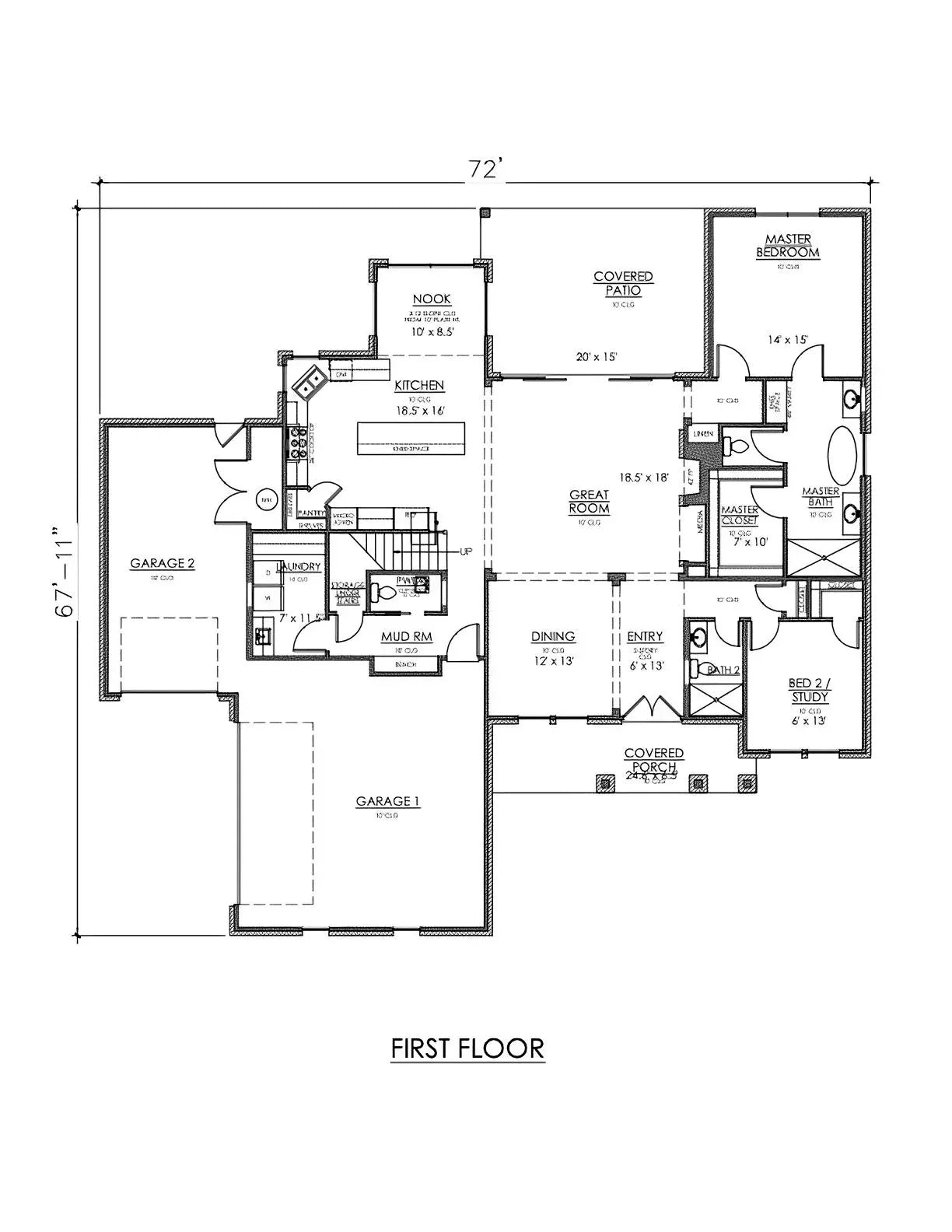
Popular configurations include L-shaped layouts where the in law suite anchors one wing, creating a natural separation from the main living space. Many plans with in law wings position a laundry room or mudroom as a buffer zone between the great room and the suite, reducing sound transfer while maintaining easy circulation.
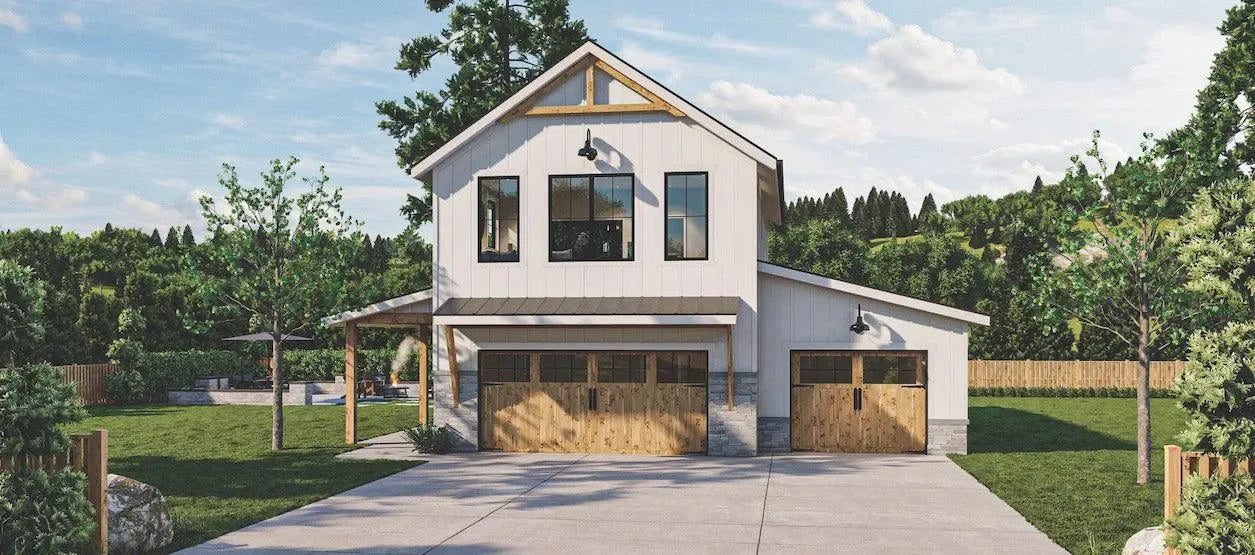
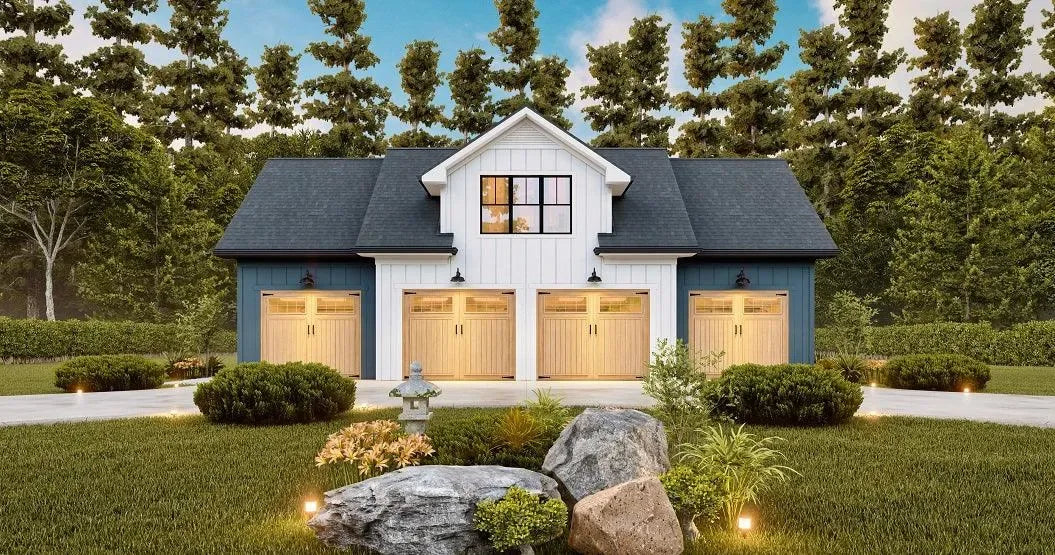
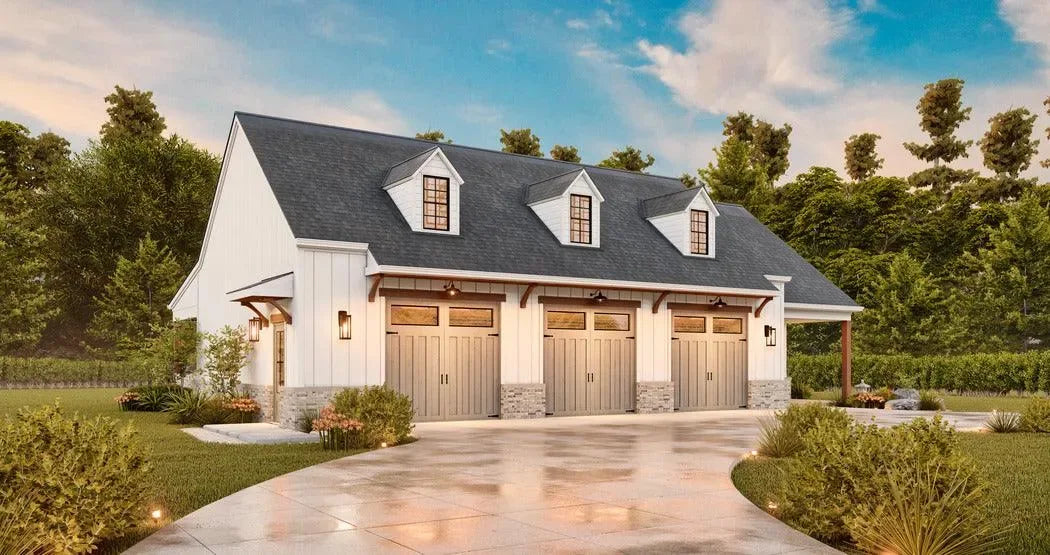
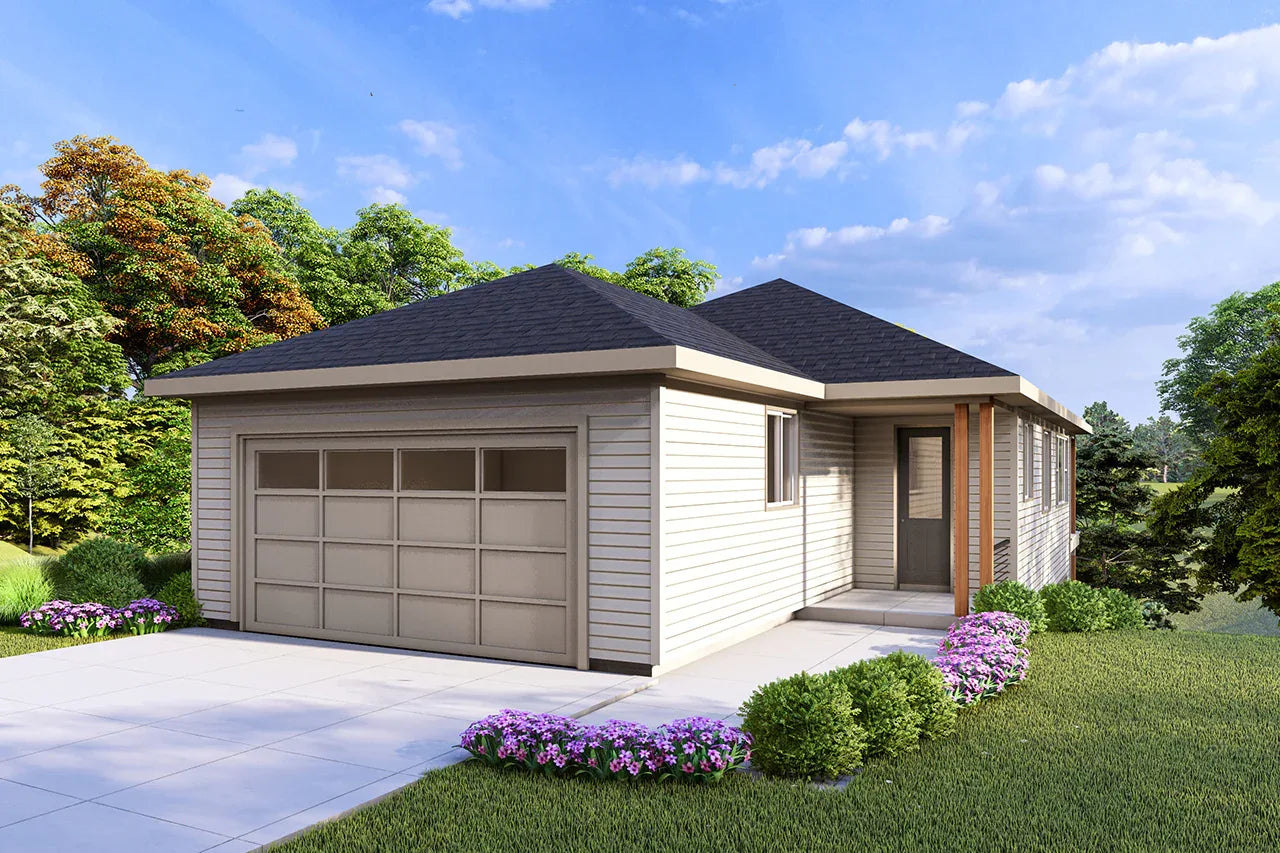
Standalone in law suites—sometimes called accessory dwelling units, casitas, or guest houses—offer maximum independence for family members who value their own space. These structures sit separately on your property with their own foundation, roofing, and often independent utility connections.
Detached suites work exceptionally well for adult children establishing careers, long term guests, or elderly parents who are fully capable of independent living but want family nearby. The complete separation means different schedules, visitors, and lifestyles don’t conflict. Many families also appreciate that detached in law apartments can generate rental income when not occupied by relatives.
Expect higher construction costs ($150,000–$300,000+ depending on location and finishes) and longer timelines (8–12 months). However, these structures add significant property value and offer flexibility that attached options cannot match. A detached suite above a one car garage, a backyard cottage with covered patio, or a standalone structure connected by garden pathways all provide dignified, private living space.
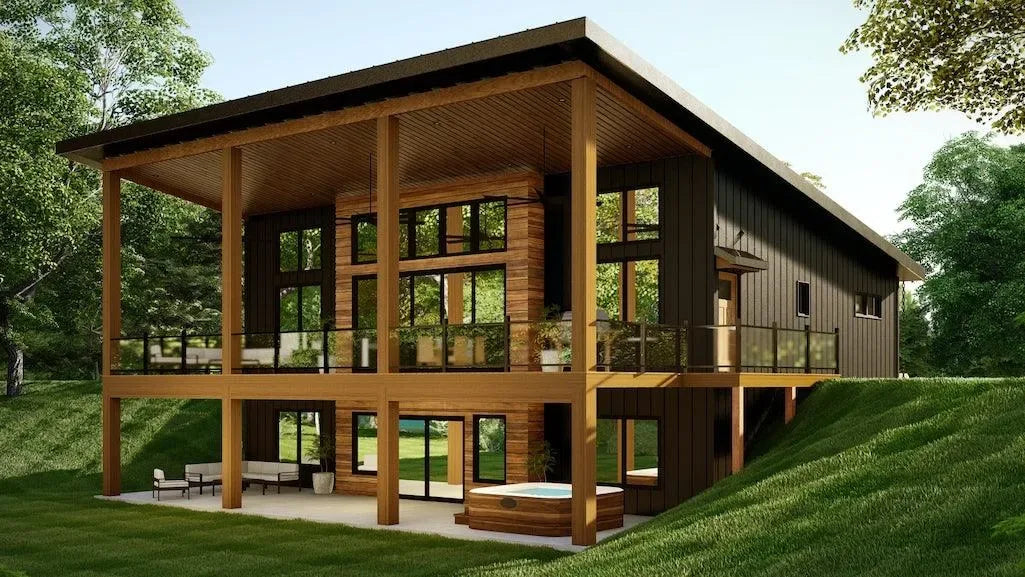
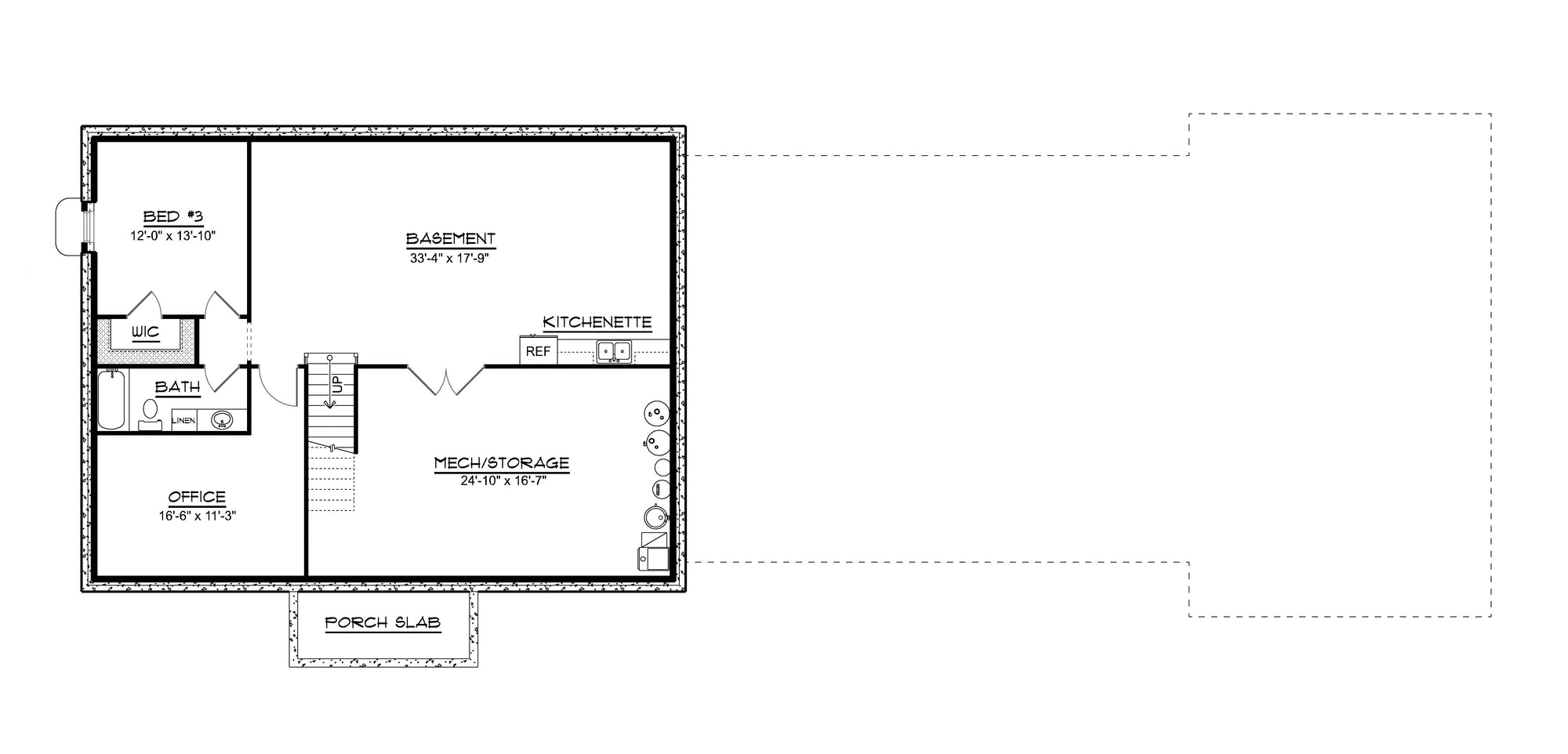
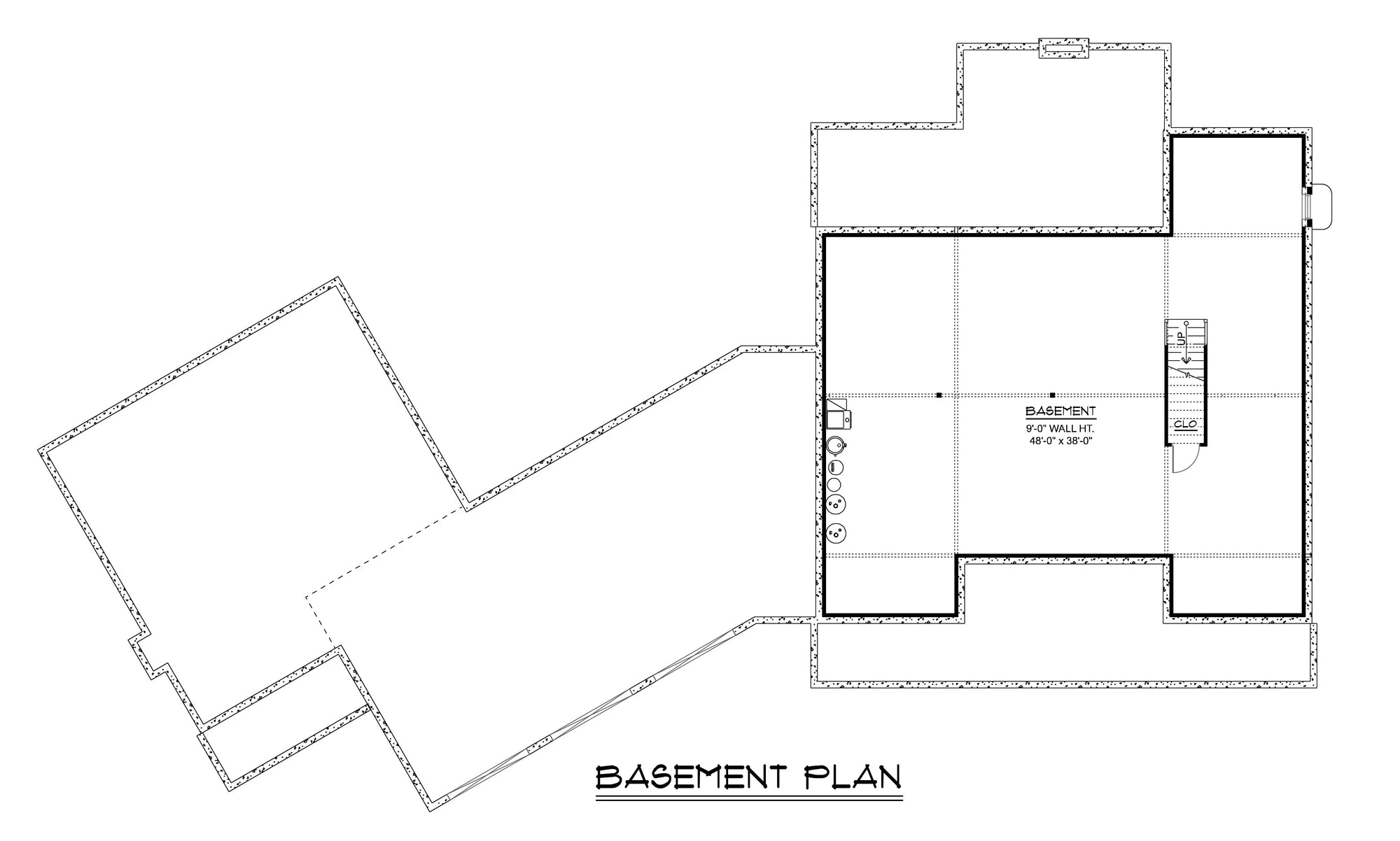
Walk-out basement designs transform lower levels into fully functional in law apartments, often at the lowest cost per square foot of any option. These work particularly well on sloping properties where one side of the basement opens at grade level, providing natural light through full-size windows and a private entrance at ground level.
A well-designed basement in law suite includes a spacious bedroom (or two bedrooms), full bathroom with accessible features, kitchenette or full kitchen, and comfortable living space. The key advantage is utilizing existing foundation space—you’re converting rather than building new, which typically costs $60,000–$150,000 depending on existing conditions.
Design considerations include ceiling height (minimum 7 feet for habitable space), egress windows for bedrooms, moisture control, and adequate natural light. When executed properly, basement apartments feel like genuine separate living quarters rather than relegated afterthoughts.
Your lot’s characteristics—size, shape, and topography—directly influence which in law suite house plans will work best. What succeeds on a sprawling rural property differs dramatically from solutions for compact suburban lots.
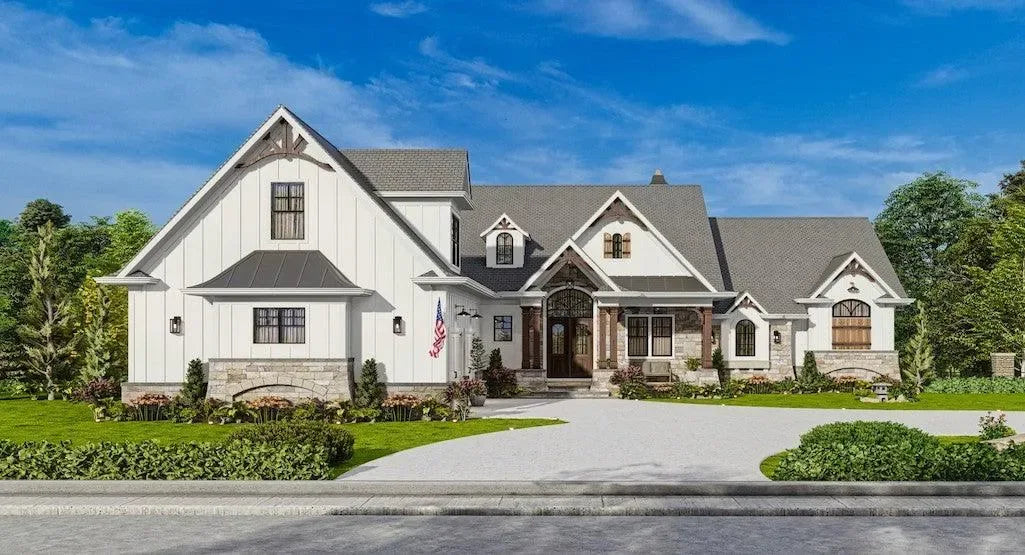
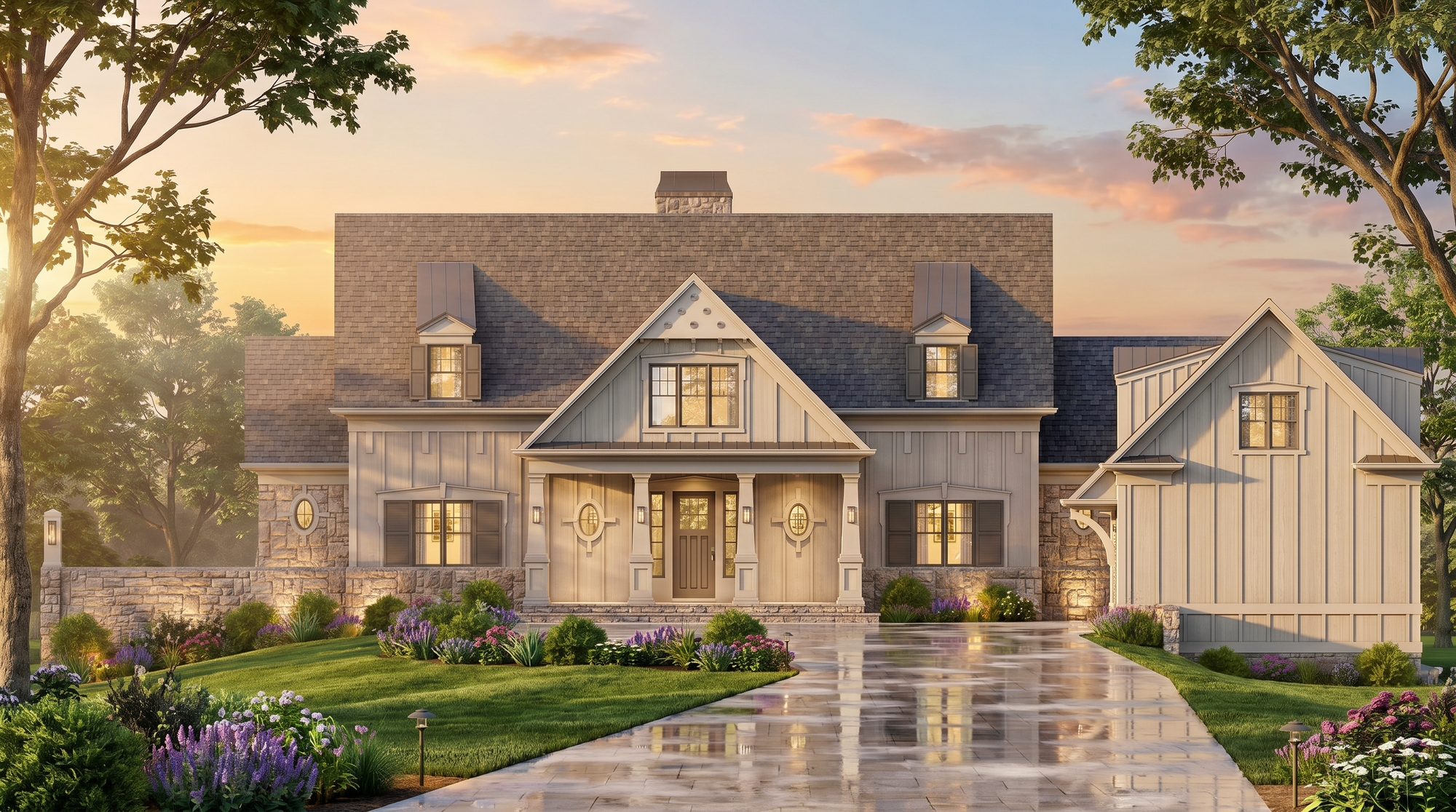
Generous acreage opens possibilities for detached casitas and standalone guest houses arranged around courtyards or connected by covered walkways. These multi generational homes can include multiple building options: perhaps a main house with wraparound porch farmhouse plan, a separate in law suite with its own covered front porch, and connecting pathways through gardens and outdoor living spaces.
Large lots accommodate exterior farmhouse plan aesthetics beautifully, with enough setback distance to create genuine privacy between structures. Consider designs where the in law apartment has its own small yard, perhaps with a screened porch or covered patio for outdoor enjoyment independent of the main house activities.
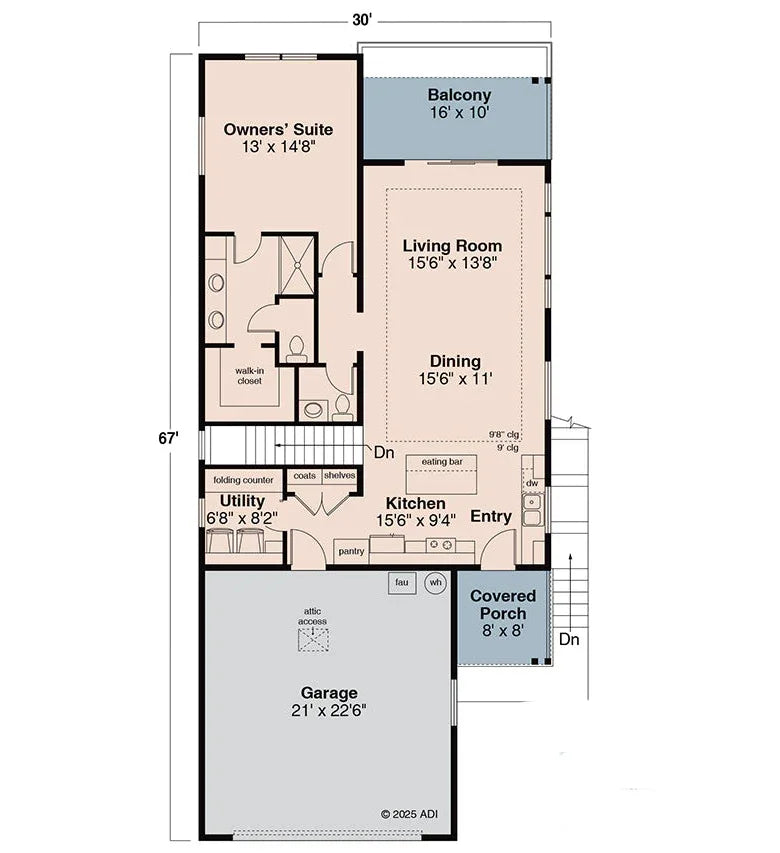
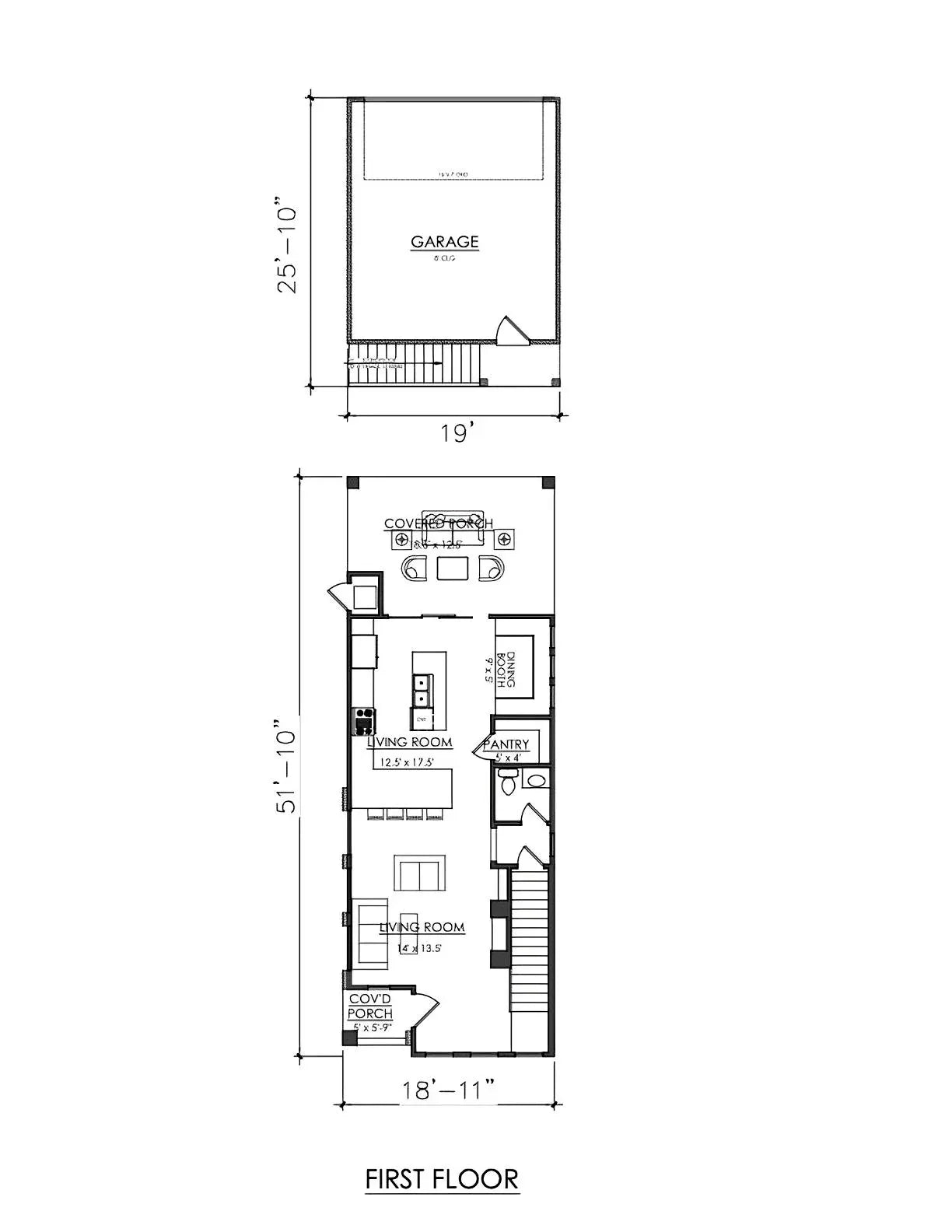
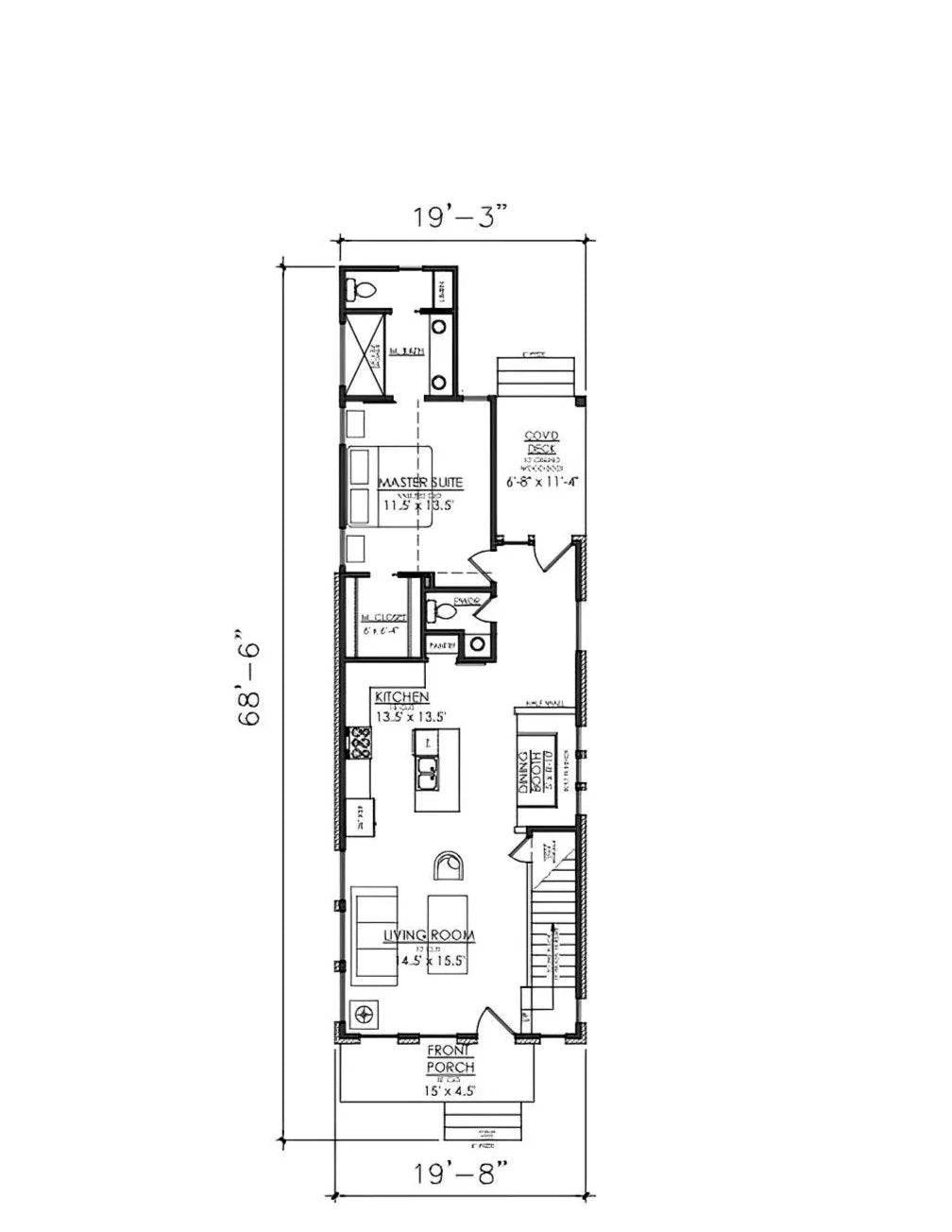
Limited footprints demand smarter solutions. Attached wings maximize square footage efficiently by sharing walls and infrastructure. Multi-story designs build up rather than out—perhaps with a second floor in law suite above a garage or an attached wing that rises two stories while the main house stays single-level.
The most successful narrow-lot law suite house plans use efficient layout strategies: galley or u shaped kitchen configurations, combined living and dining area spaces, and multi-purpose rooms. Even with close quarters, thoughtful placement of the private entrance and strategic window positioning can create genuine separation and privacy.
Topographic variation becomes an asset rather than obstacle with the right design approach. Walk-out basement suites take full advantage of natural grade changes, positioning the in law apartment at a lower elevation with its own entrance while the main house sits above. This creates completely separate circulation without requiring additional land area.
Split-level designs work similarly, with the in law suite accessed at one elevation and main living areas at another. Terraced outdoor spaces—perhaps a covered porch off the main house and a private patio for the suite below—connect different levels while maintaining distinct territories.
Corner properties offer unique opportunities for L-shaped or U-shaped configurations that utilize multiple street frontages. The in law suite can face one street while the main house addresses another, providing both units with their own exterior country curb appeal and sense of arrival.
Separate driveways and parking areas for each living space become feasible on corner lots, eliminating the awkwardness of shared vehicle circulation. Wings can be positioned for optimal privacy from both street sides, with buffer zones like gardens or fencing adding additional separation.
Successful in law wings share common design elements that make daily living comfortable for everyone. These features distinguish truly functional multi generational living spaces from awkward additions that never quite work.
A dedicated private entrance transforms an in law suite from guest room to genuine independent quarters. The best designs include covered entries—perhaps a private porch or covered front porch—that provide weather protection and a welcoming amenity when arriving home.
Interior connecting doors between the suite and main house should lock from both sides, allowing occupants to control their own privacy while maintaining the option for easy family connection. Position these doors through transitional spaces like mudrooms, laundry rooms, or hallways rather than directly into living areas—this prevents accidental intrusions into either household’s daily activities.
Circulation planning matters enormously. Suite occupants shouldn’t need to walk through the main family room to reach their living space, and main house residents shouldn’t pass through the in law apartment to access secondary bedrooms or storage areas.
Kitchen provisions determine whether a suite supports full independent living or merely extended guest stays. Complete kitchens with islands (or angled island configurations), adequate counter space, and full-size appliances allow elderly parents or adult children to maintain their own schedules and dietary preferences entirely.
Many law suite floor plans include dining nook or breakfast nook areas adjacent to the kitchen, providing casual eating space without requiring a formal dining room. A raised bar or eating bar between kitchen and living space works well in compact layouts, maintaining breezy layout openness while defining functional zones.
Kitchenettes with compact appliances suit situations where meals are often shared with the main household but independence for coffee, snacks, and occasional cooking remains desirable. Consider including a walk in pantry or ample cabinet storage regardless of kitchen size—storage becomes increasingly important in self-contained living spaces.
Forward-thinking house plans incorporate accessibility features from the start rather than requiring expensive retrofits. Single-level layouts eliminate stairs entirely within the in law suite. Wide doorways (minimum 36 inches) and hallways accommodate wheelchairs and walkers while simply feeling more spacious for everyone.
Bathrooms benefit most from universal design: roll-in showers with grab bars, comfort-height toilets, lever-style faucets, and adequate turning radius. A walk in closet with adjustable shelving accommodates changing storage needs over time.
No-step entries from covered porch areas, lever door handles throughout, and accessible light switches and outlets all contribute to aging-in-place capability. These features cost little during initial construction but add significant value for families planning to care for older parents or considering their own future needs.
Layout decisions reflect your family’s specific needs for independence versus connection. Some families want completely separate households that happen to share property; others prefer daily interaction with private sleeping quarters only.
Complete separation requires dedicated utilities including separate HVAC systems (or zones with independent controls), potentially separate electrical meters, and independent water heating. While more expensive initially, separate systems ensure neither household affects the other’s comfort and allow accurate cost sharing.
Full laundry facilities within the suite—washer, dryer, and adequate folding space—eliminate scheduling conflicts and maintain privacy around personal items. Consider including a guest room or secondary bedroom for the suite occupant’s own visitors, plus adequate storage including closets and possibly a small garage or storage shed.
Private outdoor living spaces matter enormously for maximum independence. A dedicated covered patio, small yard area, or even a balcony provides outdoor enjoyment without coordinating with main house activities. Fencing, hedges, or garden beds between outdoor areas reinforce boundaries while adding aesthetic value.
When daily interaction is desirable, shared systems with separate controls offer efficiency. A single HVAC system with zone controls allows both households to set their preferred temperatures. Shared laundry facilities in a neutral location (accessible to both but private to neither) reduce construction costs while requiring some coordination.
Common areas encourage family connection without forcing it. A screened porch accessible from both the main house family room and the in law suite living space creates natural gathering opportunities. Shared outdoor living areas—gardens, fire pits, play areas—bring generations together organically.
Interior connecting doors in this configuration might remain open during daytime hours, perhaps between a great room and suite living space. The primary suite rests in the main house while elderly parents occupy the attached wing, close enough to assist quickly but separate enough for everyone’s privacy.
Multi generational living works when the physical space supports both togetherness and independence. The right law suite house plans strengthen family connection across multiple generations while respecting everyone’s need for personal space, privacy, and dignity.
Whether you’re planning for aging parents who need nearby support, adult children returning home, or simply want flexibility for long term guests and potential rental income, plans with in law accommodations offer practical solutions. From traditional design attached wings to contemporary detached casitas, from efficient layout basement apartments to spacious two primary suites under one roof, options exist for virtually every property type and family situation.
Browse our collection of house plans featuring attached and detached in law suites. Many designs offer customization options—expanding a secondary bedroom, adding a private porch, upgrading to a full kitchen—that tailor the final plan to your specific family’s needs. Your perfect multi generational home is waiting to be discovered.
62 house plans
Free
Direct