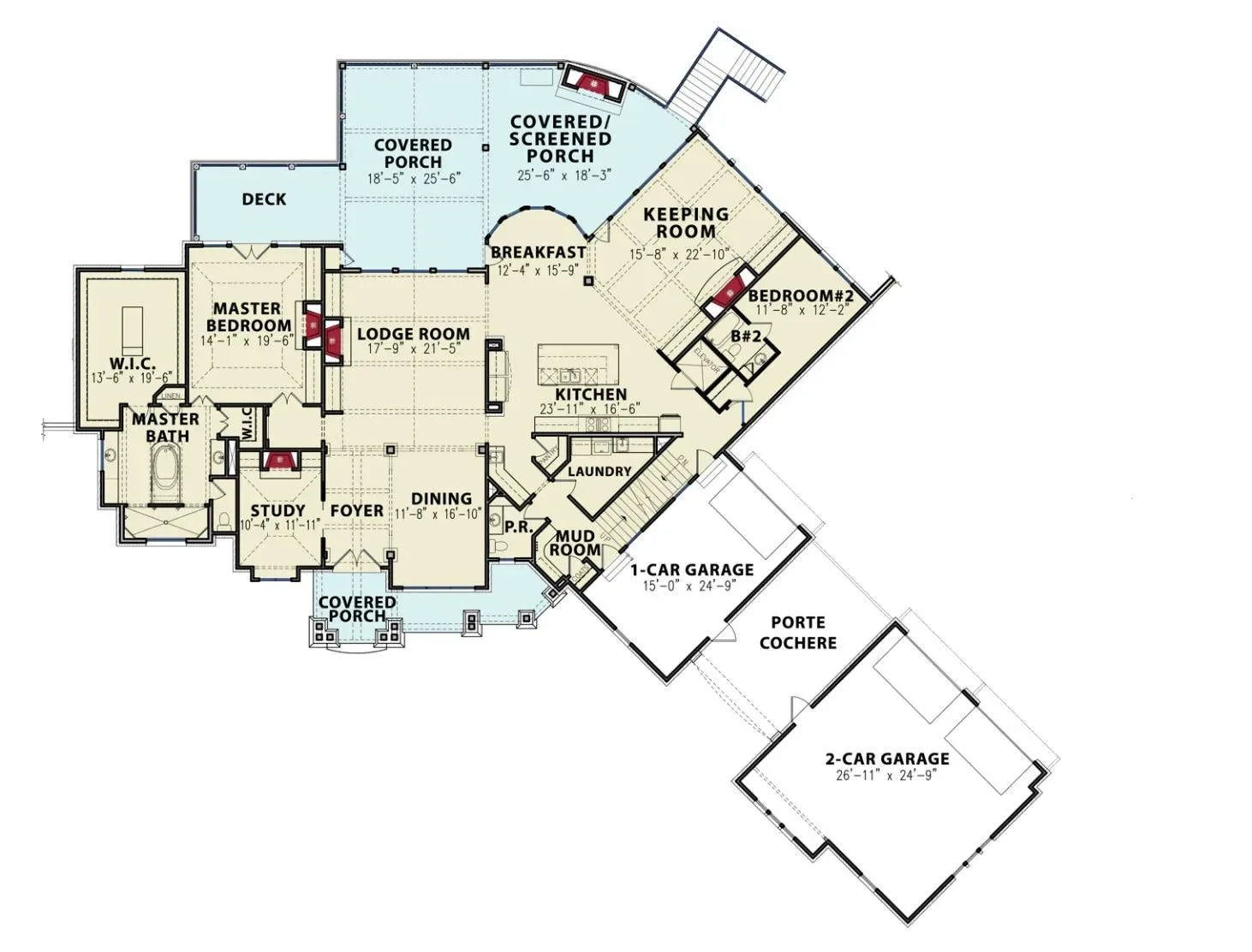
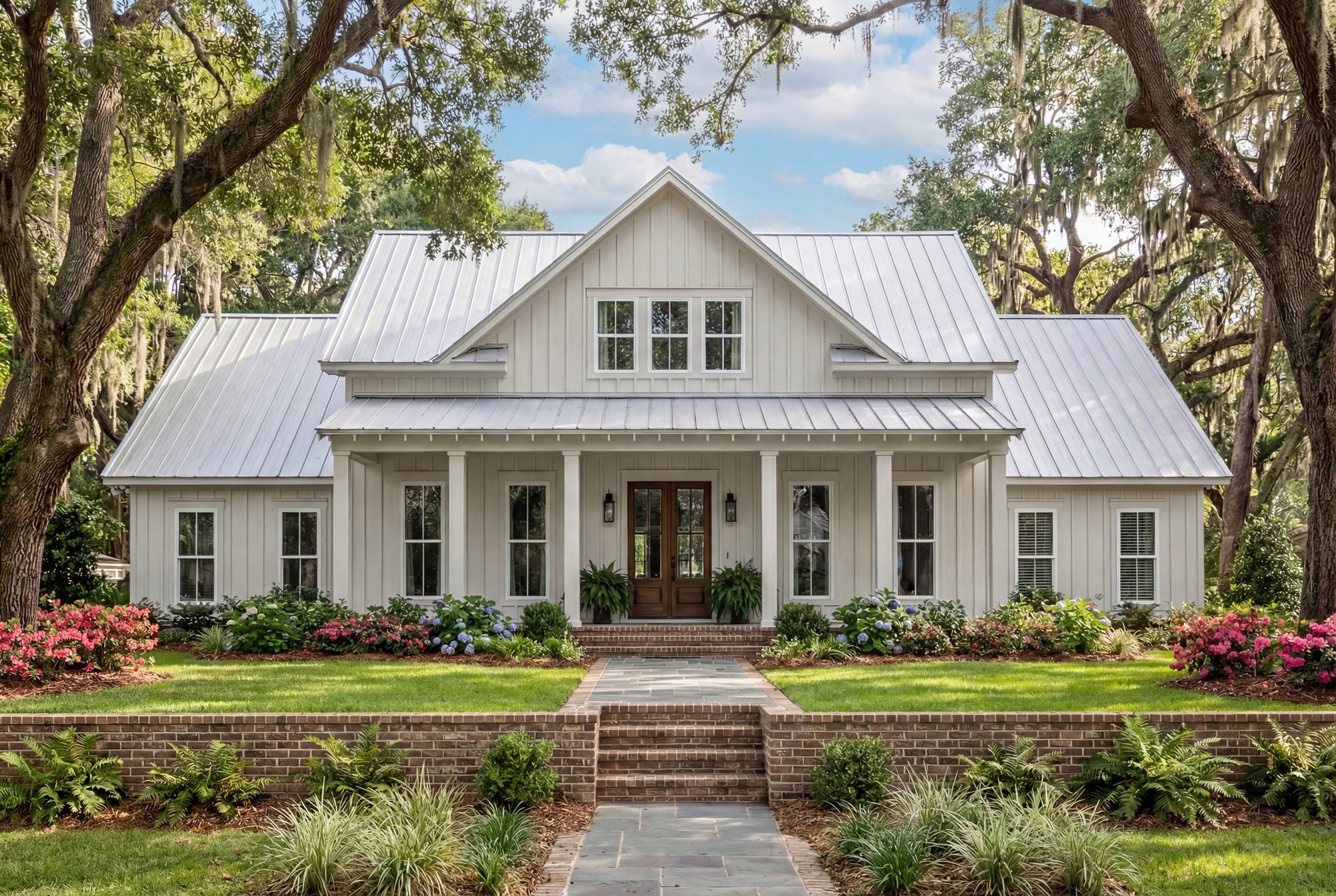
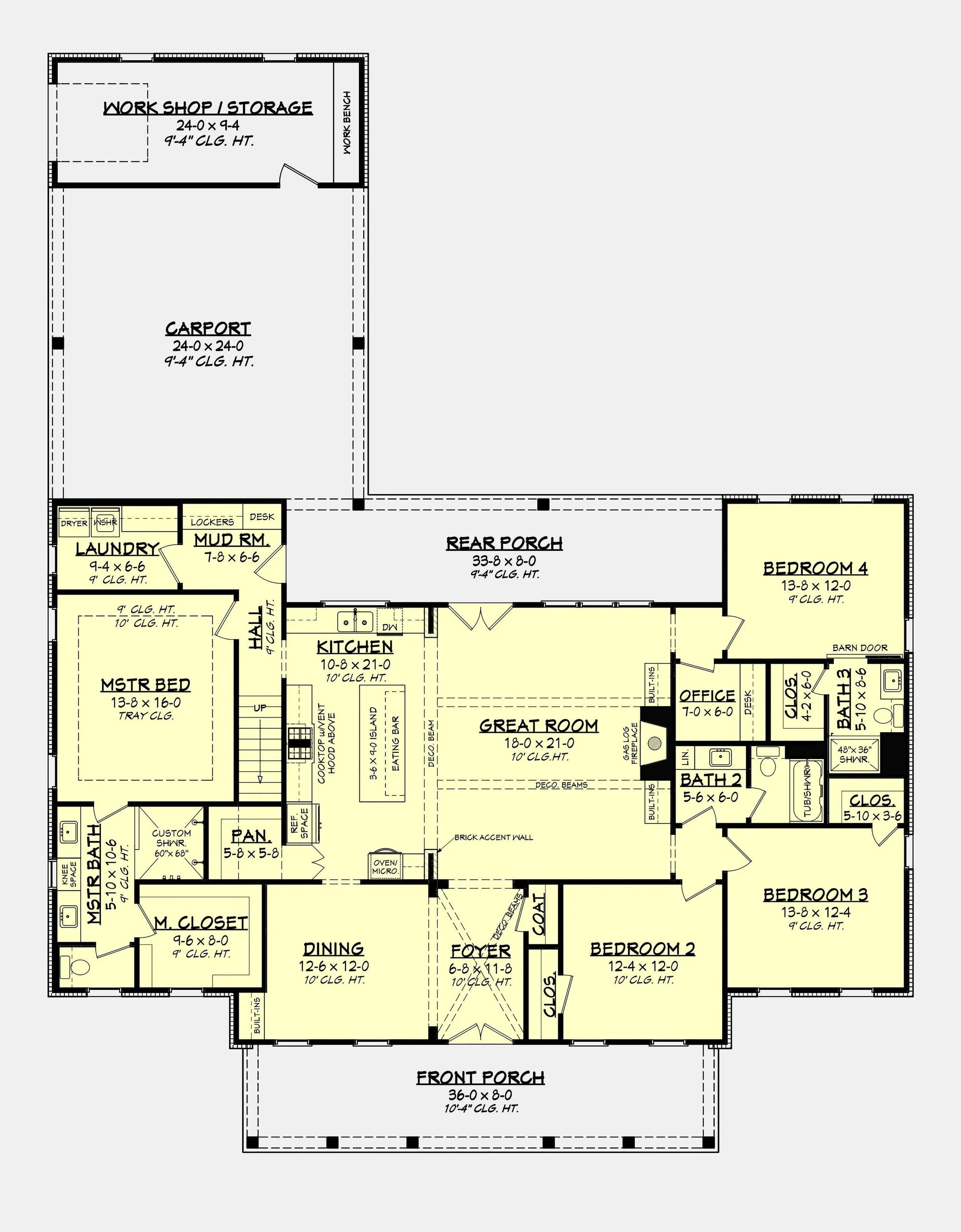
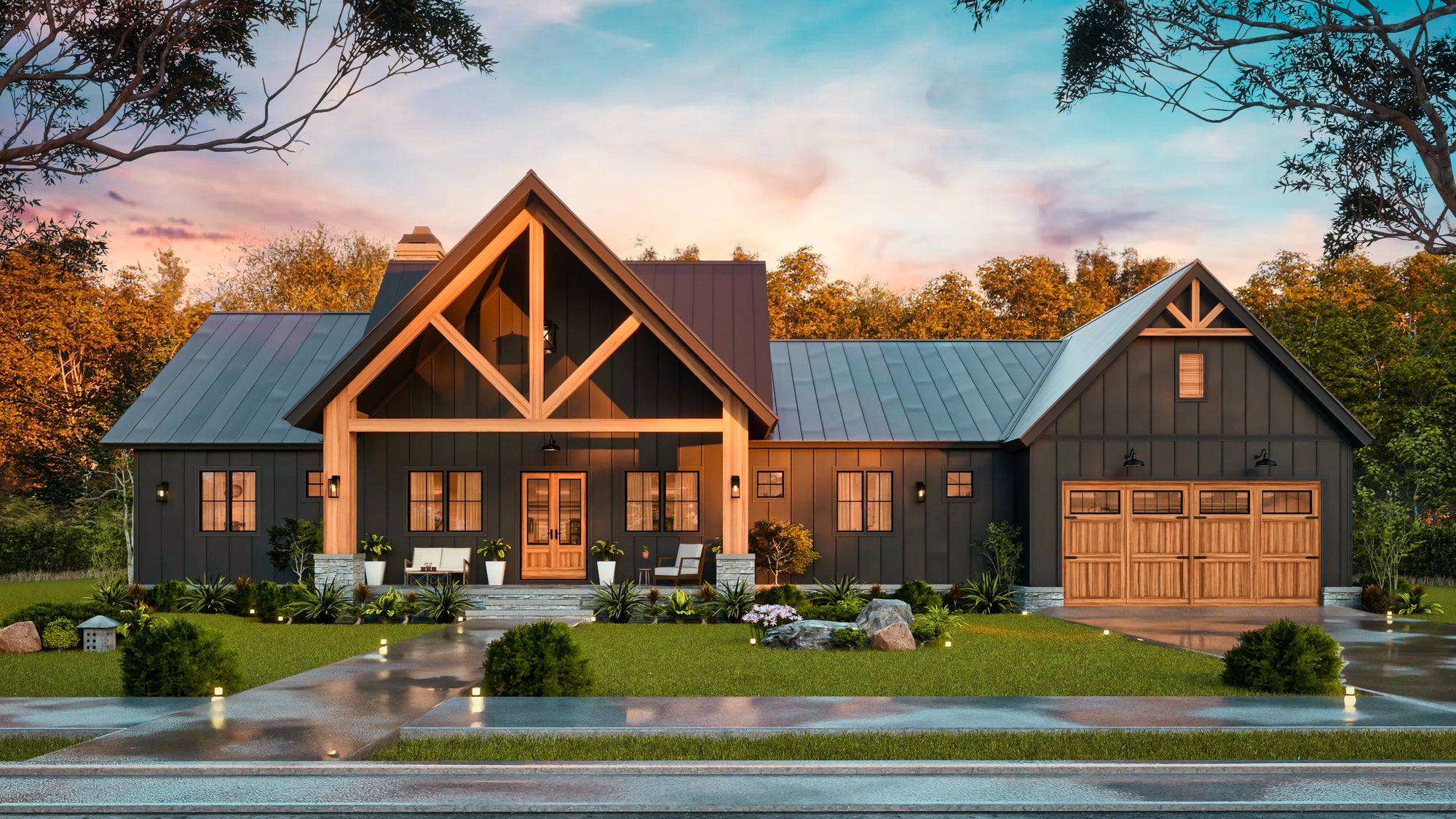
Home Office & Study Plans: Find the Perfect Floor Plan for Focused Remote Work
Welcome to the largest collection of House Plans with Home Offices and Studies. With over 1,251 diverse floor plans, we provide the dedicated space you need for focused work, study, or running a business—far beyond the kitchen table.
Having a dedicated home office is a popular feature among the top-selling house plans, especially as many people are now working from home and actively seeking house plans with dedicated office spaces. It allows for focused and productive work, whether it be for remote work, studying, or important tasks.
Transform your home office into a sanctuary of productivity, with ample space to accommodate a desk for work, a comfortable chair for relaxation, a couch for breaks, and bookcases for inspiration. Make the most out of your space by transforming it into a versatile haven for work, play, or creativity.
Easily search our extensive collection to find the perfect house plan with a home office that fits your needs, whether you want a private study, a flexible workspace, or a library.
Since 2020, the need for a separate, functional workspace has made the home office one of the most requested features in residential design. Our collection is built to deliver on this demand, offering everything from quiet dens and versatile Flex Rooms (69 plans) to massive upstairs Bonus Rooms (430 plans) ready for conversion.
Why You Need a Dedicated Home Office
Home office floor plans have exploded in popularity since 2020, and honestly, it's about time. Working from your kitchen table gets old fast. Whether you create a separate room or find space within existing areas, the right home office layout changes everything about your daily productivity. Smart floor plans put the office away from high-traffic areas – nobody wants to hear the TV blasting while they're trying to concentrate.
The best home office layout depends on what you actually do for work. Meeting with clients? You'll need more space and probably a couch. Mostly solo work? Focus on storage for supplies and a killer desk setup. Your desk placement matters more than you think – the command position (where you can see the door) isn't just feng shui nonsense, it genuinely helps you feel more comfortable.
Strategic Placement: Layouts That Maximize Productivity
The location of your home office is the single most important factor for maximizing productivity and maintaining work-life balance. Smart floor plans strategically place the office away from high-traffic family areas, allowing you to concentrate without interruption.
1. Separation for Focus and Privacy
The best home office layout ensures your workspace is acoustically and visually separate. Look for plans where the office is:
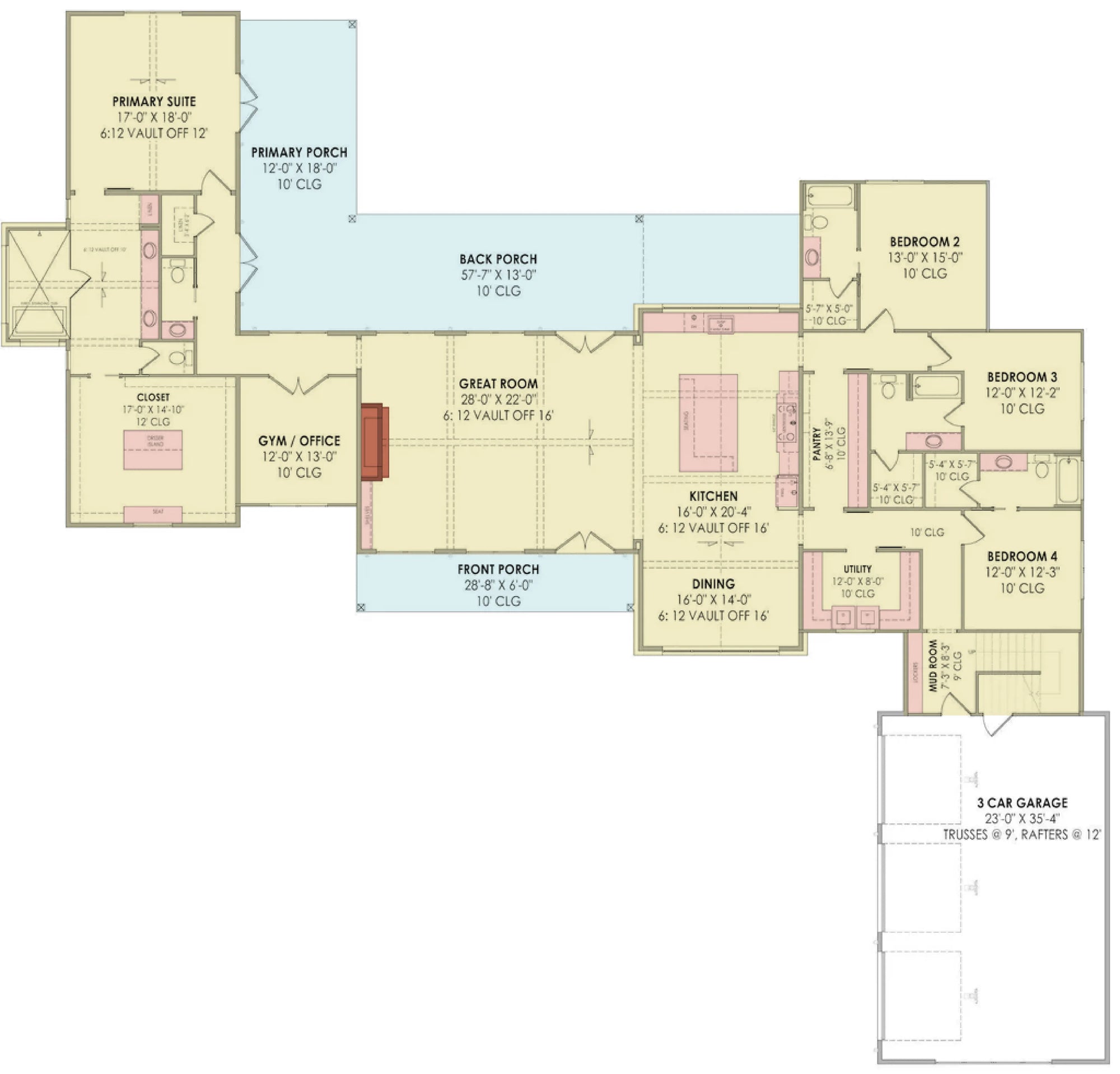
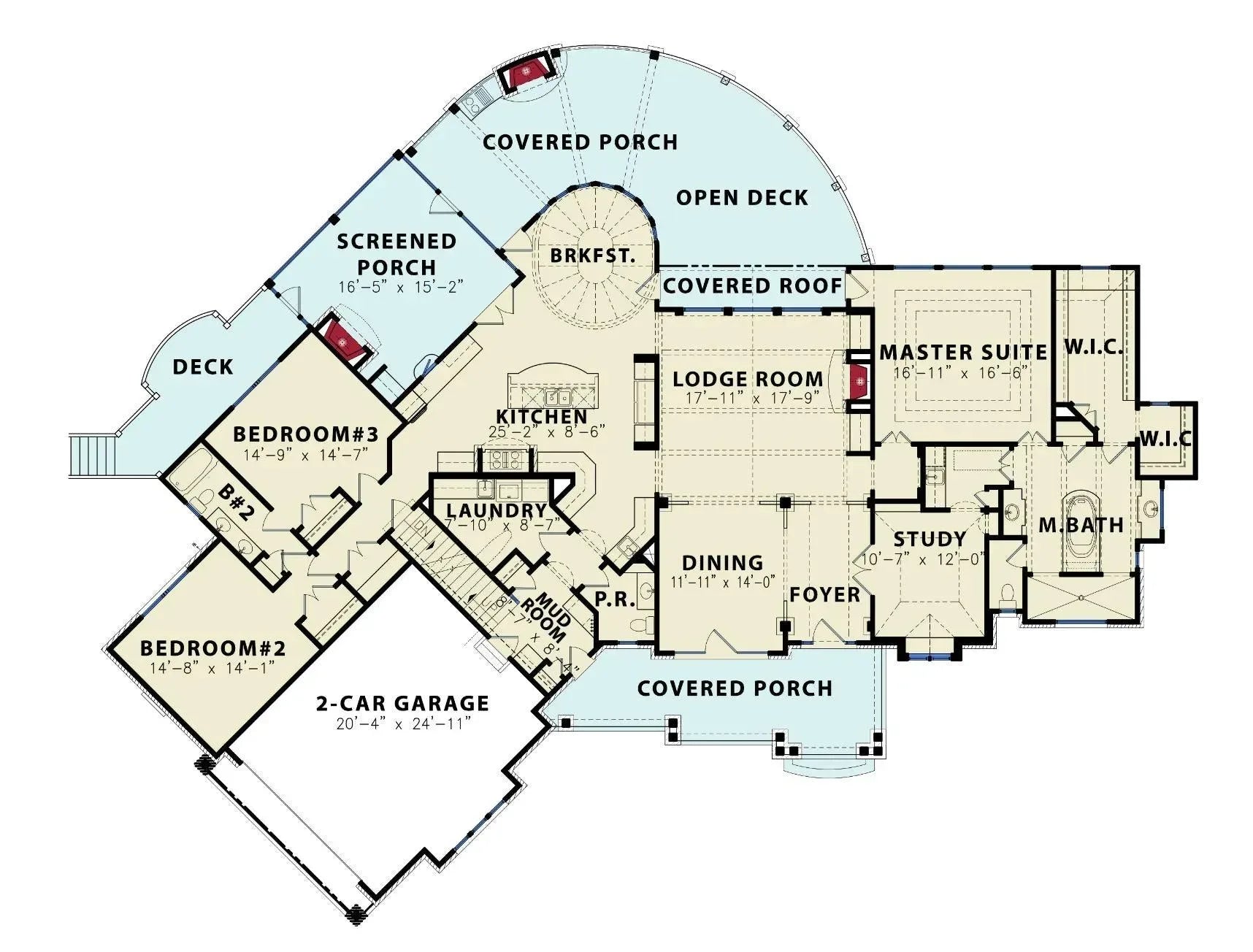
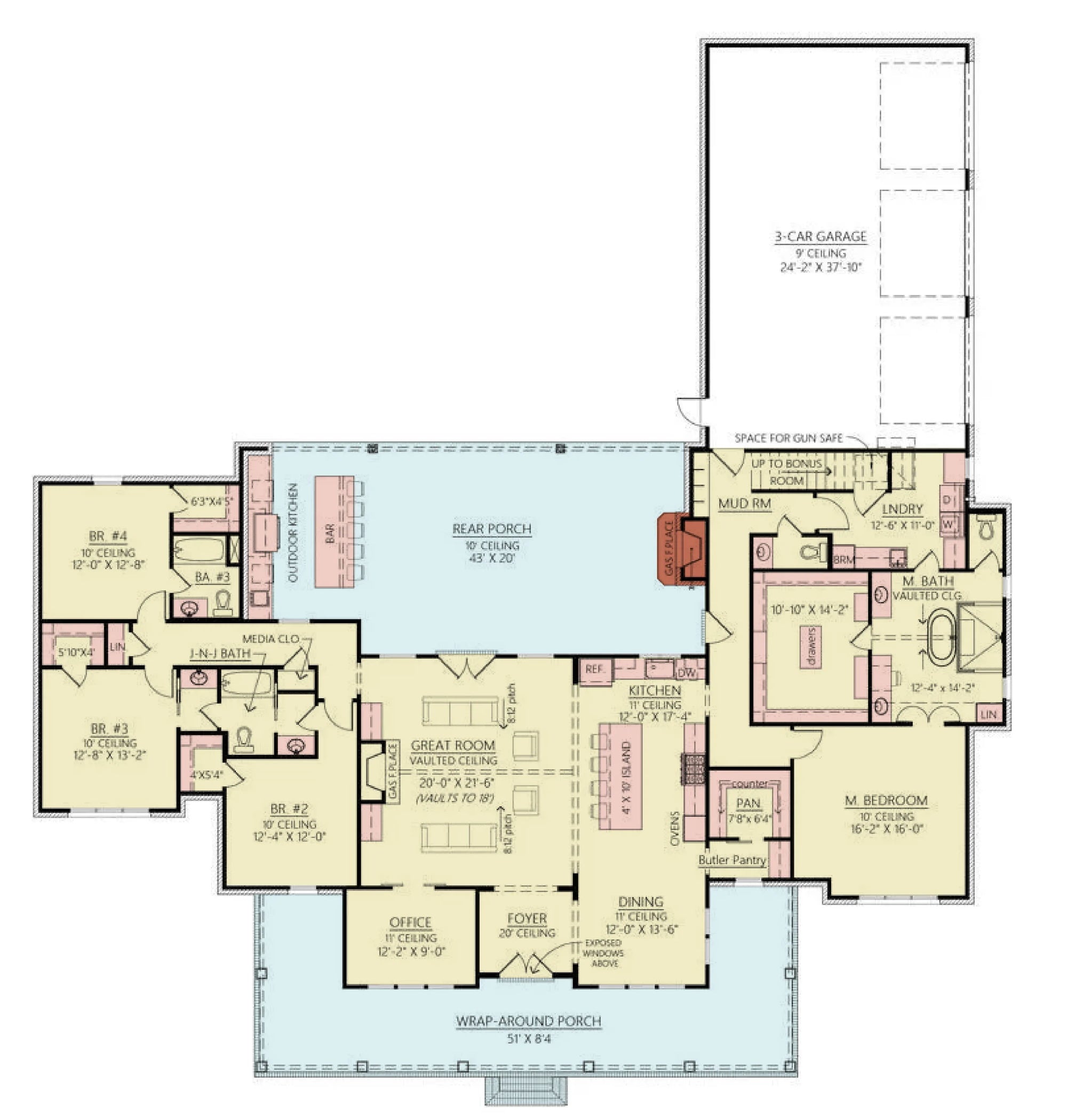
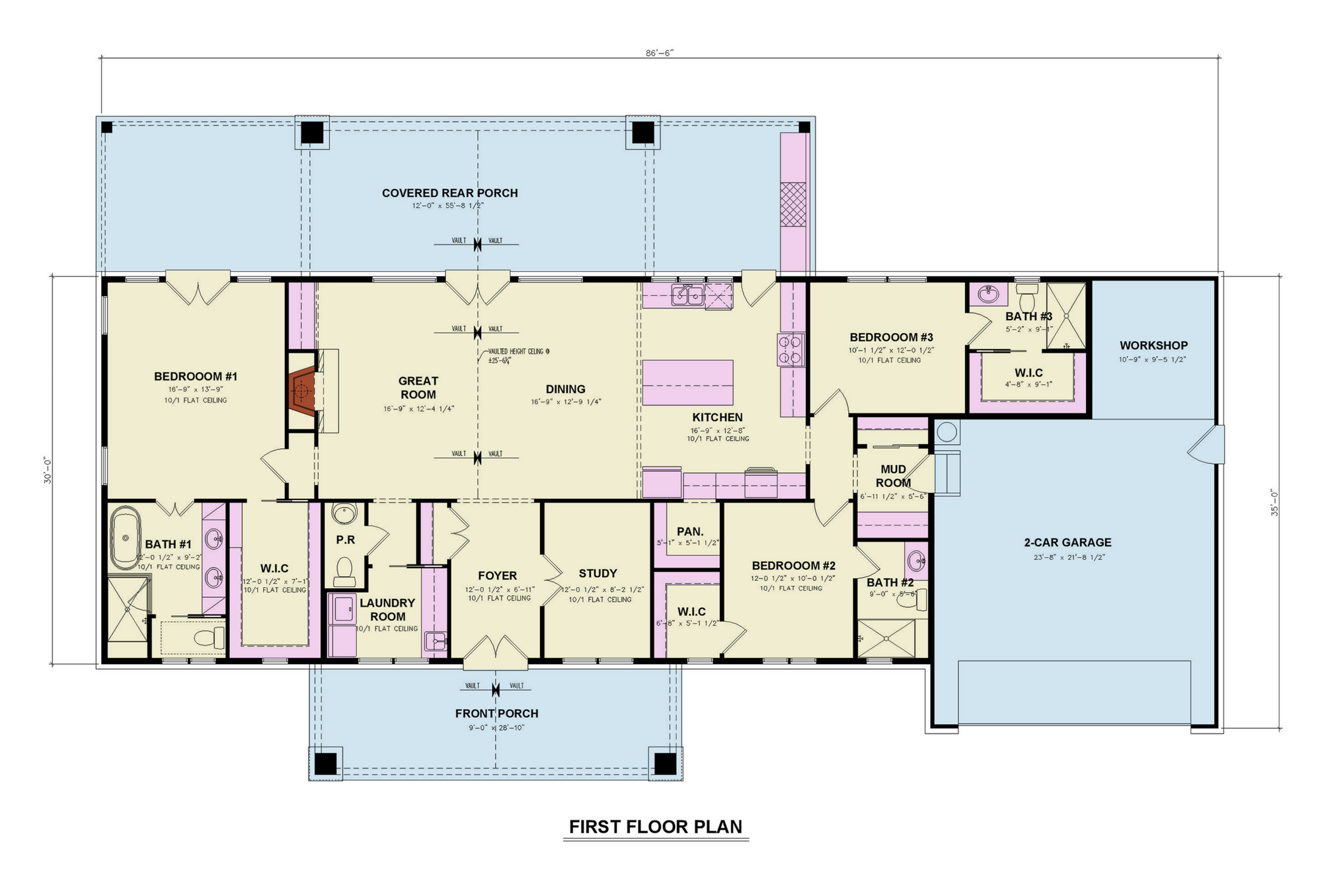
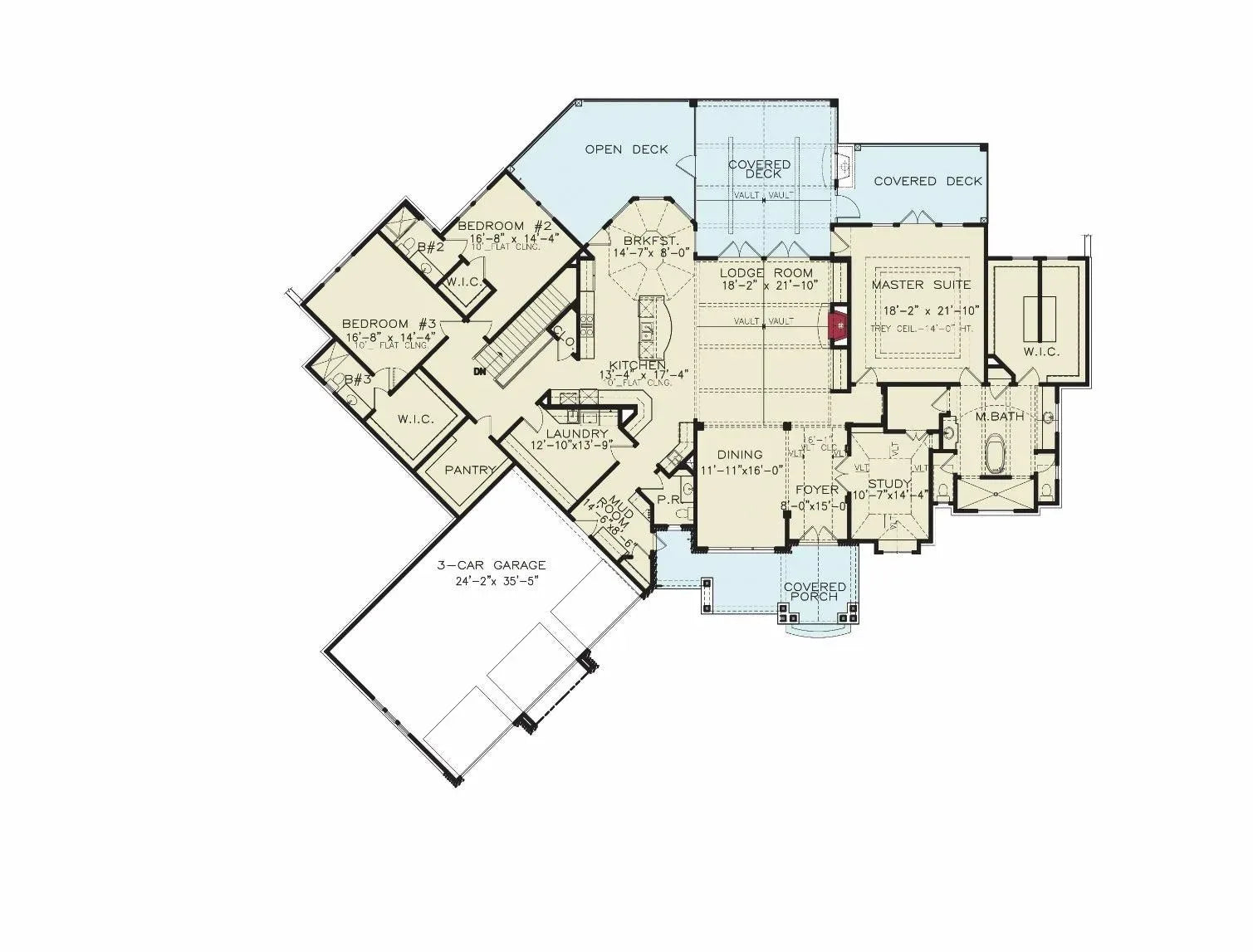
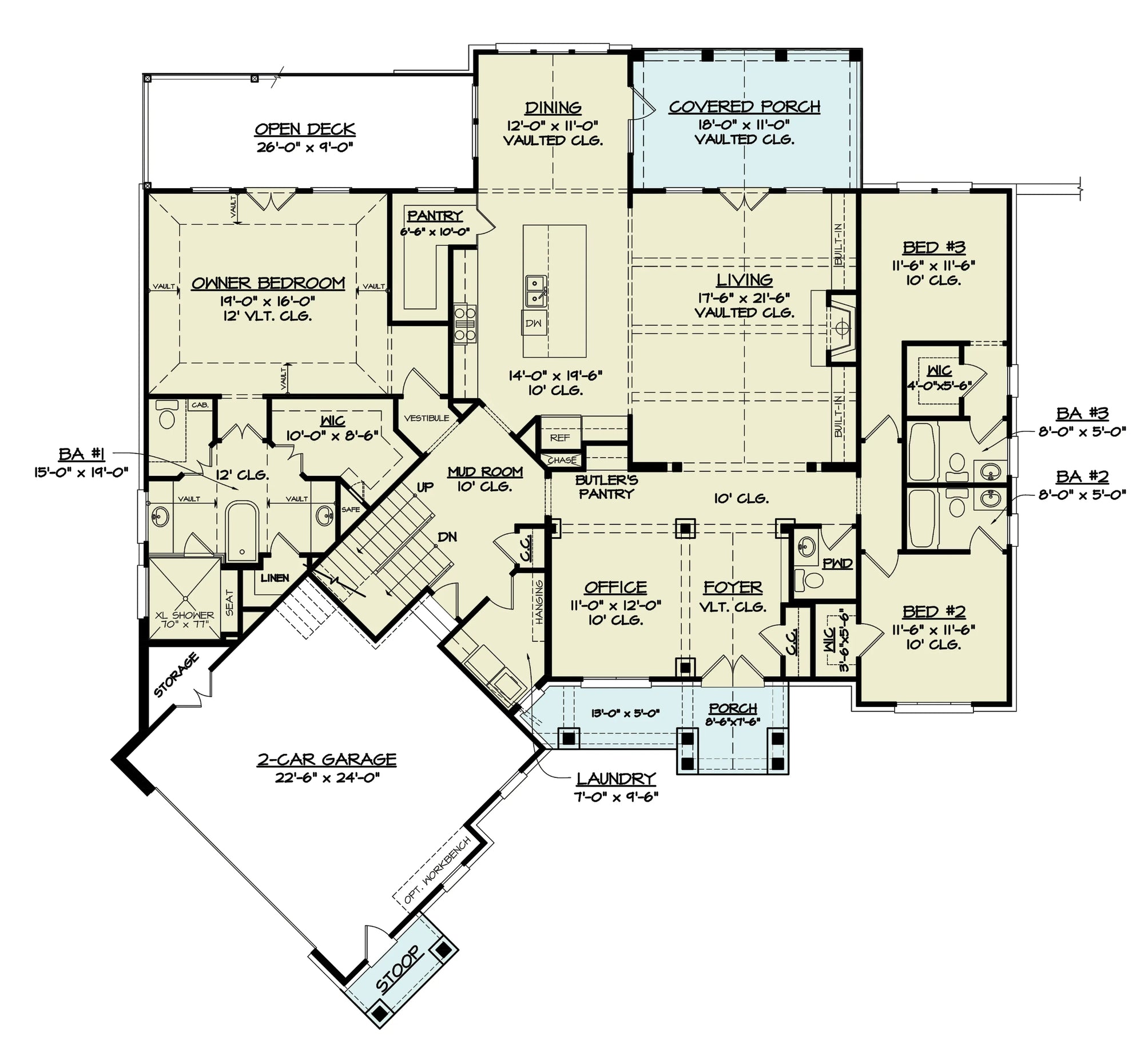
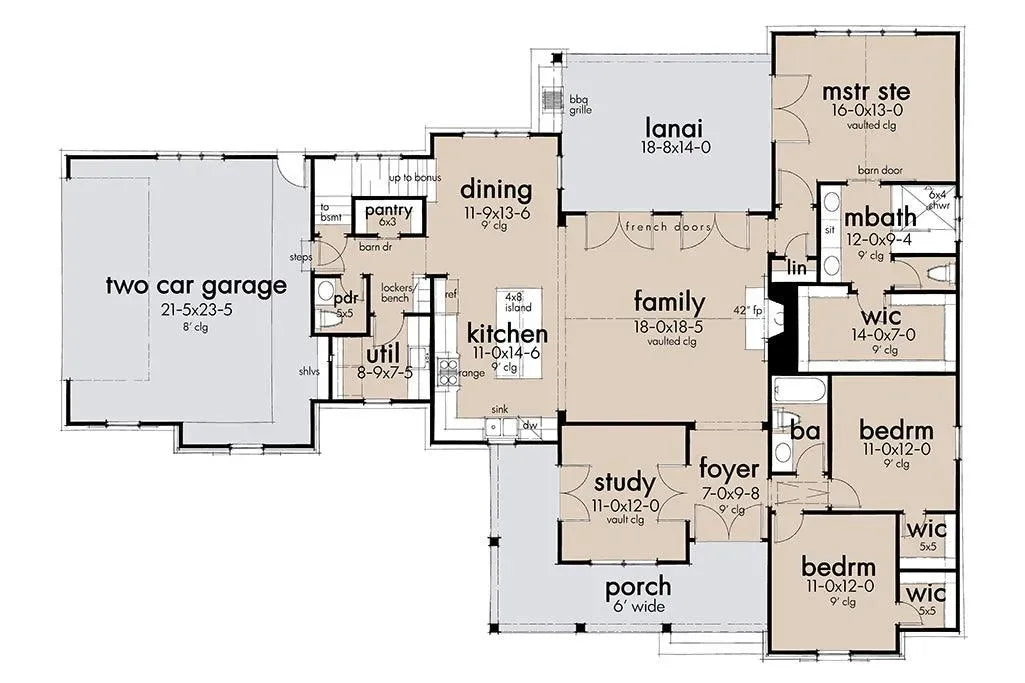
Tucked Away: Positioned in a low-traffic zone, often near the front entrance or garage access, but isolated from the kitchen and great room.
Away from Bedrooms: Separating the workspace from your First Floor Master Suite (1027 plans) helps maintain a clear boundary between work hours and relaxation.
2. Professional Client Access
If your work involves meeting clients or vendors, the office should ideally be positioned near the front entrance or main foyer. This allows guests to access your professional area without walking through your private living space.
3. Versatile Office Conversion Spaces
Our extensive selection offers many plans that allow you to convert non-traditional rooms into high-functioning offices:
Flex Room (69 plans): Designed specifically to adapt to your needs—perfect for a dual-purpose office/guest room.
Den (53 plans): Excellent for a small, quiet study or library-style office.
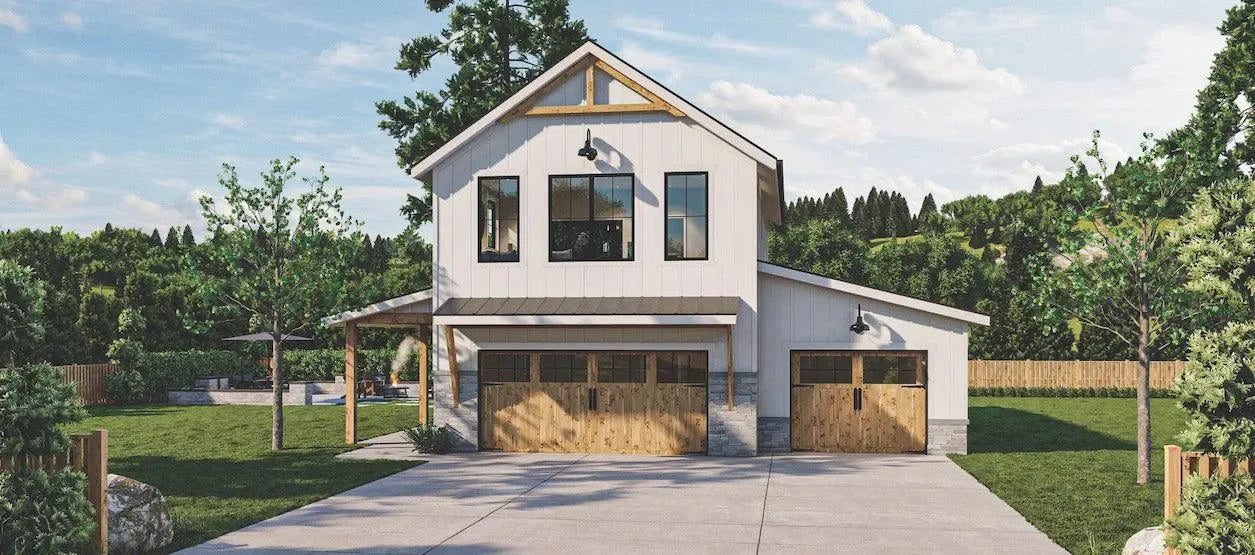
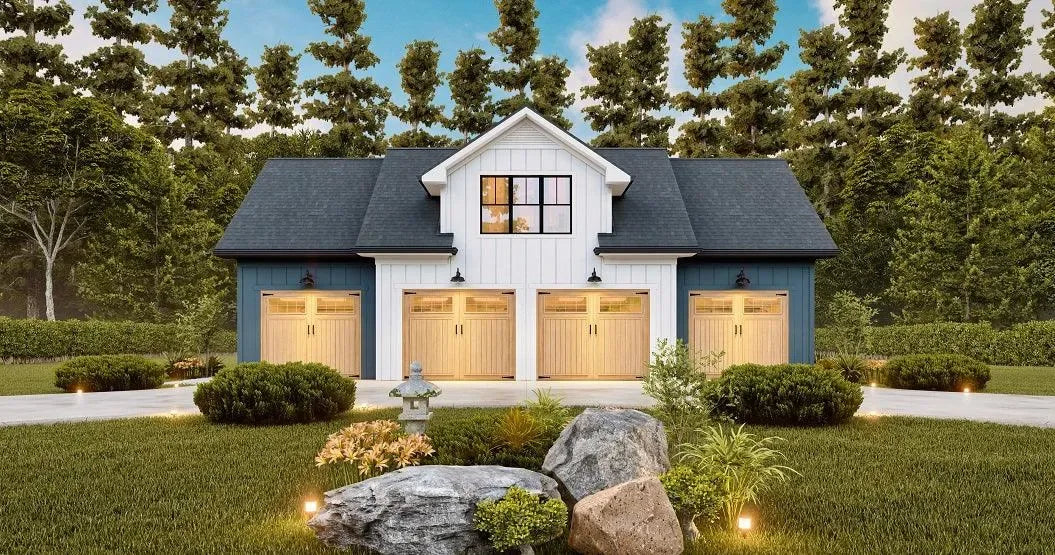
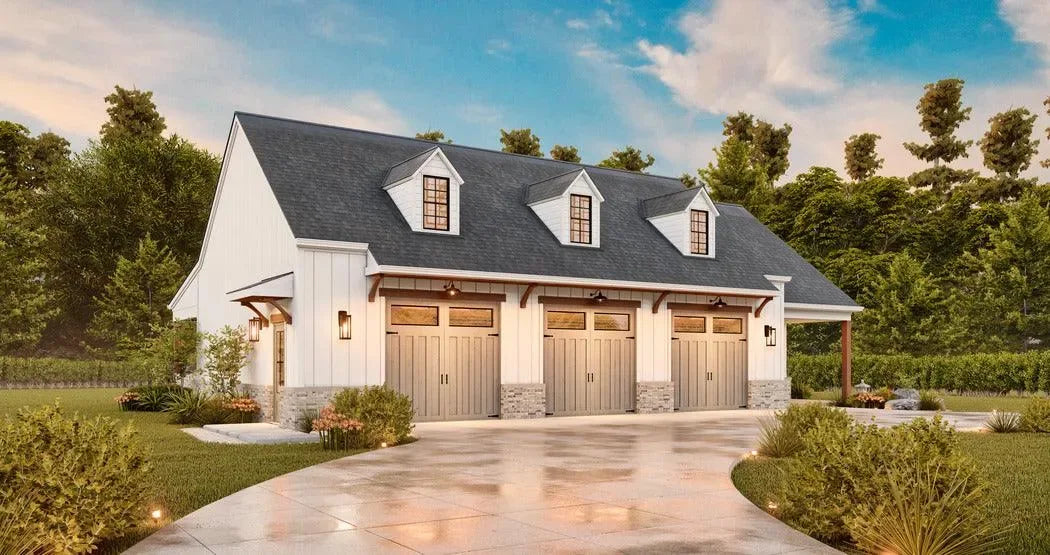
Bonus Room (430 plans): Often located over the garage (Side Garage: 514 plans or Front Garage: 526 plans), these massive spaces provide maximum separation and can host large desks, meeting areas, or specialized equipment.
The Technical Essentials of an Efficient Workspace
A truly efficient home office requires more than just four walls; it demands attention to infrastructure that supports long work hours.
Lighting: A Cure for Eyestrain
Good lighting is critical for mental clarity and eye health. The perfect setup combines natural light with targeted task lighting.
Maximize Natural Light: Position your desk near a window, but place your screen perpendicular to avoid glare. Sheer curtains are your friend for intense sun.
Layered Illumination: Combine overhead fixtures with under-cabinet lights and a strong desk lamp. Your 8+ hours a day require serious light management.
Power, Connectivity, and Circulation
Don't overlook the technical details that prevent headaches:
Ample Power: Plan for extra electrical outlets to manage multiple monitors, chargers, and equipment, eliminating the need for unsightly (and hazardous) extension cords.
Cable Management: Ensure your plan allows for organized cable routing to maintain a clean, professional look for video calls.
Structural Support: If you plan to install heavy equipment, ensure the floor (especially in a Bonus Room or on a Basement/Walkout Basement foundation) can handle the weight, and that the space has adequate air circulation or specialized cooling.
Storage and Style: Looking Professional on Camera
The best home office designs integrate smart storage solutions and styling that is appropriate for client interactions.
Seamless Storage Solutions
Clutter is the enemy of concentration. Our plans often feature:
Built-in Shelves: Ideal for books, decorative items, and organizational bins.
Closet Areas: Essential for hiding printers, file cabinets, and supplies that look "ugly" but must remain accessible.
Style for Video Calls
Your background should reflect professionalism without clashing with your home's aesthetic. Select a neutral paint color or a bookcase background. Use accessories like plants, artwork, or meaningful objects to add personality and inspiration.
Lighting Makes or Breaks Your Space
Good lighting can save your sanity in any efficient workspace. The perfect setup mixes natural light from a window with task lighting for those late nights. Put your desk near a window if you can, but don't place your computer screen right in front of it unless you enjoy squinting all day. Sheer curtains help when the sun gets too intense, and help minimize glare, but still let you see outside.
A well lit workspace keeps your eyes from feeling like sandpaper by evening. You may spend eight hours plus here most days, so poor lighting will drive you crazy. Throw in some under-cabinet lights, a decent desk lamp, or overhead fixtures. Your future self will thank you when you're not fumbling around in the dark looking for papers.
Storage That Works Perfectly
File cabinets and storage keep your home office smart and clean. Built-in shelves handle books and supplies, while closet space hides all the ugly stuff. The goal is storage that doesn't take over your workspace but keeps everything you need close by.
Many home office floor plans feature built-in cabinets or closet areas specifically designed for storing office supplies. Smart move – it keeps things looking clean while making sure you can grab whatever you need. Because hunting through the whole house for a pen when you're on a conference call? Not fun.
Work-Life Balance Without Going Crazy
Here's the thing about any home office – keeping work and home life separate takes effort. Floor plans with a separate entrance or the office tucked away from the primary bedroom help big time. When you're done working, you can actually walk away from your workspace instead of staring at it from the couch.
Some home office setups include personal touches like a small sofa or reading corner. Makes the space serve double duty – work spot during the day, chill zone at night. Your kids might take it over for homework, or it becomes your weekend planning headquarters.
Home Office Layout Ideas That Do Heavy Lifting
Your office layout depends on your space and work style. L-shaped desk setups work great in corners, straight desks fit along walls. If you’re always on video calls, consider what’s behind you and invest in a chair that won’t cause back pain.
Functional layout ideas include making zones – work zone with your desk and chair, meeting zone with a couch or extra chair, storage zone with file cabinets and shelves. Sounds fancy, but it just helps you stay organized and tricks your brain into thinking the space is bigger.
For more inspiration and to explore specific house plans with home office layouts, read our detailed guides and browse featured floor plans designed for remote work.
Looking Professional Without the Corporate Vibe
You still need to look professional on video calls, even from home. Select a style that complements your business but doesn't clash with your home. Accessories like plants, artwork, or cool objects add personality without making you look unprofessional.
The whole point of working from home is creating a space that actually inspires you. Personal touches make you want to spend time there, which makes you more productive. Win-win.
The Little Details That Matter
Small details can mess up your whole home office vibe. Get enough electrical outlets – extension cords everywhere look terrible and are kind of dangerous. Cable management keeps things from looking like spaghetti central. If you've heavy equipment, ensure your floor can support it and that you've adequate air circulation.
Nobody thinks about this stuff until they need it, but proper planning saves headaches later. Trust me.
At Archival Designs, we offer a diverse selection of home office floor plans that can be customized to suit your specific work needs and lifestyle. Whether you need a quiet study, a client-meeting space, or a room that pulls double duty, we can help you design the perfect home office for your new home.
Outdoor Features: Bringing the Outside In for Inspiration and Wellbeing
When designing a dedicated home office or study, it’s easy to focus on the four walls inside—but the best house plans go a step further, seamlessly blending indoor and outdoor features to create a truly inspiring workspace. At Archival Designs, we know that a productive home office isn’t just about the right desk or storage; it’s about the environment as a whole. That’s why so many of our floor plans offer creative ways to bring the outside in, boosting both your wellbeing and your workday.
Imagine starting your morning with a cup of coffee at your kitchen table, sunlight streaming in from a nearby patio or balcony. Or stepping out from your office onto a breezeway or courtyard for a quick break, letting fresh air and natural light recharge your focus. Outdoor features like a mud room make it easy to transition from a walk in the garden straight into your workspace, keeping your home organized and your mind clear.
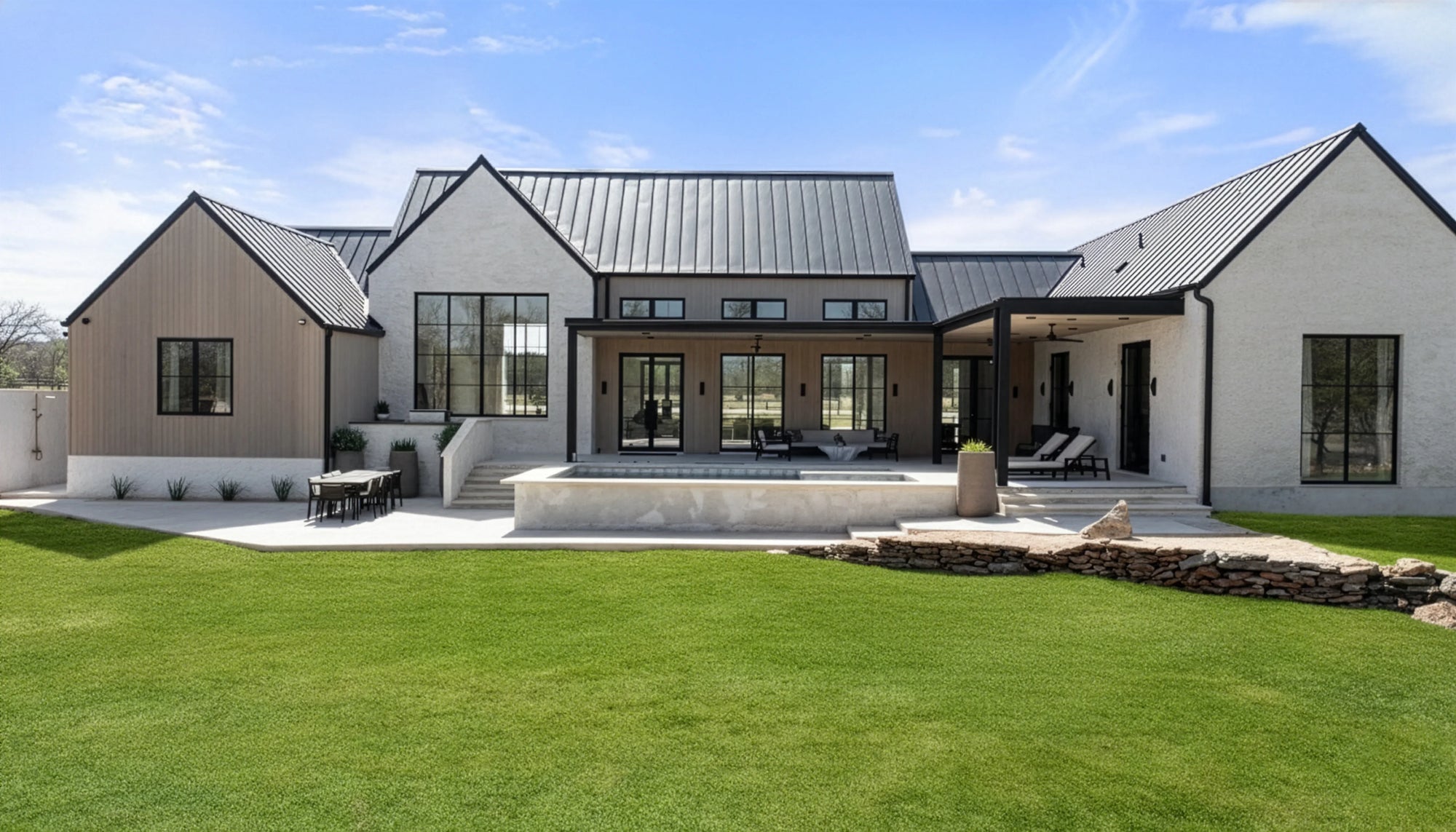
For those who love to entertain or simply unwind after a long day of remote work, an outdoor fireplace or kitchen extends your living space and offers a perfect spot to gather with family or colleagues. These features aren’t just for show—they add real, usable sq ft to your home, making every inch of your floor plan work harder for you.
When searching for the right house plan, consider how outdoor features can enhance your daily routine. Maybe you want a den with French doors that open onto a private deck, or a first floor office with large windows overlooking a landscaped backyard. Our saved plans can be easily modified to include the outdoor elements that matter most to you, whether that’s a sundeck, covered porch, or even a grill-ready patio off the garage.
Natural light and ventilation are proven to boost productivity and mood, so look for floor plans with big windows, sliding glass doors, or even skylights in your home office or study. These design choices create a bright, airy space that makes working from home feel less like a chore and more like a privilege.
Don’t forget the practical side—features like a mud room or direct access from your office to the outdoors help keep your space clean and organized, especially on busy days. And with Archival Designs’ wide selection of home plans, you can find the perfect style and layout to match your needs, from modern open concepts to classic traditional homes.
Ready to create a workspace that truly inspires? Explore our selection of home office floor plans with outdoor features, and let us help you design a home that’s as productive as it is beautiful. With options for every lifestyle, budget, and business need, you’ll find the perfect place to work, relax, and thrive—all in one great plan.
Why Choose Archival Designs for Your Home Office Plan
We ensure your investment in a work-from-home plan is backed by quality and trust. Our promise to you:
Best Price Guarantee: We guarantee the best price on all our plans.
Plan Modification Services: Need to move a window or add a specific door for your office? Our in-house team can customize your plan to meet your exact needs and local code requirements.
Direct from the Architect: Purchase confidence knowing you receive accurate, original blueprints directly from the source.
Browse our 1251 house plans with home offices today and begin designing your most productive space.
Create an account to save your favorite plans and preferences—so you never lose access to your saved information and can revisit your selections anytime.
Depends what you're doing in there. Basic desk and storage? 6x8 feet works. Meeting with clients or want a small sofa? Go 8x10 or bigger. Think about your desk size, chair space, storage, and any extra furniture. Better to plan too big than feel cramped every day.
Should my home office be near or away from bedrooms?
Most people want it away from bedrooms for sanity reasons. However, if you've little kids or work unusual hours, being close to the primary bedroom might make sense. Consider noise, foot traffic, and whether you'll be on calls when everyone is trying to sleep.
How important is natural light in a home office?
Super important. Natural light keeps you awake and happy. Place your desk by a window, if possible, but avoid positioning your screen directly in front of it. No natural light? Ensure you have good task lighting and consider using full-spectrum bulbs that simulate natural daylight.
What storage do I need in my home office?
File cabinets for documents, shelves for books and supplies, desk storage for daily stuff. Built-in closets are great for hiding equipment and random supplies. Plan for items you use every day (easy to access) and those you don't (hidden away).
Can a home office serve multiple purposes?
Absolutely. Many home offices double as guest rooms, craft spaces, or areas where kids do their homework. Get flexible furniture that adapts. A good desk works for business and homework, and shelves can hold office supplies and family stuff.
Do I need special electrical or tech considerations for my home office?
Yes. Plan for numerous outlets, dedicated circuits for large equipment, and a reliable internet connection. Consider Ethernet wiring for reliable internet, especially for video calls. Don't forget cable management and surge protection – your equipment will thank you.