| Tiny House Plans | Small House Plans | Up to 2000 sq.ft. | Up to 3000 sq.ft. |
Large House & Mansion Plans
|
| 900 sq ft | 1100 sq ft | 1600 sq ft | 2200 sq ft | 4000 sq ft |
| 1000 sq ft | 1200 sq ft | 1700 sq ft | 2600 sq ft | 5000 sq ft |
| 1300 sq ft | 1800 sq ft | 2800 sq ft | 6000 sq ft | |
| 1400 sq ft | 1900 sq ft | 3000 sq ft | 7000 sq ft | |
| 1500 sq ft | 2000 sq ft | 8000 sq ft |
Click on the links above to view galleries or get more information about each plan.
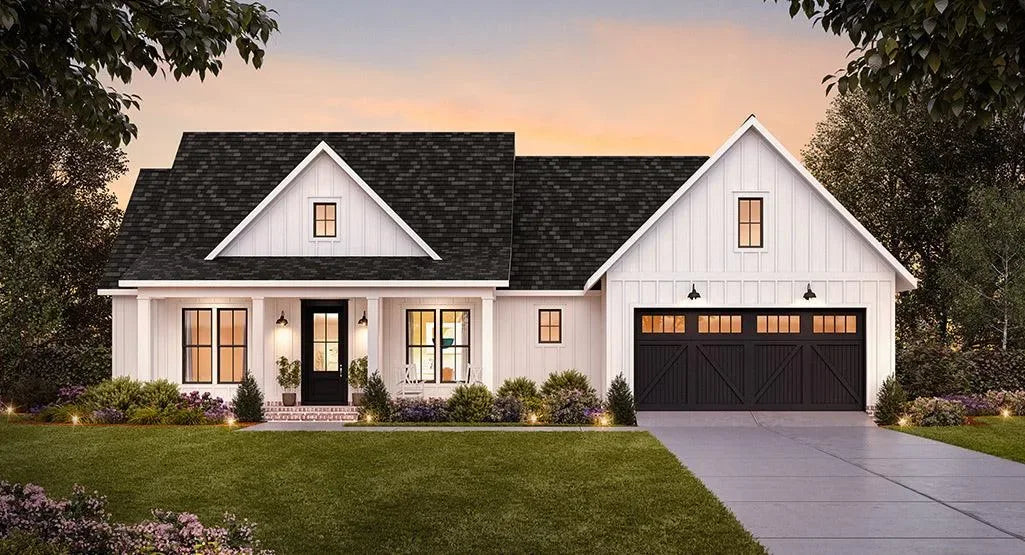
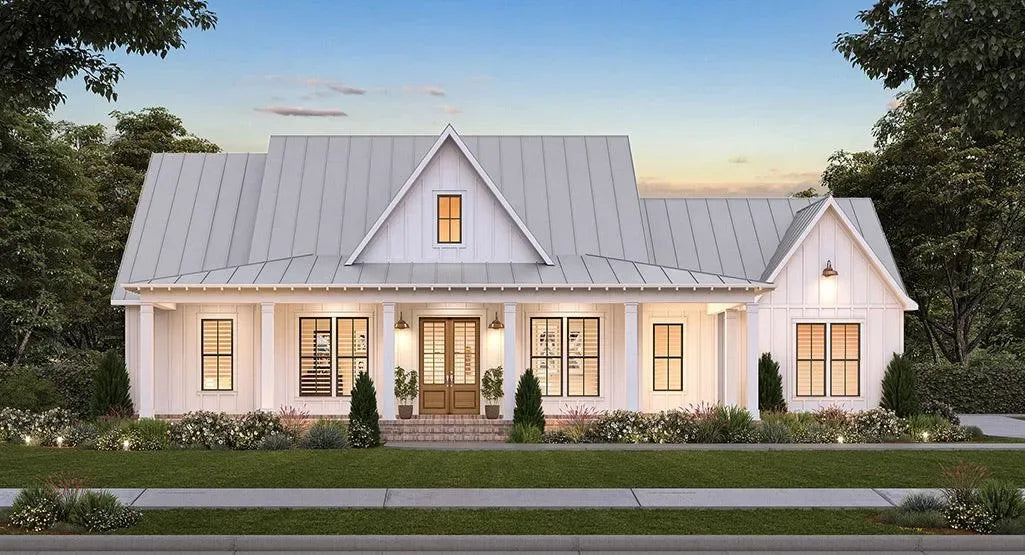
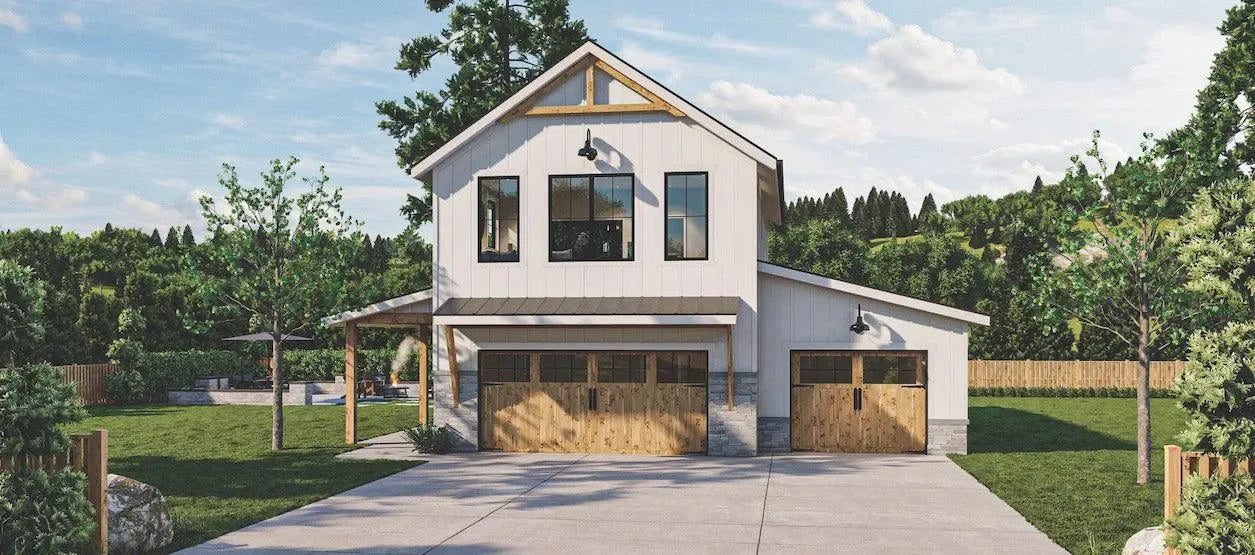
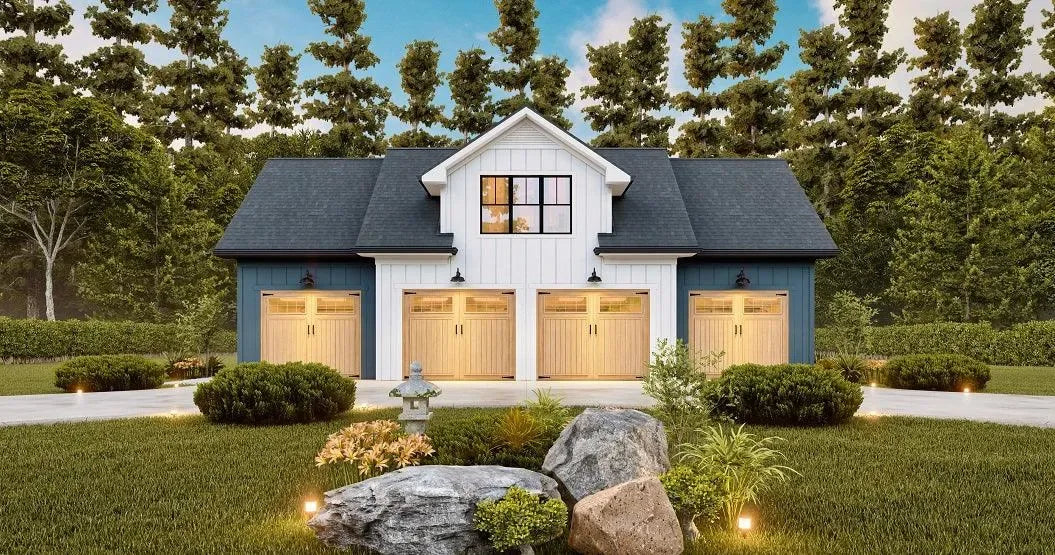
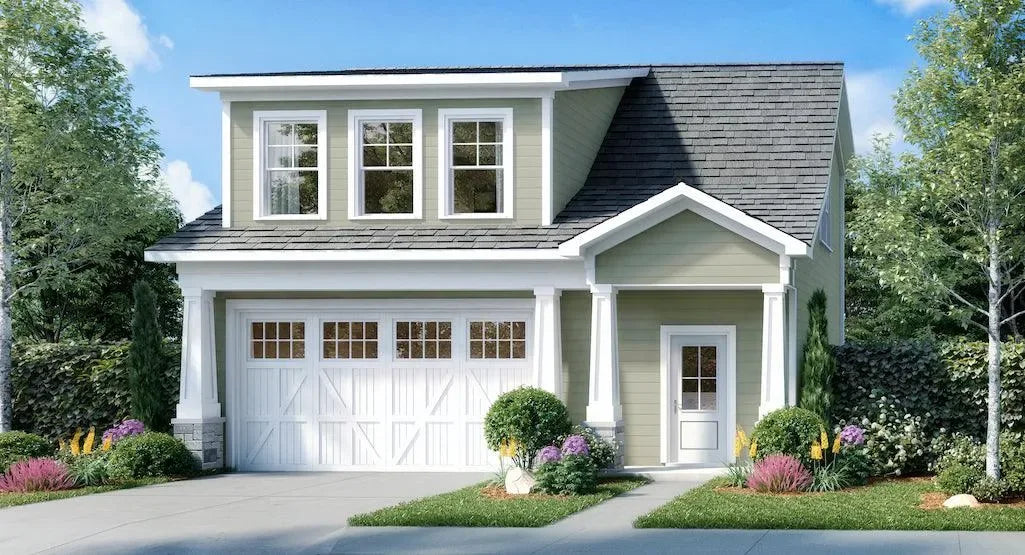
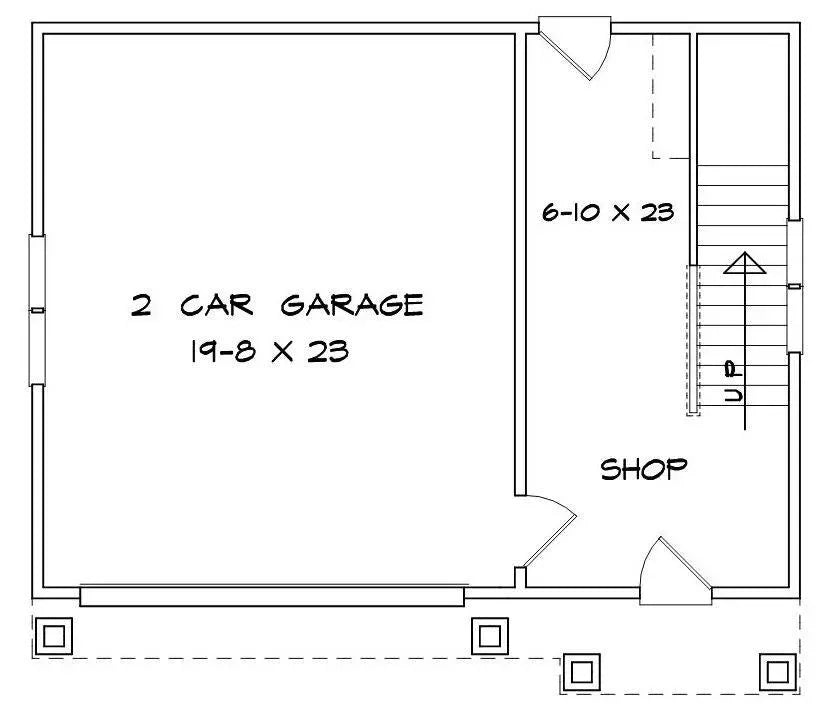
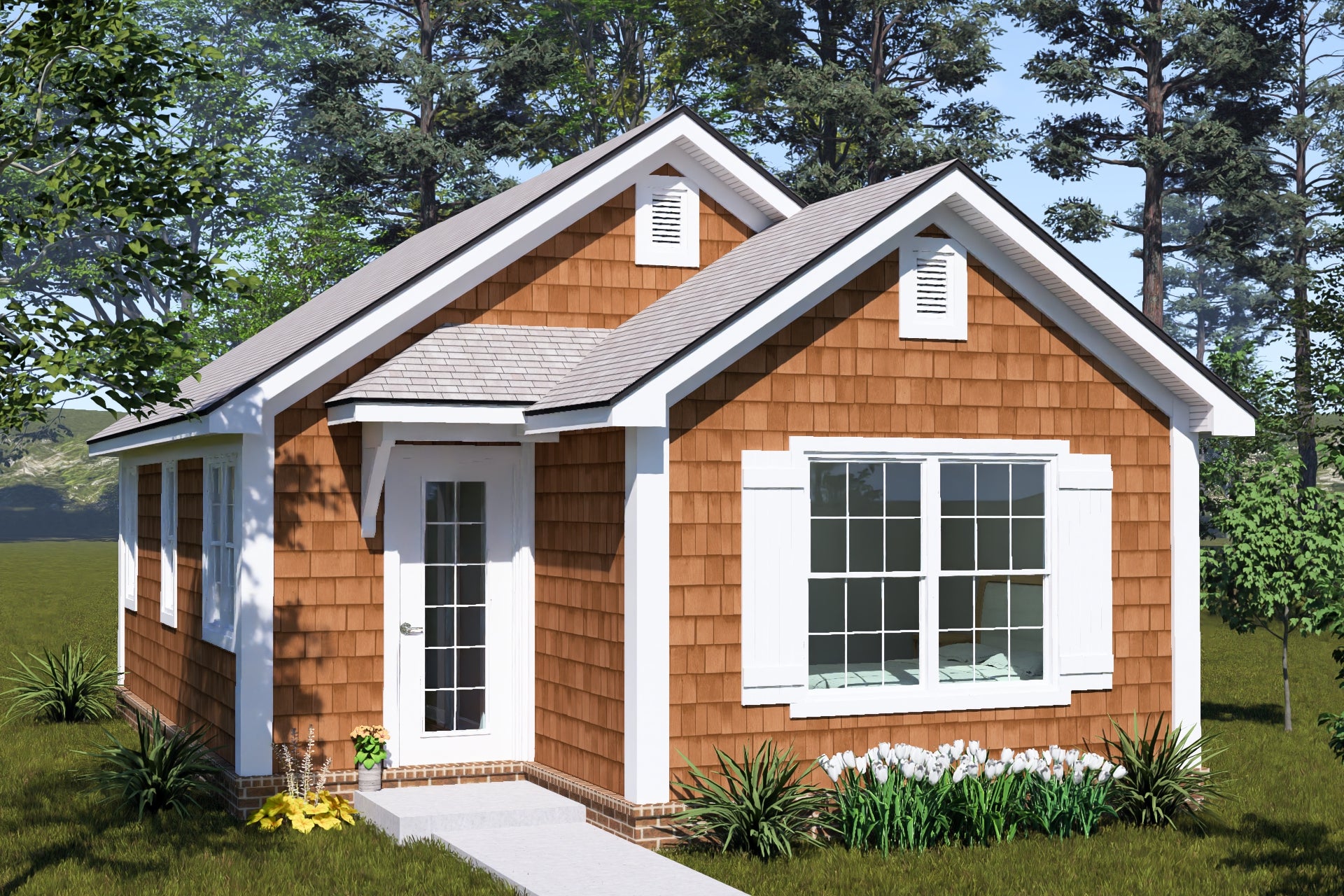
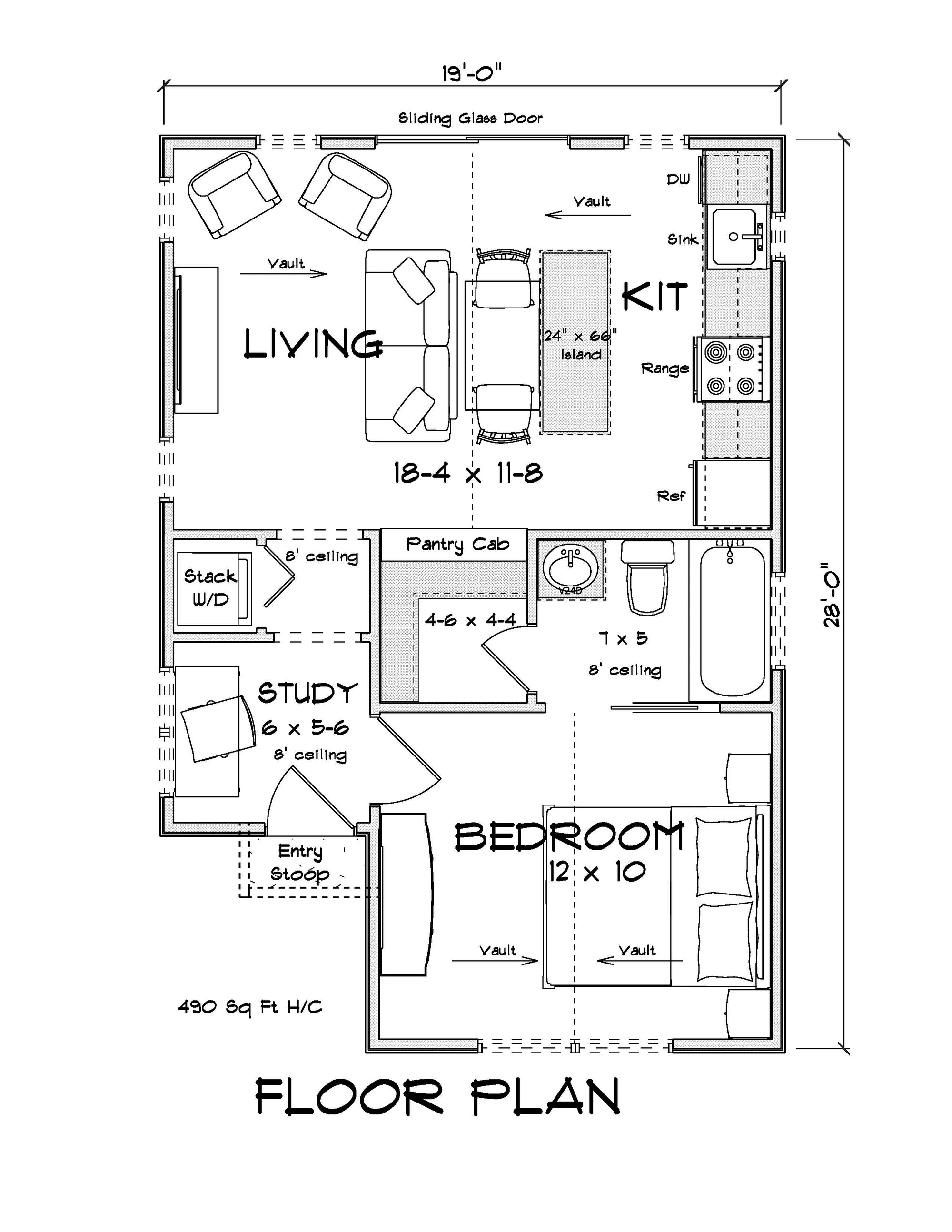
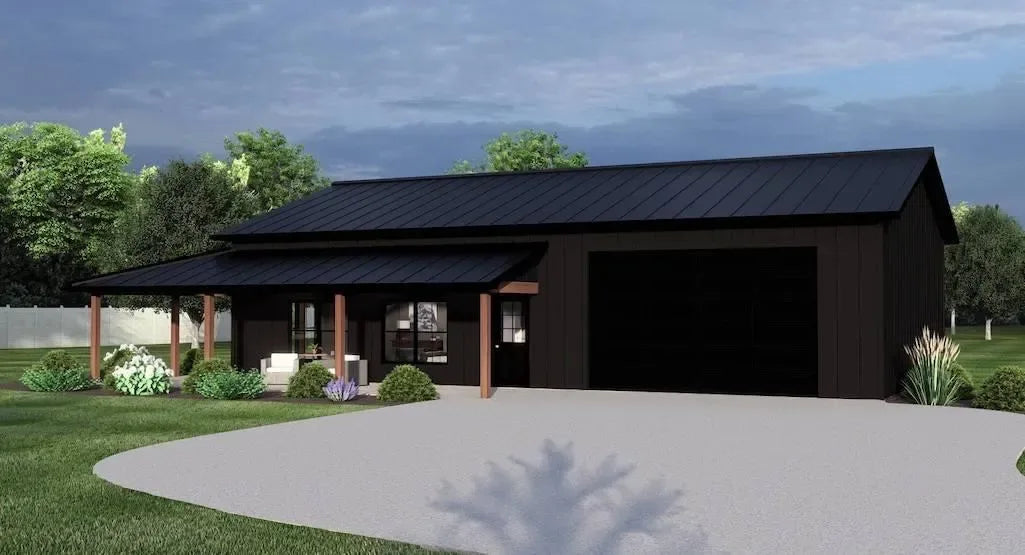
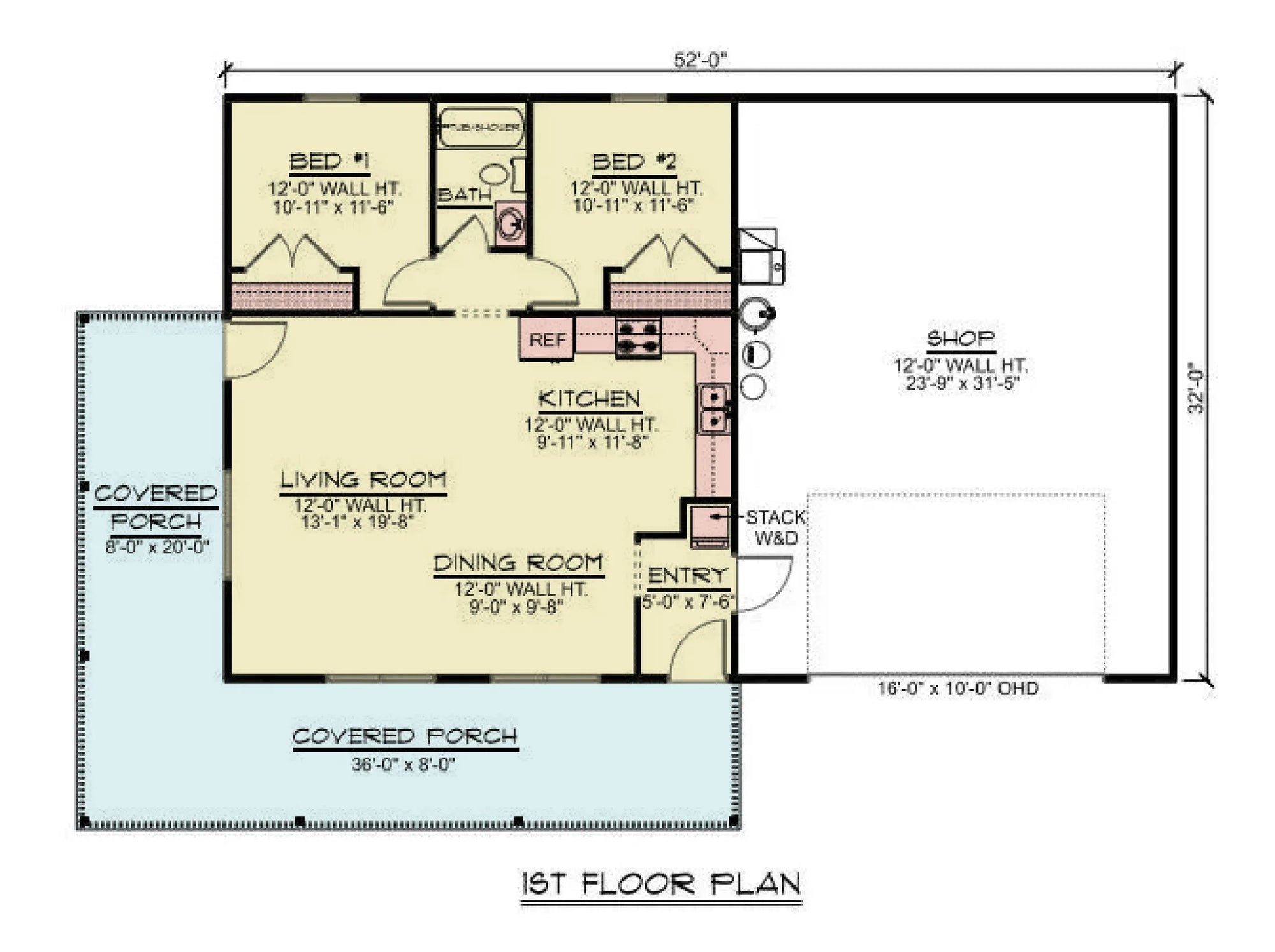
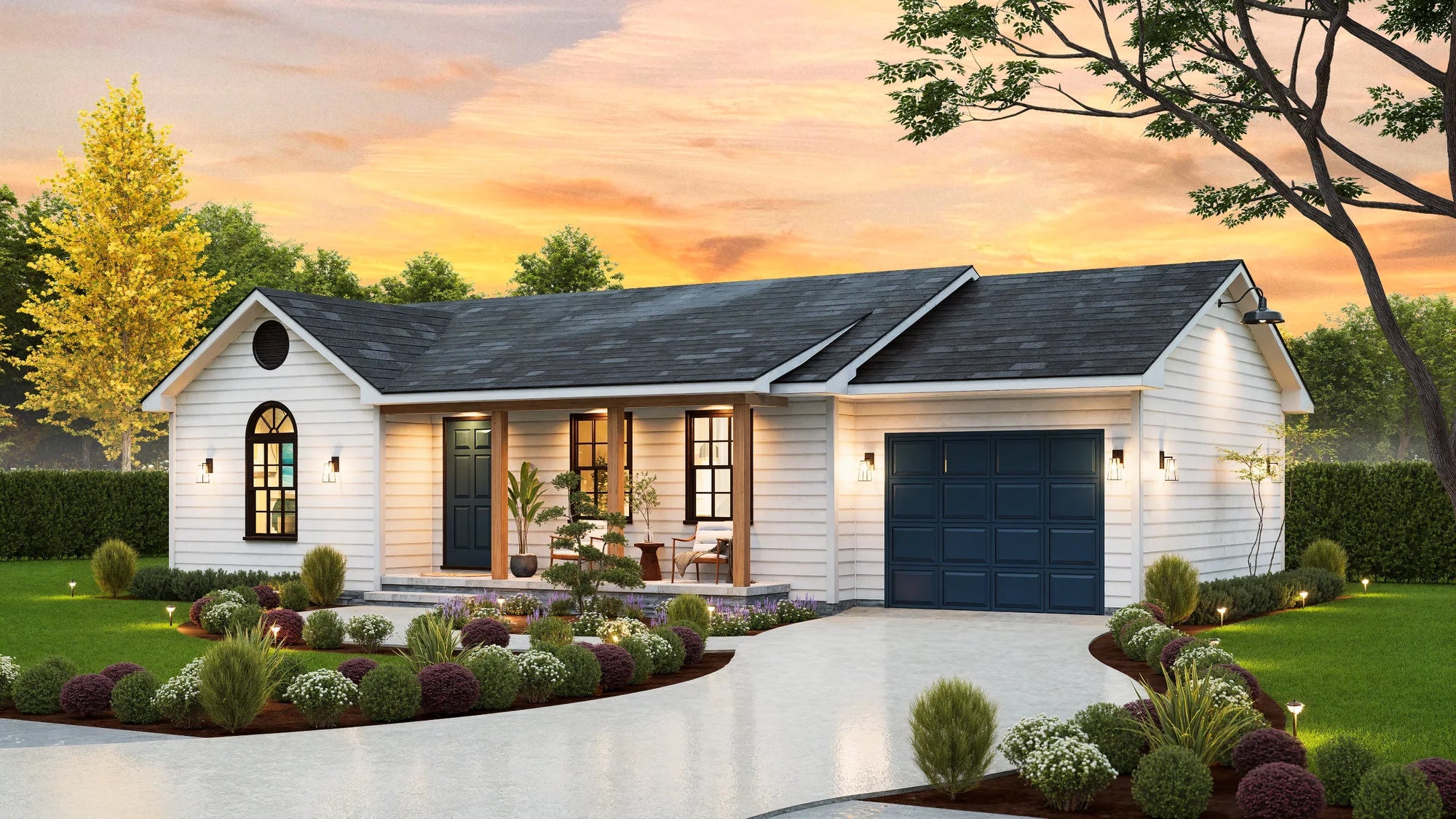
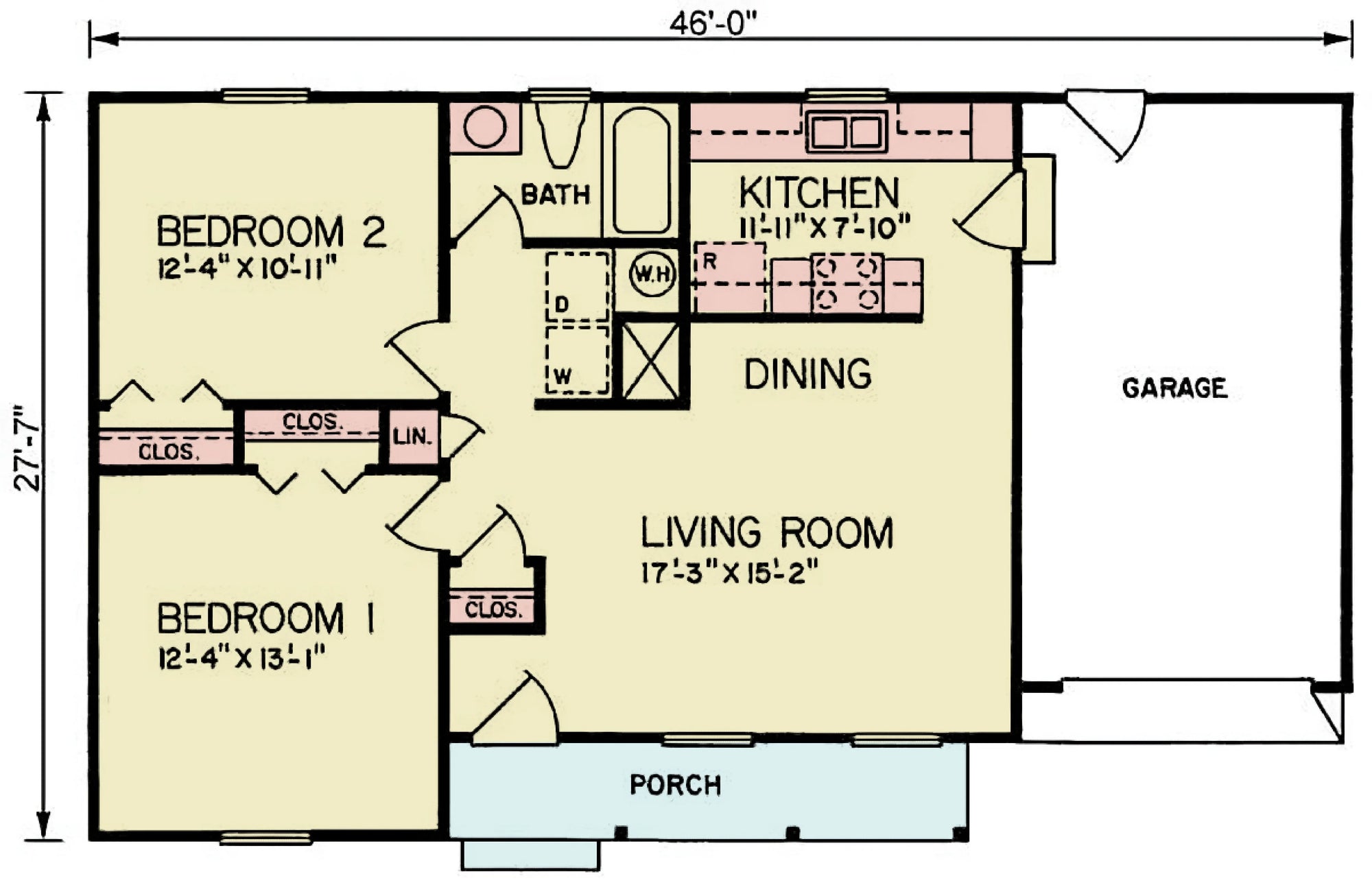
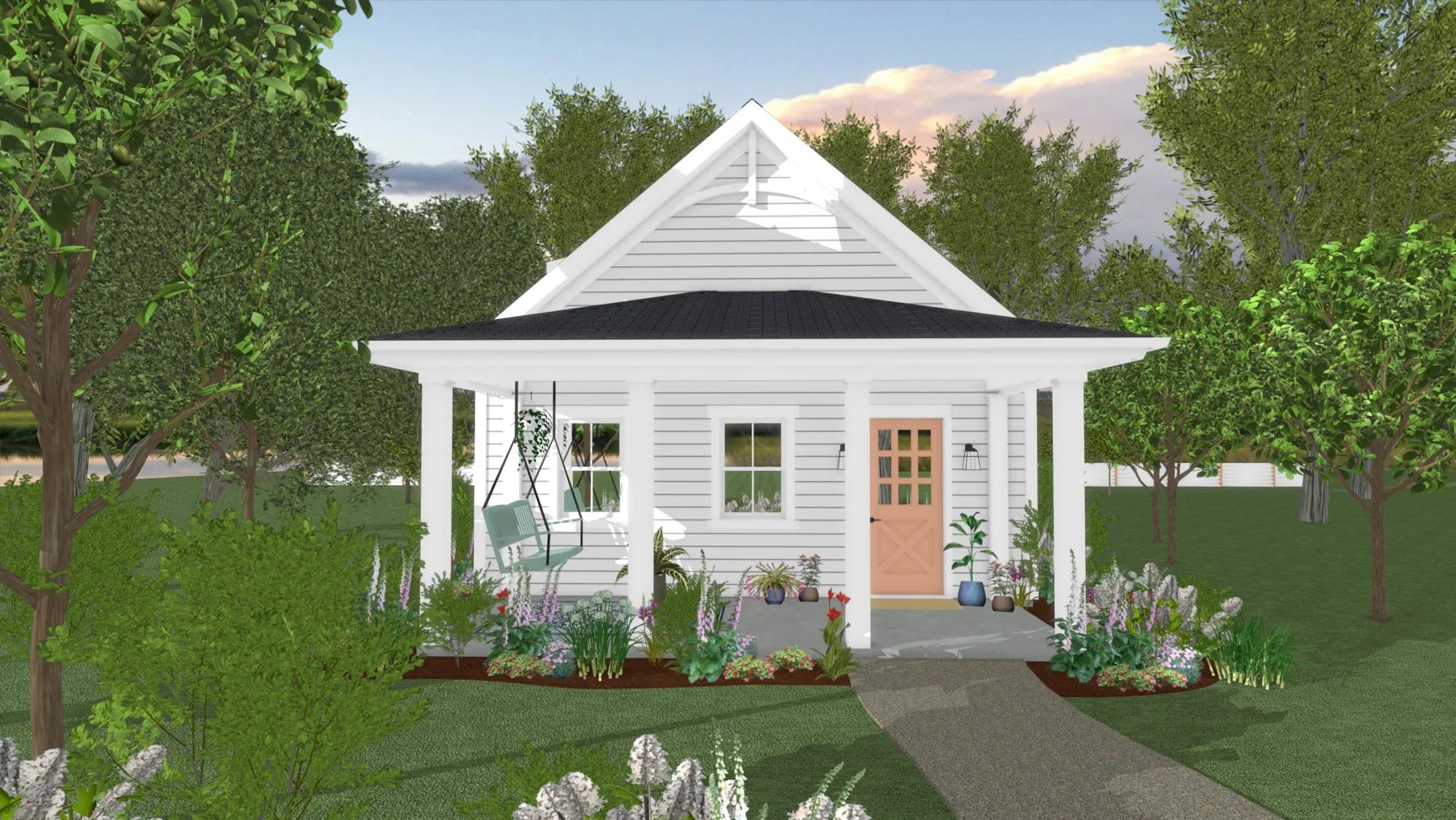
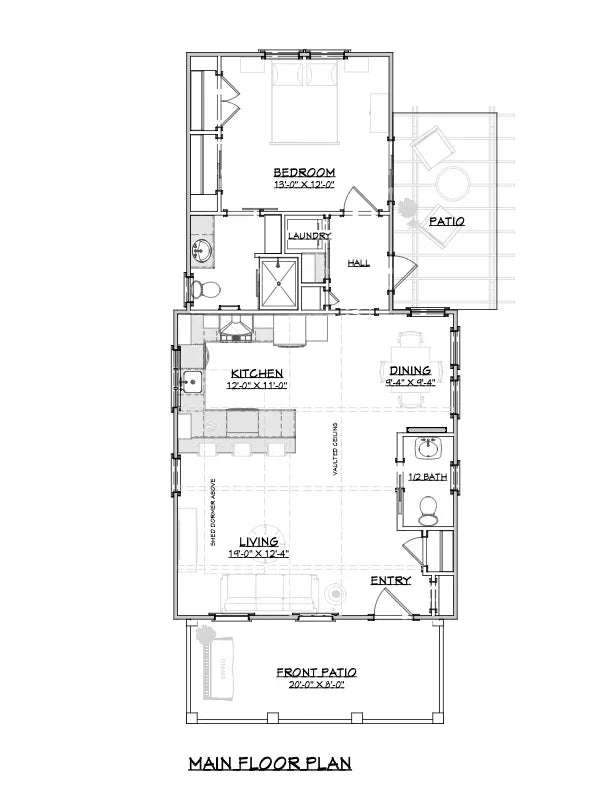
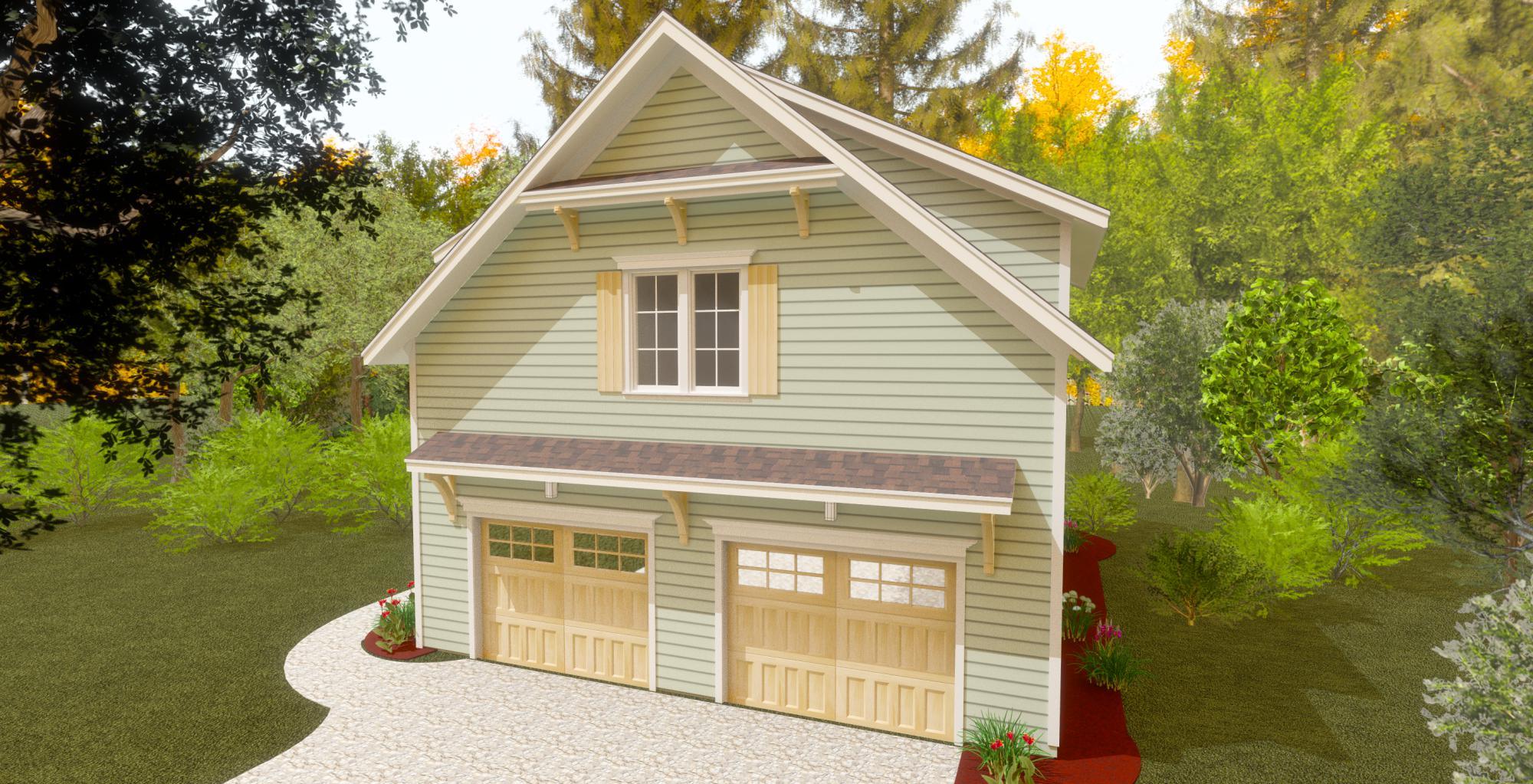
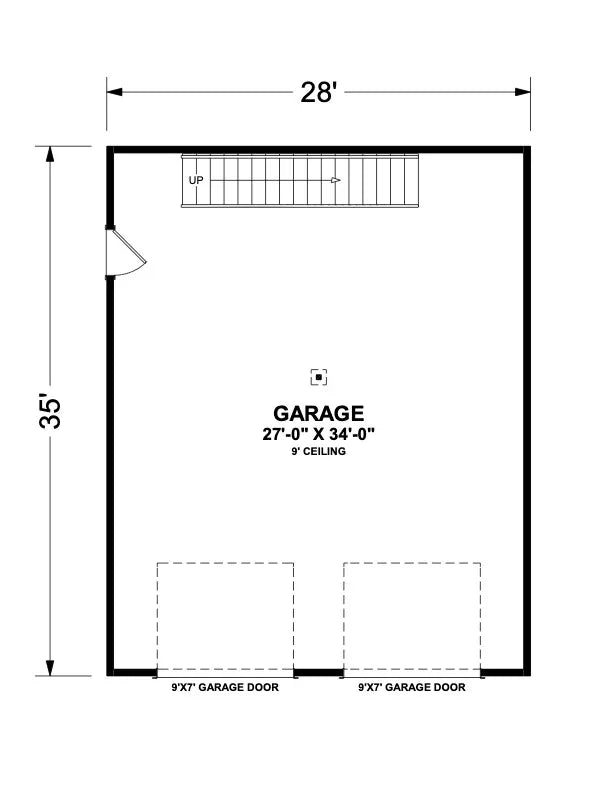
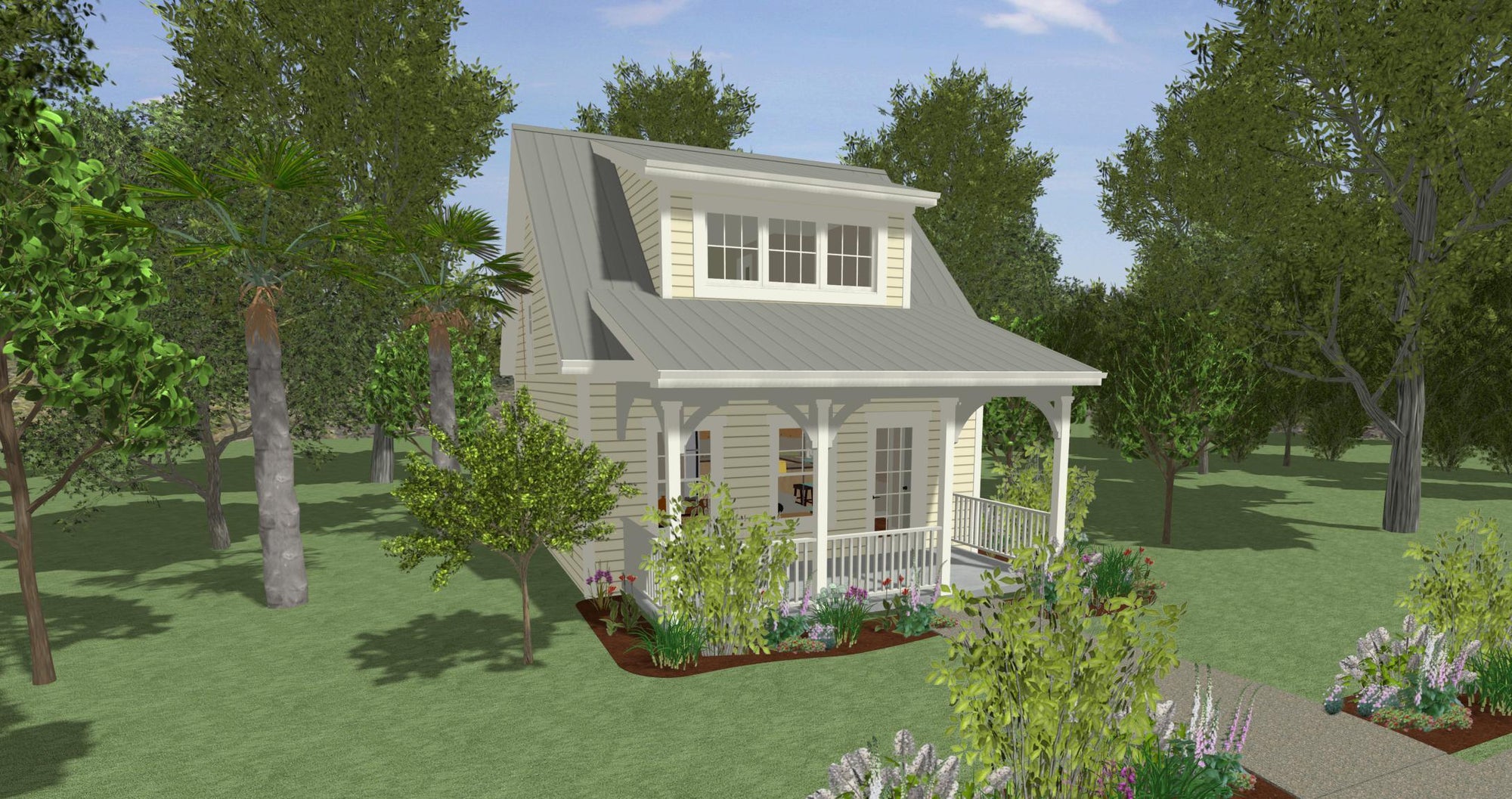
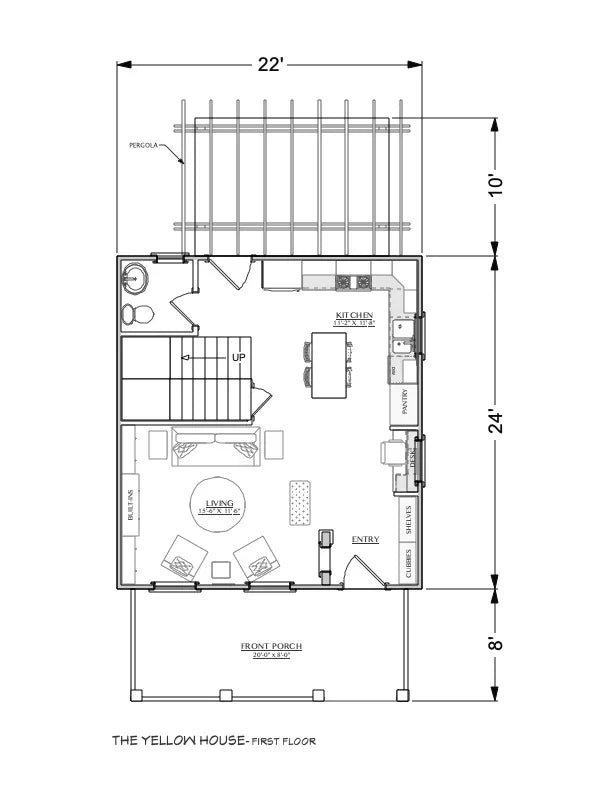
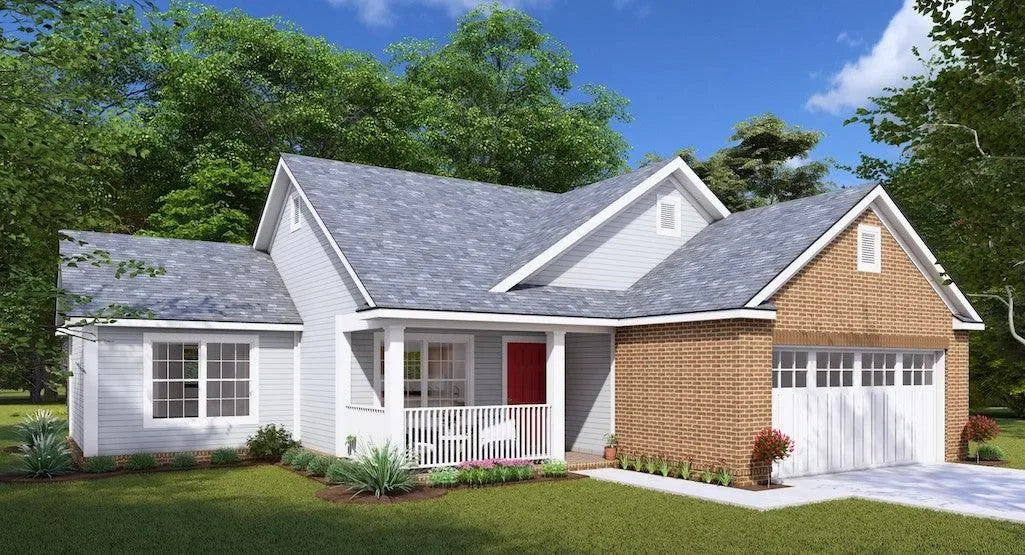
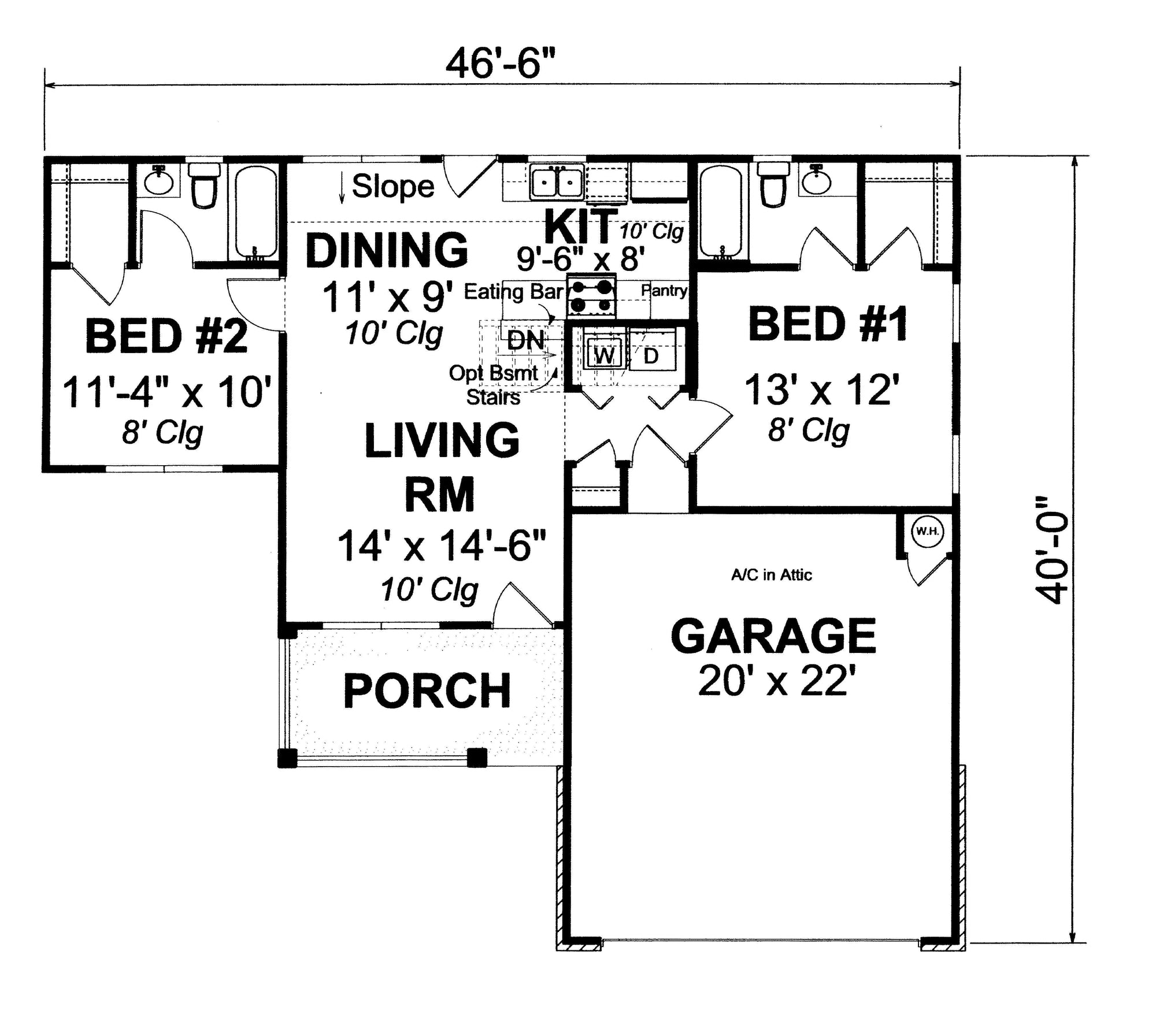
Our house plans collection features diverse 800 sq ft designs that maximize every square foot of living space. Youβll discover ranch-style floor plans perfect for single-level living, cozy cabin designs ideal for vacation home getaways, and modern open-concept layouts that create seamless flow between rooms. We offer foundation plan options including basement configurations for additional storage, crawlspace designs for moderate climates, and slab foundations for budget-conscious builds. Our 800 sq ft house plans range from compact 1-bedroom, 1-bath designs perfect for individuals or couples, to efficient 2-bedroom, 2-bath layouts accommodating small families. Many designs feature covered porch areas that extend your living space outdoors, while select plans include garage options for vehicle protection and extra storage. Whether youβre interested in traditional Craftsman details, contemporary clean lines, or rustic farmhouse charm, our expert support team can help you filter through designs to find the perfect match for your narrow lot or standard dimensions.
Selecting the right floor plan depends on your household size and daily living patterns. For couples or individuals, a 1-bedroom, 1-bath design with open living room and kitchen areas maximizes space efficiency while maintaining comfort. Growing families should consider 2-bedroom configurations where the master suite provides privacy while the second bedroom serves children or guests. Open-concept layouts work exceptionally well in 800 sq ft homes, as removing walls between kitchen, dining, and living areas creates the illusion of greater space and improves natural light flow. Single-story ranch designs offer accessibility advantages and eliminate stairs, making them ideal for aging in place or mobility considerations. Two-story plans, while less common in this size range, can work on narrow lot situations where vertical space compensates for limited ground coverage. Consider your lot orientation when choosing between L-shaped floor plans that work well on corner lots versus rectangular designs suited for standard residential lots. Think about future needs - will you need home office space, or do you plan to use this as a vacation home where entertainment areas take priority over bedroom count?
Essential design features in 800 sq ft house plans focus on maximizing functionality without compromising comfort. The kitchen should incorporate efficient layouts like galley or L-shaped designs that provide ample counter space and storage within compact dimensions. Built-in storage solutions throughout the house plan help eliminate clutter - consider designs with bedroom closets that extend to ceiling height, bathroom vanities with multiple drawers, and living room built-ins for entertainment equipment. Strategic window placement ensures natural light reaches all areas, making spaces feel larger and reducing dependence on artificial lighting during daylight hours. Exterior walls should accommodate proper insulation specifications to maintain energy efficiency in smaller spaces where heating and cooling systems work harder. Foundation plans must account for local building compliance requirements and soil conditions - basement options add valuable storage and utility space, while crawlspace foundations provide access to plumbing and electrical systems. Consider porch or deck integration as essential outdoor living extensions that donβt count toward interior sq ft but significantly enhance livability. HVAC planning requires careful consideration of ductwork routing and equipment sizing to avoid overwhelming the compact interior space.
Successful everyday living in 800 sq ft requires thoughtful space planning and multipurpose design strategies. Create flexible zones within open floor plans using furniture placement, area rugs, or partial dividers that maintain visual flow while defining distinct areas for sleeping, working, and relaxing. The living room can double as a home office by incorporating a compact desk area or built-in workspace along one wall. Kitchen islands or peninsulas provide additional prep space while serving as informal dining areas and homework stations. Maximize vertical storage throughout the house - install floor-to-ceiling shelving, use wall-mounted cabinets, and consider loft areas for seasonal storage. Designate specific storage areas for each family member to prevent clutter accumulation in common spaces. In homes with children, create privacy zones using room dividers, curtains, or sliding panels that can open up for family time and close for individual activities. Choose furniture pieces that serve multiple functions - ottoman storage, dining tables with drawers, and beds with built-in storage underneath. Establish clear traffic flow patterns to prevent the space from feeling cramped, ensuring adequate clearance around furniture and between rooms.
Customizing 800 sq ft designs for specific purposes unlocks their full potential across various use cases. For vacation home applications, prioritize entertainment areas with open floor plans that accommodate gatherings, and consider adding a screened porch or deck that effectively doubles your usable space during pleasant weather. Accessibility modifications for aging in place include wider doorways, barrier-free shower entries, and single-floor ranch layouts that eliminate stairs entirely. When designing for rental property use, focus on low-maintenance materials, durable flooring throughout, and neutral finishes that appeal to diverse tenants while standing up to regular turnover. Multi-generational living arrangements benefit from strategic placement of the master bedroom for privacy, soundproofing considerations between spaces, and flexible areas that can serve as temporary sleeping quarters for extended family visits. Home office integration requires dedicated workspace zones with proper electrical planning for technology needs, built-in storage for business materials, and noise control features if work calls are frequent. Hobby room incorporation might involve reinforcing floors for heavy equipment, adding specialized lighting, or including garage access for messy projects. Consider climate-specific adaptations - homes in seasonal areas might benefit from enhanced insulation and smaller heating zones, while warm-climate designs can emphasize indoor-outdoor living with larger window expanses and covered outdoor areas that extend the functional living space beyond the 800 sq ft foundation footprint.
41 house plans
Free
Direct