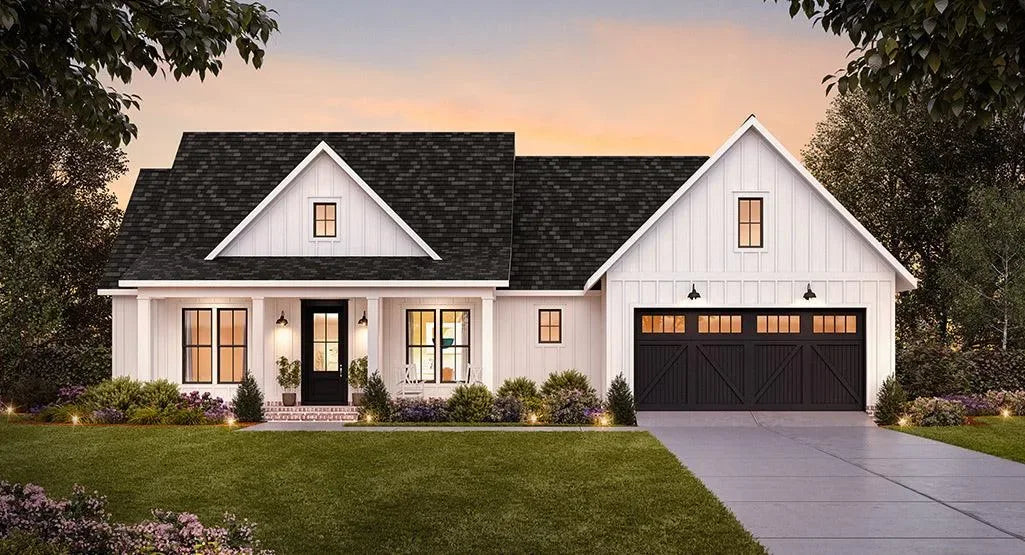
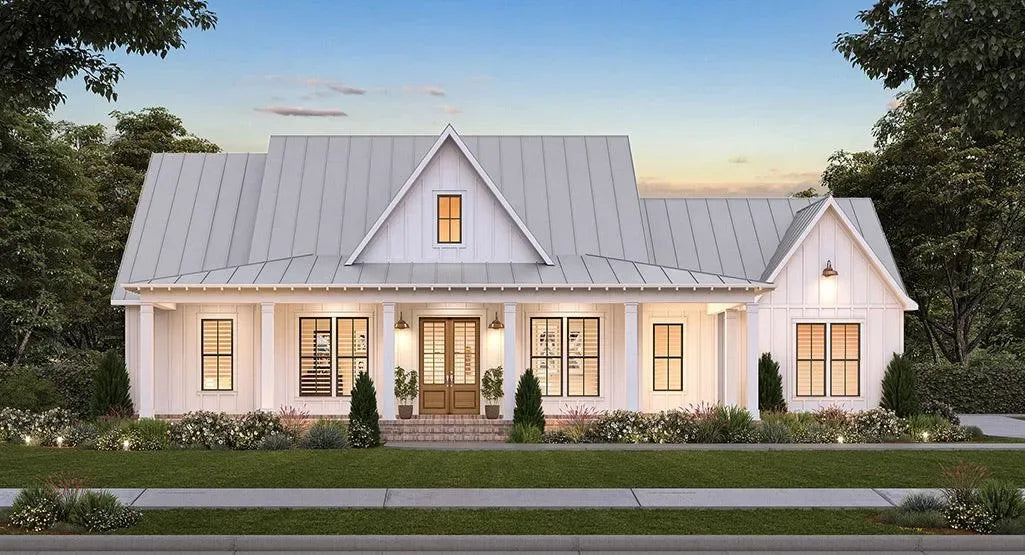
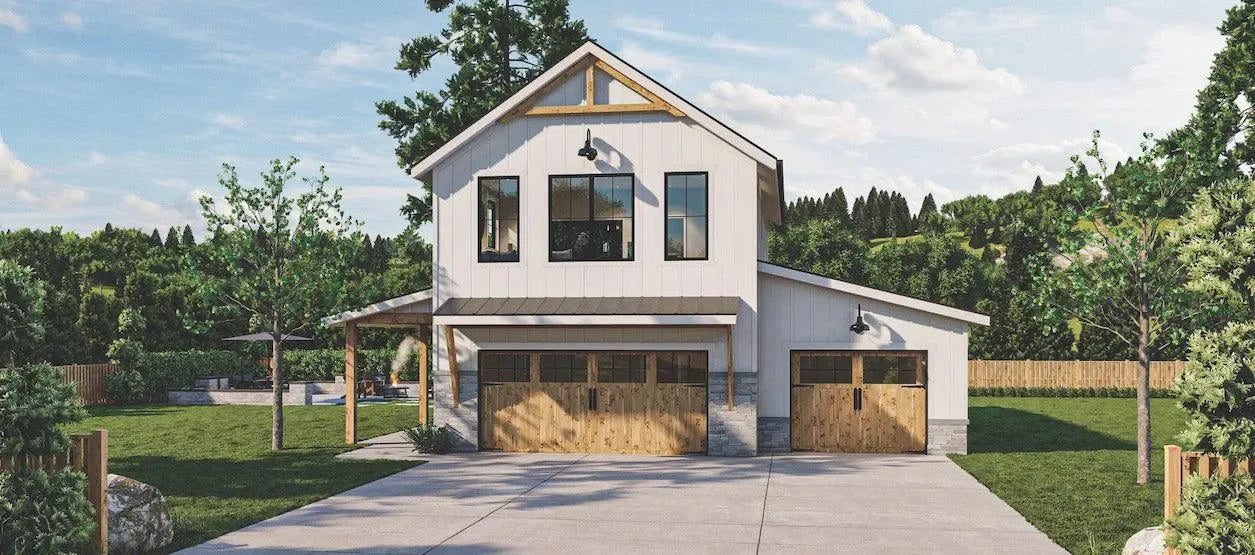
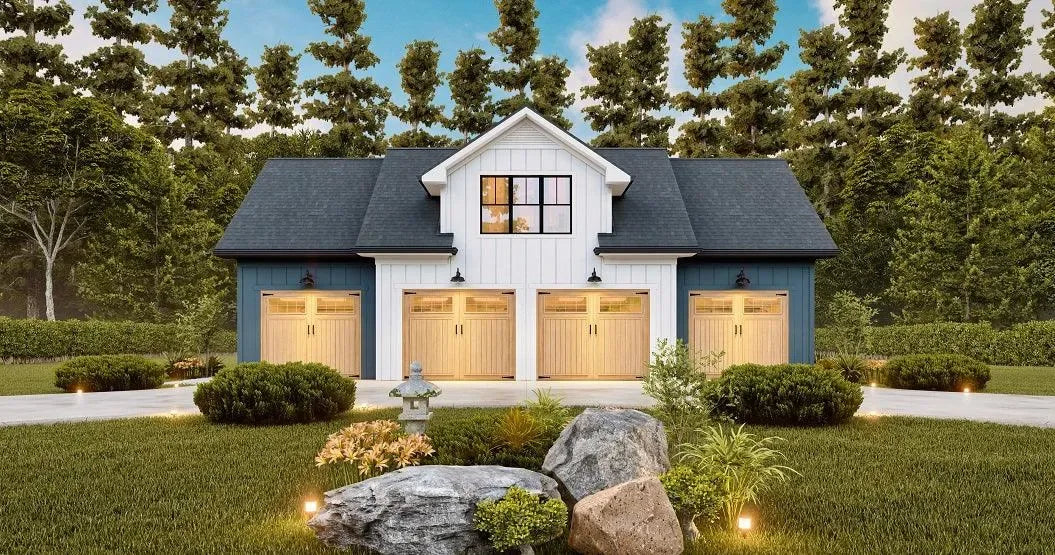
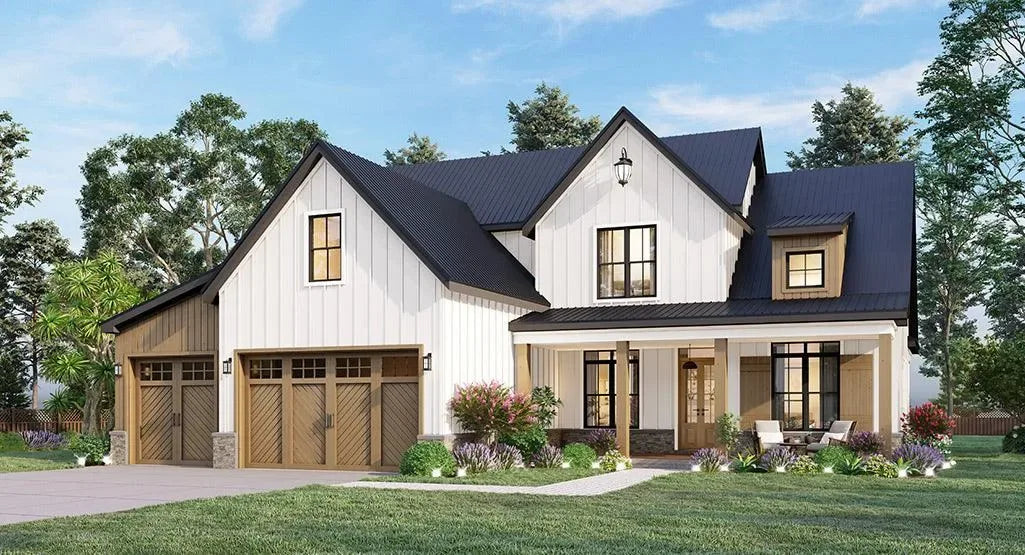
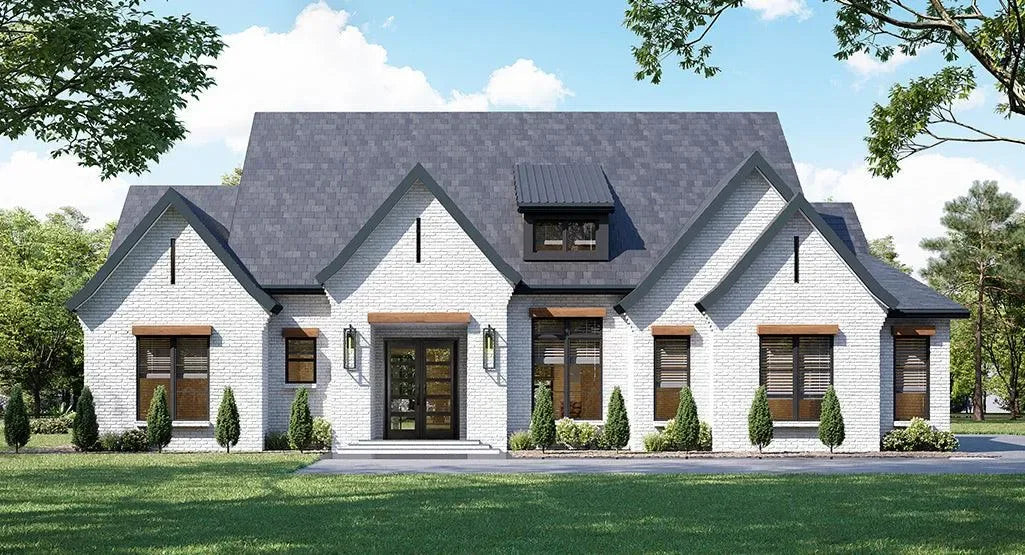
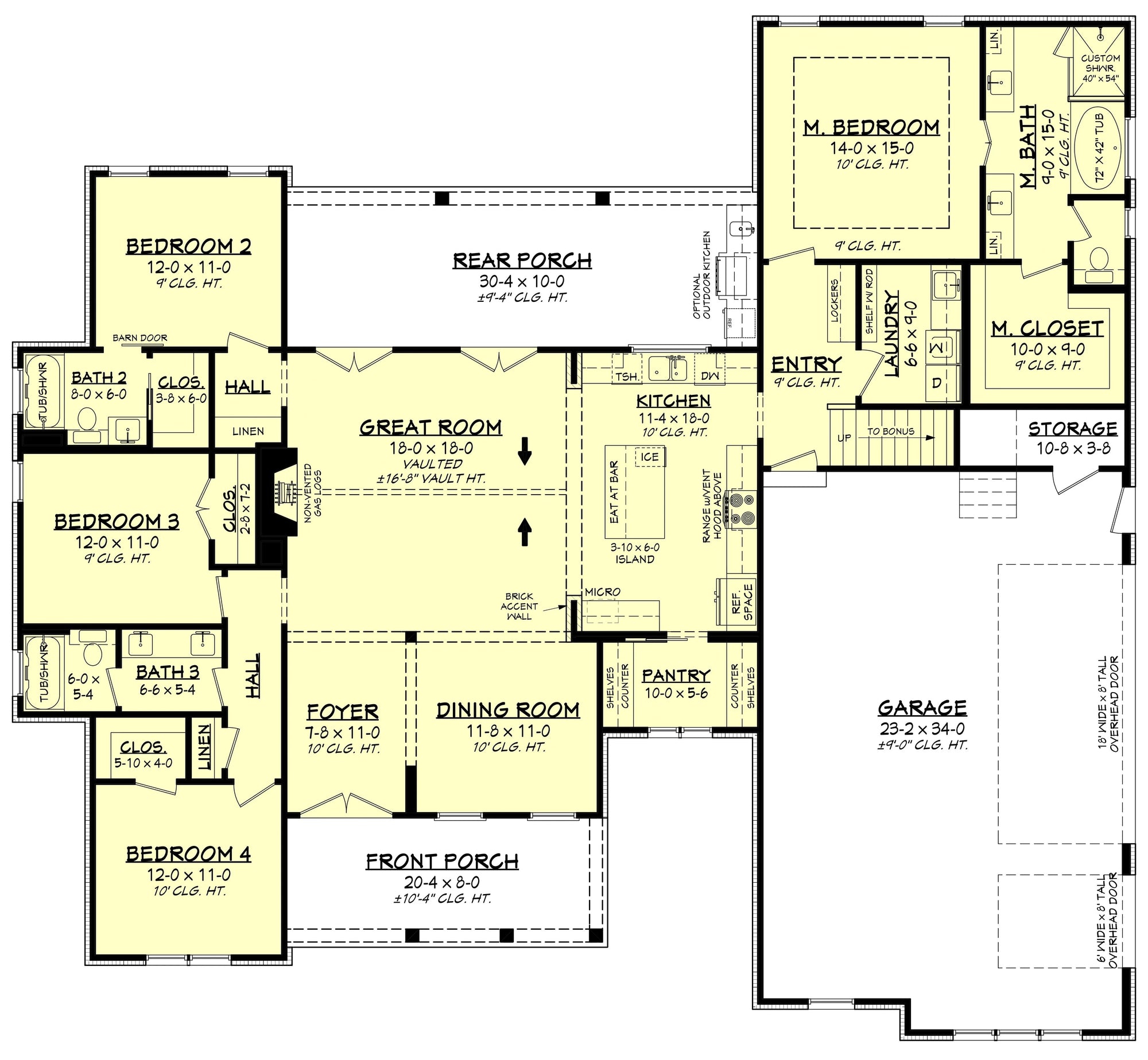
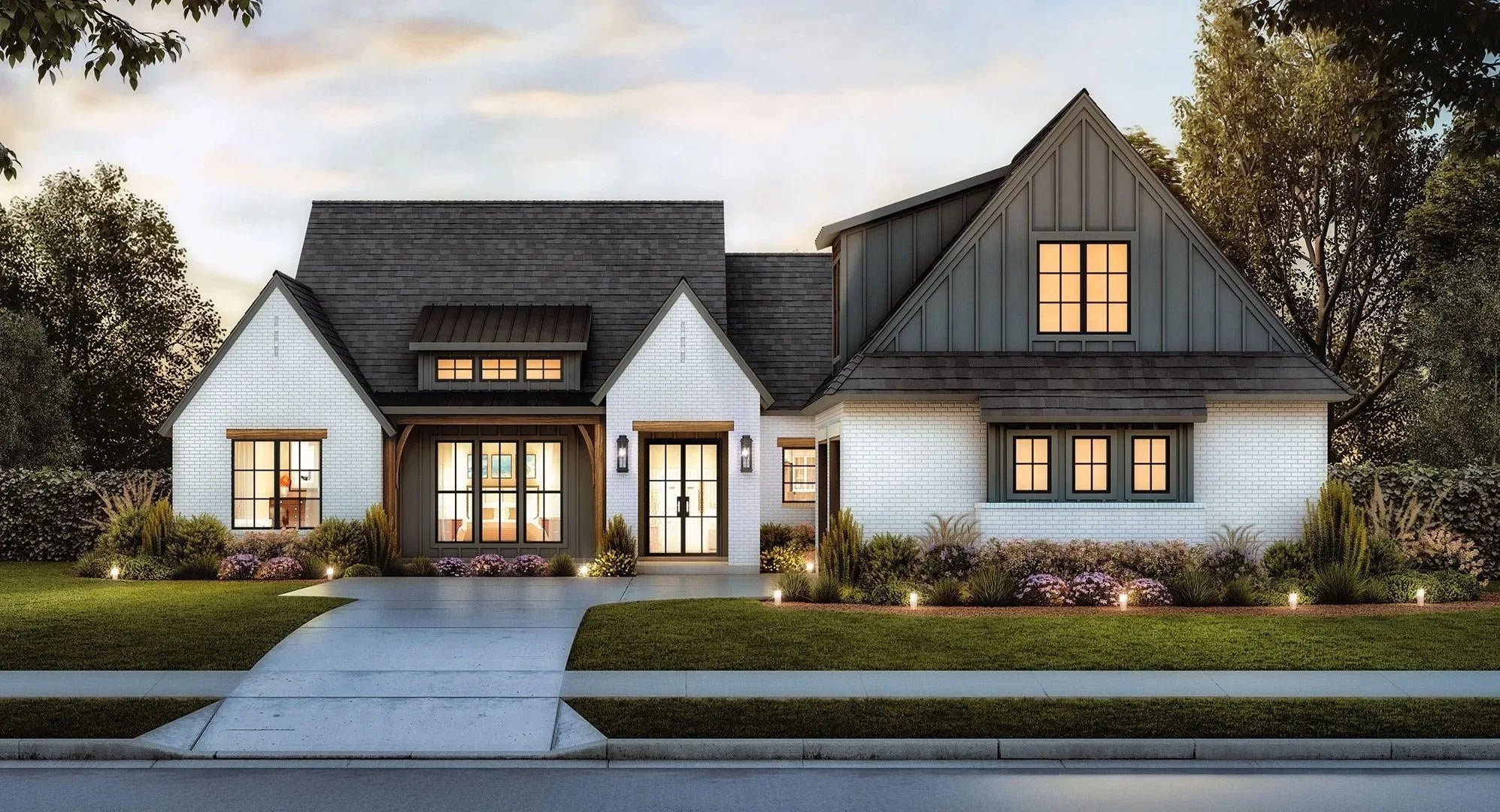
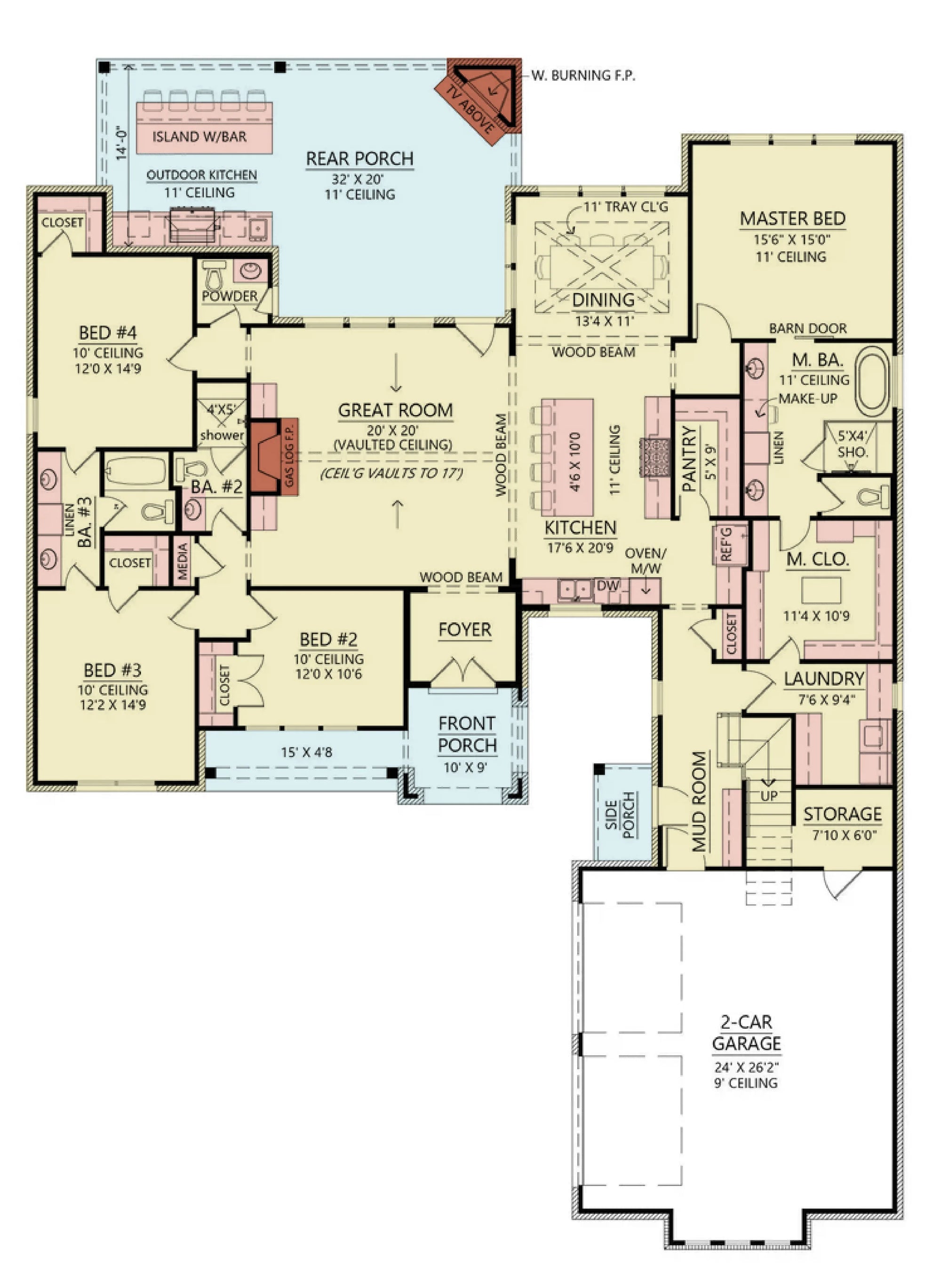
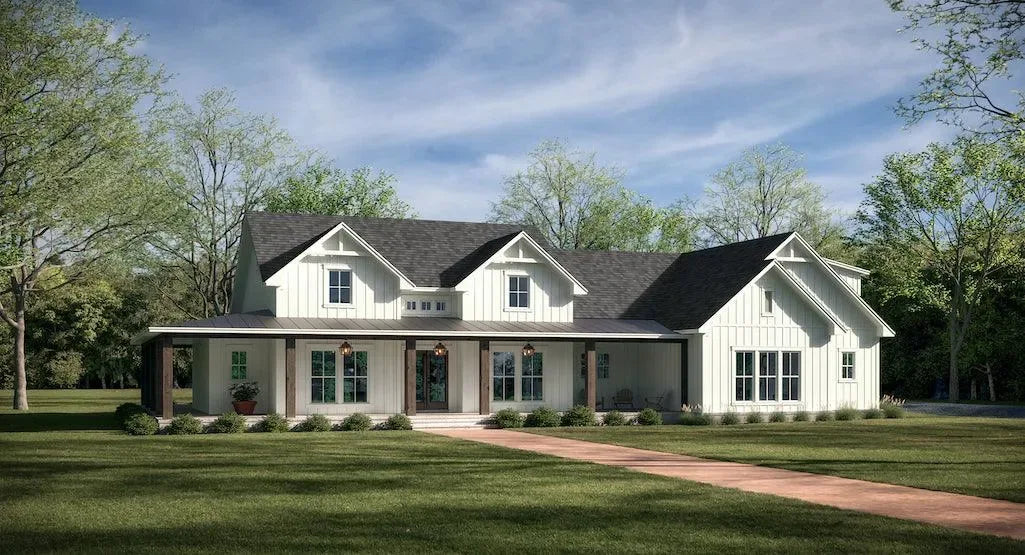
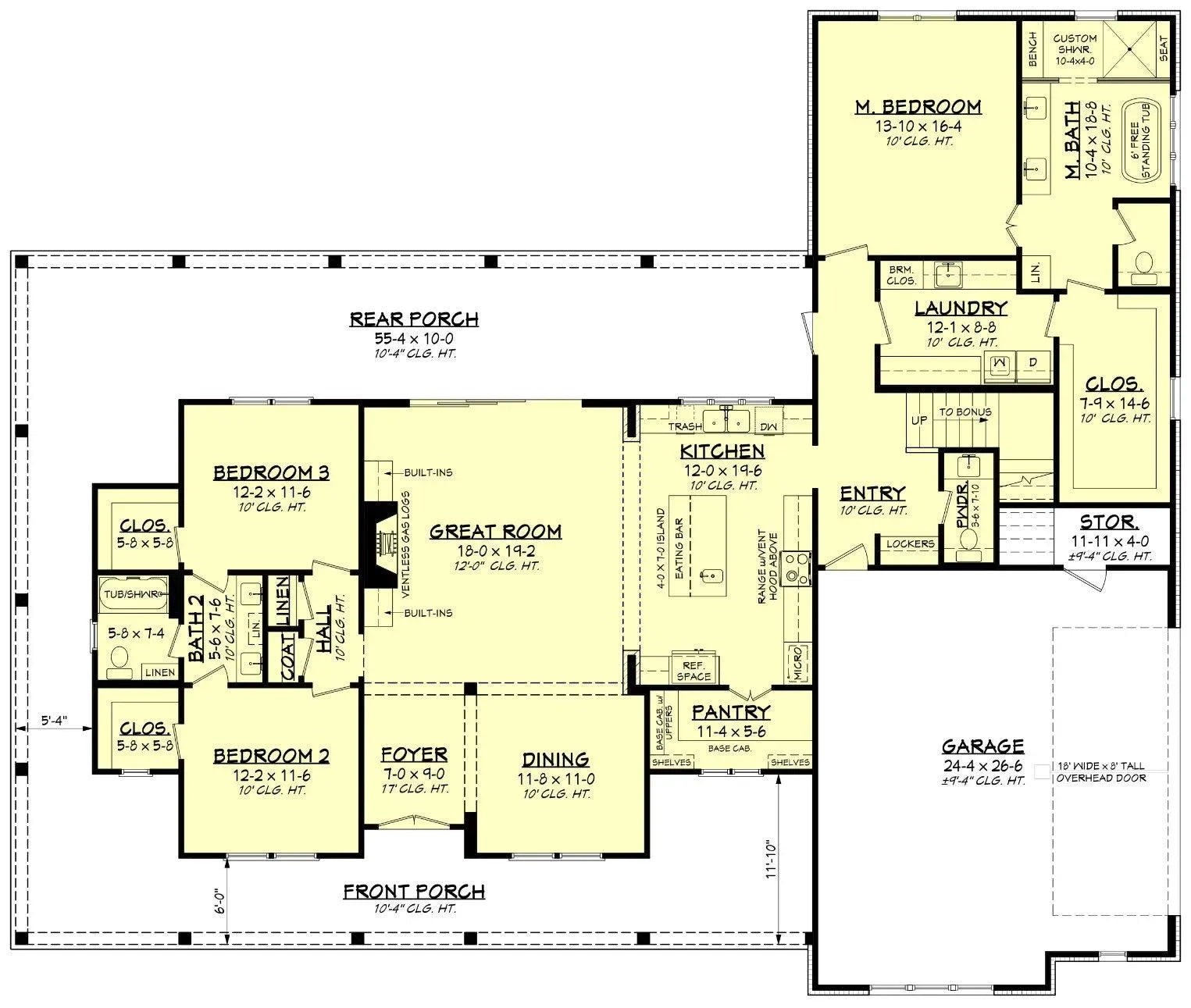
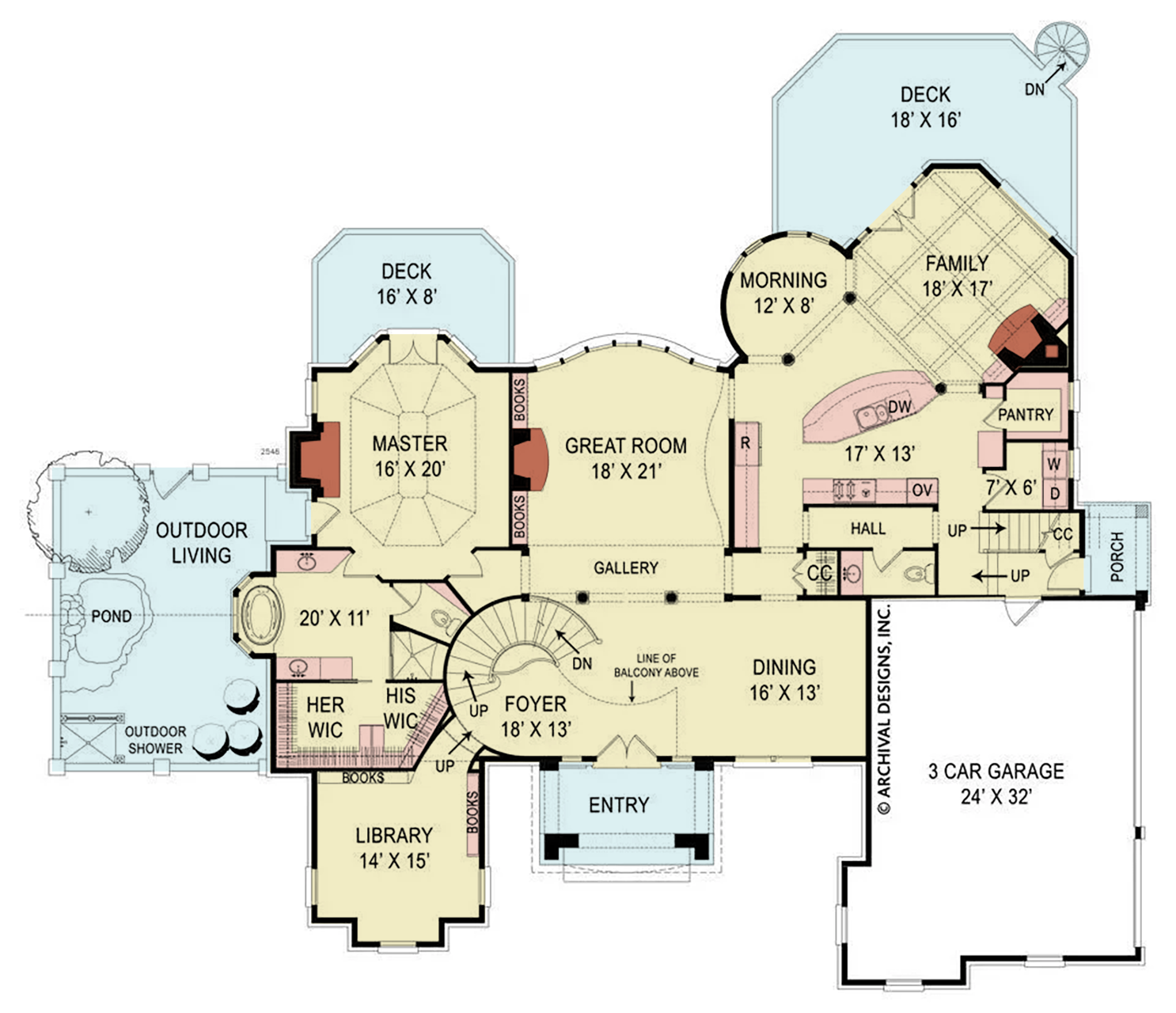
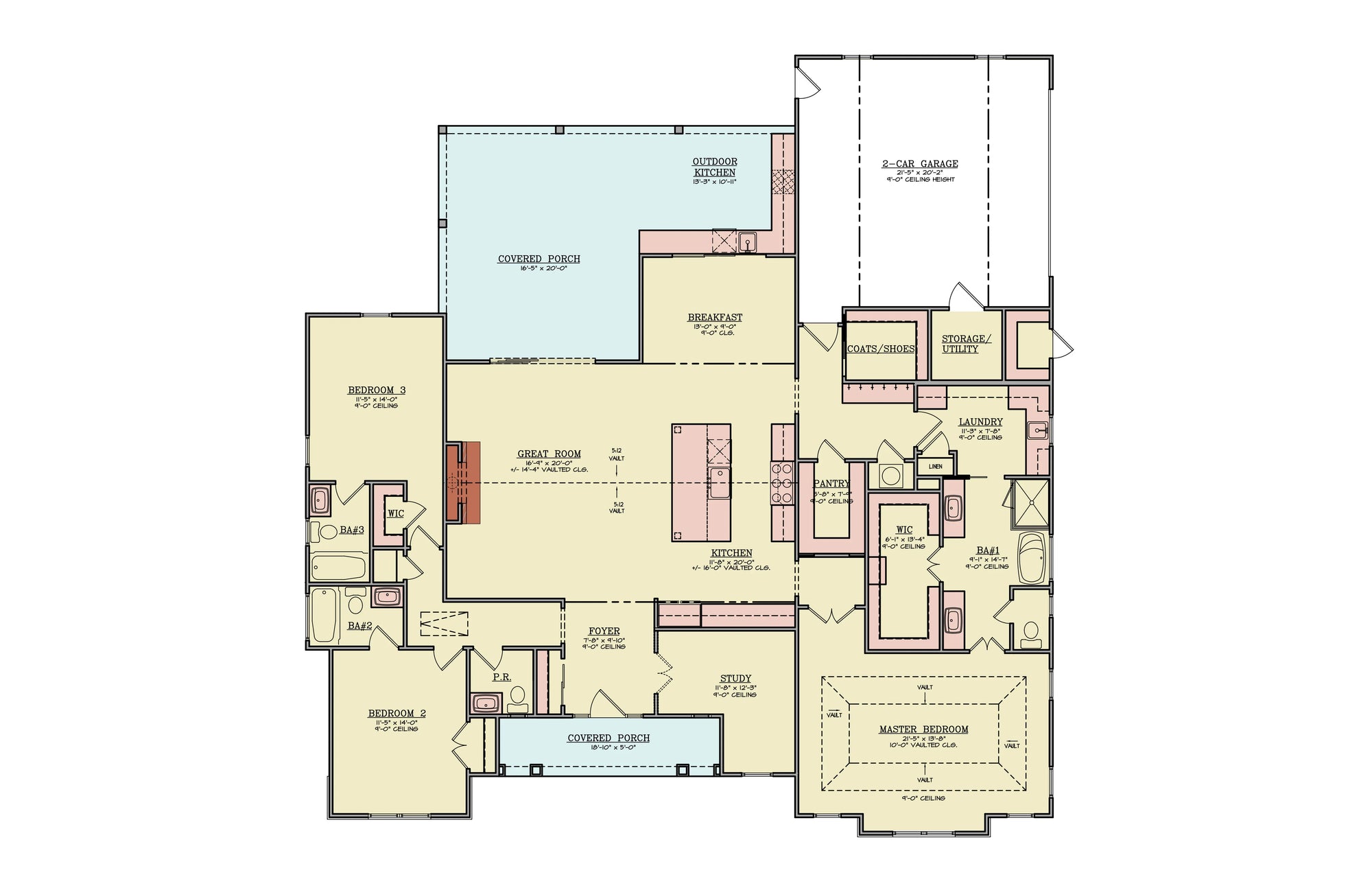
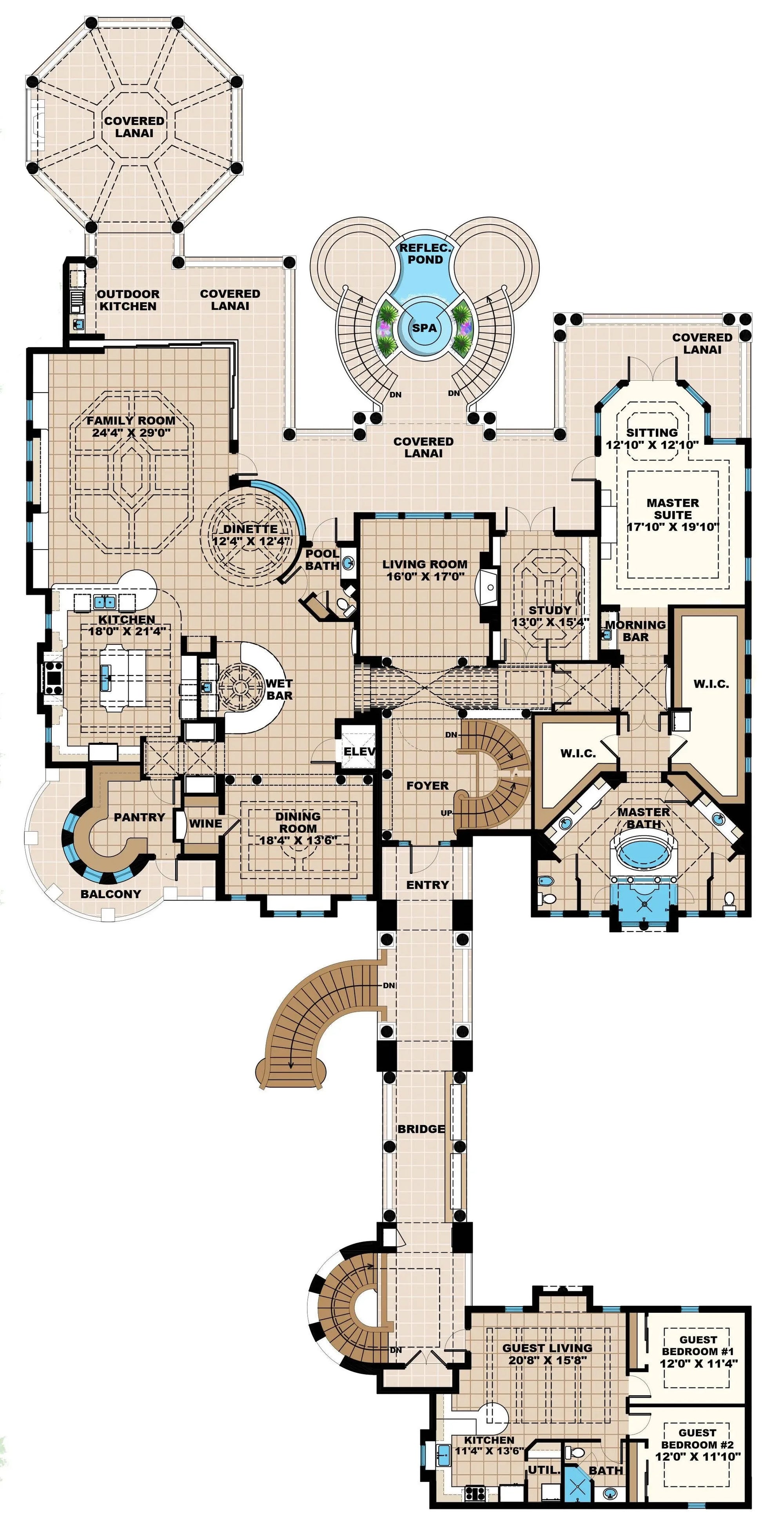
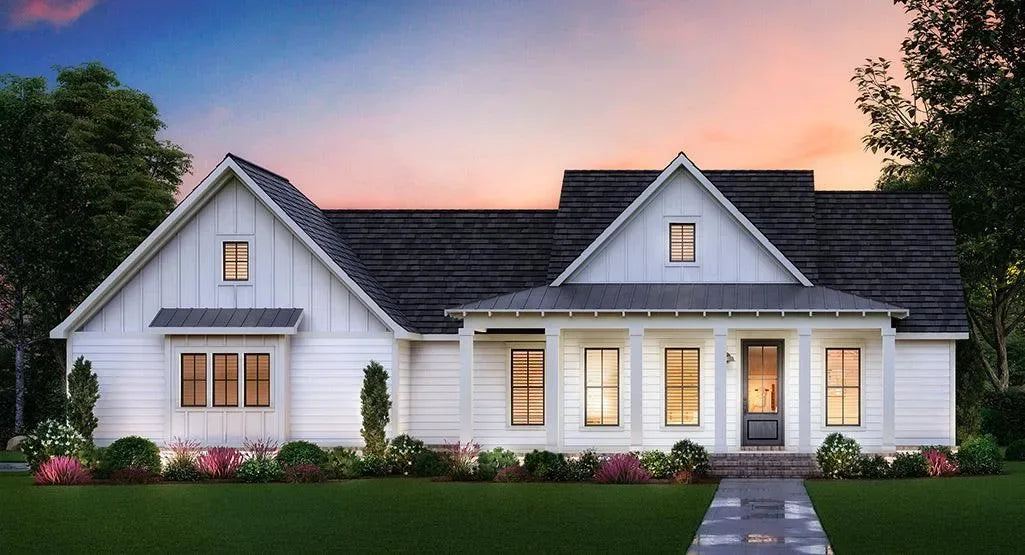
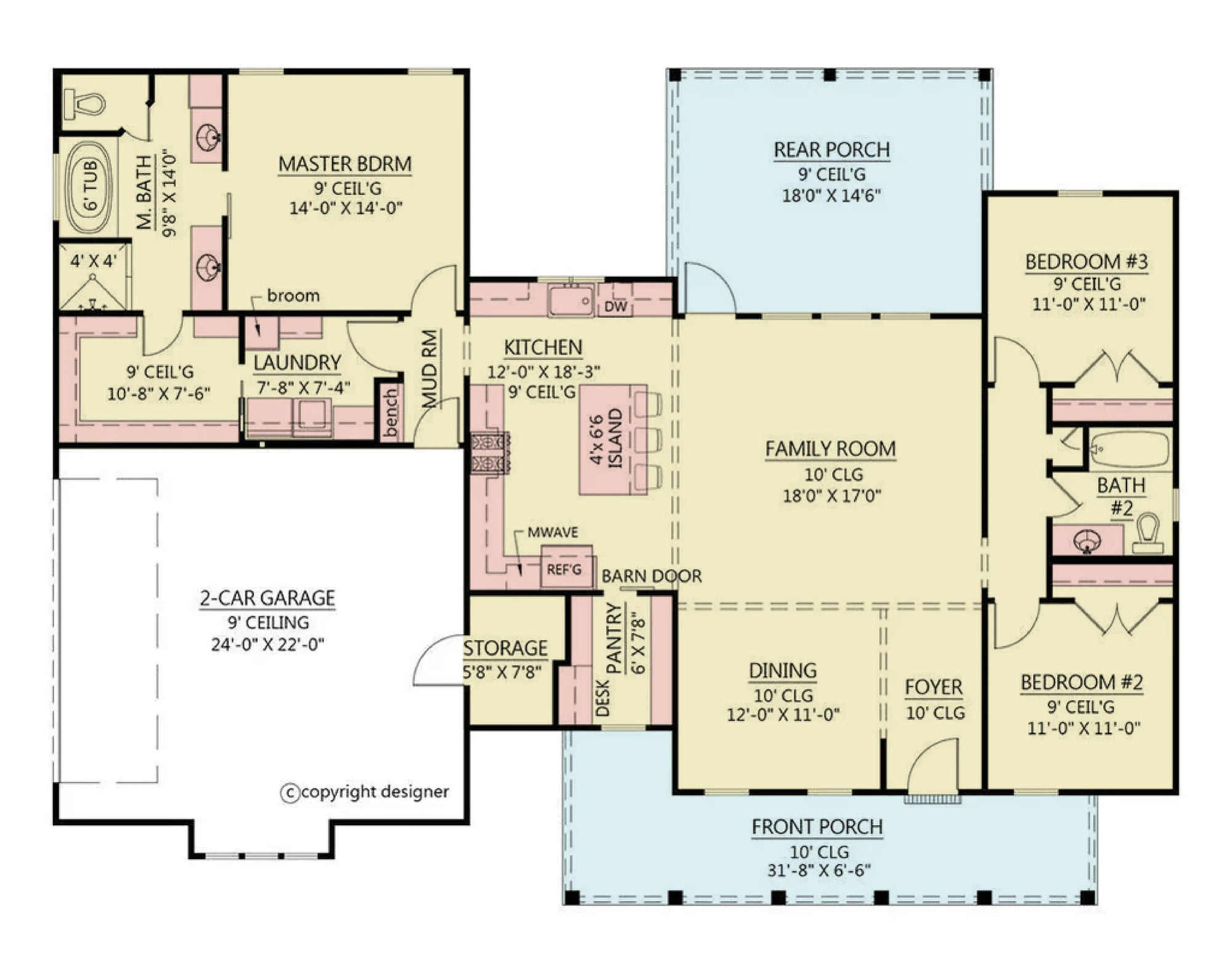
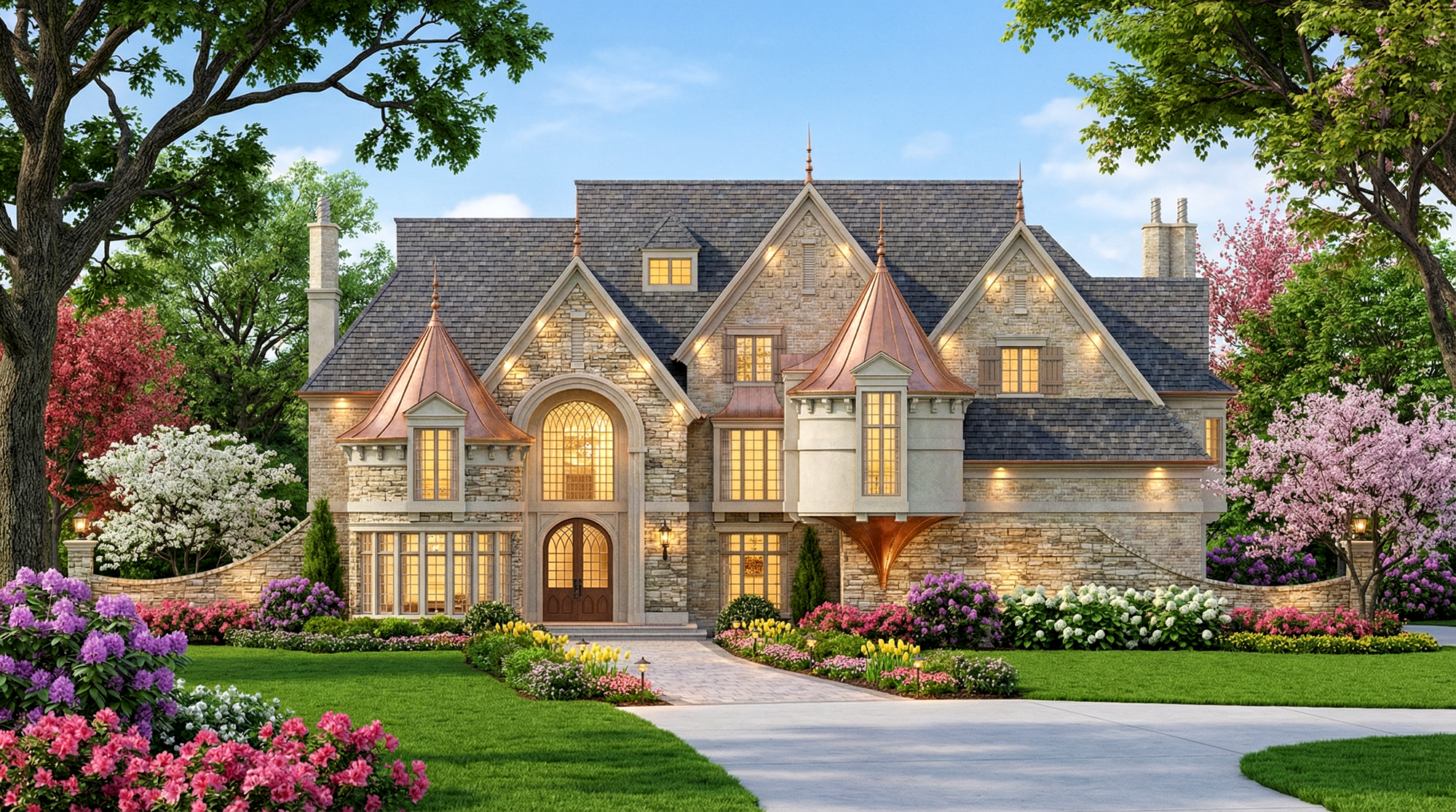
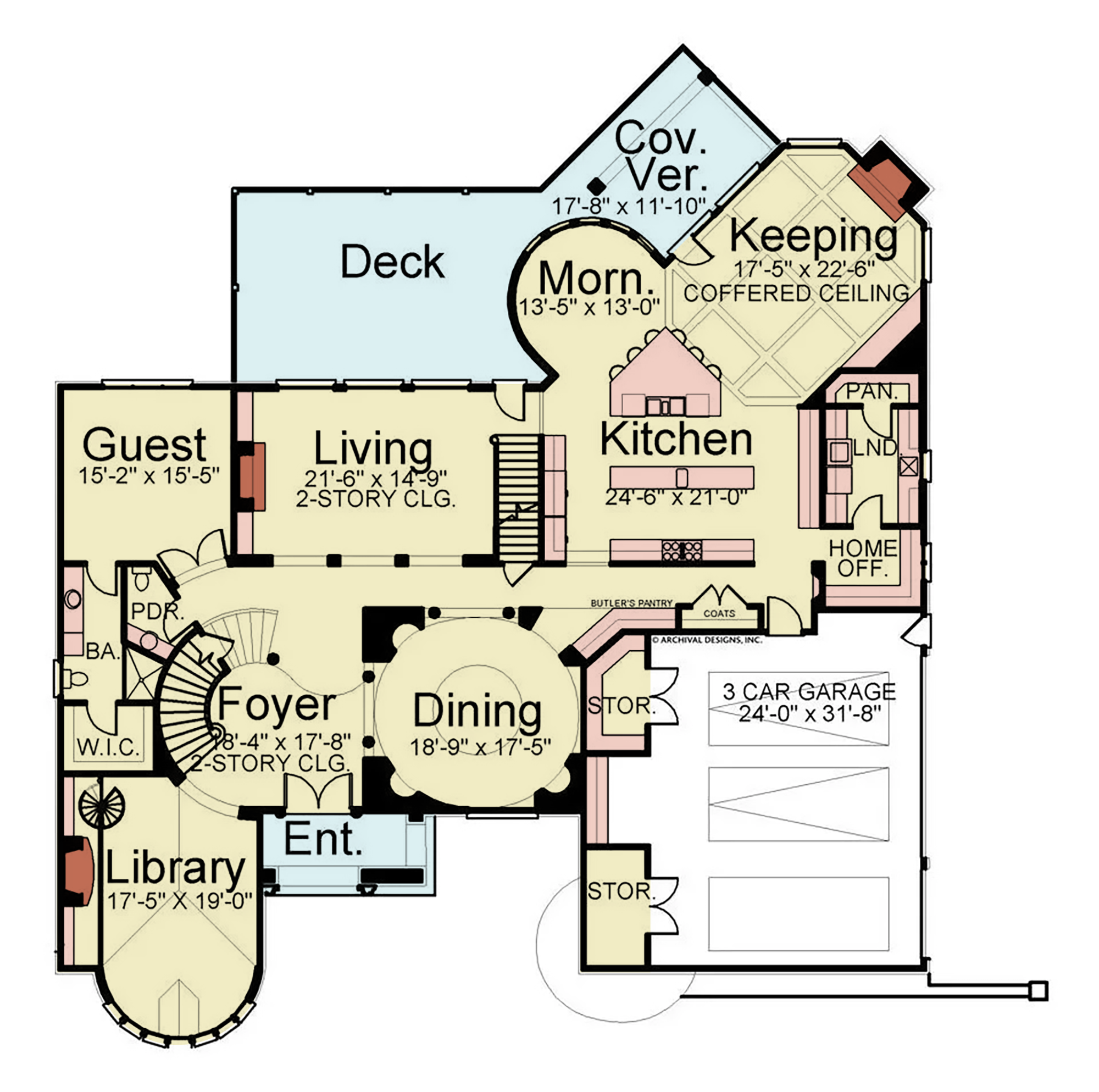
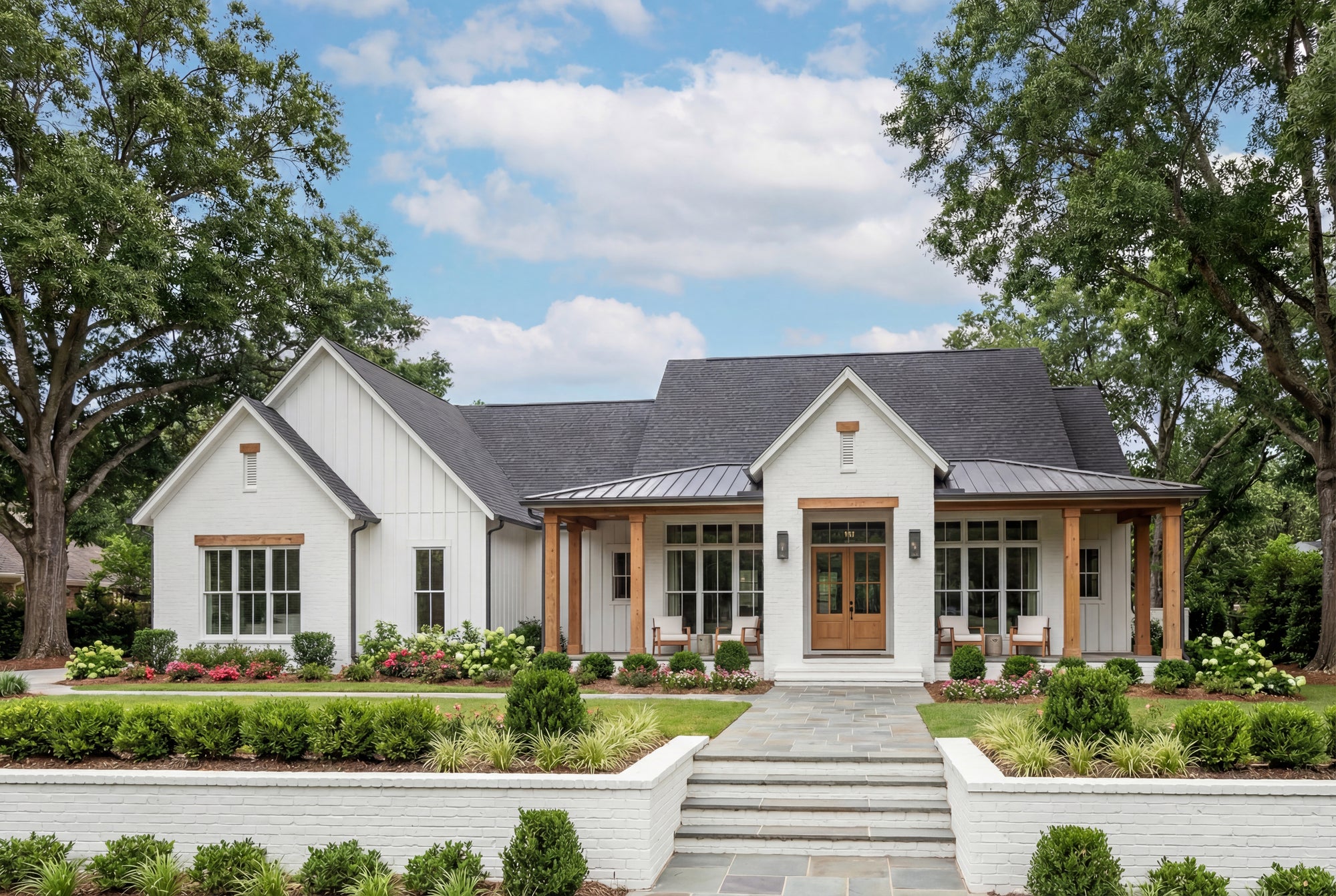
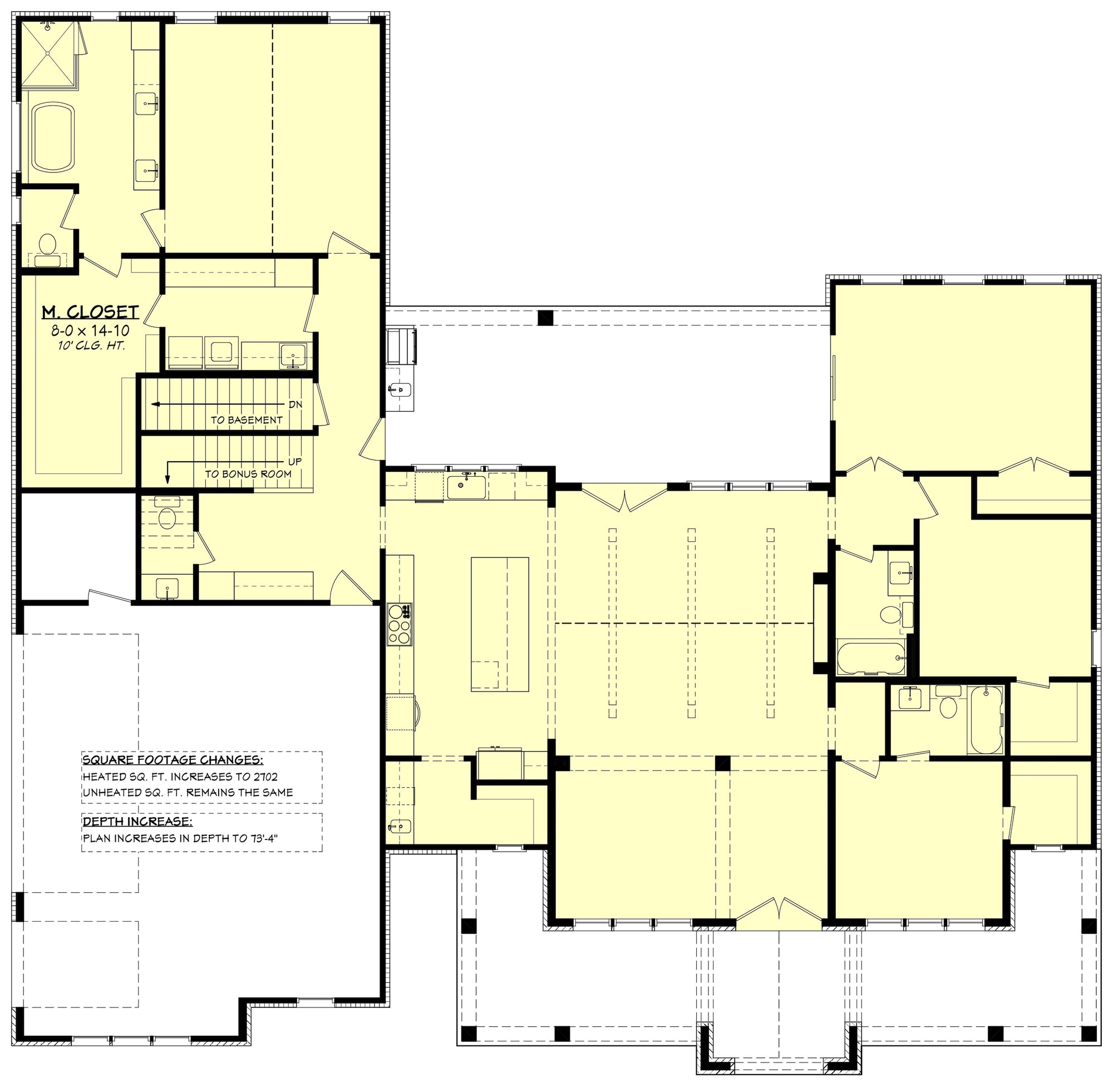
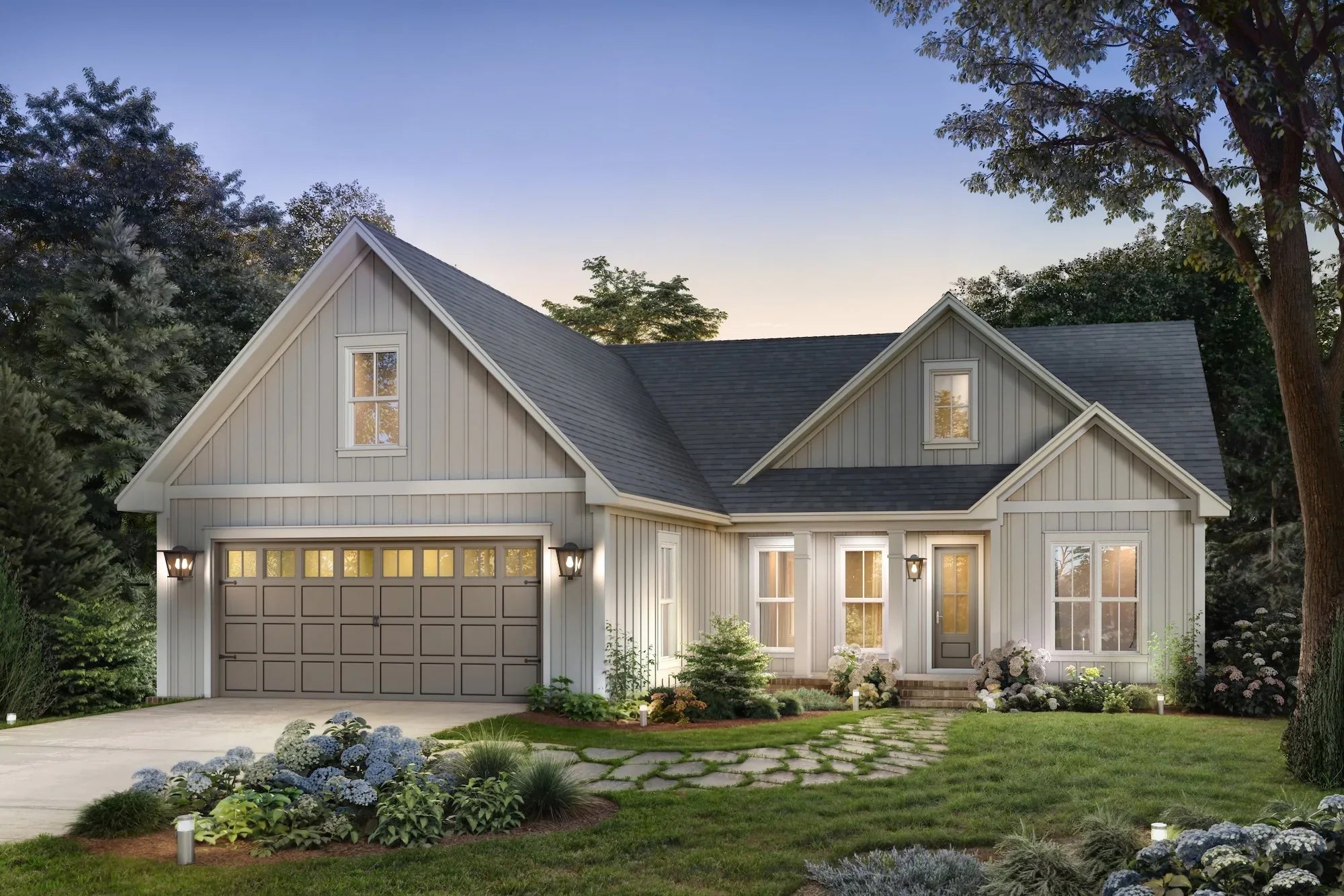
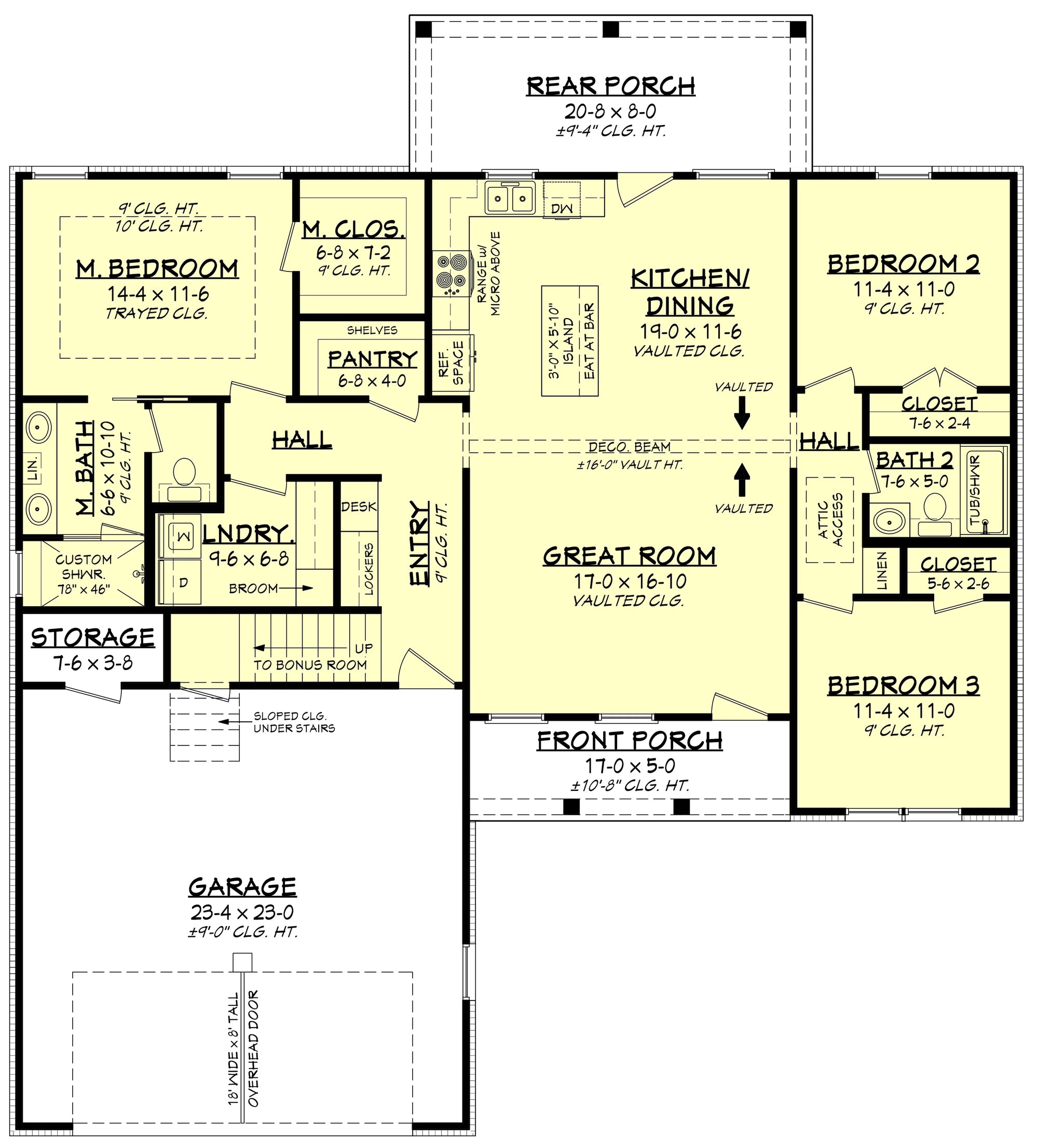
The right house plan eliminates clutter before it starts. When storage space is designed into the floor plan from the beginning, every belonging has a designated place, and your main living spaces stay clean and functional. Modern home designs now allocate 15-25% of total floor area to storage—a significant increase that reflects how homeowners actually live.
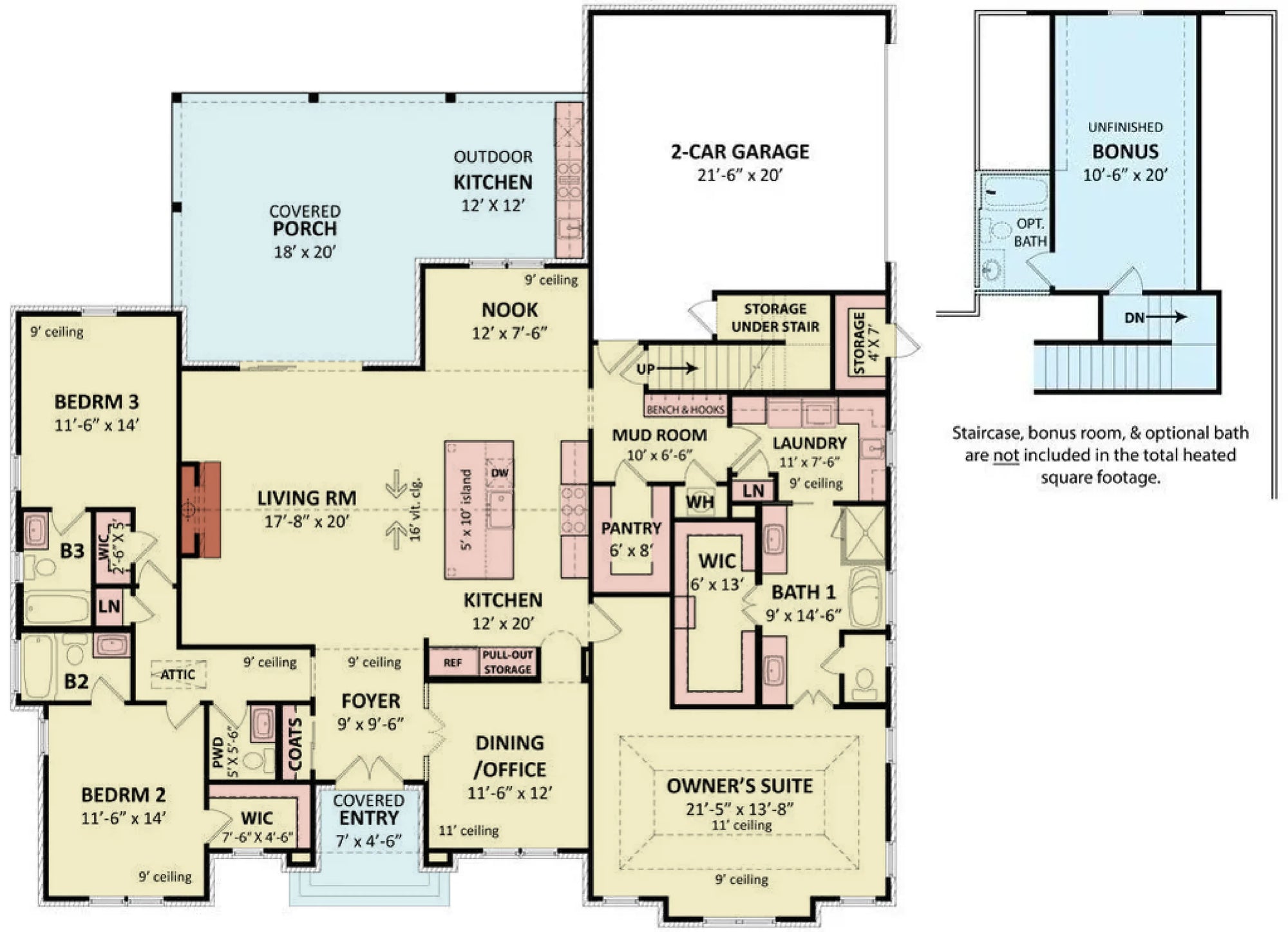
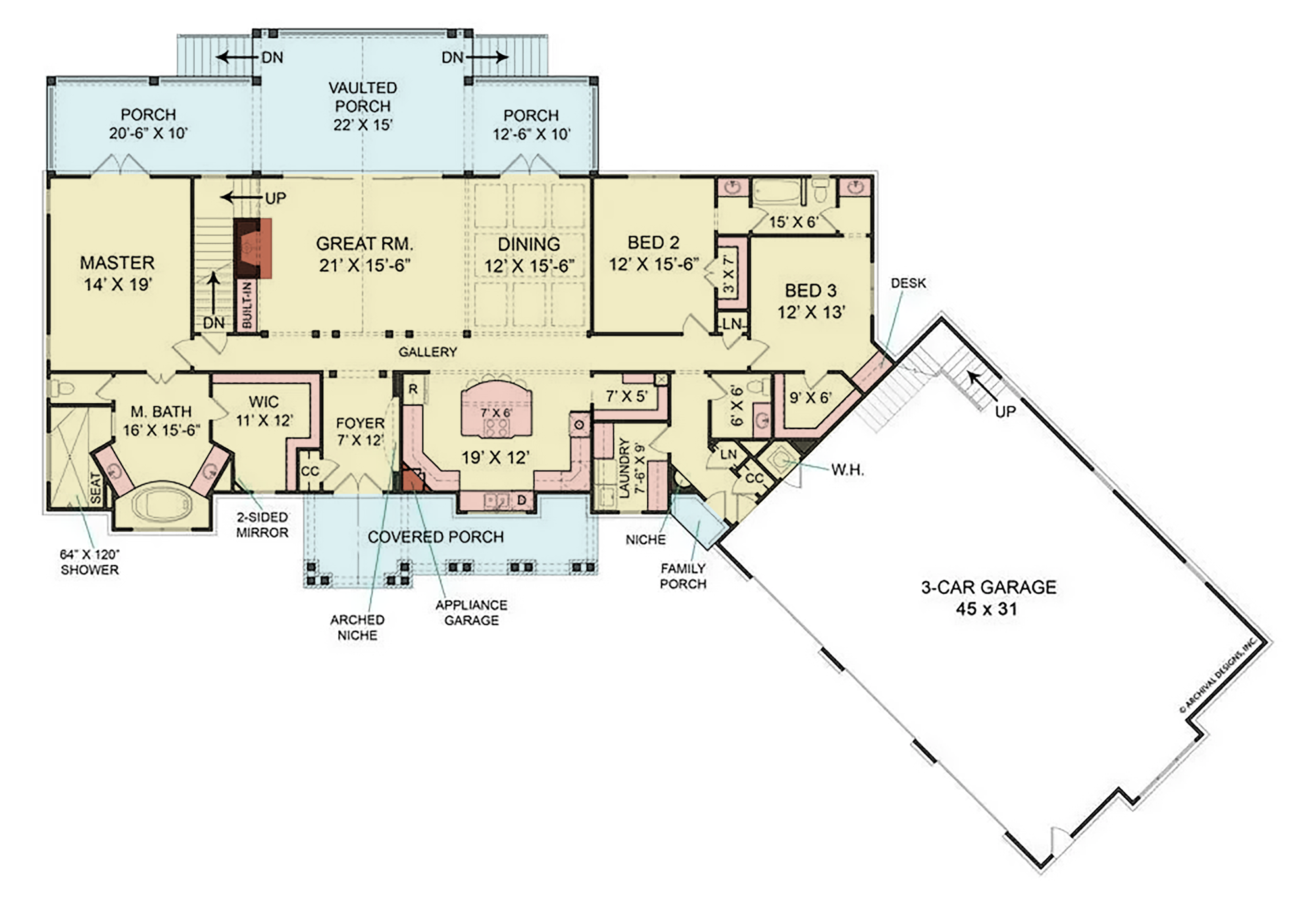
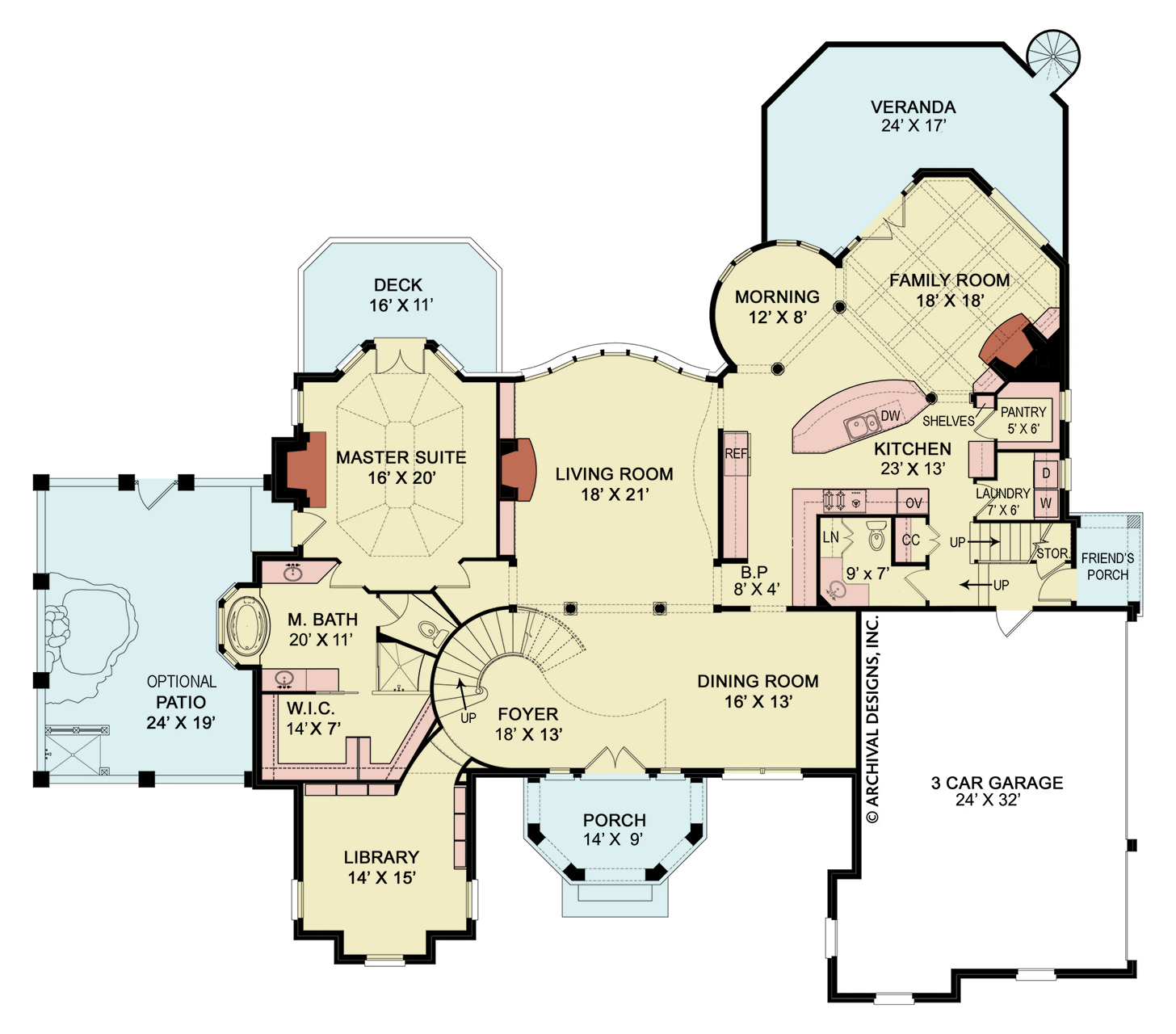
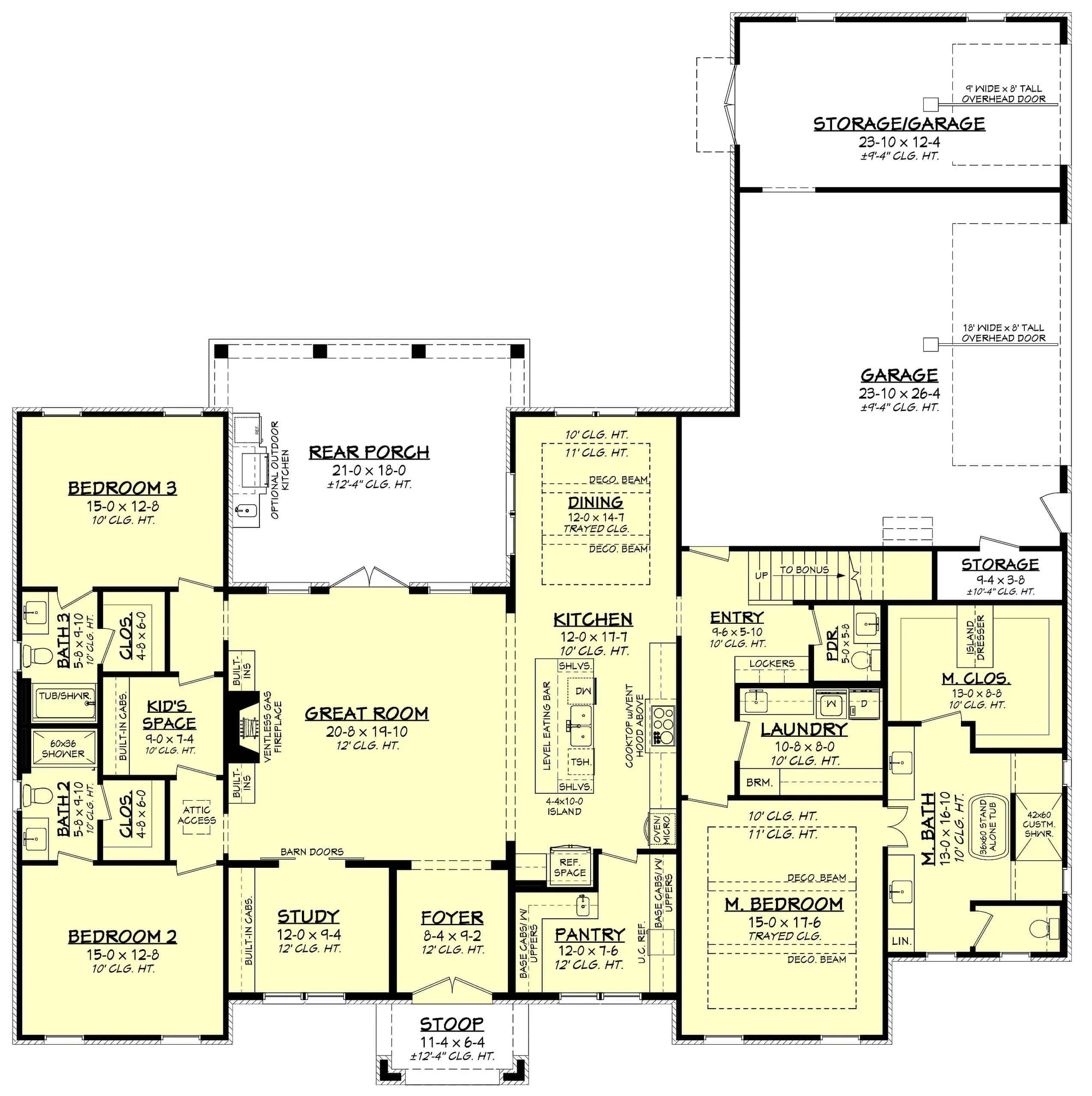
Well-designed storage solutions span every room: walk-in closets in the primary suite, large pantry configurations in the kitchen, mudroom organization near the garage entrance, and clever under-stair built-ins that turn wasted space into functional square footage. These features work together to create a home that adapts to your lifestyle without sacrificing beautiful design.
Discover house plans that prioritize both storage and style, giving your family room to grow, organize, and relax.
Storage Solutions for Every Area of Your Home
Different rooms demand different storage approaches. A spacious kitchen requires accessible cabinetry and pantry organization, while a bedroom needs closet systems that accommodate seasonal wardrobes. The best house plans address each area’s unique storage requirements with purpose-built solutions.
Kitchen and Pantry Storage
Walk-in pantries and butler’s pantries have become essential features in storage-rich home designs. Recent data shows 16% of kitchen renovations now include walk-in pantries, while 7% feature butler’s prep pantries that serve storage for small appliances (67% of installations), prep counters (61%), and enclosed cabinetry (59%).
Kitchen islands with built-in storage drawers and cabinets provide accessible organization right at the center of your cooking space. Custom cabinet configurations—including pull-out shelves, revolving corner trays, and specialty organizers—maximize every inch. About 94% of kitchen remodels now include these specialty storage features because they transform hard-to-reach corners into functional storage.
Bedroom and Closet Storage
Walk-in closets in the master suite deliver both functionality and value. A well-designed walk-in with built-in organizers, proper lighting, and smart layout typically recoups 50-60% of its cost at resale—translating to $4,000-$7,000 in added home value for custom installations.
Secondary bedroom closets and linen storage should be positioned centrally on each floor for easy access. Built-in closet systems with adjustable shelving, soft-close hardware, and proper depth (minimum 24” for reach-in, 30” preferred for walk-in) ensure your wardrobe stays organized and protected.
Under-bed storage and bedroom built-ins extend storage capacity without consuming floor space, perfect for seasonal items, extra bedding, and personal belongings.
Entryway and Mudroom Storage
The mudroom functions as your home’s first line of defense against daily clutter. Bench seating with cubbies underneath, hooks at multiple heights for coats and bags, and enclosed storage for shoes create an organized entrance that keeps mess contained near the door rather than spreading throughout the house.
Coat closets near the entrance remain essential in four-season climates, with ventilation and moisture-resistant materials protecting outerwear. Drop zones for keys, mail, and daily essentials reduce the frantic morning search and create calm transitions between outdoor living and indoor comfort.
Choose the Right Storage Plan for Your Family’s Needs
Storage requirements vary dramatically based on family size and lifestyle. Research indicates that 1-2 person households need approximately 15-20% of floor area devoted to storage, while families of five or more require 25-30%. The right house plan adapts to your specific stage of life.
For Small Families and Empty Nesters
Efficient storage solutions in compact floor plans maximize every square foot. Space saving house plans prioritize high-use storage zones—particularly kitchens and master closets—while incorporating modular systems that accommodate hobbies, seasonal decor, and travel gear.
Multi-purpose rooms that double as guest bedrooms and home offices with built-in shelving eliminate wasted space. Smart closet designs with adjustable components let you reconfigure storage as your needs evolve, whether you’re expanding a wine collection or organizing craft supplies.
For Growing Families
Flexible storage that adapts as children grow prevents costly renovations down the road. Toy storage and playroom organization solutions—including built-in cubbies, bench storage, and accessible shelving at kid-friendly heights—keep the great room functional for family life.
Entry and mudroom storage becomes critical with multiple children cycling through school supplies, sports equipment, and seasonal outerwear. Extra bedrooms with built-in storage accommodate guests while standing ready for future family expansion.
For Large Families
Multiple walk-in closets distributed throughout the floor plan ensure each family member has dedicated wardrobe space. Extensive linen storage on each level—rather than a single cramped closet—makes household management practical.
Large mudrooms near the garage entrance handle the volume of coats, backpacks, and shoes that accumulate with larger households. Bonus rooms upstairs and floored attic storage provide dedicated space for holiday decorations, bulk purchases, and items used seasonally.
For Multi-Generational Living
Separate storage areas for different generations respect privacy while maintaining household organization. In-law suite configurations include their own closet systems, drawers, and personal storage independent from main floor areas.
Accessible storage solutions for aging family members—lower shelving, reachable hardware, and well-lit interiors—ensure everyone can independently manage their belongings. Private storage zones within shared living arrangements create dignity and order.
Premium Storage Features That Add Long-Term Value
Quality storage features enhance daily living while contributing to home resale value. Built-in closets typically recoup about 50% of their installation cost, while premium walk-in configurations in luxury markets can add $4,000-$7,000 to sale price.
Walk-in Closets and Custom Built-ins
Master suite walk-in closets with center islands, custom organizers, and integrated lighting represent the highest-value closet investments. Neutral aesthetics and durable materials ensure broad appeal to future buyers while serving your family’s immediate needs.
Built-in storage benches and window seats throughout the home create multi-functional spaces that feel intentional rather than improvised. Custom shelving and cabinet systems—particularly in dining room areas, home offices, and living spaces—add sophistication while reducing visible clutter.
Basement and Attic Storage
Finished basement storage rooms and workshops expand usable square footage significantly. Climate-controlled storage protects sensitive belongings—photographs, electronics, and fine fabrics—from the humidity and temperature swings that damage items in unconditioned spaces.
Walk-up attic access with floored storage areas provides safe, accessible space for seasonal items and keepsakes. Proper insulation manages temperature while structural reinforcement ensures safe storage of heavier items.
Three-Car Garages and Workshop Space
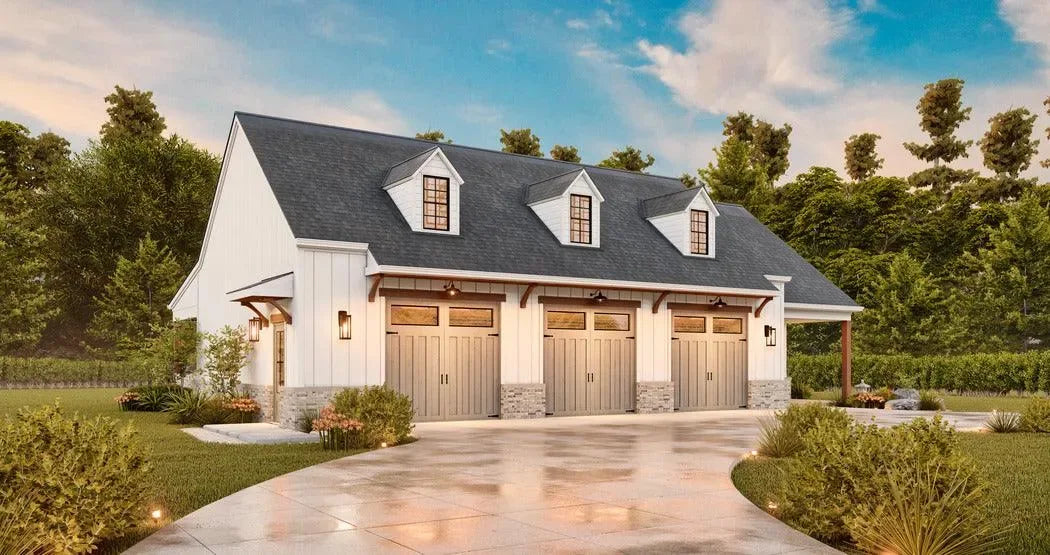
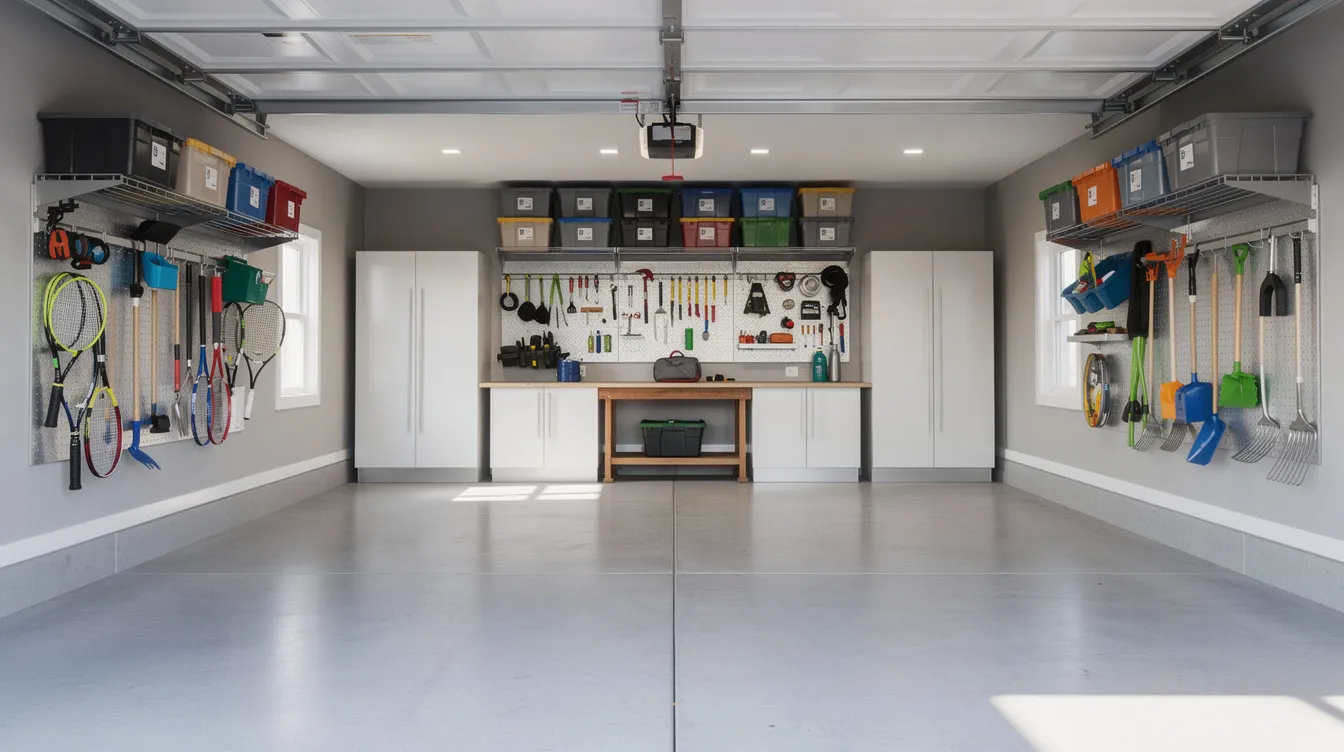
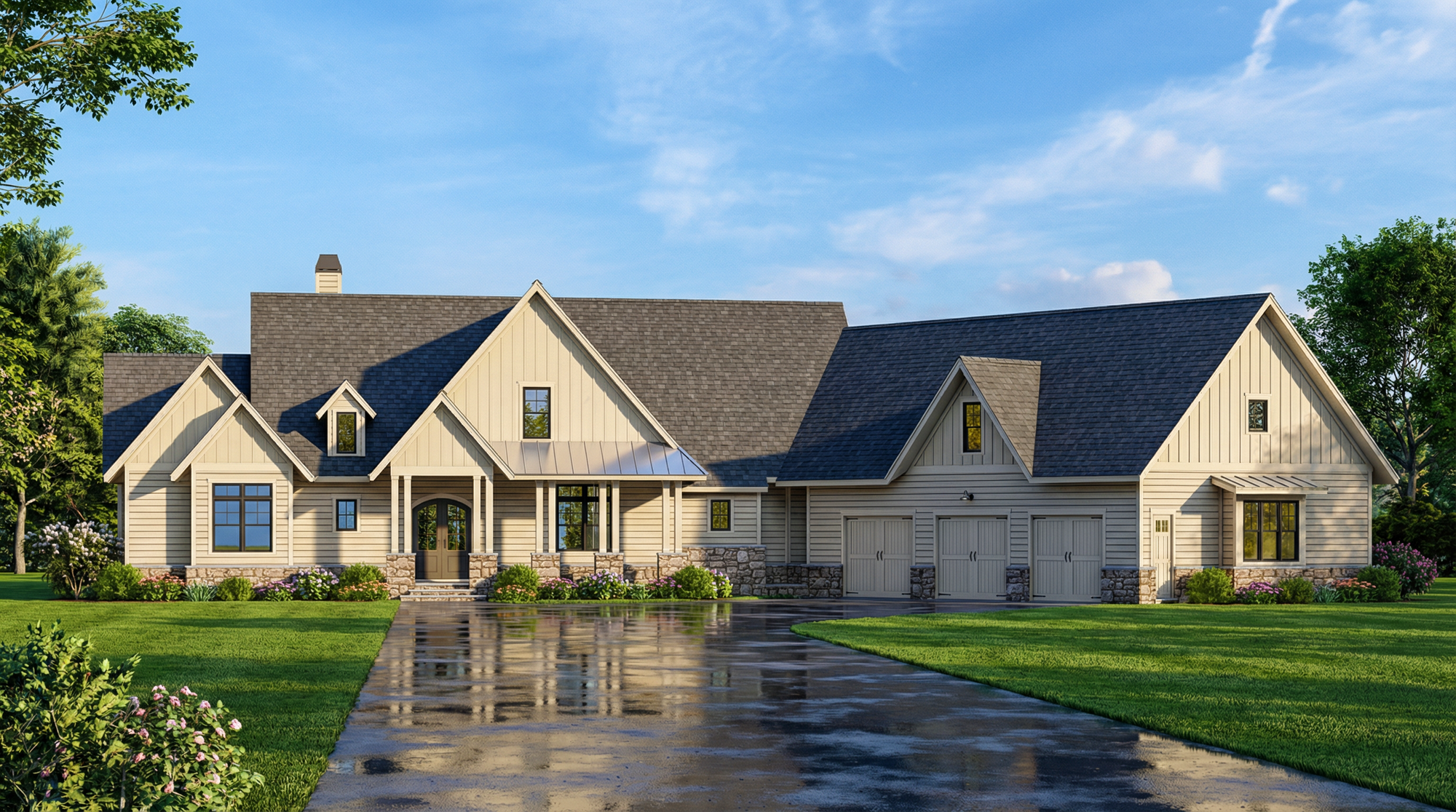
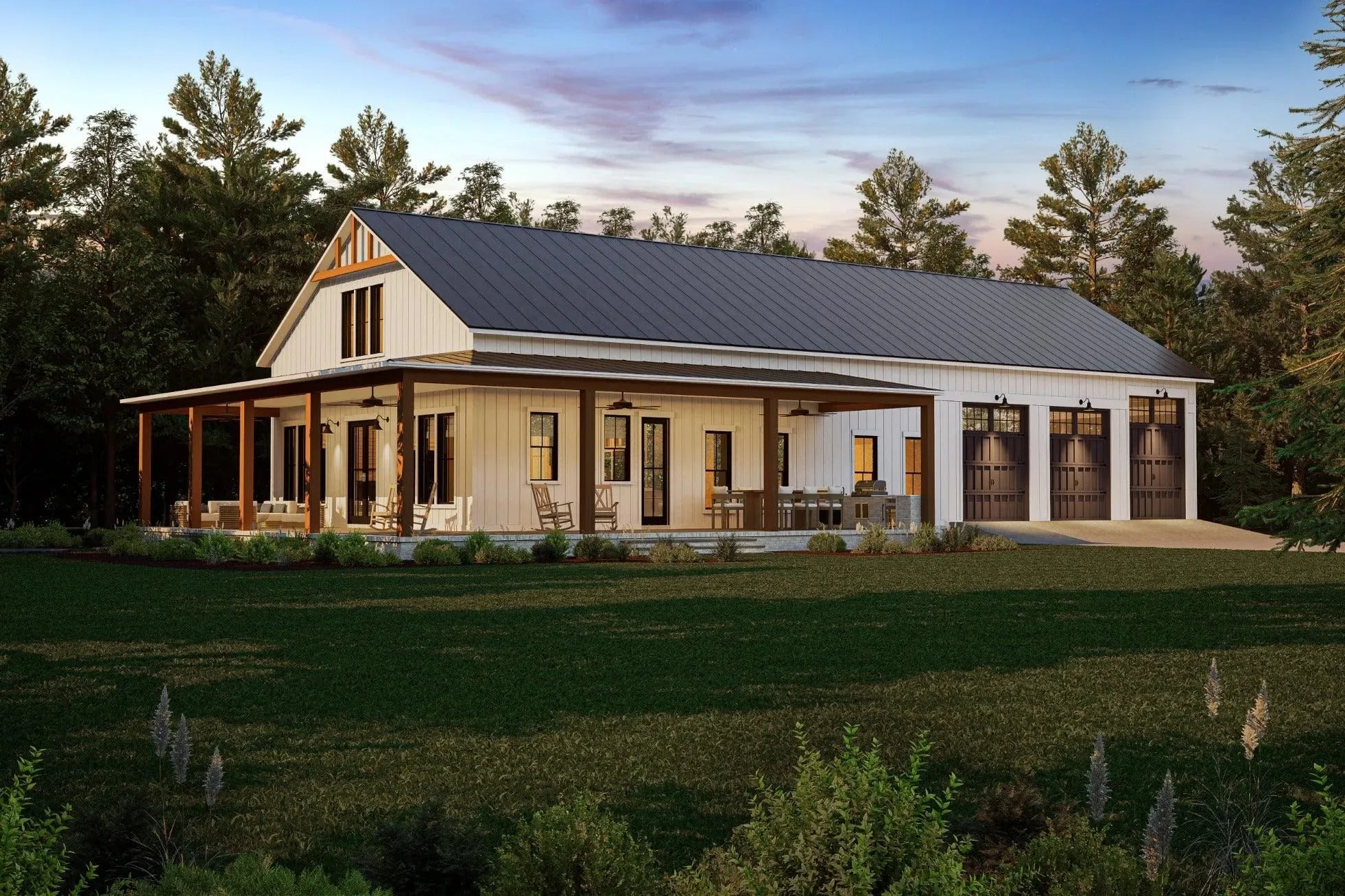
Oversized garages with built-in storage cabinets have become premium features in modern house plans. Average garage storage has increased from approximately 13 to 15 linear feet per household, with ceiling storage racks representing the fastest-growing segment (up 28% year-over-year).
Workshop areas with tool storage and workbenches appeal to hobbyists and DIY homeowners, while overhead storage systems maximize vertical space. Well-organized garages reduce dependency on external self-storage—a significant ongoing expense for many homeowners.
How to Maximize Storage in Your Floor Plan Design
Strategic design choices create abundant storage without sacrificing aesthetics or the open layout modern homeowners prefer. The key is integrating storage into architectural elements rather than treating it as an afterthought.
Open Concept Living with Hidden Storage
Built-in entertainment centers with storage behind panels keep media equipment and games accessible yet concealed. This approach maintains the clean sightlines of an open great room while providing practical organization.
Kitchen islands that combine prep surfaces with deep drawers and cabinetry below deliver both functionality and open flow between cooking and dining areas. Staircase storage and under-stair organization solutions transform otherwise wasted triangular voids into pantries, wine cellars, book storage, or even compact home offices.
Multi-Purpose Rooms and Bonus Spaces
Home offices with built-in filing cabinets and book storage support remote work while maintaining residential character. Bonus rooms above garages—often underutilized—provide excellent seasonal storage or expand into hobby rooms, playrooms, or guest quarters as needed.
Flex spaces appear in over 50% of new home designs because they adapt to changing family needs. A playroom today becomes a teenager’s study space tomorrow and eventually transforms into a dedicated storage room or craft center.
Find Your Perfect Storage-Rich House Plan
When evaluating house plans, prioritize designs that incorporate storage throughout—not just in closets, but integrated into kitchens, mudrooms, garages, and living spaces. Look for walk-in pantry configurations, multiple walk-in closets, dedicated mudroom space near the garage, and bonus rooms that can flex as your needs evolve.
The best storage-focused house plans balance abundant organization with beautiful architectural design. Storage should feel natural, accessible at the points where you actually need it, and adaptable to your family’s growth over time.
Browse our collection of house plans with lots of storage and find the design that supports your organized, clutter-free lifestyle.