


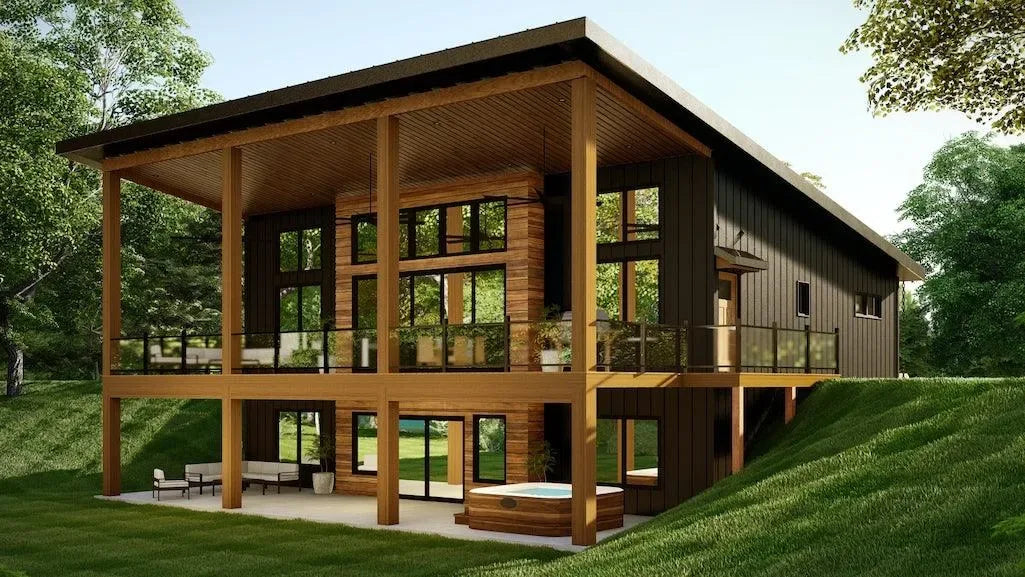





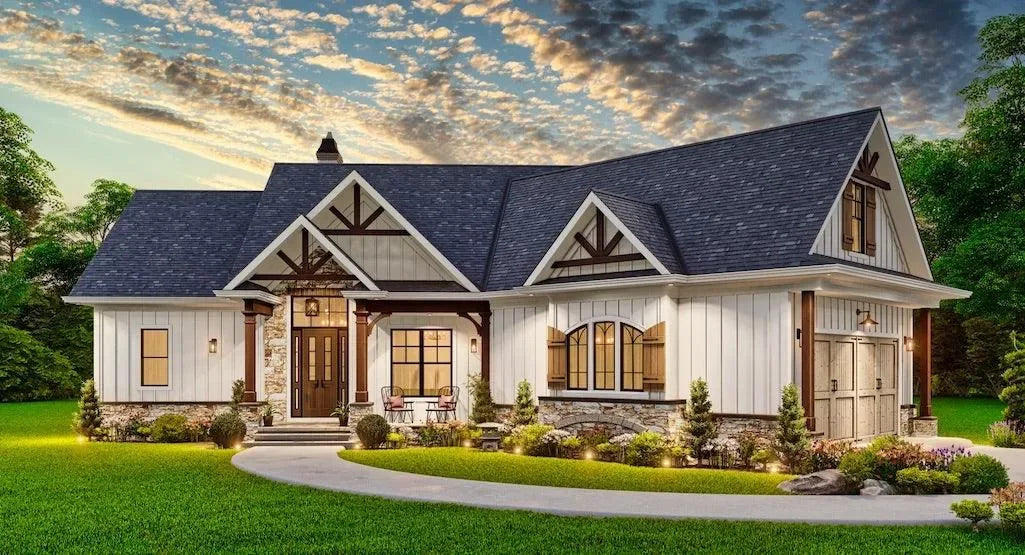



















Choosing between craftsman and modern farmhouse architecture is one of the most significant decisions you’ll make when building a new home. Both styles deliver serious curb appeal, but they offer fundamentally different experiences—from how your home sits on the lot to how your family moves through daily life inside.
This guide breaks down the practical differences so you can pick the style that actually fits your property, your lifestyle, and your budget.
Which Style Fits Your Property and Lifestyle Best?
The same household might prefer different styles depending on site conditions, daily routines, and long-term goals. Consider these factors:
Lot size and shape:
-
Modern farmhouse thrives on wider or corner lots where dramatic gables and broad porches make visual impact
-
Craftsman works well on both wide and moderately narrow lots due to its layered massing that doesn’t require as much horizontal spread
Neighborhood context:
-
Craftsman blends naturally in older subdivisions, historic districts, or wooded sites with existing early- to mid-20th-century homes
-
Modern farmhouse stands out positively in new communities, acreage sites, or neighborhoods without a dominant style
Lifestyle fit:
-
Choose modern farmhouse if you host large gatherings, want flexible open spaces, and favor bright living areas with visual continuity
-
Craftsman appeals to those who prefer cozy nooks, dedicated reading corners, and visible wood craftsmanship that creates an inviting atmosphere
Noise and privacy:
-
Open farmhouse layouts carry sound across spaces, which can be challenging for home offices or homework areas
-
Craftsman’s defined rooms make it easier to find quiet concentration spots
If you like both styles equally, budget, maintenance, and long-term value considerations—covered next—can help break the tie.
| Feature | Modern Farmhouse | Craftsman |
| Primary Vibe | Light, Airy, Contemporary | Artful, Rooted, Timeless |
| Layout | Expansive Open-Concept | Cozy, Defined Rooms |
| Exterior | High-contrast (White/Black) | Earthy/Natural Palette |
| Best Setting | Wide lots, New subdivisions | Established, Wooded, Historic |
| Key Detail | Clean lines, Minimal trim | Tapered columns, Built-ins |
Which one is for you?
-
Choose Modern Farmhouse if: You host large gatherings, prioritize bright, flowing interiors, and want a sleek, trend-forward aesthetic.
-
Choose Craftsman if: You value artisanal architectural detail, prefer private/structured rooms over open layouts, and want a home that feels "established" immediately.
Key Takeaways
-
Modern farmhouse features brighter exteriors with clean lines, simple trim, and open-concept layouts, while craftsman emphasizes rich natural wood tones, earthy palettes, and cozy, defined spaces with built ins.
-
Both styles have strong curb appeal and resale value, but they perform best in different contexts—modern farmhouse shines on wider lots and in newer communities, while craftsman integrates naturally into established neighborhoods.
-
Craftsman details typically add labor and trim expense due to handcrafted woodwork and layered millwork, while modern farmhouse exteriors tend to be more straightforward to build.
-
Archival Designs offers ready-to-build house plans in both styles with optional modifications, plus cost-to-build estimates to help you compare real-world numbers.
-
A quick decision checklist and FAQs at the end will help you narrow your choice and take the next step.
Modern Farmhouse at a Glance
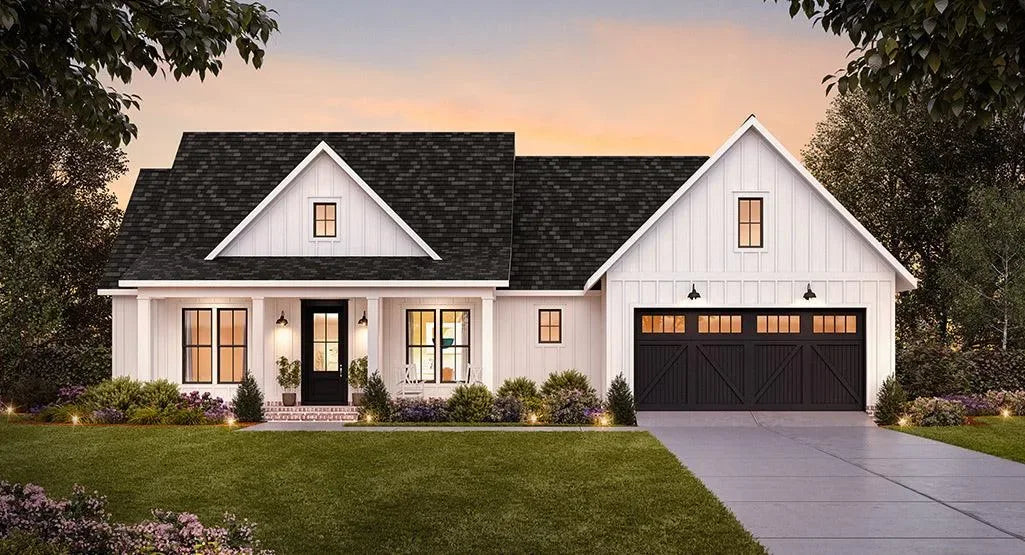
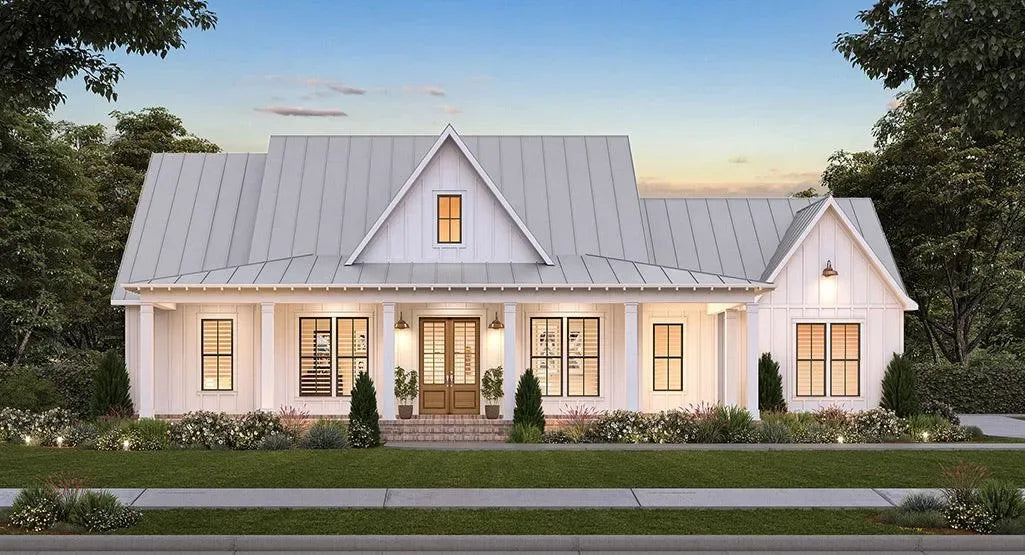
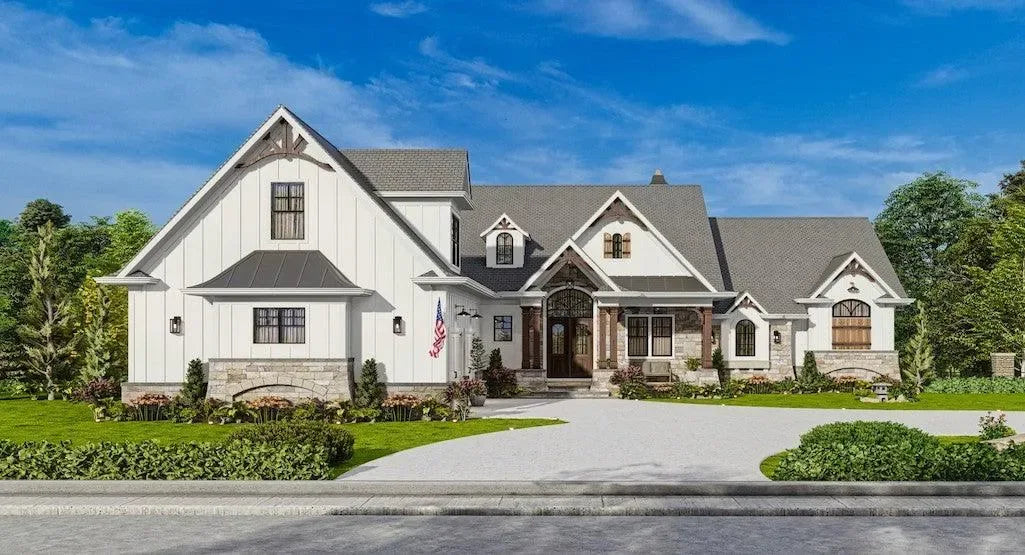
Modern farmhouse style blends traditional American farmhouse architecture with contemporary finishes and proportions. To understand the specific elements that make this style a top choice, you can explore our detailed guide to modern farmhouse plans. The style gained rapid popularity through the mid-2010s and into the 2020s, becoming one of the most sought-after looks in new home construction across suburban neighborhoods and rural acreage alike.
Key exterior features:
-
Tall, simple gable rooflines with clean vertical emphasis
-
Board-and-batten or horizontal siding, typically white or light gray
-
Black window frames creating high contrast against light exteriors
-
Metal accents on roofing and railings
-
Simplified front porch with slim posts or square columns
Interior character:
-
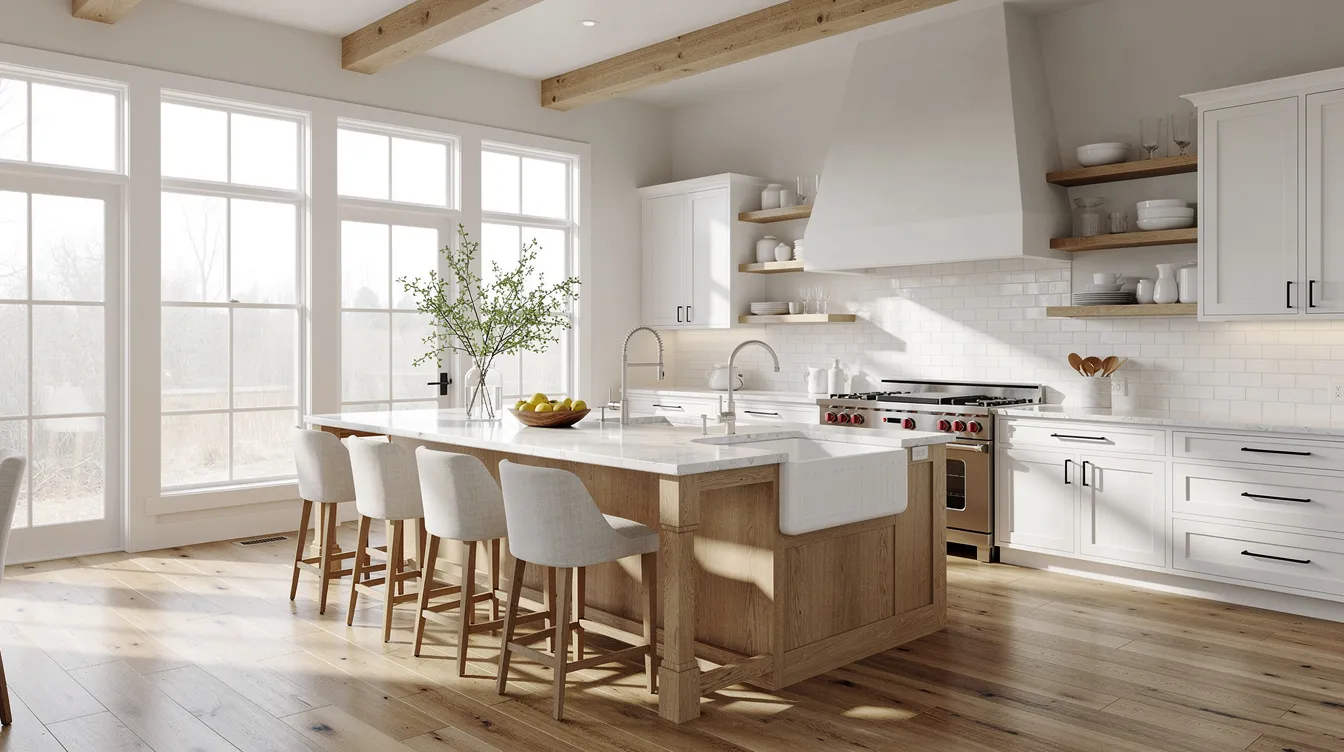
Open-concept layouts connecting kitchen, dining, and great room
-
Large kitchen islands as the functional and social center
-
Shiplap walls and wide-plank flooring
-
White or cream shaker-style cabinetry with open shelving
-
Neutral color palette dominated by whites, grays, and natural wood accents
Modern Farmhouse: Light, Airy, and Contemporary This style takes the warmth of traditional rural homes and updates it with clean lines and high-contrast color schemes.
-
The Aesthetic: Crisp white or dark siding with bold black trim, metal roofs, and industrial-inspired lighting.
-
Interior Layout: Expansive, open-concept floor plans designed for natural light penetration.
-
Signature Materials: Shiplap, board and batten, reclaimed wood, and sleek metal accents.
-
Choose this if: You love seamless entertaining, prefer a bright, minimalistic environment, and want contemporary flow.
Modern farmhouse homes pair especially well with wider or corner lots where dramatic gables and wraparound porches can stretch out. The style thrives in new subdivisions, rural properties, and communities without a dominant style already established.
Archival Designs offers farmhouse style homes in a range of sizes, from compact plans around 1,800 sq ft to larger designs exceeding 3,200 sq ft with multiple gables and expansive living areas.

Craftsman at a Glance: Roots in the Arts and Crafts Movement
Craftsman style homes emerged from the arts and crafts movement in the early 1900s. For a deeper look at what makes these homes so enduring, see our breakdown of modern craftsman style features.
Hallmark exterior elements:
-
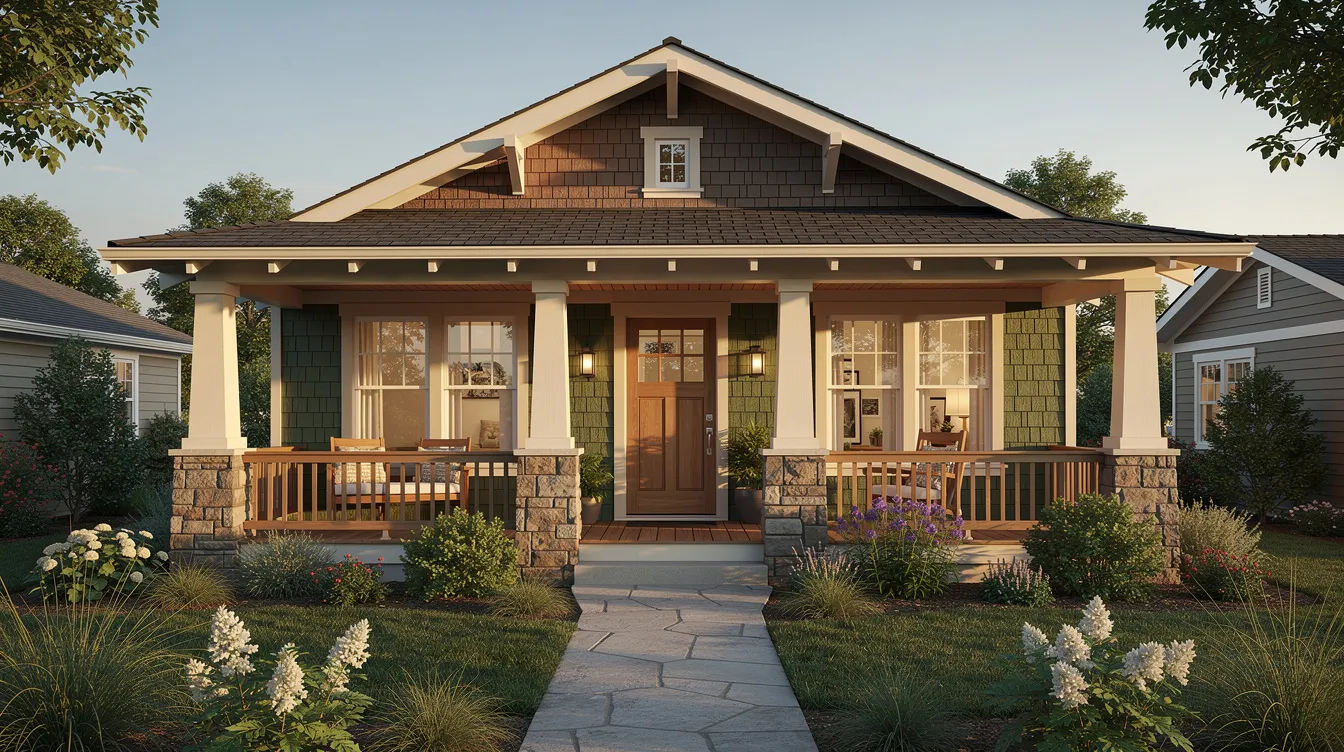
Low-pitched roofs with wide eaves and exposed rafter tails
-
Decorative brackets under roof overhangs
-
Tapered columns set on brick or stone piers
-
Mixed siding combining shingles with clapboard
-
Earthy color palette including olive, brown, deep red, and amber
Interior character:
-
Stained woodwork in warm natural wood tones with visible grain
-
Box-beam ceilings and substantial fireplace mantels
-
Built in cabinetry, window seats, and dining room buffets
-
Clearly defined rooms rather than fully open layouts
-
Intricate woodwork and quality craftsmanship throughout
Craftsman: Artful, Rooted, and Timeless Rooted in the Arts and Crafts movement, the Craftsman style emphasizes handcrafted beauty and architectural definition.
-
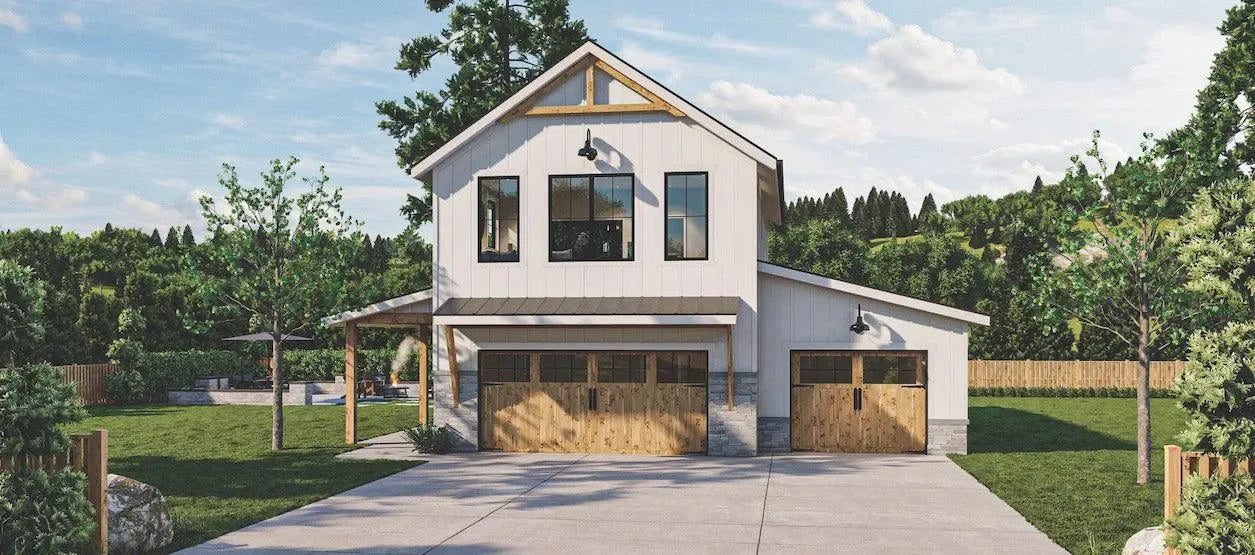
The Aesthetic: Low-pitched roofs with wide eaves, prominent front porches, and tapered square columns on stone or brick piers.
-
Interior Layout: Intentionally defined, structured spaces. Focuses on quality millwork rather than wide-open floor plans.
-
Signature Materials: Natural stone, rich stained oak or redwood, and brick accents.
-
Choose this if: You value bespoke architectural character, want a home that feels "settled" in the landscape, and prefer cozy, distinct rooms.
Craftsman homes adapt well to established neighborhoods with tree-lined streets and gently sloped lots. The horizontal lines and layered massing help these homes read as timeless—even when newly built, they integrate naturally into areas with existing early- to mid-20th-century housing stock.
Archival Designs’ craftsman collection includes plans ranging from efficient bungalows around 1,500 sq ft to larger designs with deep front porches, wide eaves, and central family rooms anchored by built in furniture.
Modern Farmhouse vs Craftsman: Key Differences
While both styles can share porches and gables, they diverge significantly in shape, detailing, color strategy, and interior experience. Here’s how they compare:
Form and massing:
-
Modern farmhouse tends toward taller, simpler vertical gables that draw the eye upward
-
Craftsman emphasizes horizontal lines and layered roof planes, creating a grounded appearance that hugs the earth
Color and materials:
-
Modern farmhouse uses high-contrast palettes—white or light siding paired with black window frames and natural wood accents
-
Craftsman leans on earthy hues, brick accents, natural stone bases, and stained wood trim that creates visual depth
Level of detail:
-
Farmhouse design favors smooth finishes with fewer trim layers and simpler decorative elements
-
Craftsman uses layered trim, decorative brackets, and textured siding to create visual richness that rewards close observation
Interior layout:
-
Farmhouse homes feature open kitchen–dining–great room layouts with large islands and sleek lines
-
Craftsman interiors have more defined spaces with strong millwork focal points like mantels and built-in bookcases
Overall aesthetic:
-
Modern farmhouse delivers rustic simplicity with a bright, minimalist-adjacent feel
-
Craftsman offers rustic charm through warm, layered craftsmanship and natural materials
Cost, Build Complexity, and Maintenance
While square footage and local labor rates drive most construction costs, your style choice affects trim, finishes, and long-term upkeep. Before starting, it is wise to learn how to hire the right builder to ensure your project stays on track.
Exterior construction costs:
-
Modern farmhouse exteriors often cost slightly less to trim out due to simpler gables and straightforward board-and-batten or horizontal siding
-
Craftsman typically requires more carpentry time for exposed rafter tails, decorative brackets, and layered trim details
Interior finish costs:
-
Farmhouse finishes like simple shaker cabinetry, painted shiplap, and quartz or butcher block countertops can be scaled for various budgets
-
Craftsman-quality millwork, stained built-ins, and box-beam ceilings raise finish-level costs but add significant character
Maintenance considerations:
-
Light farmhouse exteriors show dirt more readily and require regular washing; black window frames and metal accents must be high quality to resist fading
-
Craftsman’s stained wood and natural stone accents require periodic sealing or refinishing to maintain appearance
Planning tip: Archival Designs’ detailed construction drawings help builders price both styles accurately. You can request cost-to-build estimates for specific plans based on your ZIP code to compare practical costs before committing.
Interior Experience and Interior Features: How Each Style Feels to Live In
Beyond curb appeal and cost, the day-to-day experience of living in each style differs significantly.
Modern farmhouse interiors:
-
Bright spaces with 9–10 ft ceilings on the main level and large banks of windows
-
Visual continuity between kitchen, dining, and great room
-
Ideal for entertaining and supervising kids while cooking
-
Storage via walk-in pantries, mudrooms with cubbies, and oversized kitchen islands
Craftsman interiors:
-
Slightly more intimate ceiling heights with substantial trim around openings
-
Clearly defined rooms that give each space a specific purpose—library, home office, dedicated dining room
-
Storage embedded into built-in bookcases, window seats, and dining hutches
-
Exposed wood beams and intricate details that reward attention
Both approaches have merit. If you want a house where everyone gathers in one flowing space, modern farmhouse delivers. If you prefer a home where different activities happen in distinct rooms, craftsman design supports that lifestyle.
Archival Designs can modify either style—opening up a Craftsman kitchen to a family room or adding a more enclosed study to a farmhouse plan—based on how your family actually lives.
Resale Appeal, Resale Value, and Long-Term Value
Many readers are thinking about future buyers even if they plan to live in their home for a decade or more. Here’s what the market suggests:
-
Both modern farmhouse and craftsman are widely recognized and continue to sell well across the U.S. housing market as of 2026
-
Craftsman’s 100+ years of popularity and distinctive detailing often age gracefully—these homes rarely look “dated,” supporting strong resale in established neighborhoods
-
Modern farmhouse surged in the late 2010s and early 2020s but has settled into mainstream favorite status; simple forms and a neutral color palette help it remain appealing even as micro-trends shift
Key insight: Quality materials, cohesive detailing, and a practical floor plan matter more to appraisers and buyers than chasing the most trend-forward version of either style. These fundamentals drive resale value regardless of which architectural style you choose.
Both styles reflect design philosophies that prioritize timeless design over passing fads—which is why each remains among the most popular styles in residential construction.
How Archival Designs Helps You Choose and Customize
Archival Designs is a house plan specialist offering both Craftsman and modern farmhouse designs. If you need to make adjustments to a stock plan, our house plan modification services can help you personalize your layout
Browse and compare:
-
Filter plans by style, square footage, bedroom/bath count, and features
-
Use “Farmhouse” or “Craftsman” filters to compare similar-sized plans across both styles
Plan modification service:
-
Start from a Craftsman or modern farmhouse base plan and request changes
-
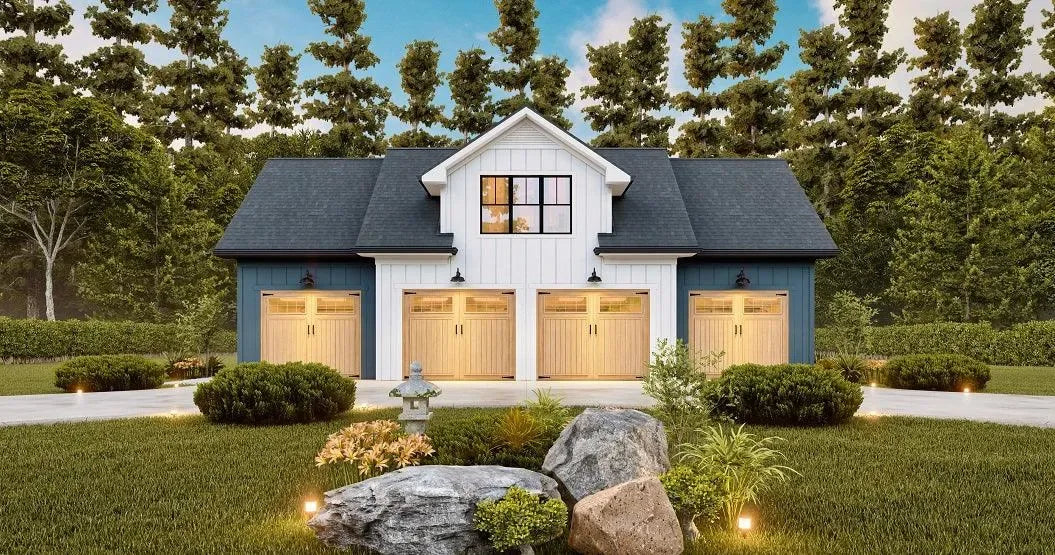
Common modifications include expanding the front porch, adding a third garage bay, reconfiguring the kitchen, or adjusting rooflines while maintaining the overall style
Blueprint packages:
-
Complete construction document sets are available for every plan
-
Ready for submission to local building departments and builders
Cost-to-build estimates:
-
Request an estimate for many plans based on your ZIP code
-
Compare practical costs between a modern farmhouse and similarly sized Craftsman before deciding
Pick a few favorite plans from each style, then reach out for modifications or estimates to see which direction makes the most sense for your project.
Modern Farmhouse vs Craftsman: Quick Decision Checklist
If you’re still undecided, use this quick filter to lean one way or the other:
Lean toward modern farmhouse if:
-
You love bright, white kitchens with open sightlines
-
You prefer simple exteriors with clean lines and high contrast
-
Your lot is in a new subdivision, on acreage, or in a community without strong existing neighborhood context
-
You prioritize modern amenities and flexible, flowing spaces
Lean toward Craftsman if:
-
You’re drawn to stained wood, built-ins, and porches with stout tapered columns
-
You want intricate details and handcrafted woodwork that shows quality construction
-
Your lot is in a wooded area, historic district, or neighborhood with existing early- to mid-20th-century homes
-
You prefer clearly defined rooms with distinct purposes
Final step: Shortlist 2–3 plans from each style on Archival Designs. Compare specifics like room sizes, storage solutions, and porch design—not just the front elevation—to reach your decision.
FAQ
Can you blend Craftsman and Modern Farmhouse styles?
Yes—this is often called "Transitional" design. You can achieve this by keeping the exterior massing of a Farmhouse (simple gables) but incorporating Craftsman details (tapered columns, wood accents). The key is choosing one "dominant" style for the shell and using the other for interior finishings to avoid visual clutter.
Which style is better for a smaller home under about 1,800 sq ft?
Both styles work in compact footprints, but Craftsman often excels in smaller homes because built-ins and defined rooms make limited square footage feel purposeful and efficient. A modest modern farmhouse plan with a simple gable roof and front porch can also feel spacious thanks to open interiors and large windows. Regardless of style, focus on storage solutions—pantries, mudrooms, or built-ins—when square footage is limited. Skilled craftsmen originally designed Craftsman homes with efficiency in mind, using durable materials and built in furniture to maximize every inch.
Does one style work better in colder or hotter climates?
Either style can perform well in a wide range of climates when paired with proper insulation, air sealing, and quality windows. Craftsman’s deeper eaves and porches provide extra shade in sunny regions, which can improve passive cooling. Modern farmhouse’s lighter palettes help reflect heat in hot climates. Work with a local builder or engineer to adapt any Archival Designs plan to local energy codes and weather conditions—both styles have deep roots in American residential construction and have proven adaptable across climate zones.
Is Craftsman or Modern Farmhouse cheaper to build?
Modern Farmhouse typically offers a lower entry price for trim and finish work due to cleaner lines and fewer labor-intensive details like exposed rafter tails or complex wood brackets. However, as of 2026, material quality (windows, metal roofing) is leveling the costs for both. Always request a cost-to-build estimate specific to your region to compare.
How do I know if a plan will meet my local building codes?
Archival Designs’ plans are created to common residential standards, but local codes, seismic or wind requirements, and HOA rules vary widely by city and county. Share your chosen plan with a local builder, engineer, or building department for review before construction—many jurisdictions require site-specific engineering regardless of which architectural style you select. Archival Designs’ modification services can help adjust plans when local code changes affect structural or layout requirements, ensuring your custom home meets all applicable standards.


