








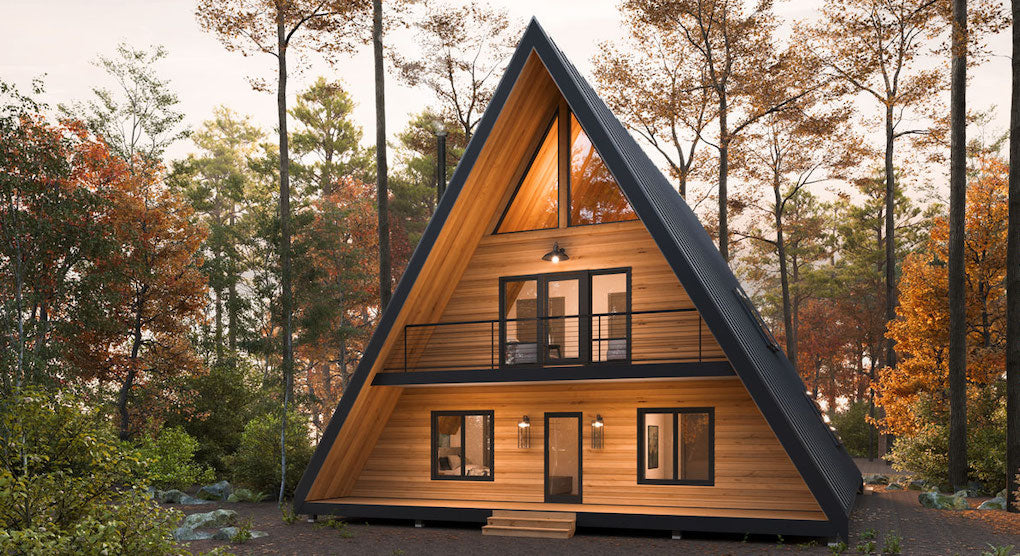






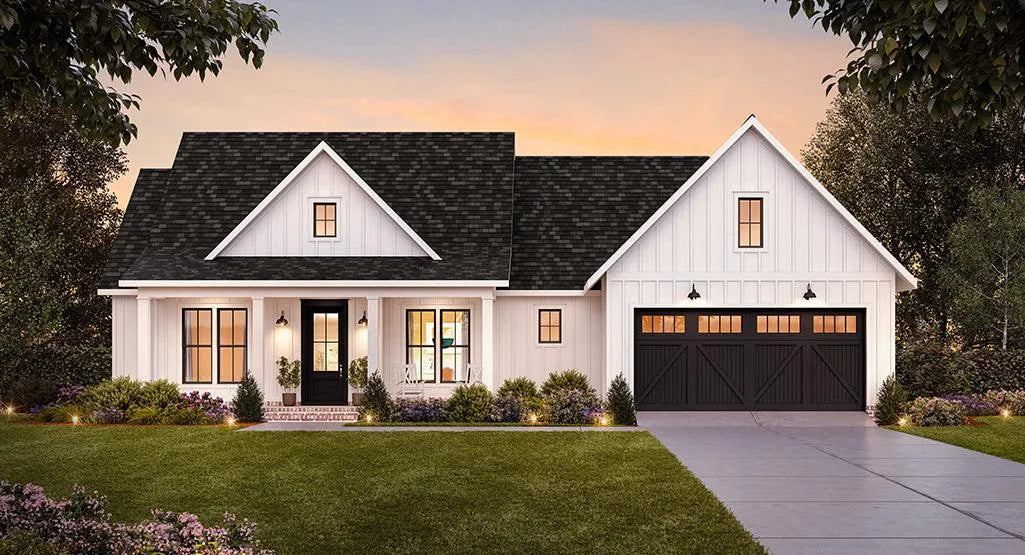















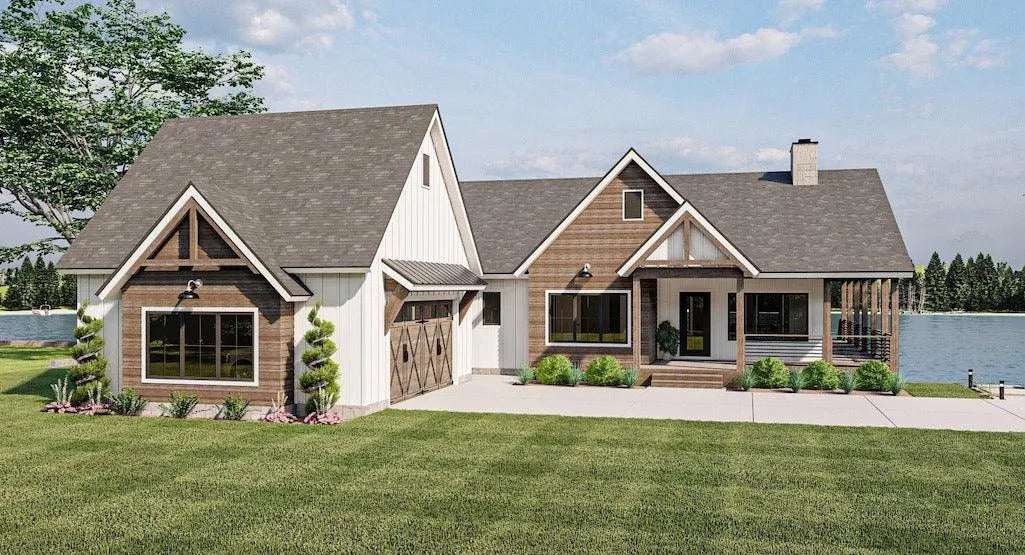

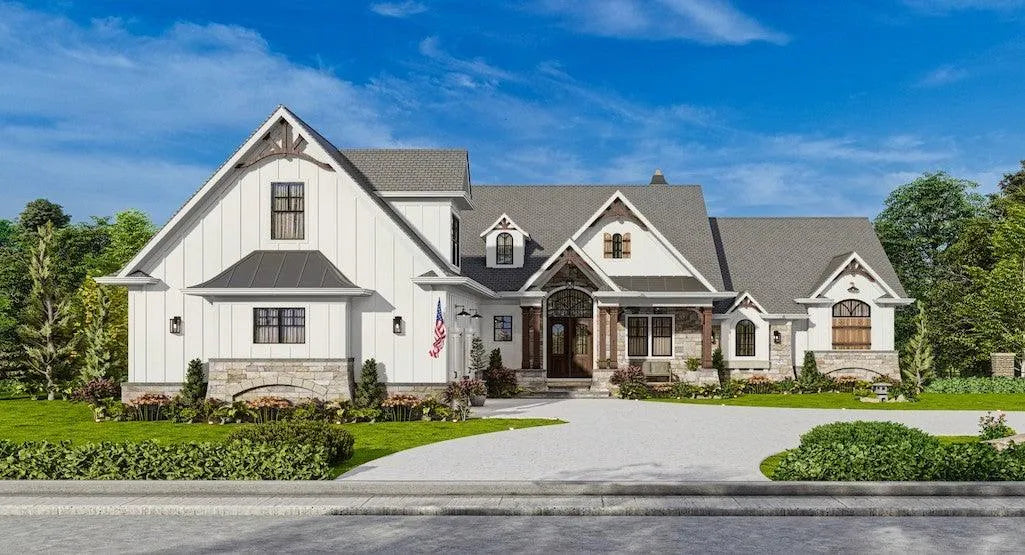


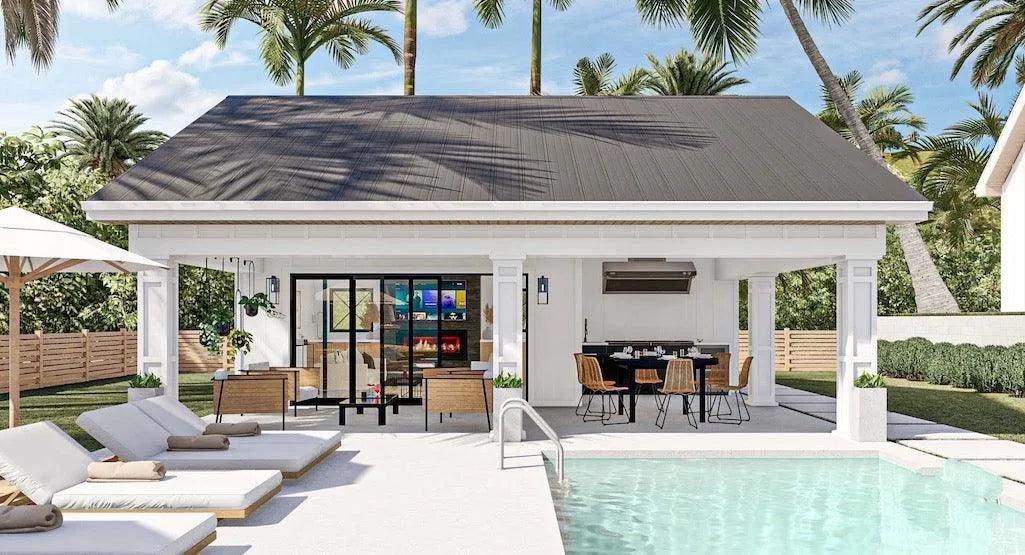
A home is the heart of family life. Choosing the right house plan is the most important step toward finding your dream home. House plans come in all shapes and sizes - and that's the beauty of building your own home. But it can mean that the search for the perfect plan feels overwhelming at first.
Some types of plans are categorized by size (such as covering one-story or two-stories), while others refer to the style of the home (such as farmhouse house plans or L-shaped house plans). You can also filter plans based on amenities (such as pool homes or those with a covered front porch).
Before searching for house designs, it’s important to understand exactly what you need from your house plan - or, at least the basics. Your house plan should match your site, budget, and preferred style of home, and starting with this in mind can help frame your search and make life easier.
In this article, we’ll share our top tips (from experts in home floor plans) to help you choose the right house plan and build your dream home.
1. Assessing Your Lifestyle Needs
The home is where families come together each and every day. As you grow, you want your house to grow with you. This is why it's important to assess your needs carefully to ensure you're choosing a house plan that meets requirements both now and in the future.
For example, what will you need when children become teenagers? Or if working patterns change as the family expands? Or when you host holiday dinners when the kids have partners?
Completing a lifestyle assessment works in three main stages. For now and in the future, evaluate the following to help you establish your most basic needs:
-
The basics: Begin by evaluating how many bedrooms, bathrooms, and other rooms you need (such as home offices or entertainment areas). Include your entire wish list, but keep it realistic.
-
Flow: Think about how you’d like the rooms to flow between each other. Ideally, a home should be functional and have a design that enhances your daily life. Think about where you want key spaces like the master bedroom, laundry room, kitchen, dining area, or guest suite.
-
Enhancements: Consider what extra features you need to accommodate your family hobbies or entertainment preferences. For example, do you need a guest room, entertainment centre, or playroom? Or do you need a home office, home gym, or workshop?

2. Understanding Budget and Style
Understanding how different styles impact the costs of a house plan can helps you find your dream home, without compromising on the essentials. Some styles cost more than others, and it’s important to balance practical costs with your aesthetic preferences.
When assessing your budget, consider how the following influences how much you’re willing to spend on the development:
-
Type of house plan: The style of house plan, square footage, building material, and additional features (such as in-law suites) all impact the overall costs of your development.
-
Construction costs: Consider regional construction costs and any fees related to building permits. Use the free cost to build calculator attached to our house plans to gain early insight into your construction budget.
-
Ongoing maintenance: Keep in mind which types of house plans require special maintenance. For example, exposed wood elements may require regular attention to protect their beauty and integrity. Or vacation style house plans with large windows may need extra cleaning.
-
Future savings: A customized home has the potential to deliver savings for homeowners for years into the future. Consider which elements of your house plan could save you money, like choosing an in-law annex or utilizing solar panels.
3. Evaluating Lot and Location
Your location heavily influences the right house plan for you. You want to ensure the home plan fits the shape and orientation of the site, while also making use of the location’s assets to enhance family life.
Consider aspects such as:
-
Shape and space: Narrow lots may require vertical designs (such as duplex house plans or two-story house plans). Whereas wide lots allow for sprawling layouts (such as L-shaped house plans or bungalow house plans).
-
Orientation: Home entrances traditionally face the road, while garages or basements can face the front, rear, or side of the property, depending on how the lot is oriented.
-
Features: Consider how additional features will look on the property, such as wraparound porches vs rear decks, and Juliet balconies vs first floor decks.
-
Natural assets: Views, sunlight, and surroundings all enhance the feel, flow, and sense of luxury. Evaluate the natural assets of your lot and consider which styles best complement its features.
-
Foundations: You may be able to choose your preferred foundation (such as a house plan with a walkout basement). Or you may be restricted depending on any site-specific construction needs. Make sure you’re aware of these elements before choosing a house plan.

4. Prioritizing Must-Have Features
Focusing on the essentials saves time and ensures you choose the right plan for your lot, budget, and family needs. Make use of search filters to find plans that include your must-haves.
When searching for house plans, make a list of your priorities in terms of:
-
Lot non-negotiables: This may include the maximum square footage the house can be, the number of parking bays you need in the garage, or the shape the house plan must adhere to.
-
Structural must-haves: This will be the number of bedrooms, bathrooms, and other rooms you need (such as a home office, media room, mud room, laundry room, wine cellar, or family room).
-
Interior features: Think about the additional features you know you need, such as a butler’s pantry, fireplace, his & hers closet, kitchen island, first-floor master suite, or an open floor plan.
-
Building requirements: Make sure you’re aware of any strict building requirements when searching for the right plan, such as the type of foundation you must use for your plot.
5. Finding the Perfect Fit
When searching for the perfect fit, research is key. Utilizing trusted resources and knowing the main styles of house plans is crucial to starting your search the right way.
There are three main types of house plans you can find, including:
-
Builder-ready plans: Find builder-ready or consumer-approved house plans online from trusted retailers. Use filters to find plans with the right square footage, layout, or house width/depth.
-
Modified plans: If a house plan isn’t quite perfect, you can often request modifications to a builder-ready house plan, where a design professional will work with you to achieve your vision.
-
Custom plans: For more customized designs, consider working with a team of architects and designers to develop a fully custom plan specific to your needs. These often cost more, but can help you acheive a more complex, fully customized vision.
You can start your search for the perfect house plan online, with a design team, or by visiting showrooms and logging your preferences.
 Willowbrook House Plan
6. Understanding House Blueprints
Blueprints are the start of your dream home coming to life. Upon receiving your plans, it’s important to ensure you can interpret them properly and that you know how to check they meet both your practical and lifestyle needs. Here's a quick overview of the basics.
Features on blueprints
The blueprints of your house plan will typically feature the following:
-
Layout: This shows a top-down view of the flow of rooms, hallways, and open-plan areas, with walls and doors connecting each room.
-
Dimensions: These give precise measurements for room sizes, wall lengths, ceiling heights, door widths, and overall square footage.
-
Rooms: Each room is labeled (e.g., kitchen or master bath), with important additional features often included (e.g., kitchen island, sink, windows, doors, or walk-in closet).
-
Floors: Each floor is separated in plans to show the different levels of a home (e.g., basement, first floor, second floor), with stairs representing the access points between levels.
How to check blueprints align with preferences
Before bringing your blueprints to life, you'll have to check the most important details to ensure they align with your preferences. Key elements to consider include:
-
Open vs closed layouts: Check the layouts suit your preferences. An open floor house plan is often well-suited to kitchen-living-dining spaces or guest suites. While closed rooms offer more privacy and intimacy, particuarly for master bedrooms or entertainment areas.
-
Positioning: Dive deeper into your flow and check the positioning of rooms. For example, split bedroom house plans offer more privacy between the master suite and secondary bedrooms.
-
Flex spaces: Bonus rooms are often featured on house plans, and these allow for flexibility and personalization. Evaluate how many of these you need and consider their location carefully. For example, playrooms or workshops next to home offices may not be ideal.
-
Storage: Family homes often benefit from ample storage space, so consider where closets, lofts, and other storage rooms can be added to maximize space and meet your lifestyle needs.
-
Access points: How you access your home, garage, and basement are important elements of your house plan. Check where access points are and consider how functional they are to your daily life.
-
Natural light: Natural light is an asset, and house plans should accentuate the natural light of your lot, with well-positioned windows, doors, and skylights.
Using blueprints to plan construction
Before moving forward with a house plan, consider whether you need to:
-
Meet with local building officials: Meeting with local building officials before purchasing house plans helps to explore any key considerations or modifications based on local planning rules.
-
Customize before building: Our house plans can be modified to suit your specific building needs or personal preferences, e.g., extending a room or moving a wall. Evaluate the essentials and get in touch to bring your vision to life.
-
Acquire additional drawings: Blueprints should be supplemented by mechanical, plumbing, and electrical drawings. These are drawn specifically for your plot and use your plans as a structural guideline.
-
Plan with your builder: Your builder will use the blueprints and other resources to plan construction timelines, materials, and site layout, and coordinate any final adjustments.
7. Customizing Your Home Plan
Building your new home is a unique, personalized process. Tailoring house plans to suit your vision is the right decision for many homebuilders to ensure you achieve your dream.
Here are several tips to get the customization of house plans right:
-
Size: Consider any modifications to the size of the home or specific rooms to suit your vision. For example, a kitchen island may require more square footage in the kitchen, while a dining table that accommodates ten guests may need the dining room to be larger than most.
-
Layout: Adjusting the layout of your house plan ensures it meets your family life – not the lives the architect envisioned for you. You may want to consider slight changes (like removing walls or moving doors) or much larger customizations (such as changing entire room functions).
-
Additions: Some house plans come with optional extras, such as a penciled area where an additional bathroom or bonus room could be added instead of a loft space. Evaluate whether these extras are essential both now and in the future.
-
Lot enhancements: Consider how your house plan will enhance the natural elements of your lot. For example, think about which side has the best views, and how the sun enters the home.
-
Current/future needs: Customizations can help future-proof your home. For example, slight changes to a playroom can ensure it becomes a good study space as children grow up.

8. House Designs and Construction
Finally, don't forget about how the design of your home affects the construction. The right house plan will simplify the construction process, as all major elements will have been considered in advance. Make sure you're thinking about:
-
Construction: Keep in mind the materials you need, how the foundation will be constructed, and what you'll need to build across several floors to ensure the plan is acheivable for you.
-
Constraints: The perfect fit will balance your dream style with both your budget and site-specific needs. Explore different styles of house plans and seek advice from your builder early on.
-
Communication: Early communication with experts is crucial when searching for house designs. Consulting professionals before purchase and maintaining good communication with builders is crucial for a successful build.
Summary: The Benefits of a Well-Designed Home
When everything comes together, your newly developed house can significantly impact the comfort, lifestyle, and long-term value you acheive from your home. A well-designed home enhances daily life through functional spaces, accentuated natural light, and warm features that reflect your personal style.
With practical layouts and optimized flow, your home can withstand the test of time – growing with your family and offering long-term value through thoughtful, efficient design. Ultimately, the right house plan doesn’t just build a home, it lays the foundation for the dream lifestyle you’ve always envisioned.


