








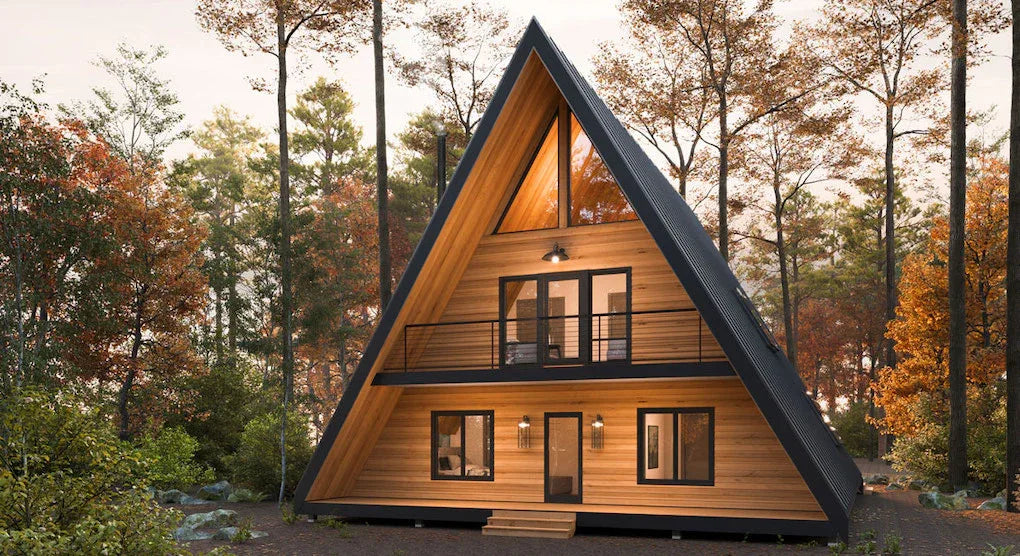

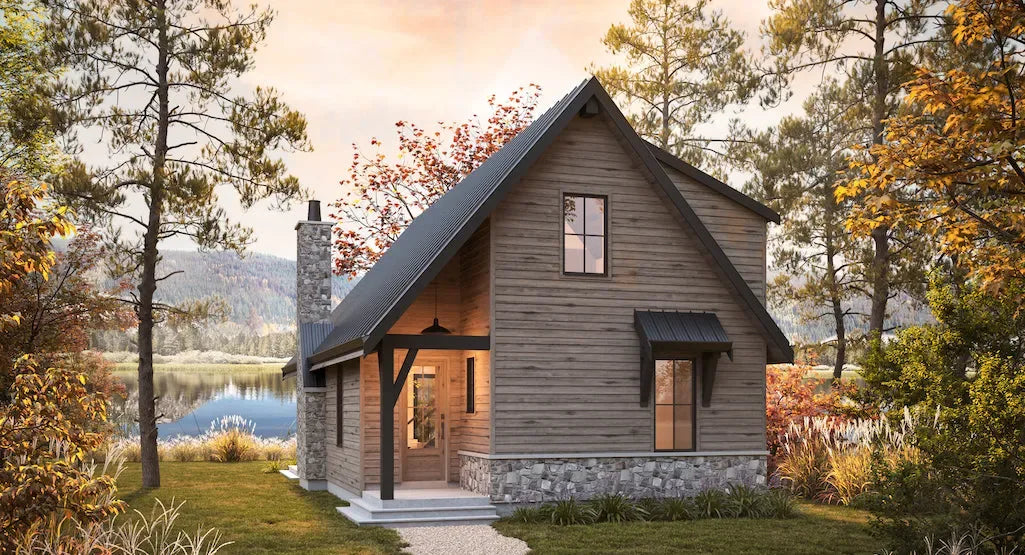











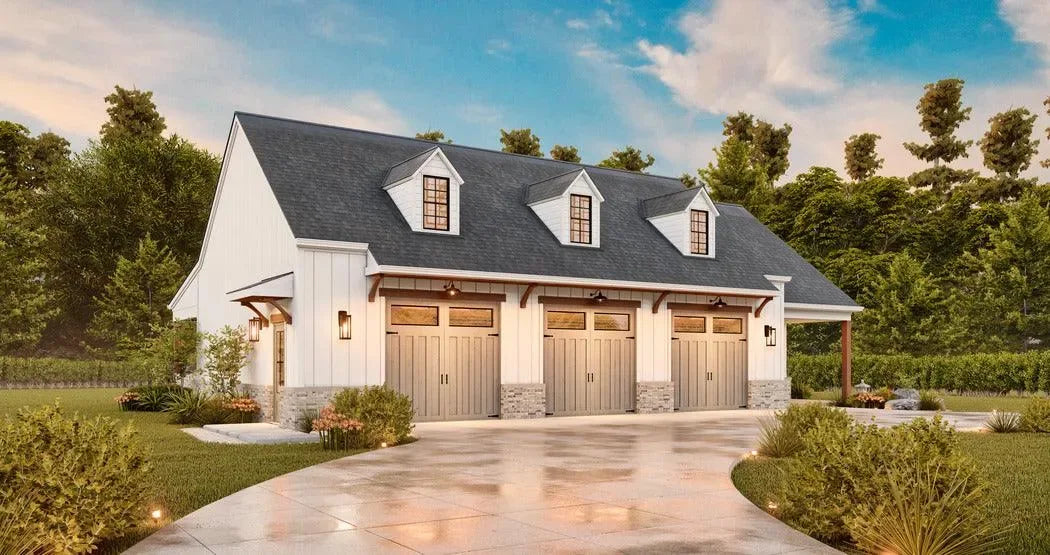


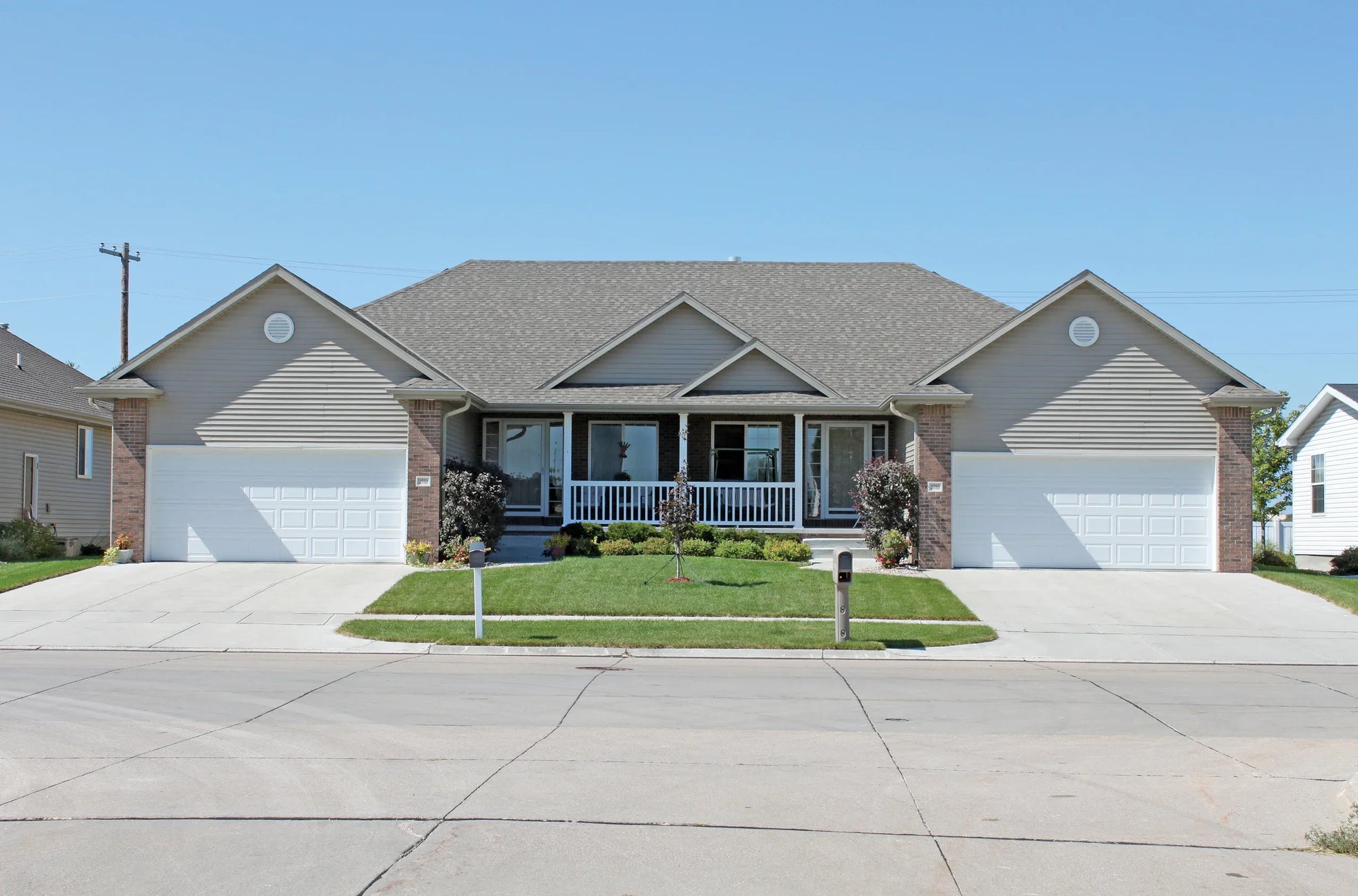


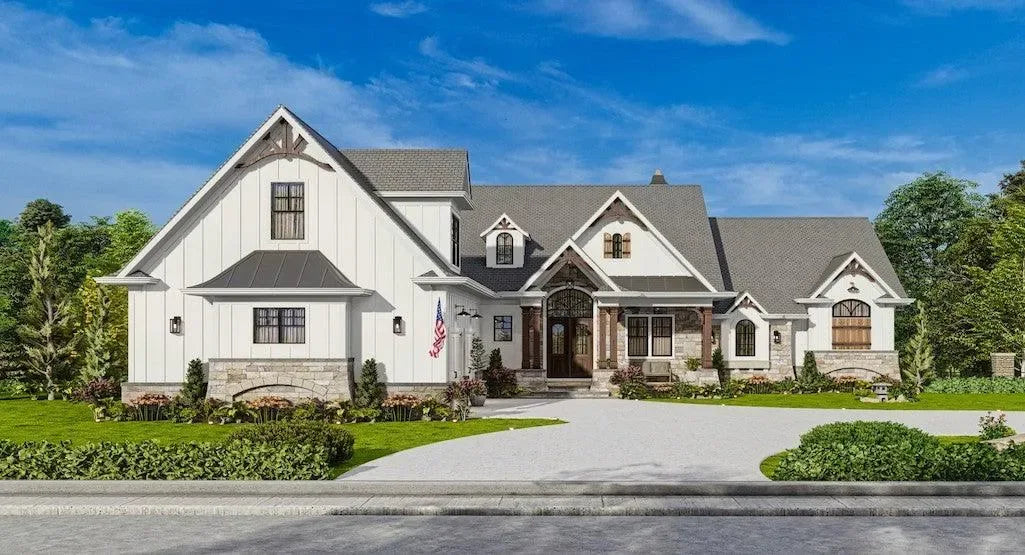


In this custom home design process guide, you're walking through the essential stages of creating a custom home, taking you from a vague idea to detailed blueprints. This step-by-step walkthrough is designed to demystify the process so you can navigate each phase with confidence.
This guide covers the journey through these key stages:
-
Step 1: Figure Out What Really Matters
-
Step 2: Find Your Professional Partner
-
Step 3: Explore Floor Plans and Layouts
-
Step 4: Pick a Style That Speaks to You
-
Step 5: Get Real About Budget
-
Step 6: Refine the Details
-
Step 7: Final Blueprints and Permits
Most of us have walked into a house that almost works—but not quite. Maybe the kitchen is tucked into a corner you’d never use, or the living room feels cramped. That’s why a custom home design process is so special: it lets you shape every corner around how you actually live.
Now, we won’t sugarcoat it. Staring at a blank page can feel a little terrifying. Questions pop up fast: Where do I start? Who do I hire? What does a “floor plan” really mean? If it’s your first time building a custom home, uncertainty is normal.
This custom home guide is meant to walk you through the journey—from a vague idea to detailed blueprints—without making your head spin. Think of it as advice from someone who’s been there: coffee in hand, a few mistakes behind them, but plenty of wisdom to share.

Step 1: Figure Out What Really Matters
Before you get lost in Pinterest boards, pause and think about your priorities. Your custom home design process starts here.
-
Must-Haves: These are non-negotiables. A home office? Space for three cars? An island big enough to hold morning chaos? Write them down first—they’re your foundation.
-
Wish List: Extras that make life nicer but aren’t deal-breakers. A wine cellar, a hidden reading nook, or a mudroom that could fit a small army of shoes. Keep them in mind—but don’t stress if they don’t happen.
-
Day-in-the-Life Test: Picture an ordinary morning or weekend. Do kids race through the kitchen before school? Do you need quiet corners for video calls? These small details often dictate the biggest design choices.
-
Future-Proofing: Think ten years ahead. Will a first-floor bedroom save your knees later? Could aging parents need their own suite someday? A custom home is a long-term investment—plan accordingly.
Step 2: Find Your Professional Partner
Even the clearest vision needs a guide. That’s where architects and residential designers step in. Architects focus on structural complexity, while designers handle aesthetics and function—but both can make or break your custom home design process.
A few tips:
-
Portfolio First: Their past work tells you more than brochures. Love what you see? Great.
-
Process Check: Will they make 3D models? How often do they meet with clients? Can they roll with last-minute “what if we…” ideas?
-
References: Call past clients. Ask about communication, problem-solving, and surprises. Real-world stories matter.
-
Compare Quotes: Know exactly what’s included. Don’t assume the cheapest is the best—clarity now saves headaches later.
Step 3: Explore Floor Plans and Layouts
Here’s where your vision begins to feel real. A floor plan isn’t just walls and rooms—it’s how your family will move, connect, and live every day.
-
Open vs. Defined Spaces: One big kitchen-living-dining area, or separate cozy rooms? There’s no right answer—just what works for your life.
-
Flow Matters: Can groceries make it from the garage to the kitchen without a circus of trips? Is the path from bedrooms to backyard smooth? Your home should feel intuitive.
-
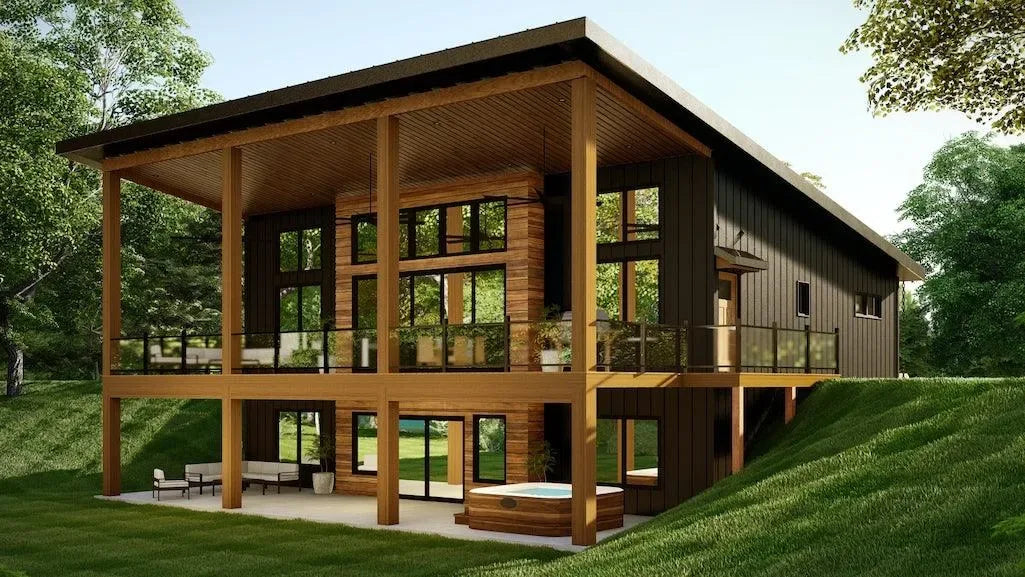
Use the Land: A sloping yard might be perfect for a walk-out basement. A killer view? You’ll want big windows. Good designers use the property’s quirks to your advantage.
-
Bedroom Placement: Split layouts create privacy. Single-level designs make life easier down the road.

Step 4: Pick a Style That Speaks to You
The exterior sets the tone and informs every choice—roofing, windows, even trim colors. Choosing a style early keeps your custom home guide cohesive.
Popular options:
-
Craftsman: Natural materials, inviting porches, and a warm, handcrafted feel.
-
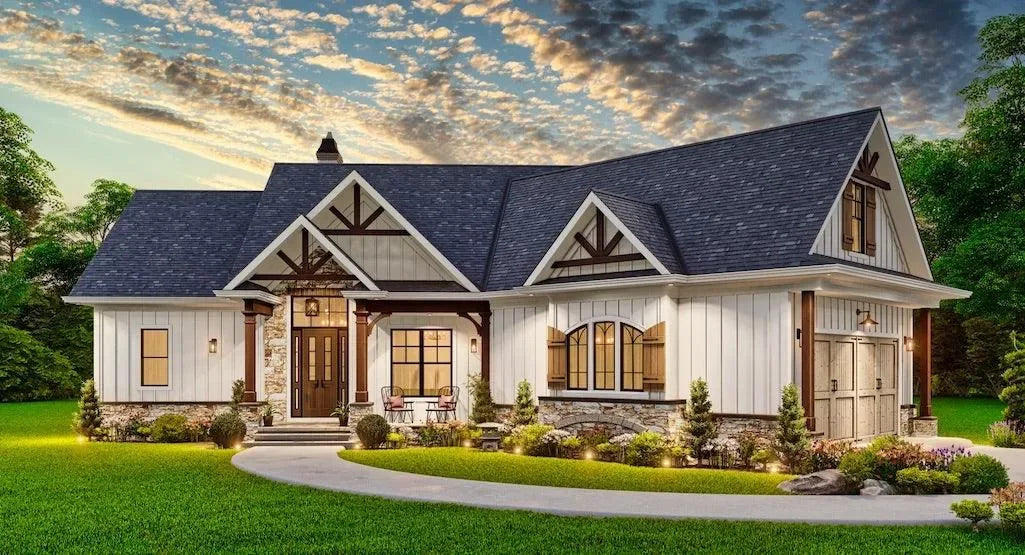
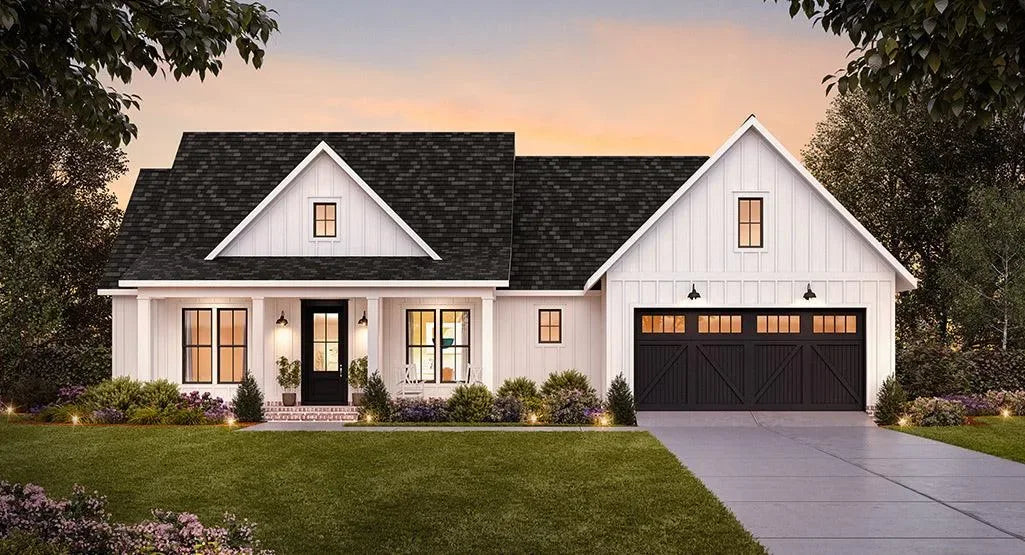
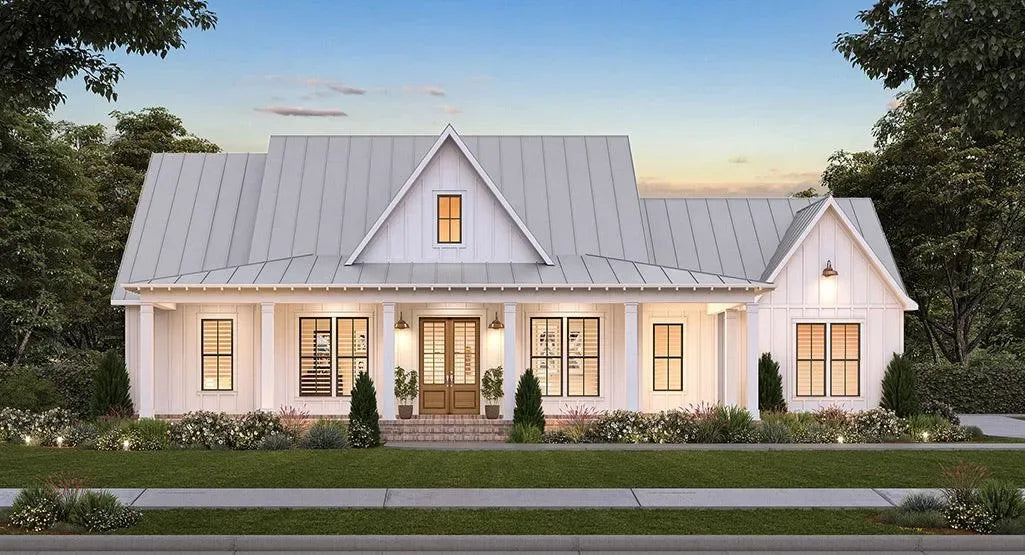
Modern Farmhouse: Clean, simple shapes with modern touches—think big windows, airy spaces.
-
Ranch: Long and low, single-story, easy to live in.
-
Colonial: Symmetrical, structured, and timeless.
-
Mediterranean: Stucco walls, arches, and a courtyard-friendly layout.
Pro tip: drive through neighborhoods you love. Seeing styles in real life often sparks clarity you can’t get from images alone.
Step 5: Get Real About Budget
Your custom home design process meets reality here. Without a clear budget, dreams can become stressful.
-
Land Costs: Lot purchase plus prep work—grading, utilities, clearing trees.
-
Professional Fees: Architect or designer services.
-
Construction: From foundation to roof—most of your costs live here.
-
Finishes & Fixtures: Cabinets, counters, flooring, appliances, lighting.
-
Contingency Fund: Always reserve 10–15%. Unexpected price hikes or site surprises happen, trust me.
Step 6: Refine the Details
Draft drawings are in your hands—now’s the time to be picky. Changes on paper are cheap; changes on-site are expensive.
-
Speak Up: Hallways feel tight? Rooms too small? Say it now.
-
Sunlight Counts: Proper window placement transforms rooms.
-
Storage: Closets, pantries, built-ins—never too much.
-
Value Engineering: Small tweaks—like material swaps or adjusting room sizes—can save money without losing style.

Step 7: Final Blueprints and Permits
Once the design is locked, detailed blueprints guide contractors. Plumbing, electricity, framing—they all rely on this map.
Next: permits. Not glamorous, but essential. Your architect or builder usually helps you navigate this, which is the final step before breaking ground.
Final Thoughts
Building a custom home is thrilling, occasionally messy, and always rewarding. A thoughtful custom home design process ensures you end up with more than a house—you get a home that fits your life.
Follow this custom home guide: plan for how you actually live, partner with the right professionals, set a realistic budget, and refine your design patiently. Do that, and your dream home becomes a reality you’ll love for years to come.


