


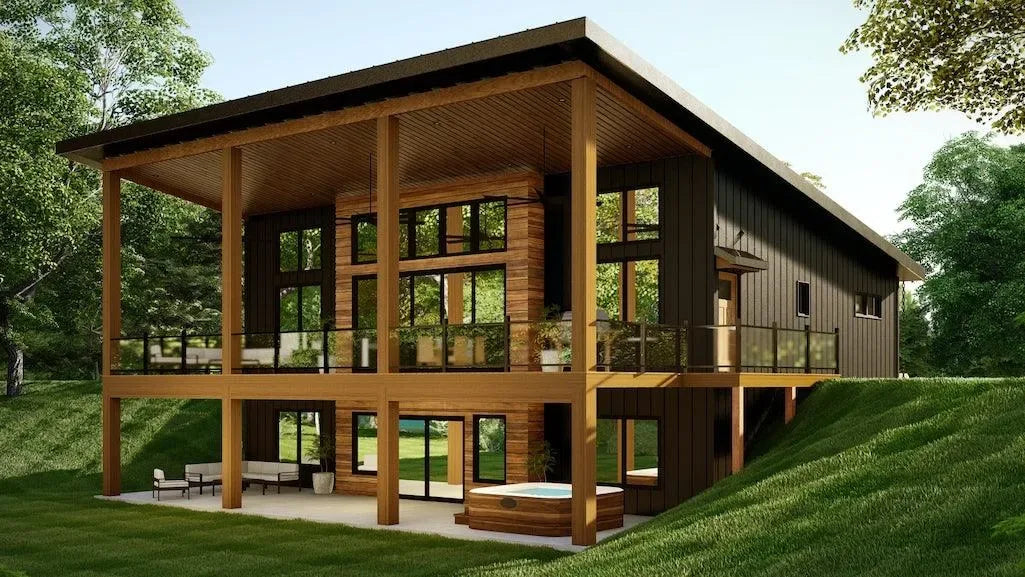





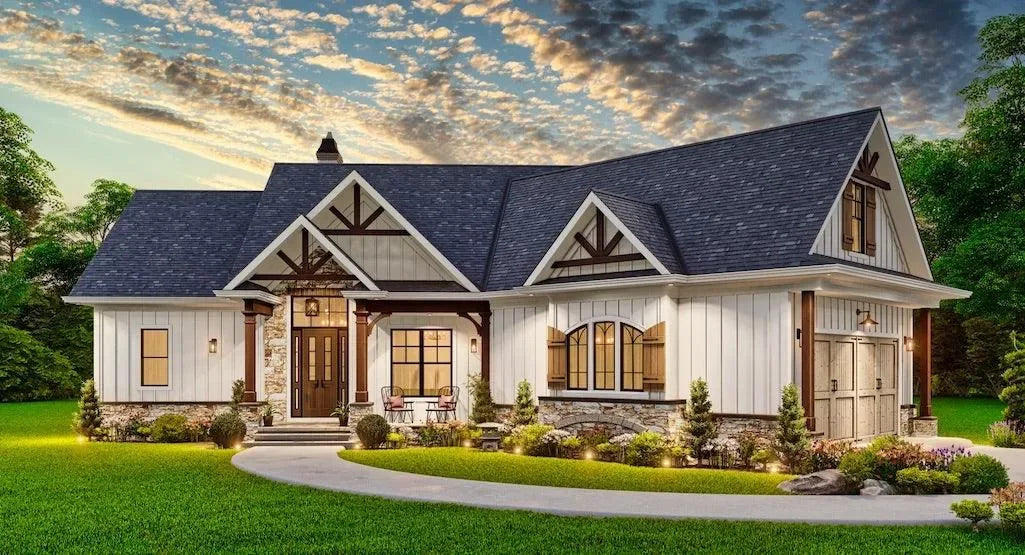

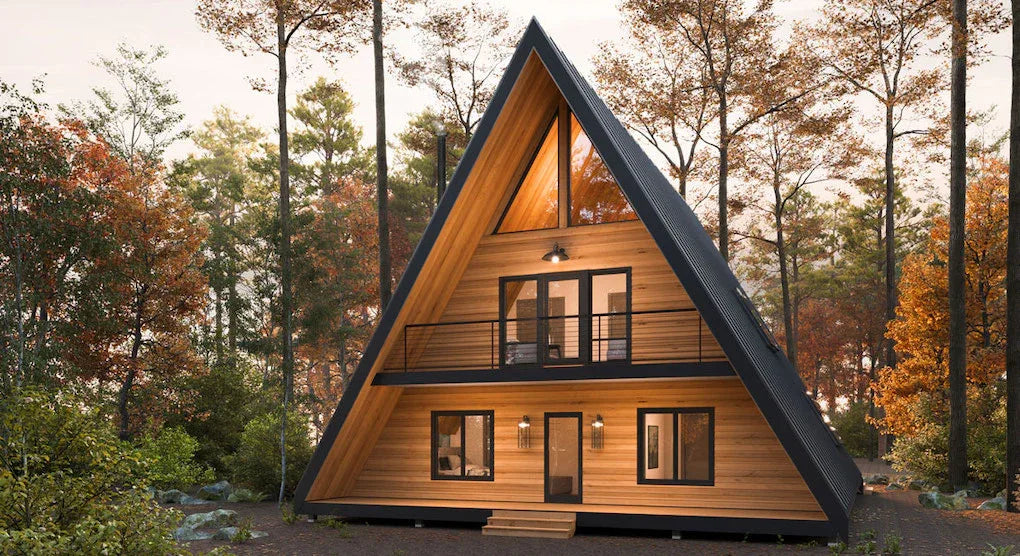






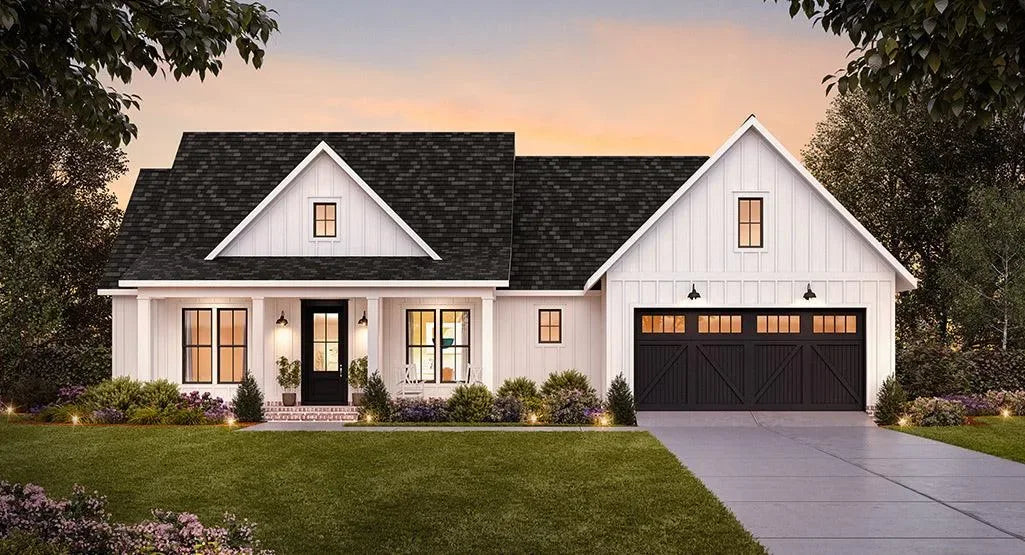

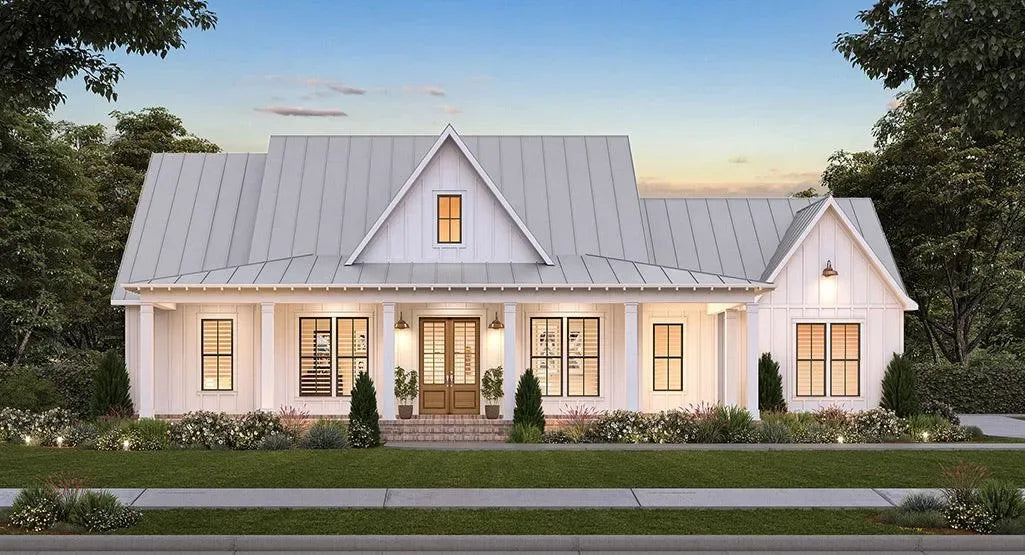


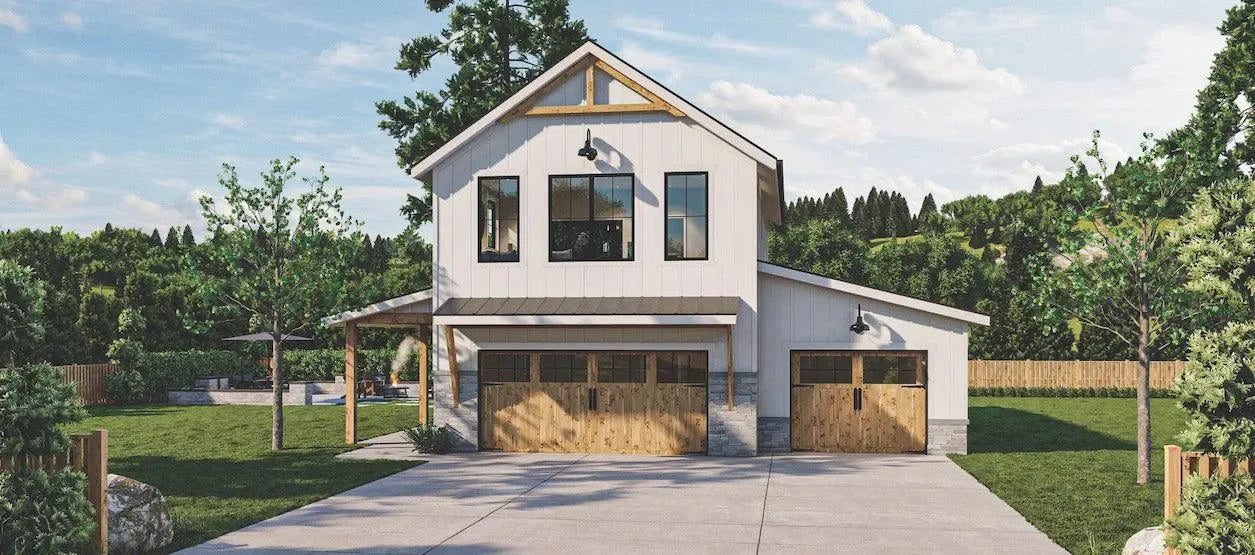

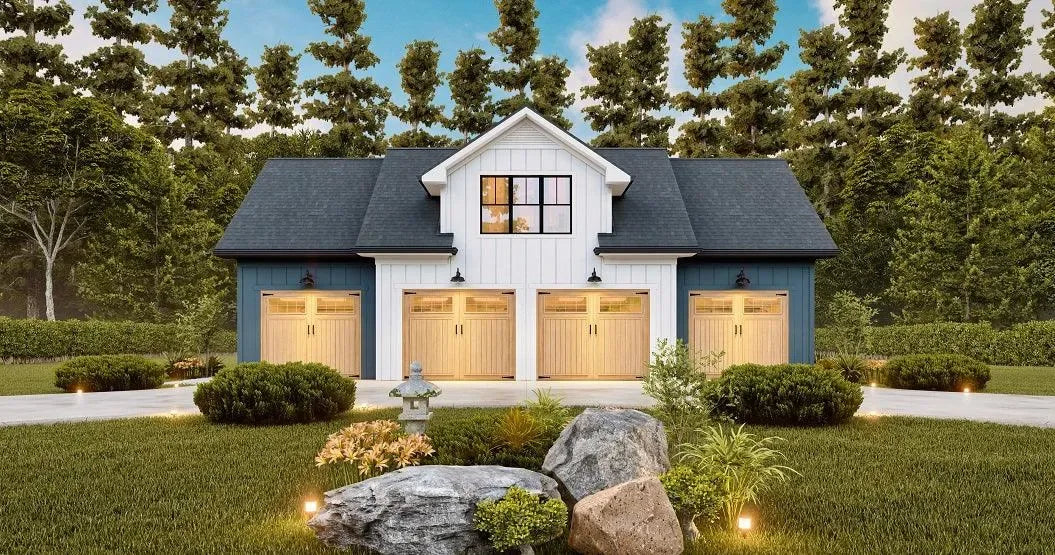


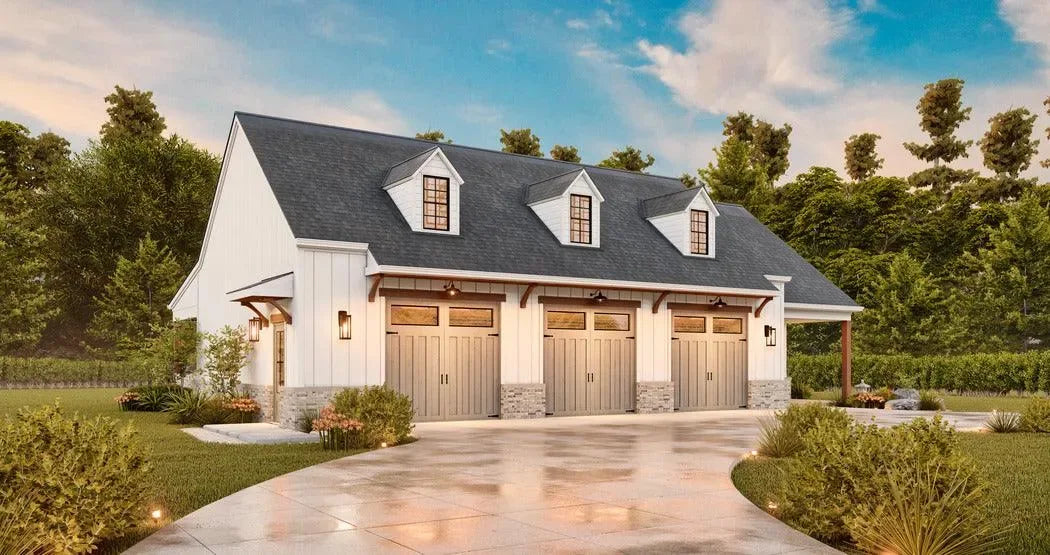


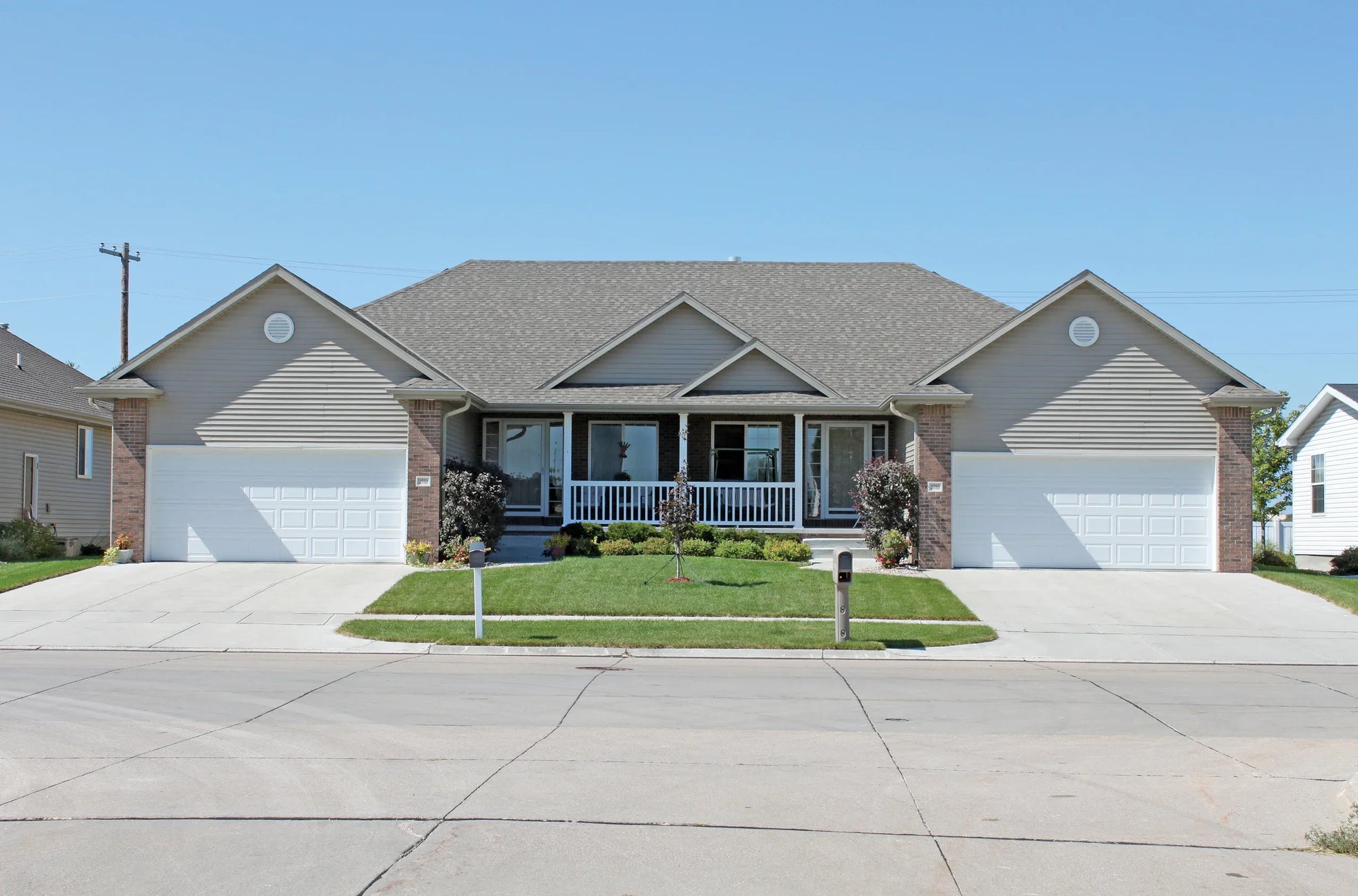


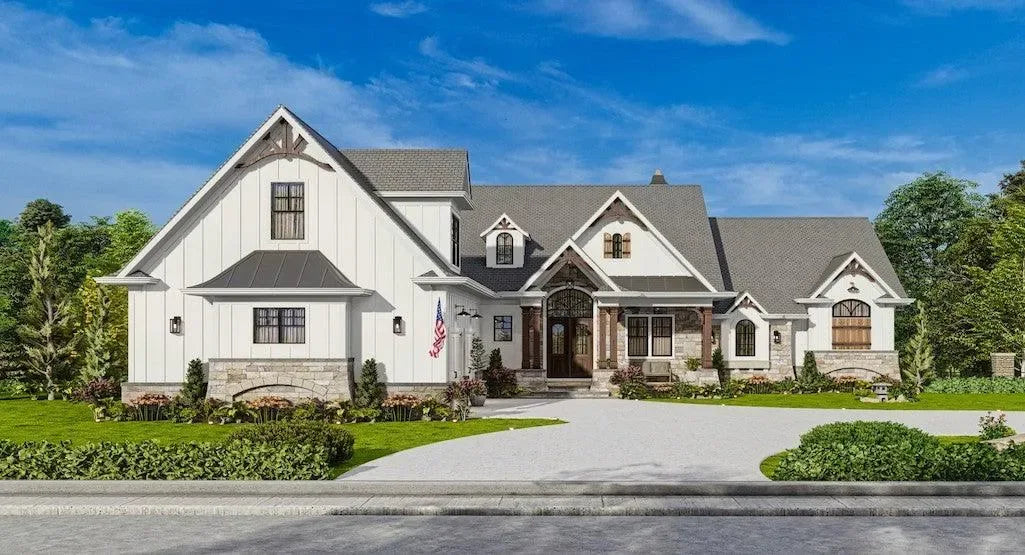


Simply put, aging in place means living safely and independently in your own home as you get older. Our home is one of the most important places throughout our lives, but our emotional connection and need for comfort in the home deepens as we age.
Feeling safe, secure, and able to live your life as best as possible at home is important, and proactive home design can help you age with grace in the place you love the most..
While it's important to engage family members and consult professionals on the best retirement house plans for you, doing your own early research is a good first step. By understanding your needs and thinking strategically about upcoming essentials, you can future-proof your home design and age with grace.
In this essential guide to aging in place, we'll explore everything there is to know about aging in place home design. We'll share aging in place ideas for the home, tips on senior living home design, and the best features to look for in an accessible home plan.
Understanding Retirement House Plans
As a retiree or senior, aging in place means finding a house plan that meets your needs – both now and in the future. Certain features can futureproof a home's design, and it’s important to consider what may be important for you and your loved ones as you age.
What are the Best Features in Aging in Place Floor Plans?
Some of the best features to consider opting for in a retirement house plan include:
-
Layouts: Open-plan layouts offer more space and flexibility. Having a master suite on the ground floor can also help, as can single-story designs to ensure accessibility throughout.
-
Accessibility: Look for elements that support movement, such as wide doorways, low thresholds, limited stairs, and rooms with enough sq ft to cater to additions (like step-free showers or baths).
-
Maintenance: Low-maintenance options for the structure, foundation, and design of the property may be better for aging in place. E.g., timber-frame house plans or vacation house plans (with large windows) may require more maintenance than a bungalow house plan.
-
Guest rooms: For empty nesters, think about how many extra rooms you may want or need for when older children, grandchildren, or support staff want/need to stay overnight or long-term.
-
Annexes: An annex apartment can be beneficial when building for the future. These offer a separate residence for live-in support, or to rent out for additional income during retirement.

Square Footage Considerations
Factors such as square footage vary depending on your needs and preferences. While larger homes may suit some couples aging in place, they may not feel as cozy or accessible as a smaller house plan. It’s important to assess how comfortable you’ll feel with the square footage you have.
Accessibility Standards
Alongside accessible features, you may also want to consider opting for designs that meet formal accessibility standards. These home designs are known as ADA accessible home plans (which comply with ADA standards for accessible design).
If you're building a new home for resale purposes, or if you're thinking about resale value, choosing a house plan that meets these standards guarantees the accessibility of the property. This can make marketing the home easier in later years.
Budget/Costs
In regards to budget, the cost to build retirement house plans isn't the only factor to consider. Establishing how much the property will cost to run (in terms of bills and maintenance) is also important. Understanding running costs before building ensures the design aligns with retirement plans and anticipated income as the years go by.
Creating a Suitable House Plan: What Should You Consider?
When creating the perfect home, it's good to consider both your physical and emotional needs. Home design is a personal, expressive process. Having enough space is an important aspect, but comfort and personalization shouldn't be neglected when choosing an aging-friendly floor plan.
Read our tips on how to create an adaptable home design and choose a future-proof home plan.
Assess Lifestyle and Mobility Needs
Think about your lifestyle and mobility needs right now and how these might change in the future. For example, changing mobility needs may mean it’s important to have:
-
Master suites and two baths on the ground floor
-
Wraparound porches to make outdoor access easier
-
Sloped entrances to the property
-
Garages over attics or basements
Consider how any diagnosed long-term conditions may change, and think about discussing the idea with family members to get their thoughts on what a house plan for seniors looks like.
Count “Main” Rooms
Most house plans are defined by their type, style, or number of bedrooms. For example, you can get retirement house plans with a master suite, or ranch house plans with 2 bedrooms.
You can also search for house plans by the extras they come with, such as how many bathrooms and other rooms it has (like laundry rooms, mud rooms, media rooms, and dining spaces), or by unique layouts such as split bedroom house plans.
Thoughtfully counting how many additional bedrooms you need – both now and in the future – will help narrow down your options when searching for house plans.
Environmental Elements
The best house plan for retirees is an adaptable home design that helps you live comfortably. Think about how the environment will support your lifestyle and make the home feel inviting.
For example, consider elements such as:
-
Sunlight: House plans should accentuate the natural light of your plot and invite connections between indoors and outside. Think larger windows, patio doors, or skylights.
-
Airflow: Consider how you'll get fresh air. E.g., Vaulted ceilings promote airflow and act as a characteristic design feature, while sash windows are easy to use and allow greater control of airflow.
-
Amenities: Consider the proximity of important amenities, like how close the bathrooms are to bedrooms, or laundry rooms to bedrooms.
Emotional Touches
The home is where you come to rest, relax, socialize, and feel most like yourself. Smaller details of the home that increase your comfort and are unique to you are the most important parts of house design.
Think about what extra elements will future-proof your home plan and make aging at home better for you and your family. For example:
-
Larger windows in lounges may increase connection to the outdoors during bad weather
-
Screened porches with access from the bedroom will make getting fresh air easier during times of illness
-
Larger dining spaces or living areas make hosting for loved ones more comfortable

The Benefits of Open Floor Plan Designs
Open floor plans are ideal home designs for aging residents. These layouts increase flexibility, ease traffic flow, and combine living, kitchen, and dining areas for better accessibility.
Other benefits of open floor plans for seniors include:
-
Fewer obstacles: Without doorframes, walls, and corners to manoeuvre around, you enjoy easier movement around the home.
-
Improved visibility: Fewer walls and corners improve visibility, helping residents feel more connected to others throughout the home.
-
Easier communication: Open layouts allow voices to carry more, making it easier to stay engaged in conversations.
-
Reduced tripping hazards: Larger spaces create fewer trip hazards, like raised thresholds, door sills, or split levels.
-
Increased flexibility: With fewer designated areas, the home can be more easily adapted as needs for the space change.
-
More sociable: Open plan spaces are better at catering to large social occasions, like hosting at Christmas or Thanksgiving.
When designing open-concept retirement homes for accessibility, consider how other, non-fixed elements of the interior design may help, too. For example, you can pair the interior with raised furniture, ergonomic seating, or slip-resistant flooring.
Modifying Your Existing Floor Plan: How to Make Your Home Fit for the Future
Adapting your existing home can be a better option for homeowners who want to age in place. House plans you find online can be modified to meet your square footage. Or you can create a house plan from scratch, where a professional works with you to reshape your plot into a home fit for the future.
When a full accessible home renovation isn’t the right fit, there are still many effective home modifications for aging in place to consider, such as:
-
Easy updates: Such as installing grab bars, ramps, lever handles, or non-slip floors.
-
Moderate updates: Like widening doors, lowering countertops, or converting bathtubs to walk-ins.
Before undertaking a remodel for seniors, consider renovation costs and return on investment. Changing an existing floor plan can increase its accessibility, but it may not add value in your ZIP code.
It’s also important to consult a professional when modifying floor plans for aging in place. Ensuring your retrofit is ADA-compliant will support future resale value and provide immediate usability for residents.

Choosing the Right Architectural Styles: Best Low-Maintenance House Plans
When developing a home fit for the future, it’s important to look at low-maintenance, accessible, and timeless architectural styles.
But it’s also important to understand the emotional connection you’ll have to your home. The style of your home should feel personal and bring joy to your living space.
Popular architectural styles for retirement homes include:
Cottage House Plans
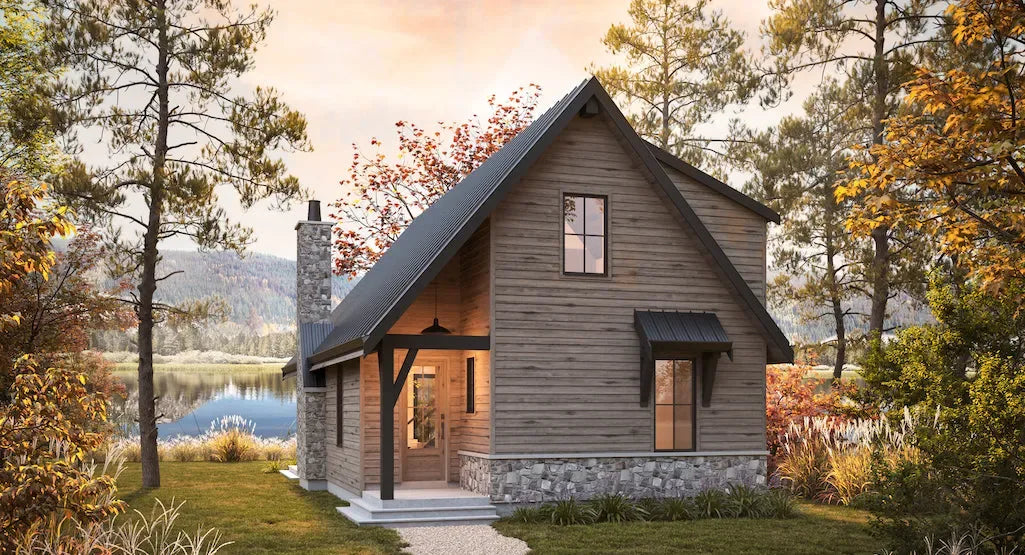
Cottage house plans offer the perfect blend of charm, functionality, and convenience. As a cozy residence for everyday life, this style of home focuses on creating inviting spaces and an enchanting blend of indoor and outdoor living. Open plan concepts invite warmth, hospitality, and ease of movement, making spaces feel more sociable and practical.
Benefits of cottage house plans include:
-
Low maintenance: Cottage designs have low-maintenance exteriors, minimal landscaping, and easy-to-clean layouts.
-
Cost-efficient: The smaller size of cottages often translates into lower construction costs, property taxes, insurance fees, and upkeep costs.
-
Connection with nature: With larger windows, screened porches, and smart access to the outdoors, cottages feel immersed in greenery.
Ranch House Plans
Blending open, functional layouts with mid-century charm, ranch homes are a popular choice for retirees seeking comfort and simplicity. Combining generous space with everyday ease and a timeless architectural heritage, these homes are both comforting and efficient.
Benefits of modern ranch house plans for seniors include:
-
Straightforward layouts: Simplicity defines a ranch-style home, with straightforward layouts, thoughtful flows between rooms, and inherent flexibility in how spaces are used.
-
Open-concepts: Spaciousness is a key feature of ranch homes, with open-plan concepts for living, dining, and kitchen areas, and even master suites.
-
Easy maintenance: Features like one-story, no basements, and a low-sloping roof make interiors and exteriors easy to care for.
Craftsman House Plans
Craftsman homes have a distinct architectural style, with low-sloping peaked roofs, exposed exterior beams, and natural materials both inside and out. As a style that prioritizes simplicity, these plans often operate across one story to create a flexible, accessible, and cohesive living space:
Benefits of craftsman house plans for seniors include:
-
Easy manoeuvring: Symmetrical layouts, arched doorways, and open floor plans enhance ease of movement.
-
Indoor-outdoor connections: Horizontal lines, open concepts, large windows, and sweeping front porches increase engagement with nature.
-
Durability: Their natural materials (like stone, brick, and wood), combined with overhanging roofs, mean craftsman-style homes are built to withstand a range of weather conditions.
Contemporary Single-Story House Plans
One-story house plans come in all shapes, sizes, square feet, and architectural styles. From grand luxury estates to cozy, functional country homes, single-story houses provide convenient access for seniors, children, and those with mobility challenges.
Benefits of contemporary, single-story house plans include:
-
Natural light: Porches, windows, and skylights are frequent features of contemporary homes, with the open plan layouts allowing sunlight and ventilation to flood between rooms.
-
Smooth transitions: Designed to maximize every inch of space, single-storey homes offer an optimized flow to support easy movement throughout the home.
-
Customizable aesthetics: Single-story house plans are available in different architectural designs, enabling you to choose the interior and exterior aesthetic that suits you best.

House Plans for Seniors: Attributes to Prioritize
There are features you’ll find in house plans that specifically improve safety and comfort for senior residents. For example, attributes to consider when searching for senior-friendly home designs include:
-
Thoughtful design: Think about how the design can enhance accessibility, such as step-free entryways, non-slip porch materials, and large bathrooms.
-
Single-stories: One-story house plans provide step-free access around the entire home, supporting mobility and independence.
-
Budget-friendly: Certain attributes can help manage costs in the future, such as energy-efficient lighting, smart home systems, and low-maintenance structures/materials.
-
Interior features: Specific amenities can also help retirees in later life, such as accessible storage solutions and smart kitchen designs.
Resources for Aging in Place
Robust planning is key to helping you find the perfect retirement home for you and your family. Professional support and guidance is available to help you make the right choice. It can also be helpful to utilize online and government support to help you age in place.
Some tips and resources to support aging in place:
-
Consult professionals: Speak to a professional to help assess needs and understand any long-term conditions, such as Certified Aging-in-Place Specialists (CAPS) or geriatric care managers.
-
Utilize local and online resources: Including AARP, NAHB, and the ADA. The National Directory of Home Modification and Repair Resources has a list of home improvement resources for older people.
-
Explore regional grants: State and local agencies may offer financial assistance to help you renovate your home, such as home modification grant funding.
-
Undertake assessments: Assess your needs yourself with helpful tools such as the Ultimate Aging in Place Checklist or the Home Safety For Seniors Checklist.
-
Lean on your support network: Your support network, like your family, caregivers, and community networks, can help you plan ahead and build your perfect home before retirement.
Summary
Aging in place is a beautiful way to embrace later life. The concept allows you to enjoy your retirement days with independence, safety, comfort, and dignity.
We all have an emotional connection to our homes, and this feeling can grow even stronger as we get older. Finding a thoughtful house design that inspires this feeling within you is the most important part of future planning.
Whether you’re building new or modifying an existing home, planning before you reach retirement age helps you uncover the perfect option. With the right house plan and design, you can create a home that grows with you – no matter where life takes you.


