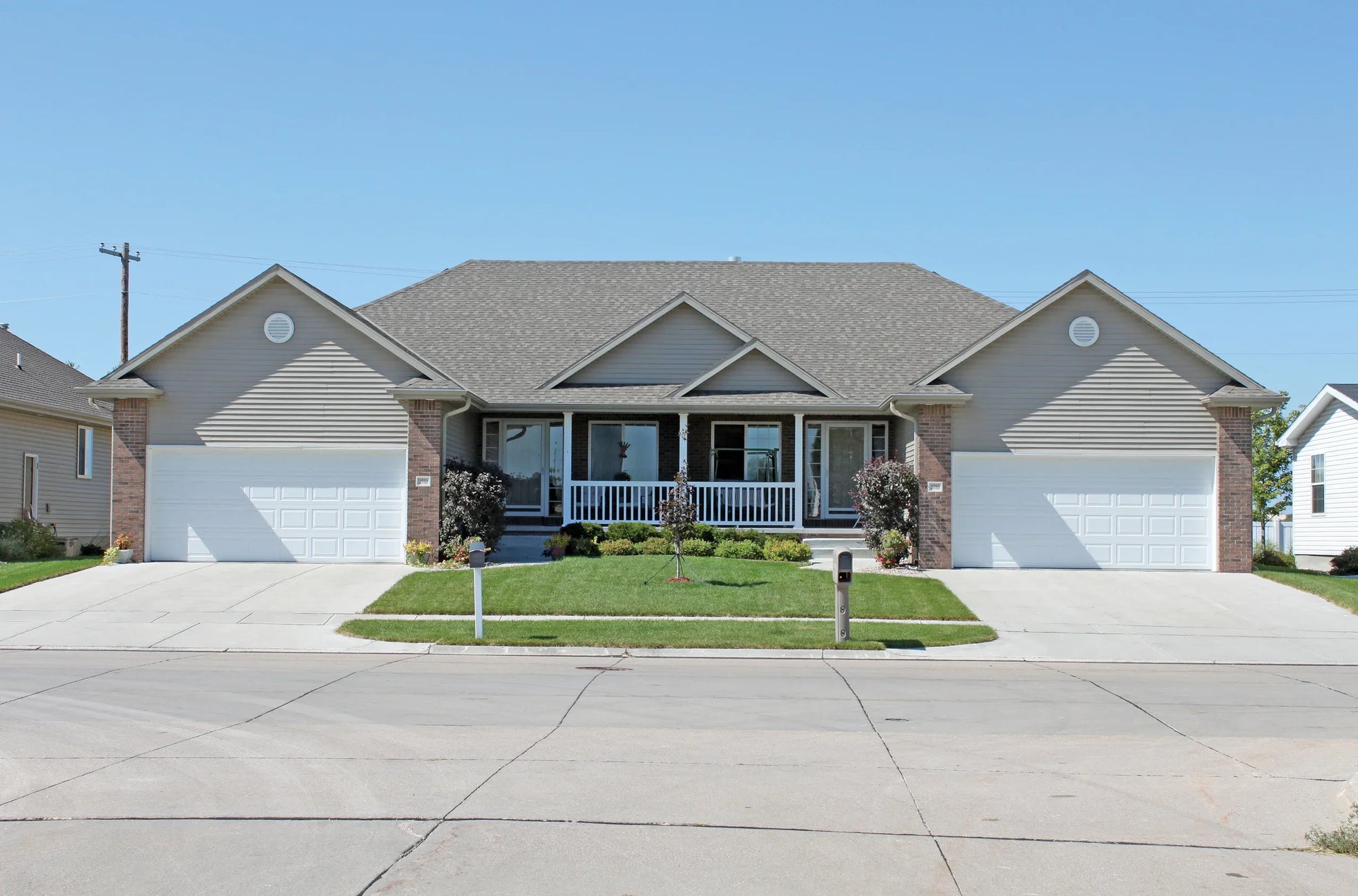
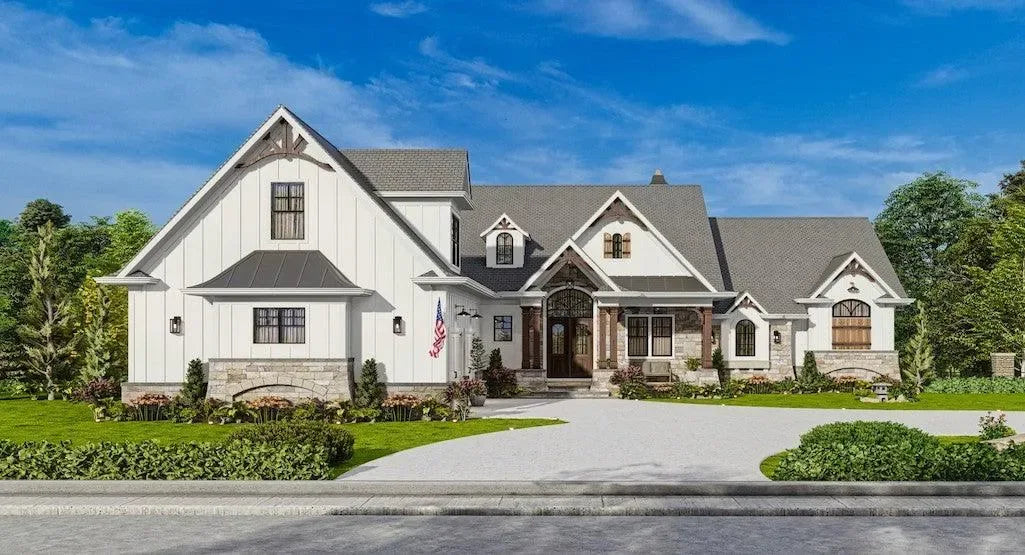
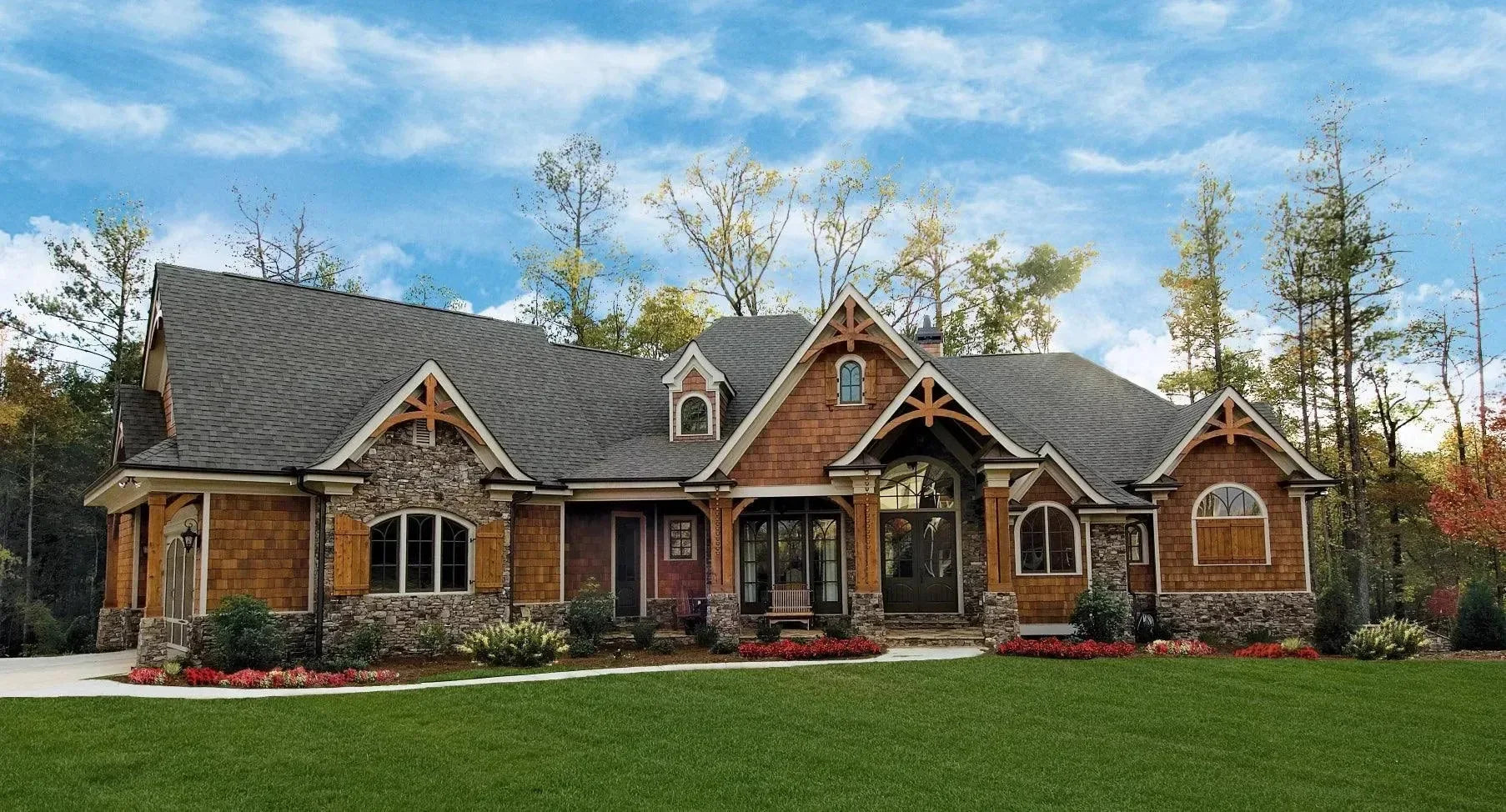
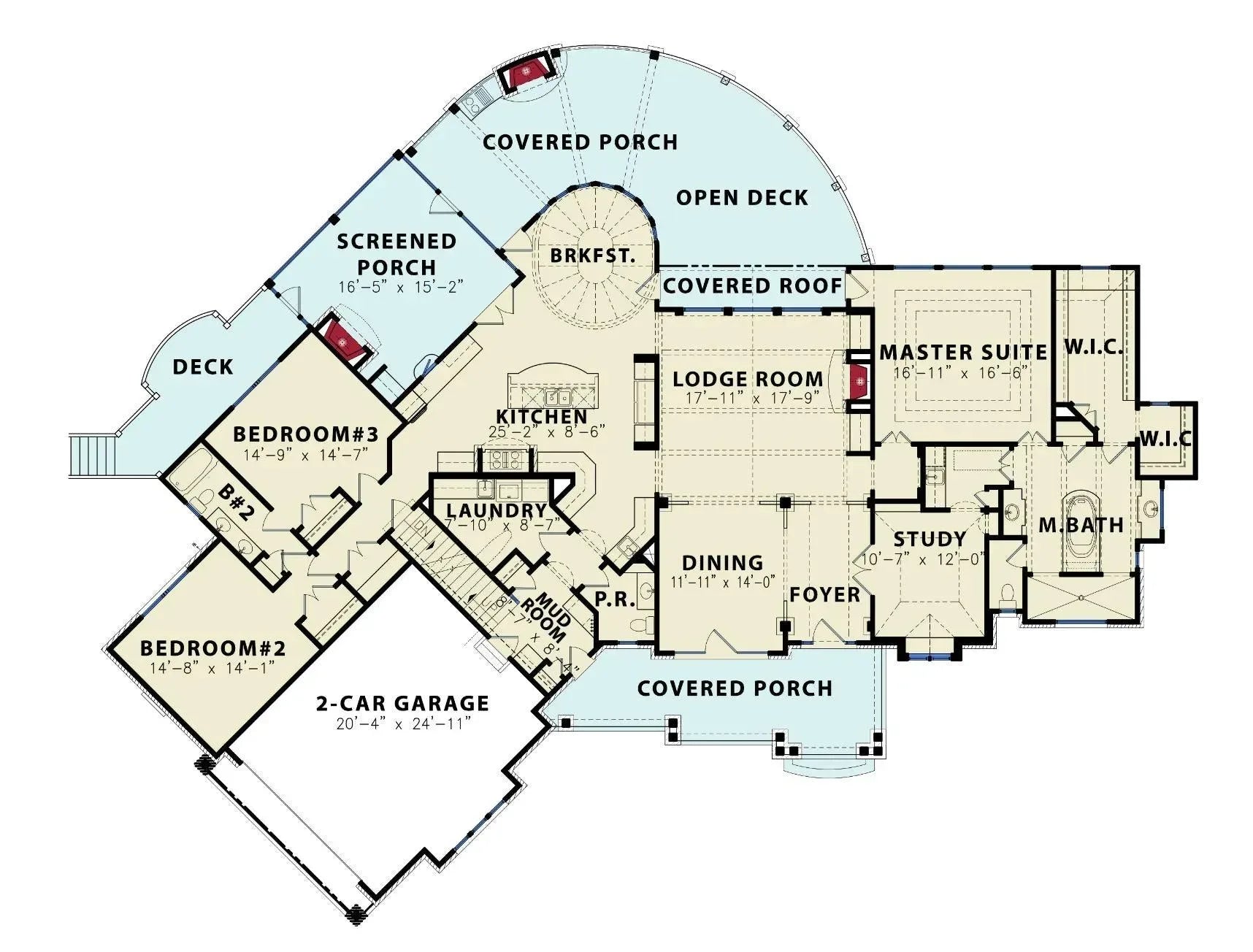
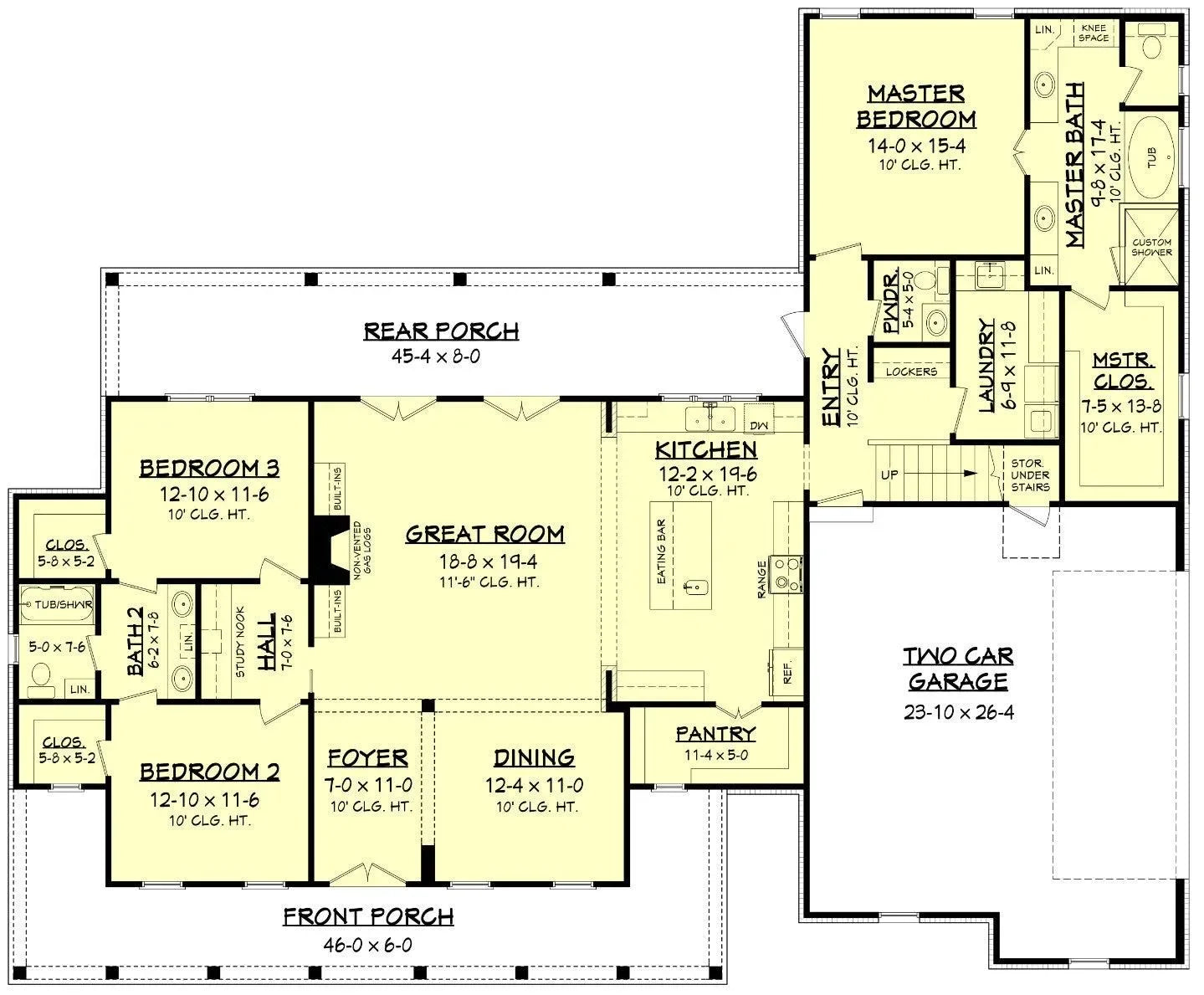
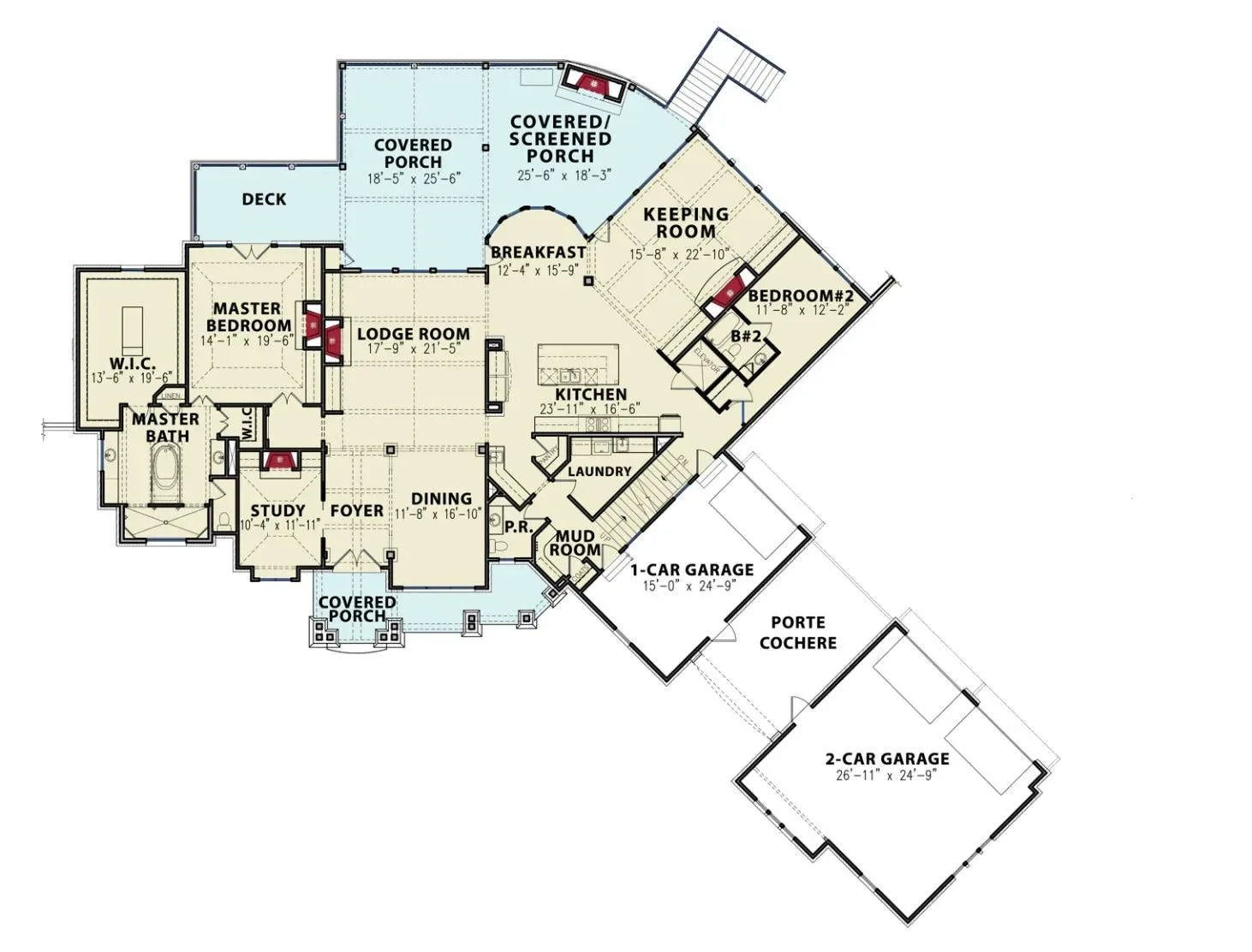
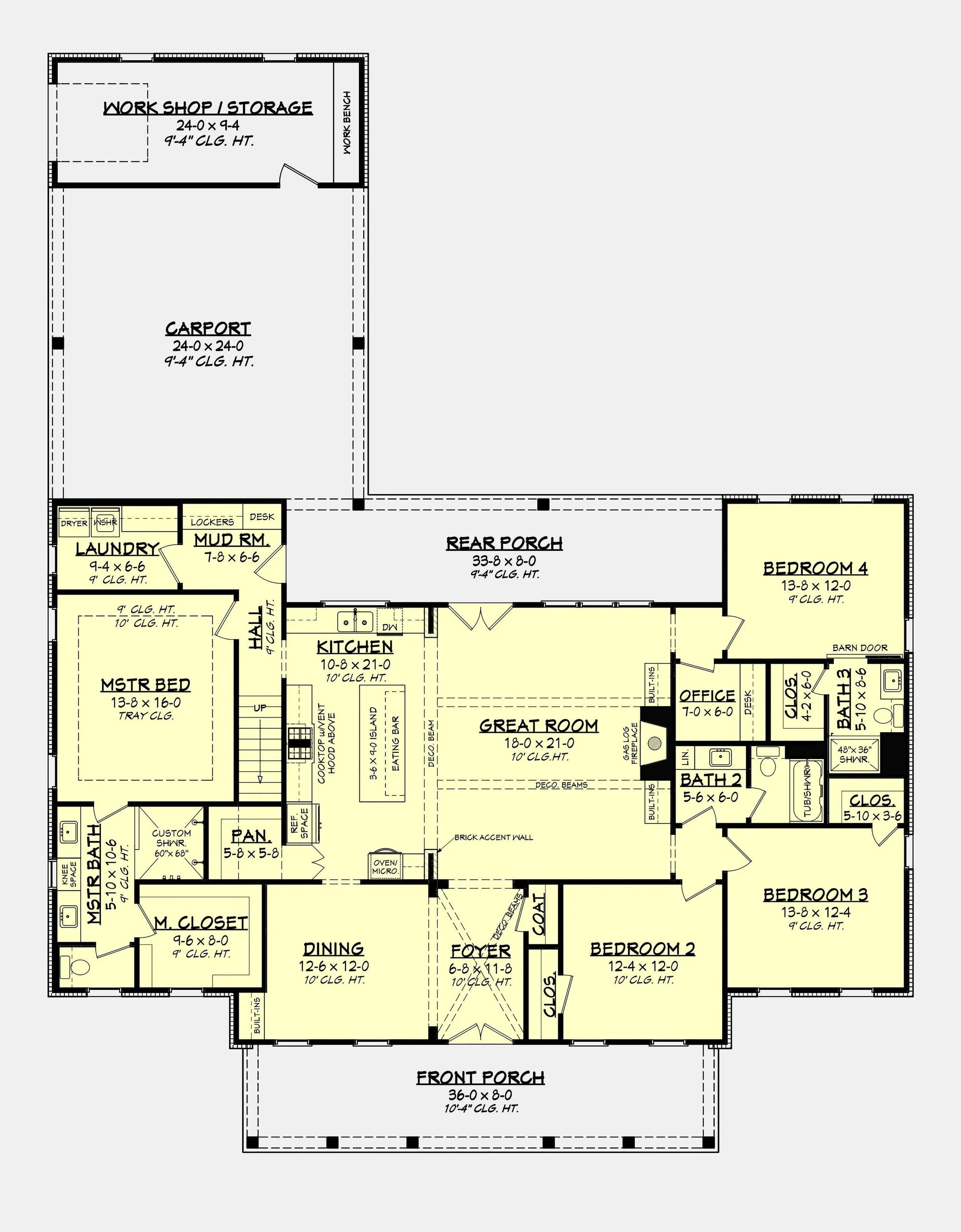
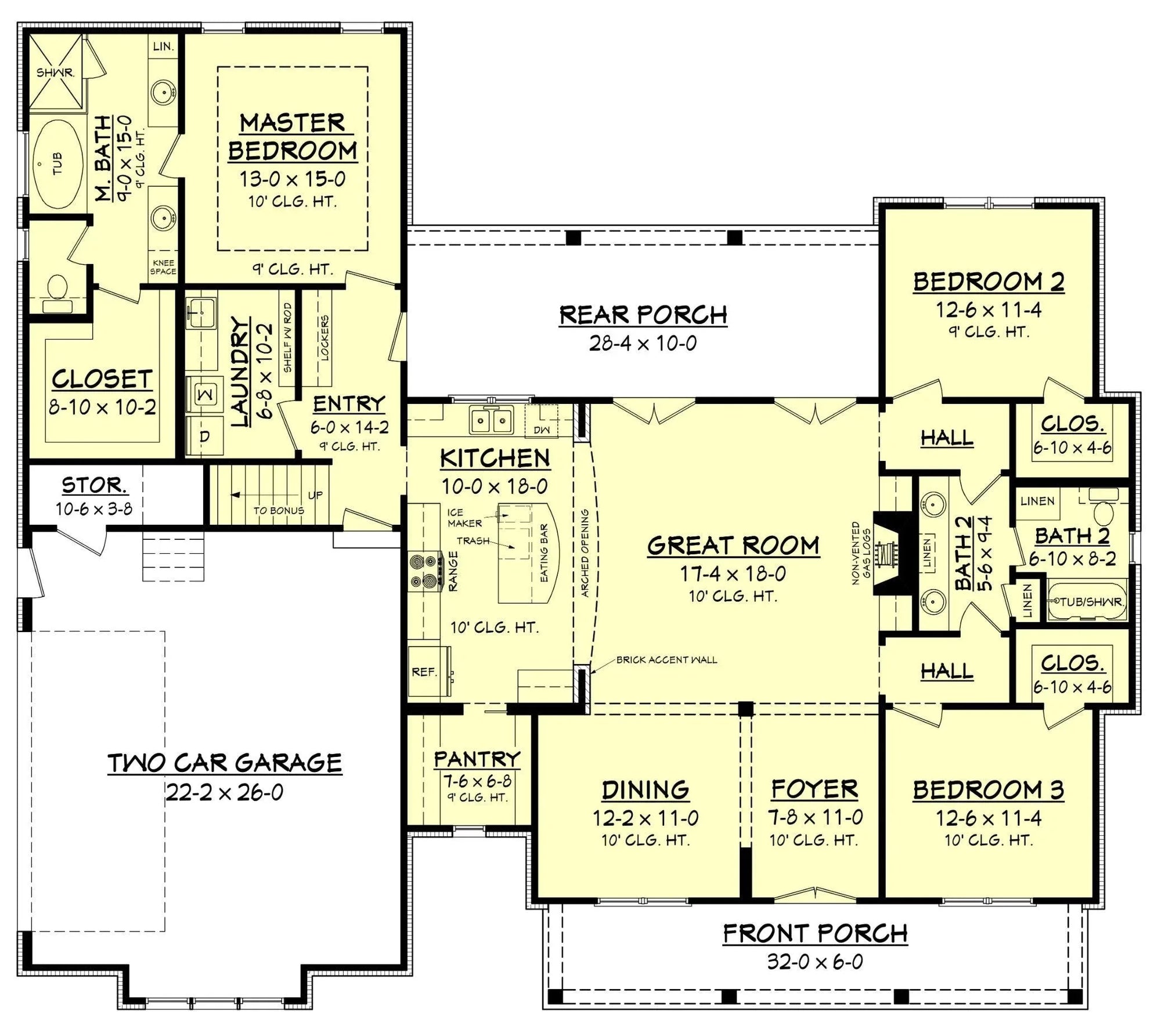
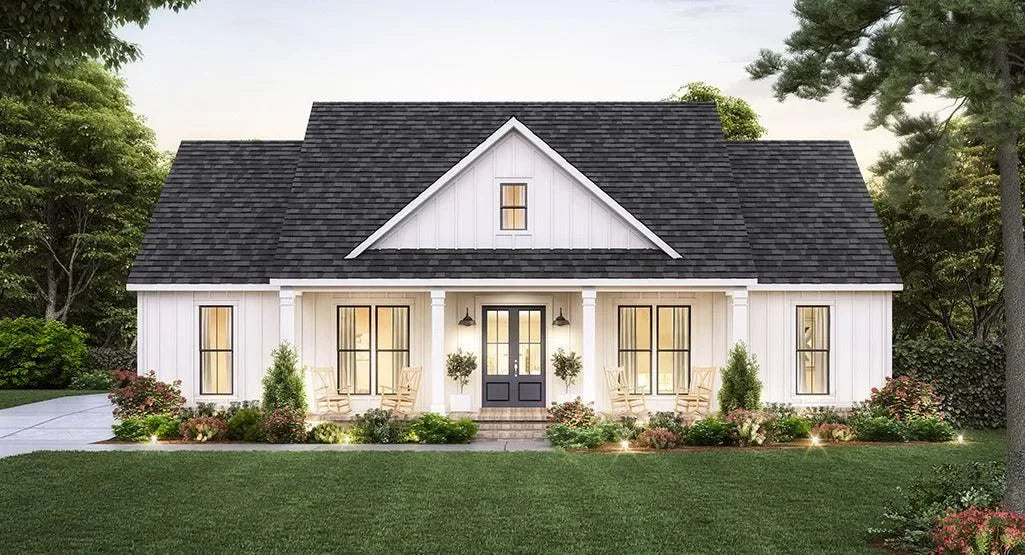
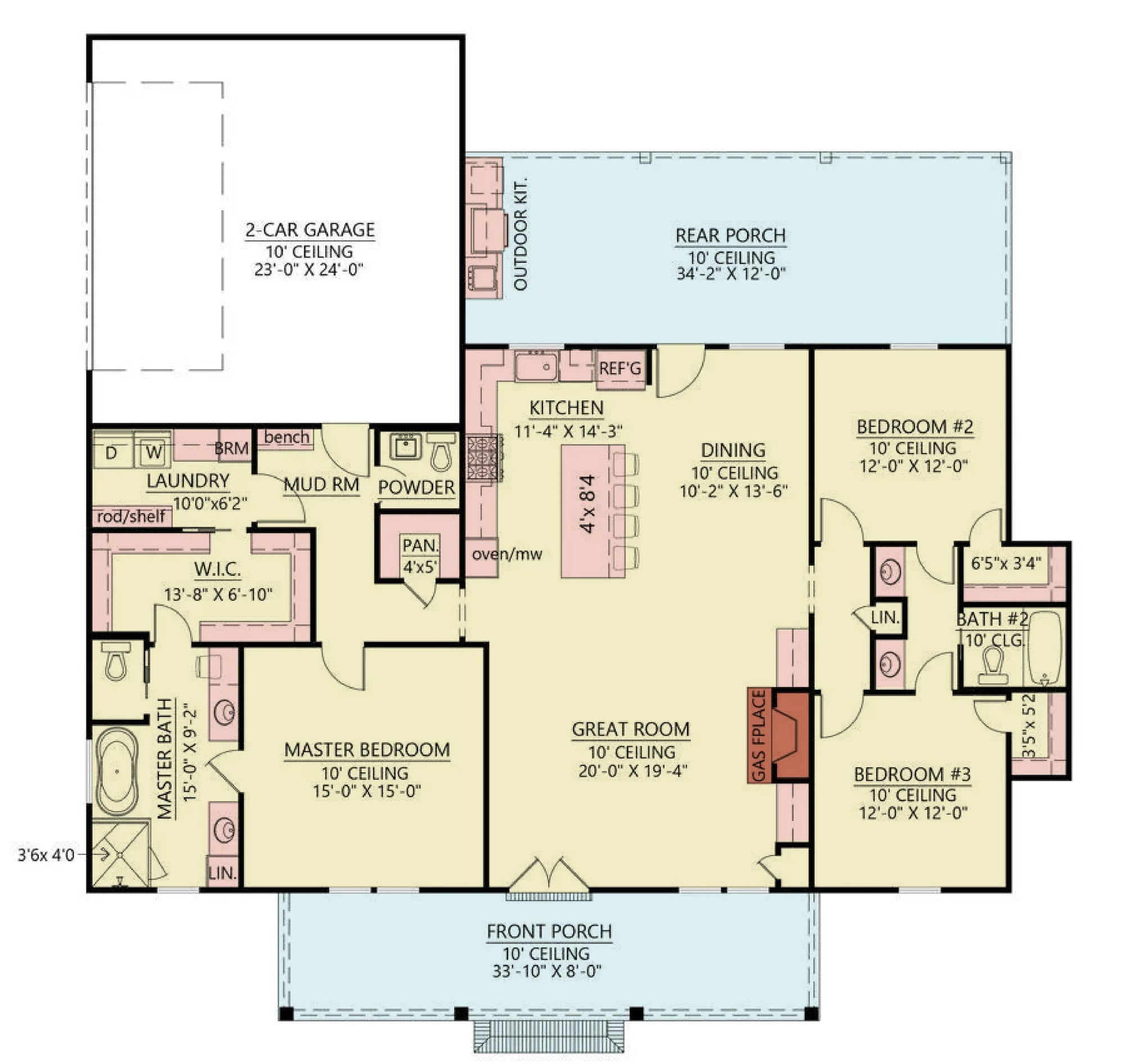
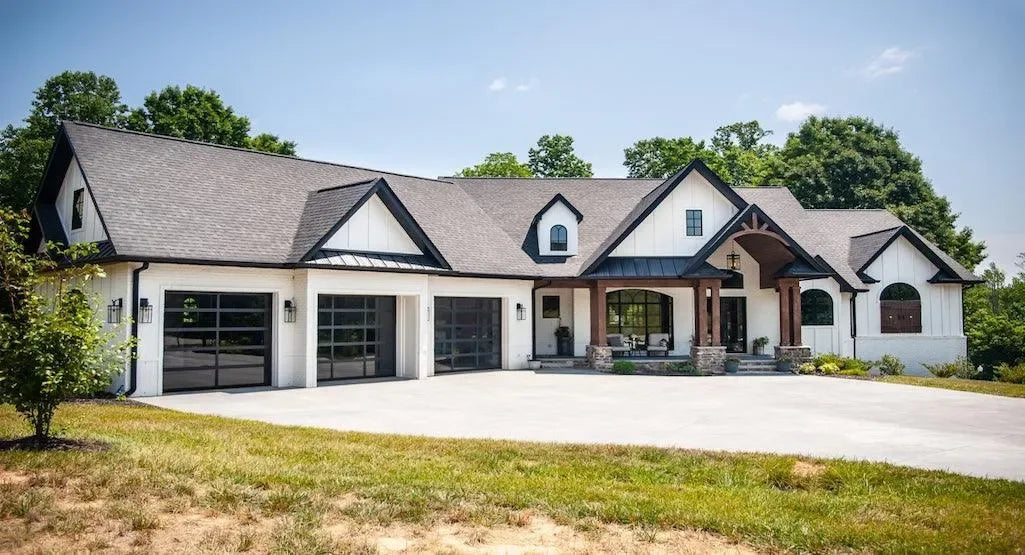
Incorporating an eating bar into a home plan can be a small yet impactful way to make life a little easier. With its convenience and versatility, it offers a practical solution for those leading busy lives.
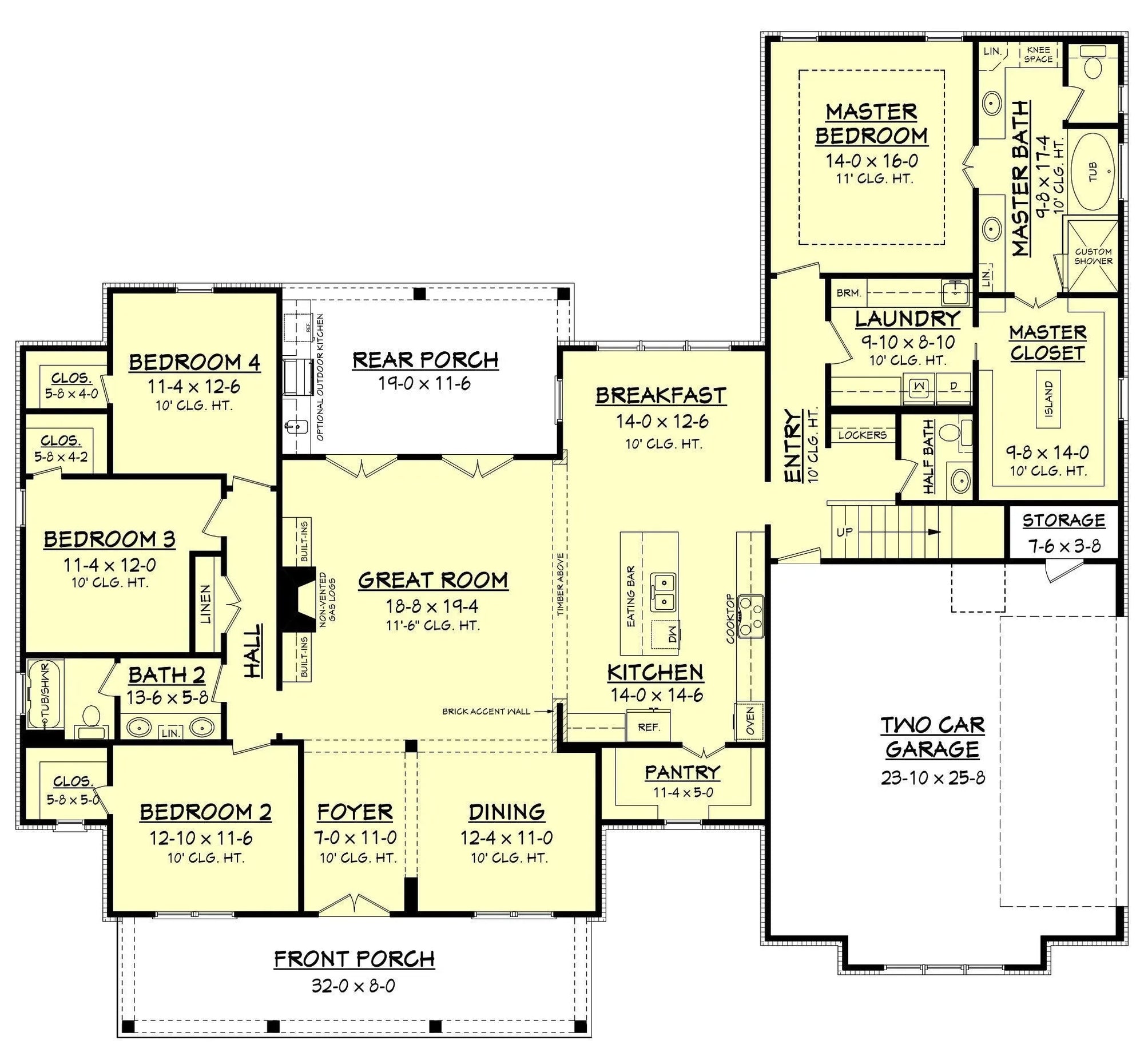
While a breakfast nook or breakfast area can be a desirable feature, sometimes limited square footage or lot size makes it impractical to include in the floor plan. When planning for an eating bar, it's important to ensure there is adequate space and to optimize floor space for comfort and accessibility. The kitchen island’s eating bar can be seamlessly integrated into the kitchen area, providing a convenient space for families to bond over meals, work on homework, or simply catch up with loved ones while cooking.
A large island can offer ample prep space and serve as a central hub in the kitchen area, while a small bar may be ideal for compact homes, maximizing efficiency and fostering close interactions. The eating bar also provides a comfortable spot for everyone to be seated together, enhancing the family dining experience.
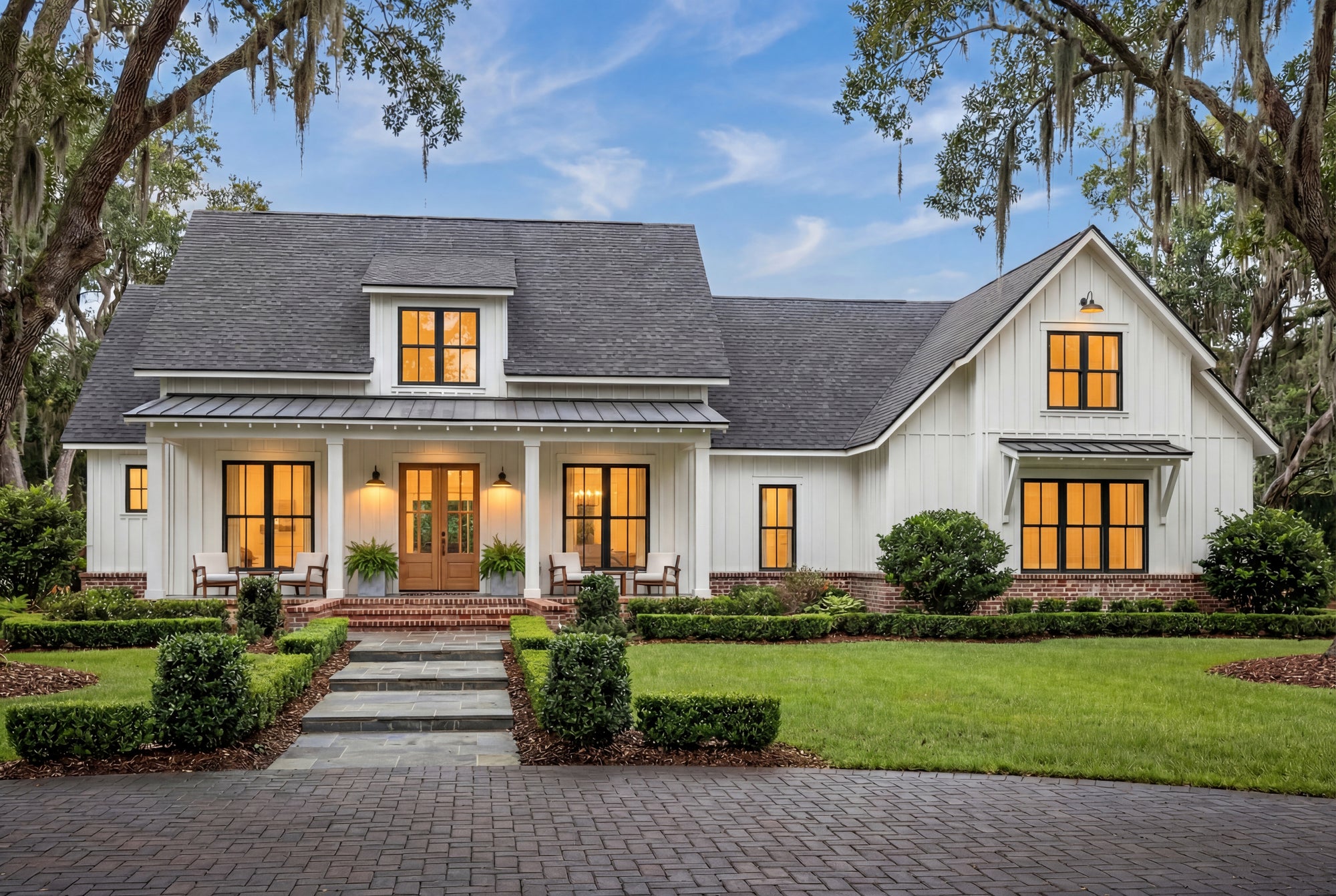
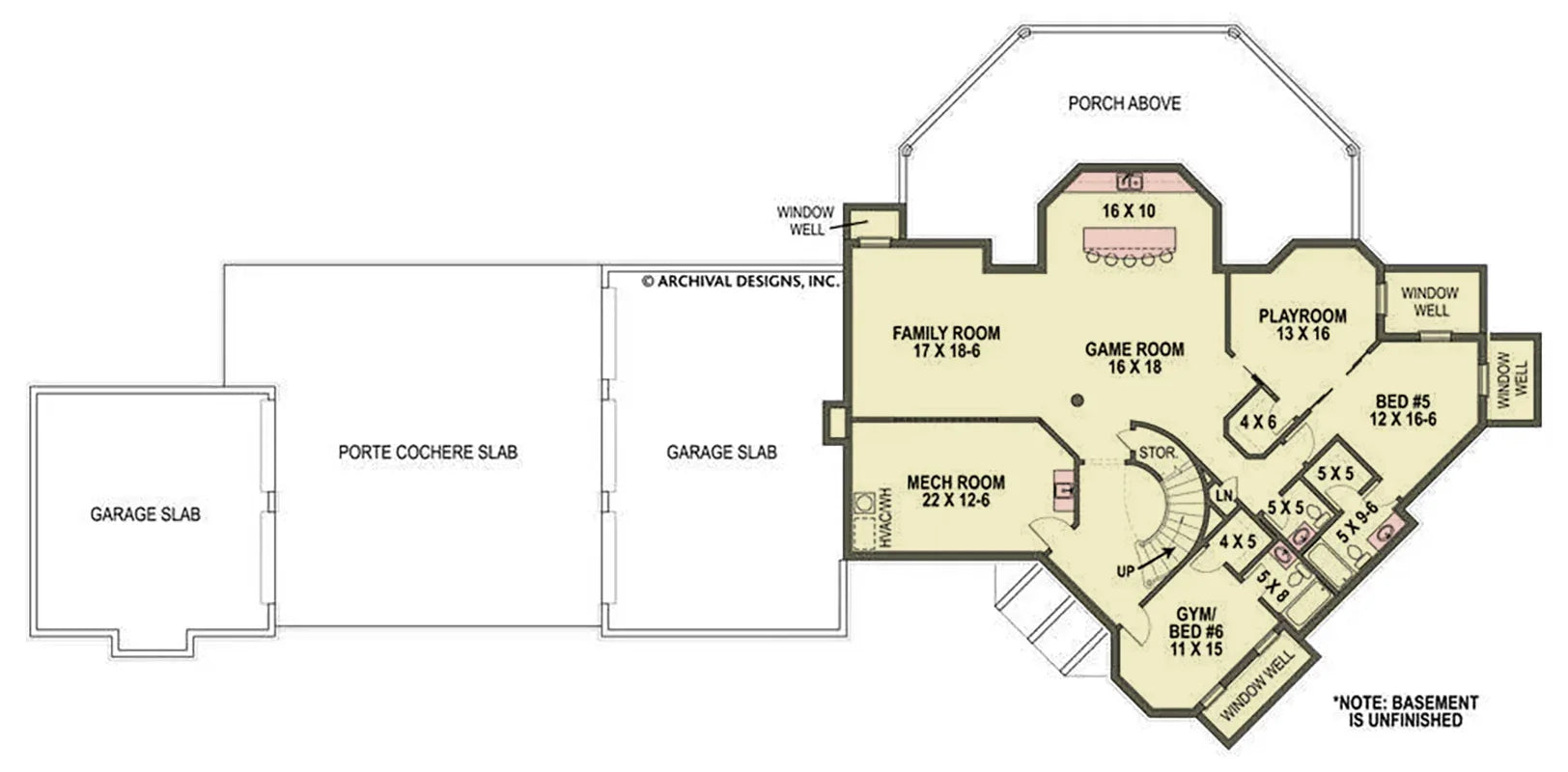
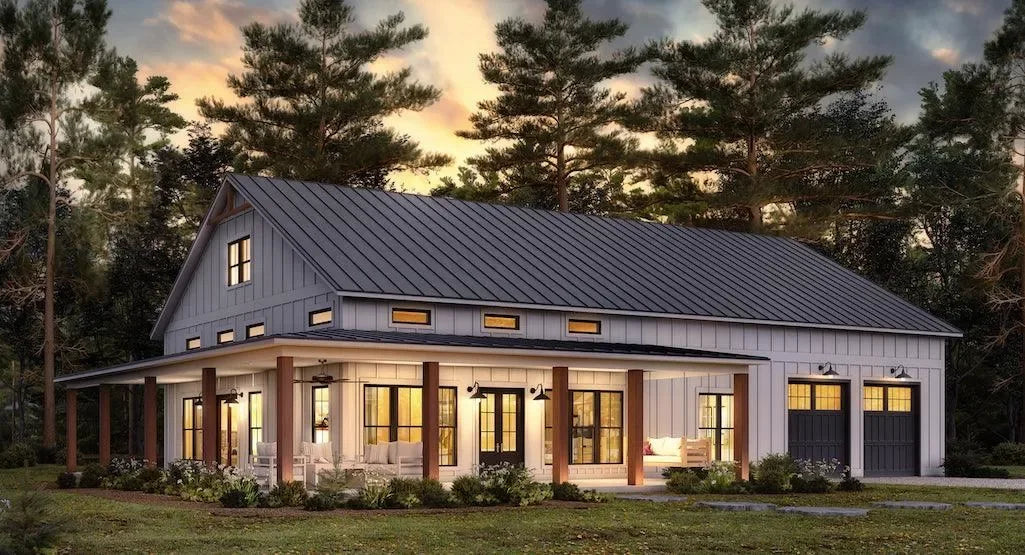
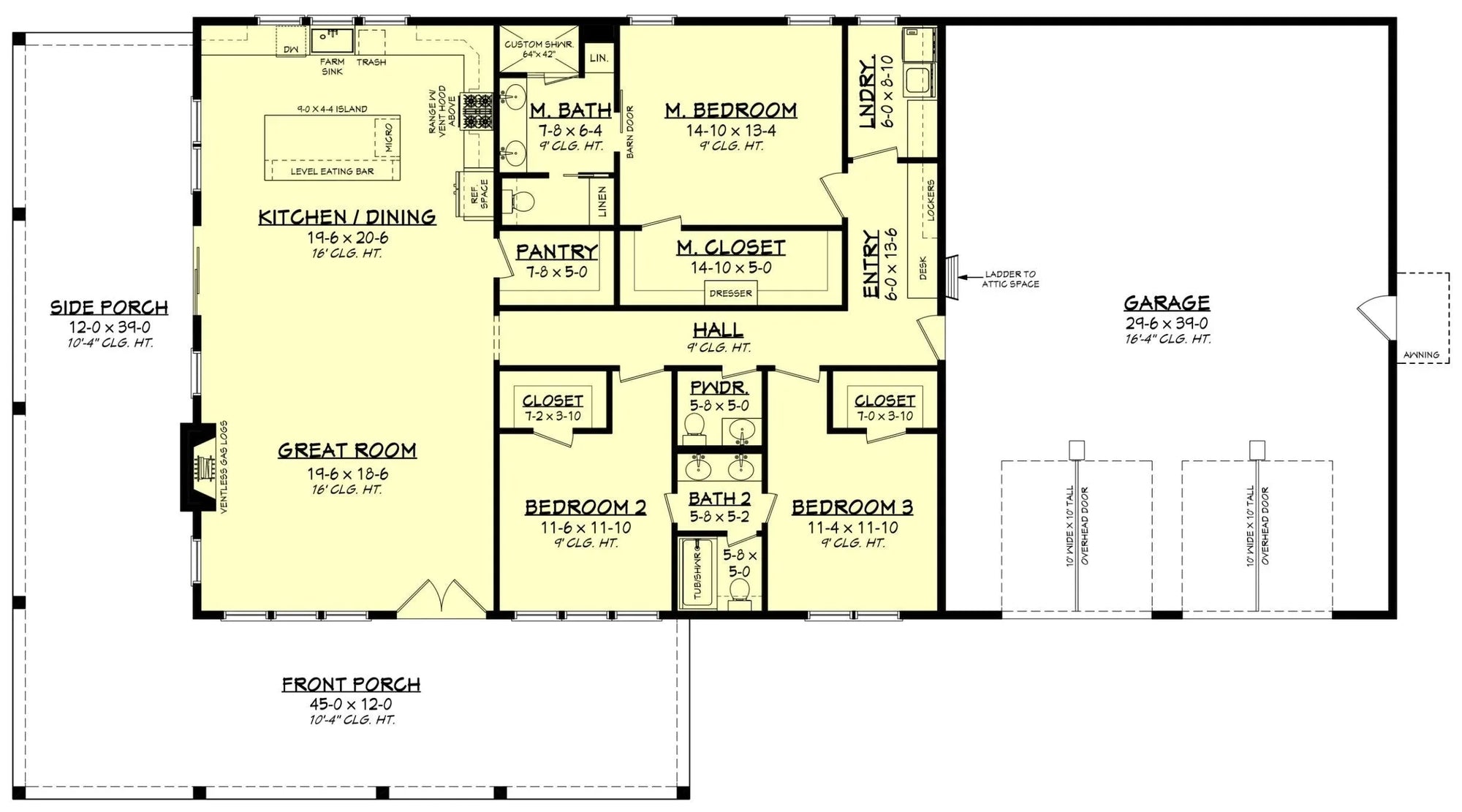
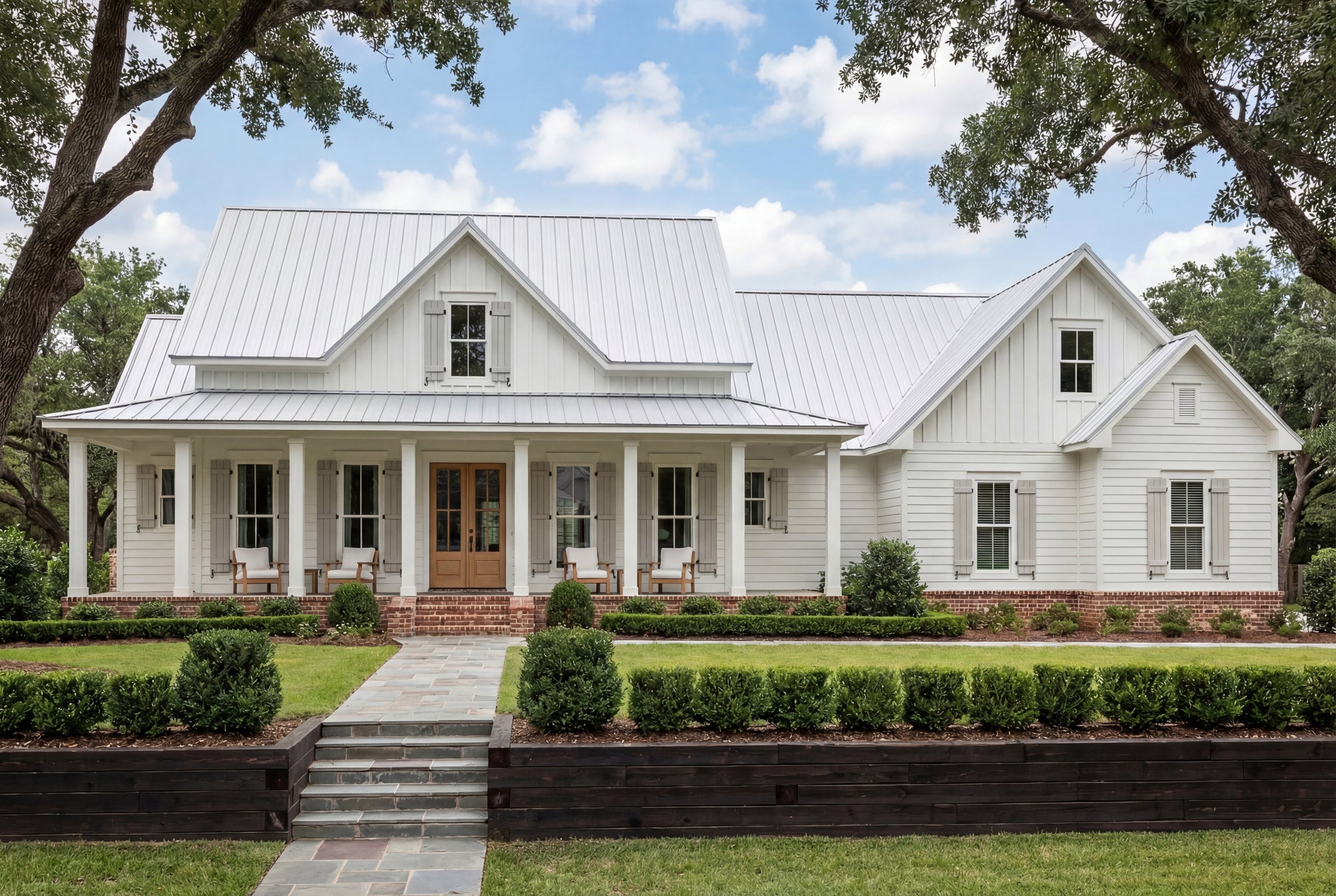
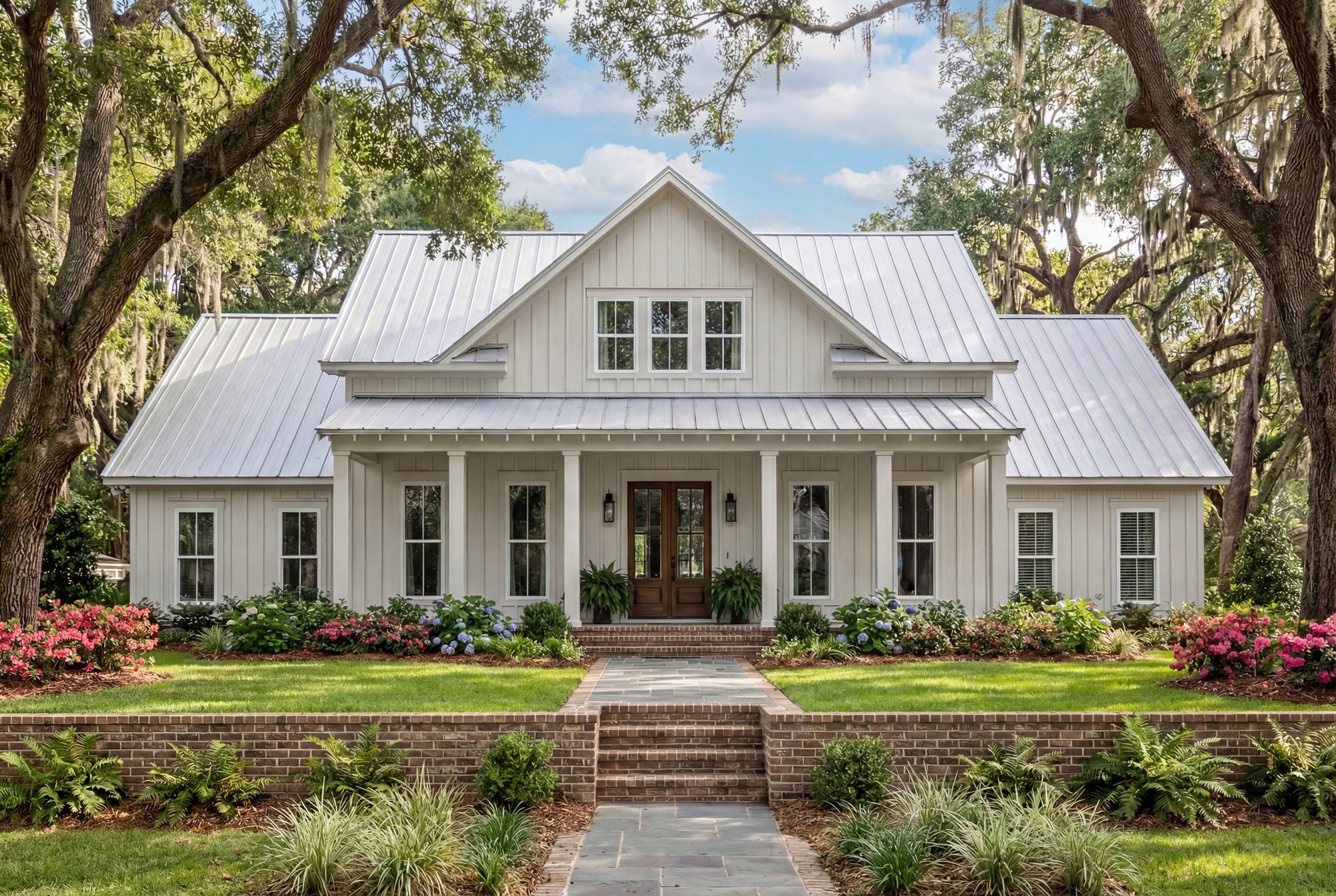
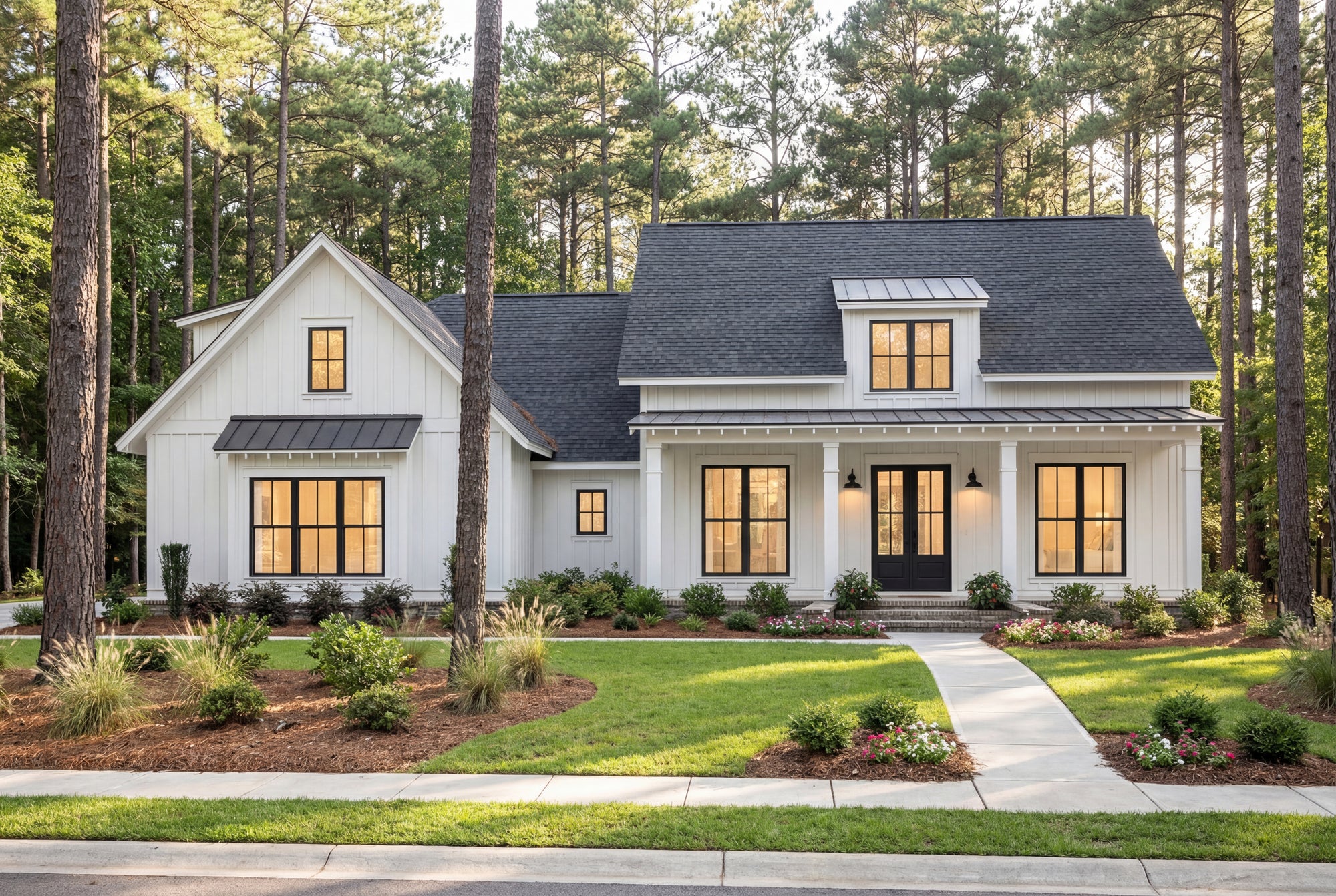
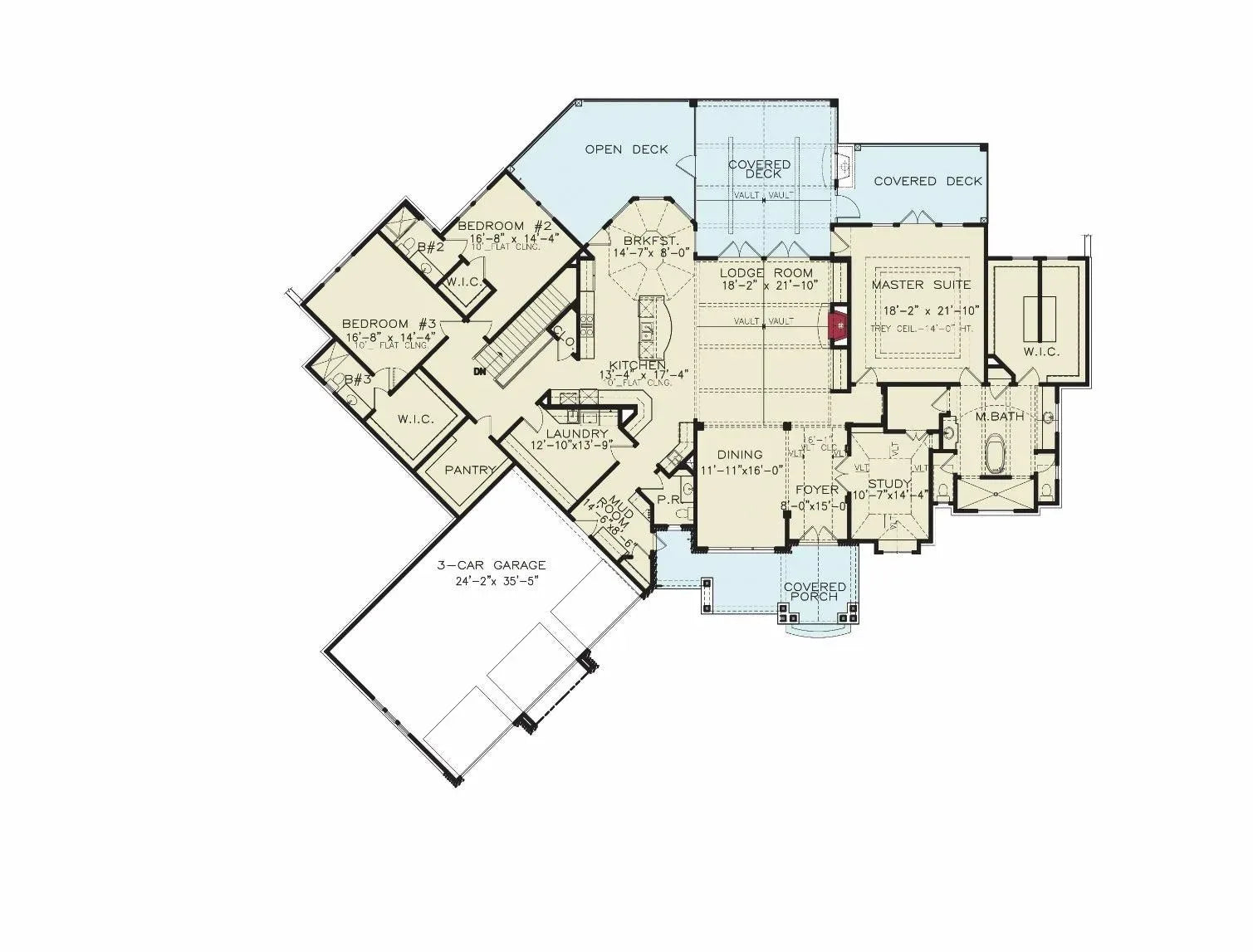
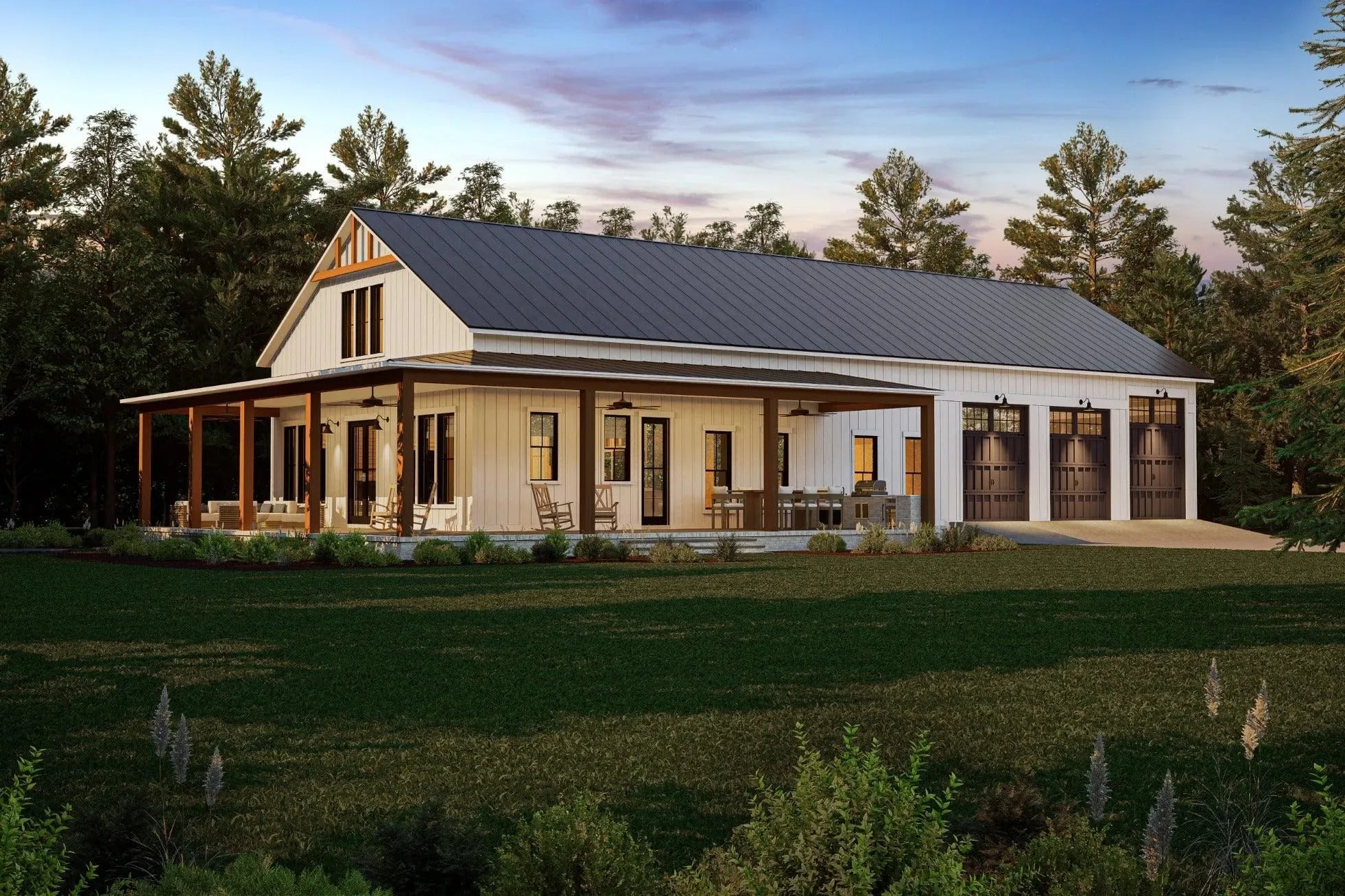
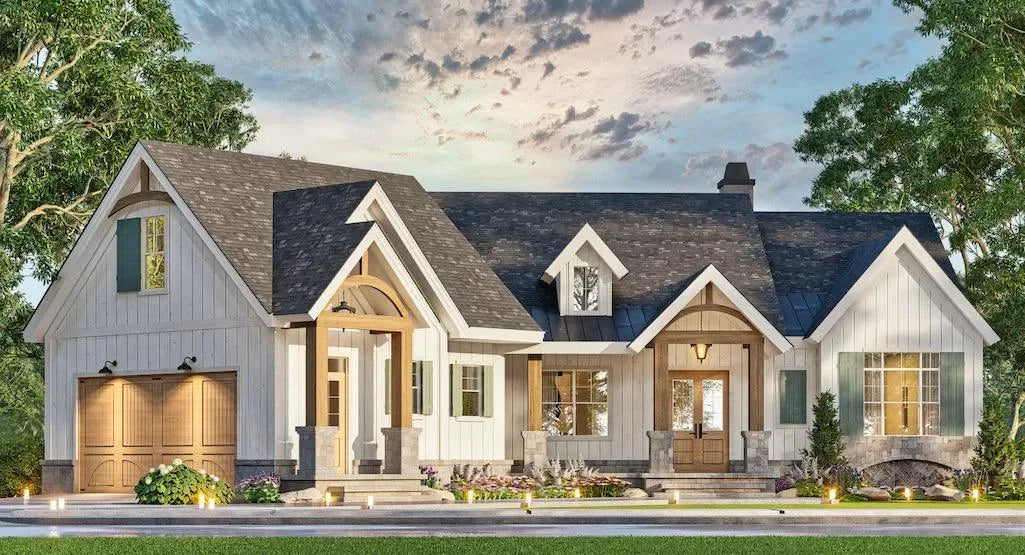
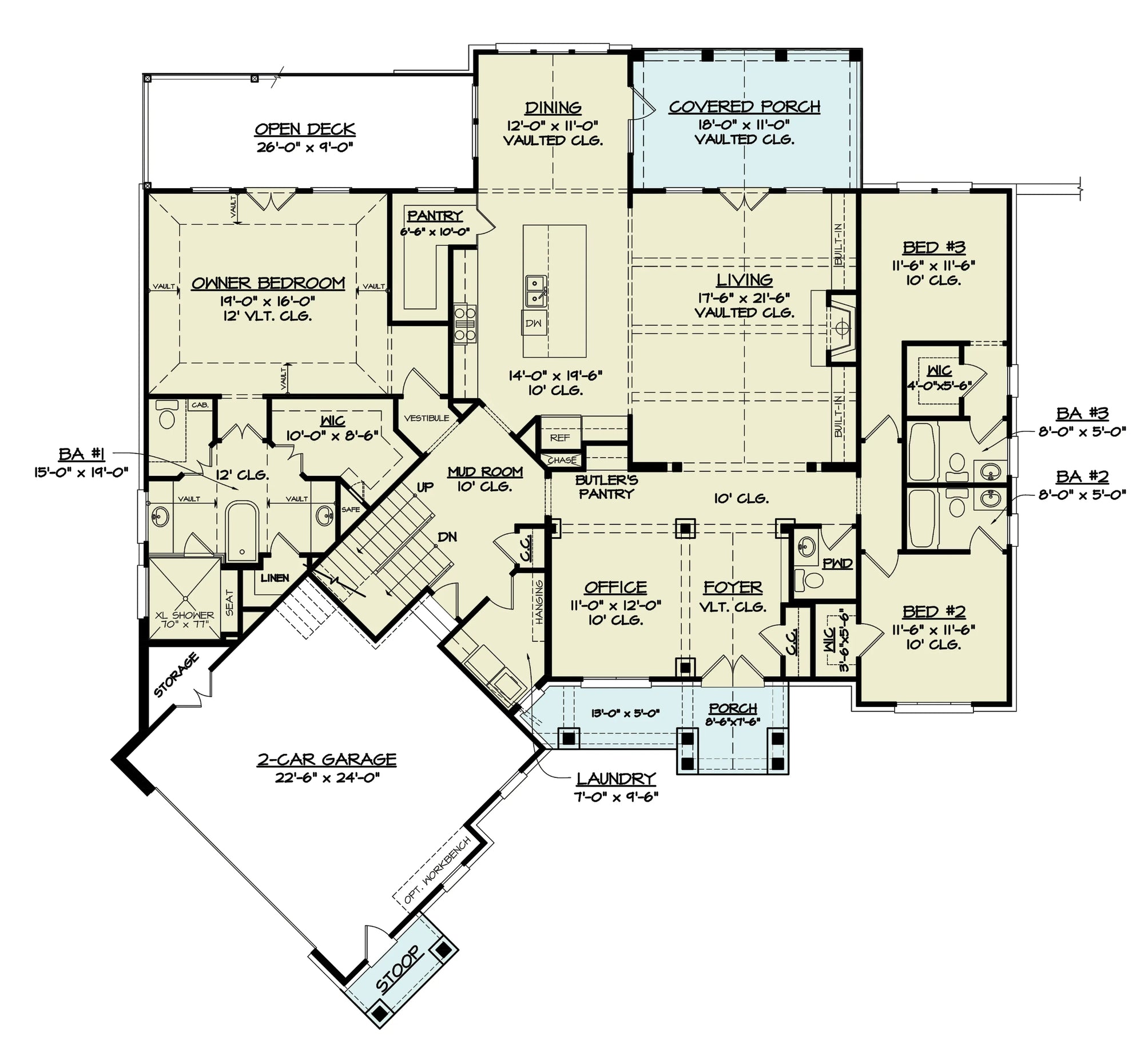
Explore this assortment of house plans featuring both practical and attractive eating bars, each designed to address floor space challenges.
Designing a bar is about more than just aesthetics—it’s about creating a space that delivers an exceptional customer experience while meeting operational needs. The foundation of any successful bar is a well-crafted bar floor plan. This floor plan serves as a blueprint for the entire layout, dictating how customers and staff move through the space, where key features are located, and how the bar complies with local building codes. Whether you’re planning a cozy neighborhood spot or a bustling commercial bar, the right bar floor plan can make all the difference. By carefully considering the type of bar, your target clientele, and the specific requirements set by local building codes, you can create a layout that maximizes both comfort and efficiency. In this section, we’ll explore why bar design matters and what elements are essential for a functional and inviting bar space.
Planning and Design
The planning and design phase is where your vision for the perfect bar floor plan begins to take shape. This stage is crucial for ensuring that your bar is not only visually appealing but also practical and efficient. When creating a bar floor plan, it’s important to think about how customers will move through the space, where service stations and seating areas will be located, and how to provide easy access to all amenities. Thoughtful planning can help you avoid bottlenecks, ensure smooth service flow, and create a welcoming atmosphere that encourages guests to linger. Lighting, sound, and decor should all work together to enhance the overall experience, while the layout should support both staff efficiency and customer comfort. By prioritizing these elements during the planning process, you can design a bar that stands out for its functionality and style.
Bar Floor Plan
A bar floor plan is the backbone of any successful bar layout, providing a clear map of how every element fits together. This detailed diagram should include the placement of the bar counter, seating areas, tables, storage spaces, and essential equipment. The goal is to create ample space for guests to relax and socialize, while also ensuring that staff have enough room to work efficiently. When designing your bar floor plan, consider the unique needs of your establishment—whether it’s a lively entertainment area, a quiet dining room, or a versatile outdoor space. Make sure to allocate sufficient storage areas for inventory and cleaning supplies, and plan for accessible seating to accommodate all guests. By focusing on both the customer experience and operational needs, you can develop a bar floor plan that is both inviting and practical, all while staying compliant with local building codes.
Building Codes and Regulations
Adhering to local building codes and regulations is a non-negotiable part of designing any bar. These rules are in place to ensure the safety, accessibility, and comfort of everyone who enters your establishment. When developing your bar floor plan, it’s essential to account for requirements such as accessible seating areas, emergency exits, and proper lighting and ventilation. Building codes also dictate the minimum space required for bar stools, tables, and storage areas, helping you determine how much space you need to allocate for each element. By integrating these standards into your floor plan design, you not only create a safer environment but also make a strong first impression on your customers. A well-designed, code-compliant bar layout supports smooth customer flow, enhances the overall atmosphere, and helps your business operate efficiently and legally. Taking the time to understand and implement these regulations will set your bar up for long-term success.