Floor Plans with Walk-in Pantry: Organize, Streamline, and Simplify Your Kitchen
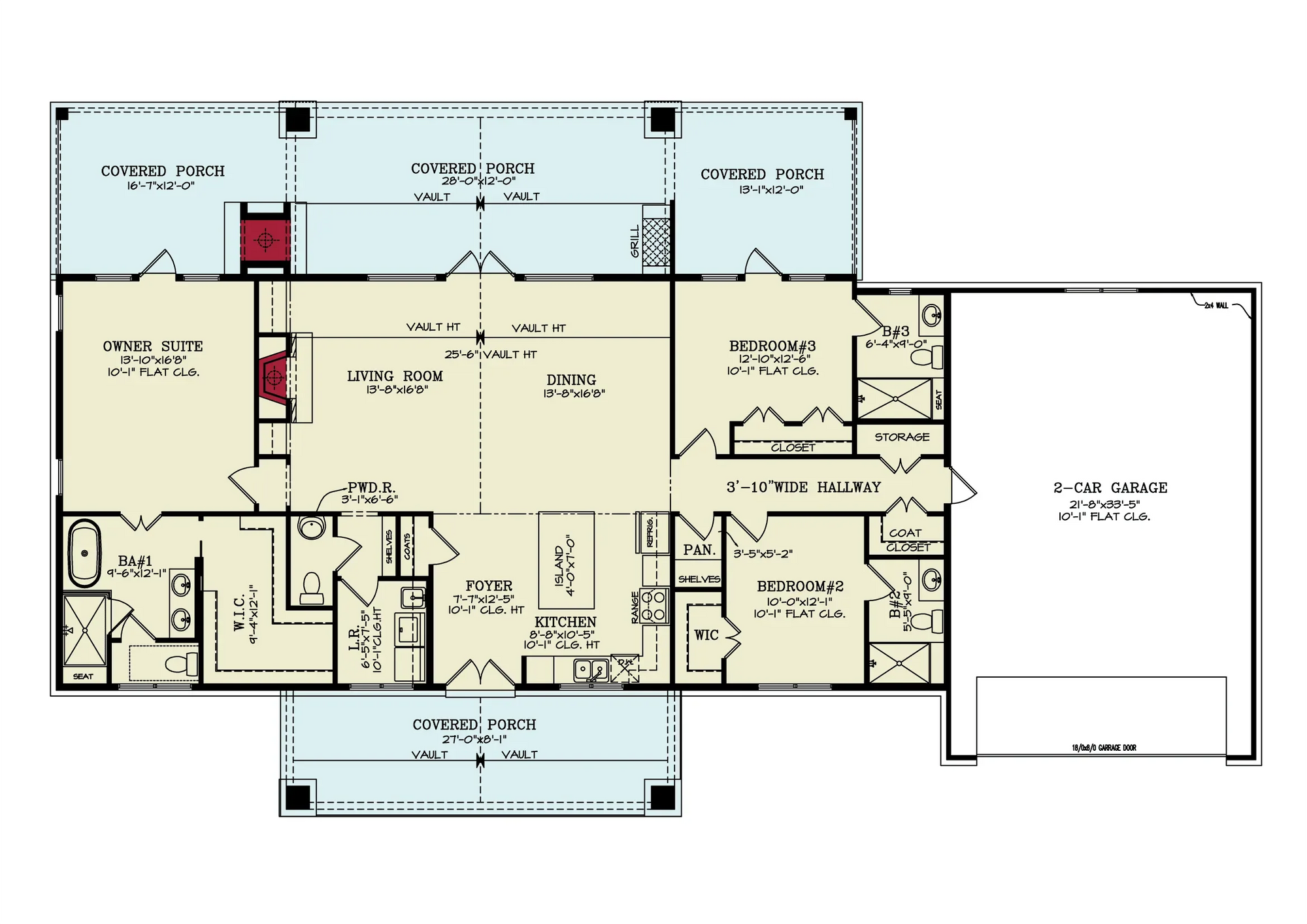
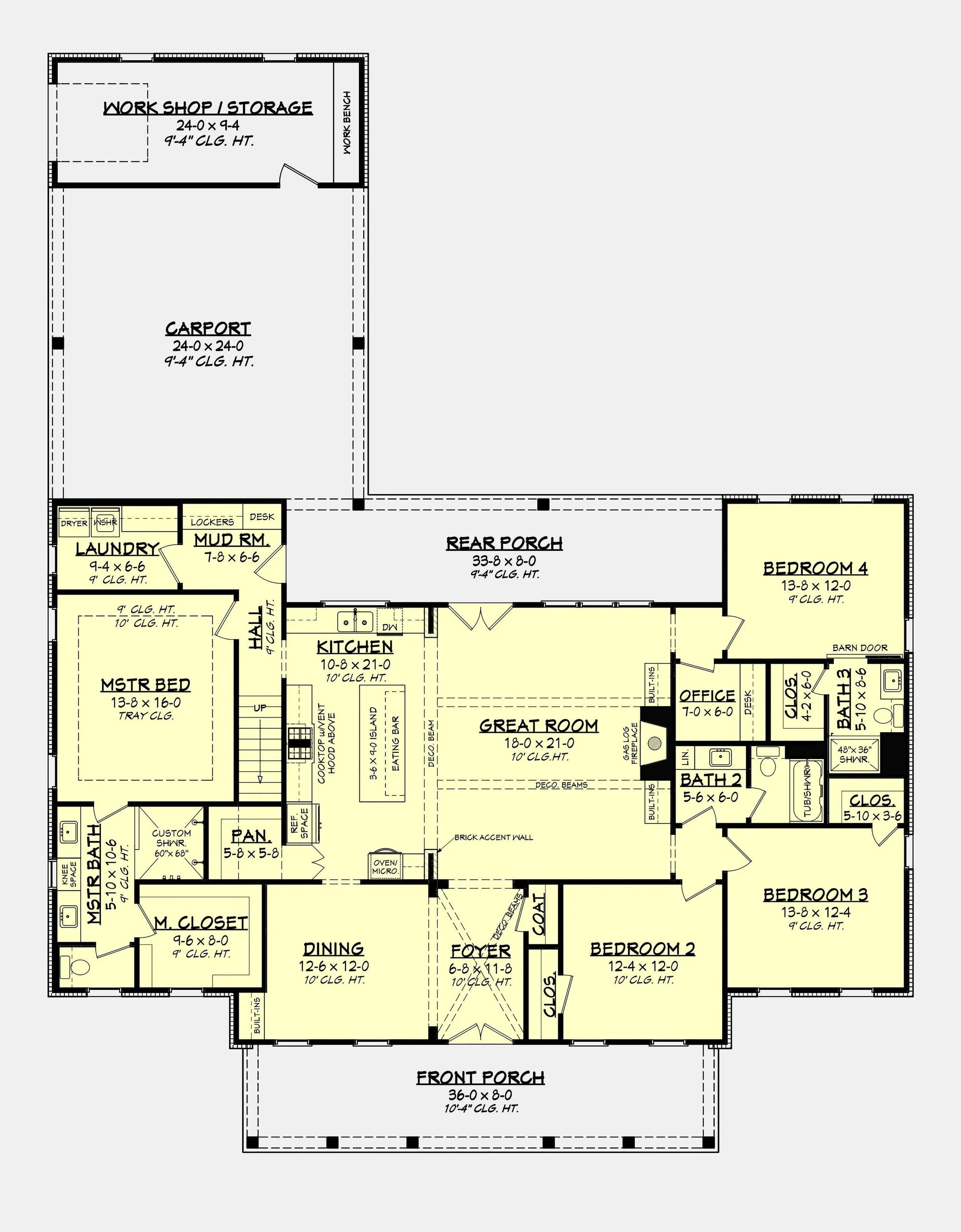
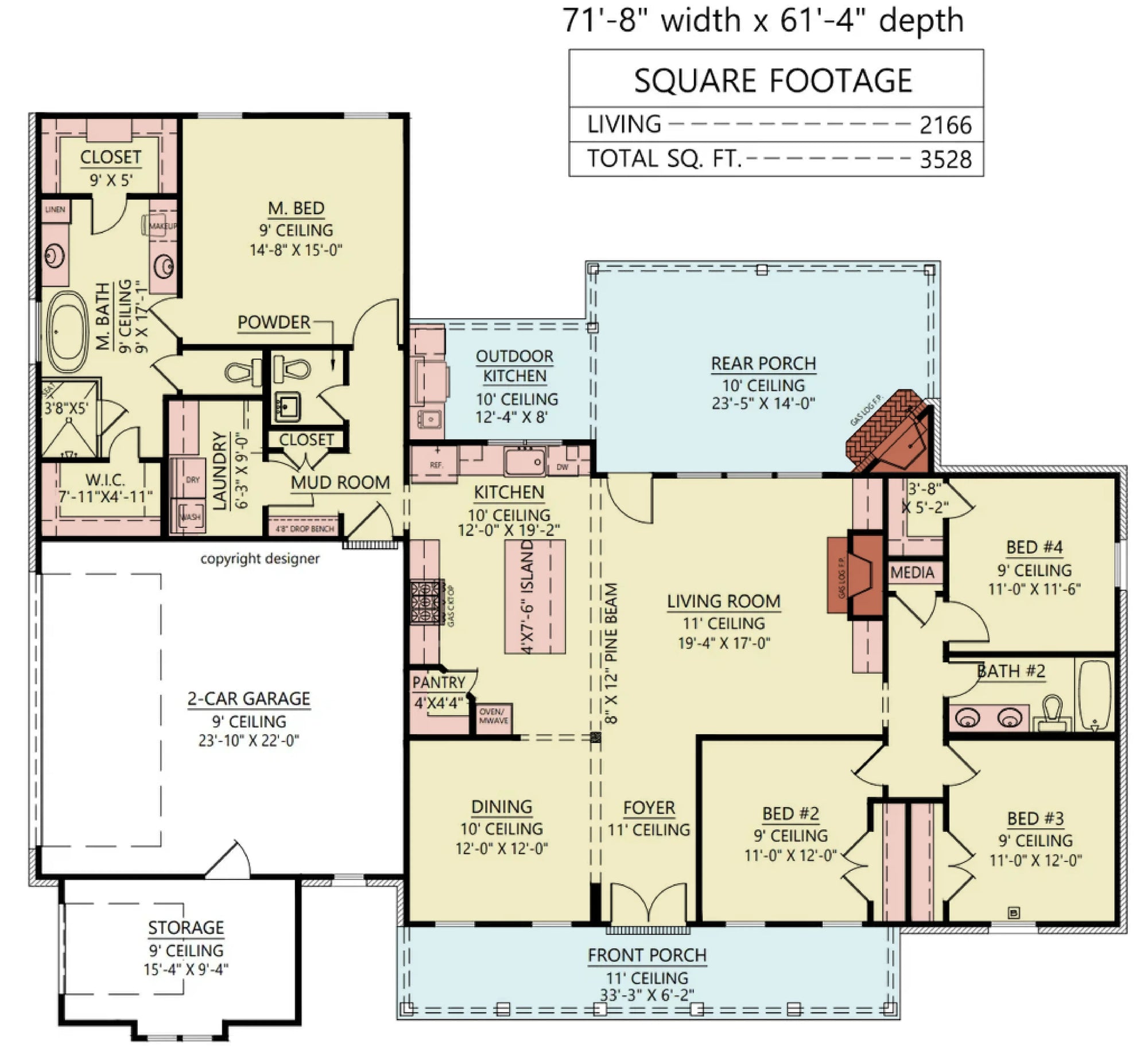
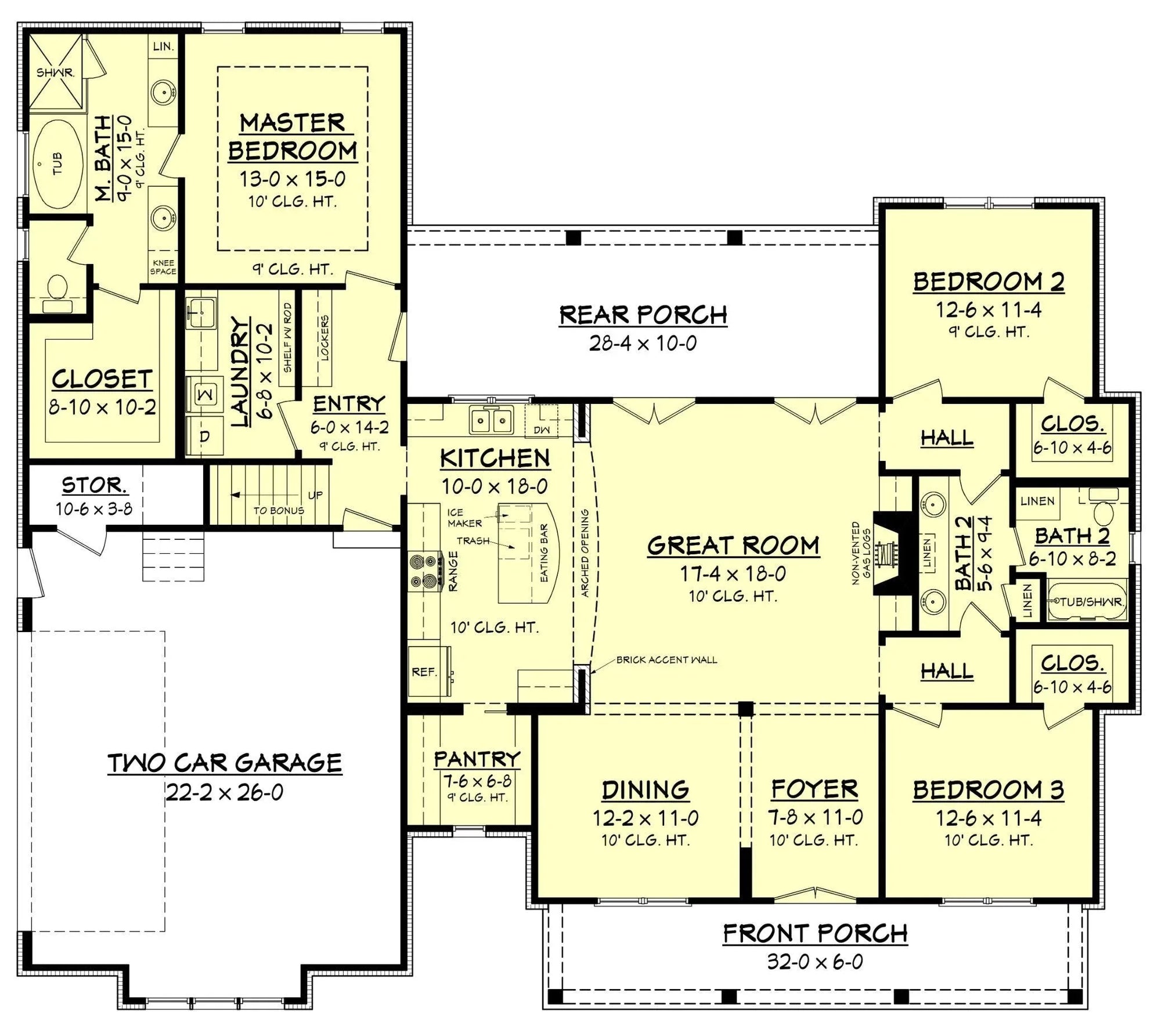
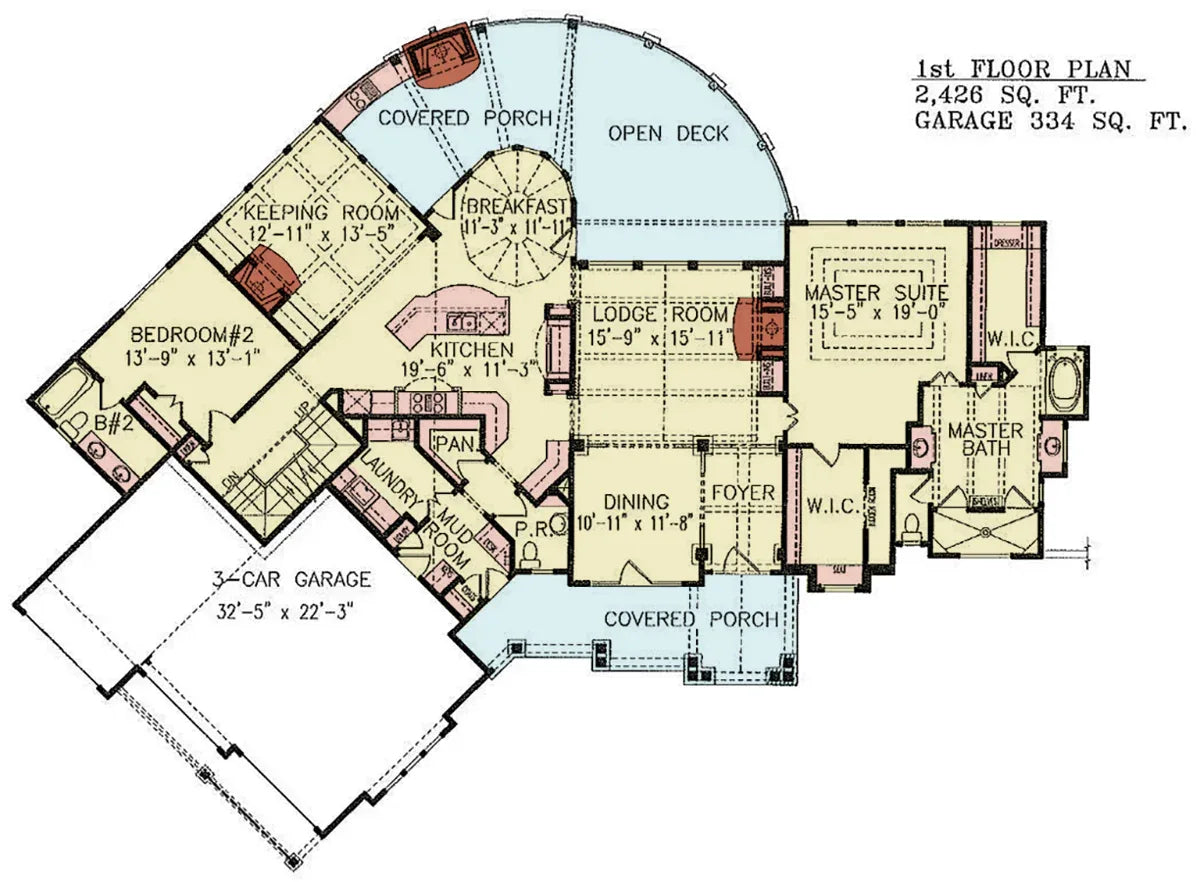
Welcome to our extensive collection of 1658 House Plans with a Walk-in Pantry. The modern kitchen is the heart of the home, and today’s homeowners need more than standard cabinet storage. A walk-in pantry transforms cooking and entertaining into a stress-free breeze, providing dedicated, customizable space for all your food, bulk ingredients, and small appliances. Walk-in pantries are a key feature in maximizing kitchen storage, offering more organizational capacity than standard cabinets and helping you keep your kitchen tidy and efficient.
A dedicated pantry frees up valuable space in your main kitchen, eliminating countertop clutter and ensuring everything is easily located and accessed. This feature is no longer a luxury—it’s a necessary element for efficient, family-focused home design. Walk-in pantries are often found in house plans with a larger kitchen, providing more space and functionality for busy households.
The ease and practicality of a walk-in pantry make cooking and entertaining a stress-free breeze by providing easy access to all your stored items.
Organize all your food, ingredients, and kitchen supplies in your own customizable pantry to easily locate and access exactly what you need, ensuring your kitchen storage is always optimized.
Having a walk-in pantry frees up space in your kitchen for other essentials, offering extra storage where you really need it. And if you need even more pantry space, plus some extra features such as a wet bar, consider a house plan with a butler’s pantry—a specialized storage space adjacent to the kitchen, perfect for storing linens, serving ware, and infrequently used items, while optimizing accessibility and organization.
Walk-In Pantry House Plans: Floor Plans with Walk-In Pantry
The ease and practicality of a walk-in pantry make cooking and entertaining a breeze.
Organize all your food, ingredients, and kitchen supplies in your own customizable pantry to easily locate and access exactly what you need. A walk-in pantry is essential for efficient food storage, allowing you to use specialized containers and strategic organization to keep everything fresh and accessible.
A well organized pantry maximizes storage, improves visibility, and streamlines meal prep, making your kitchen more functional and enjoyable.
Having a walk-in pantry frees up space in your kitchen for other essentials, offering additional storage where you really need it. Open shelves in a walk-in pantry are ideal for storing cans and other frequently used items, keeping them within easy reach. And if you need even more pantry space, plus some extra features such as a wet bar, consider a house plan with a butler’s pantry, which is large enough to store both food products and additional items like china and cutlery.
Why Everyone Wants a Walk-in Pantry Now
Walk-in pantry floor plans have gone from luxury to necessity for homeowners today who actually cook at home. More and more homeowners are choosing to install a new pantry or upgrade their existing space to improve kitchen storage and organization.
A walk-in pantry gives you real storage space that beats cramming everything into those narrow kitchen cabinet slots. Instead of playing Tetris with your groceries, you get a whole room for organizing food, small appliances, and kitchen essentials.
House plans with walk-in pantry space make cooking and entertaining way easier. You can store bulk stuff, seasonal appliances, and all those random kitchen gadgets without your kitchen looking like a bomb went off. Families who cook regularly find that having this space totally changes how they use their kitchen.
Different Pantry Setups
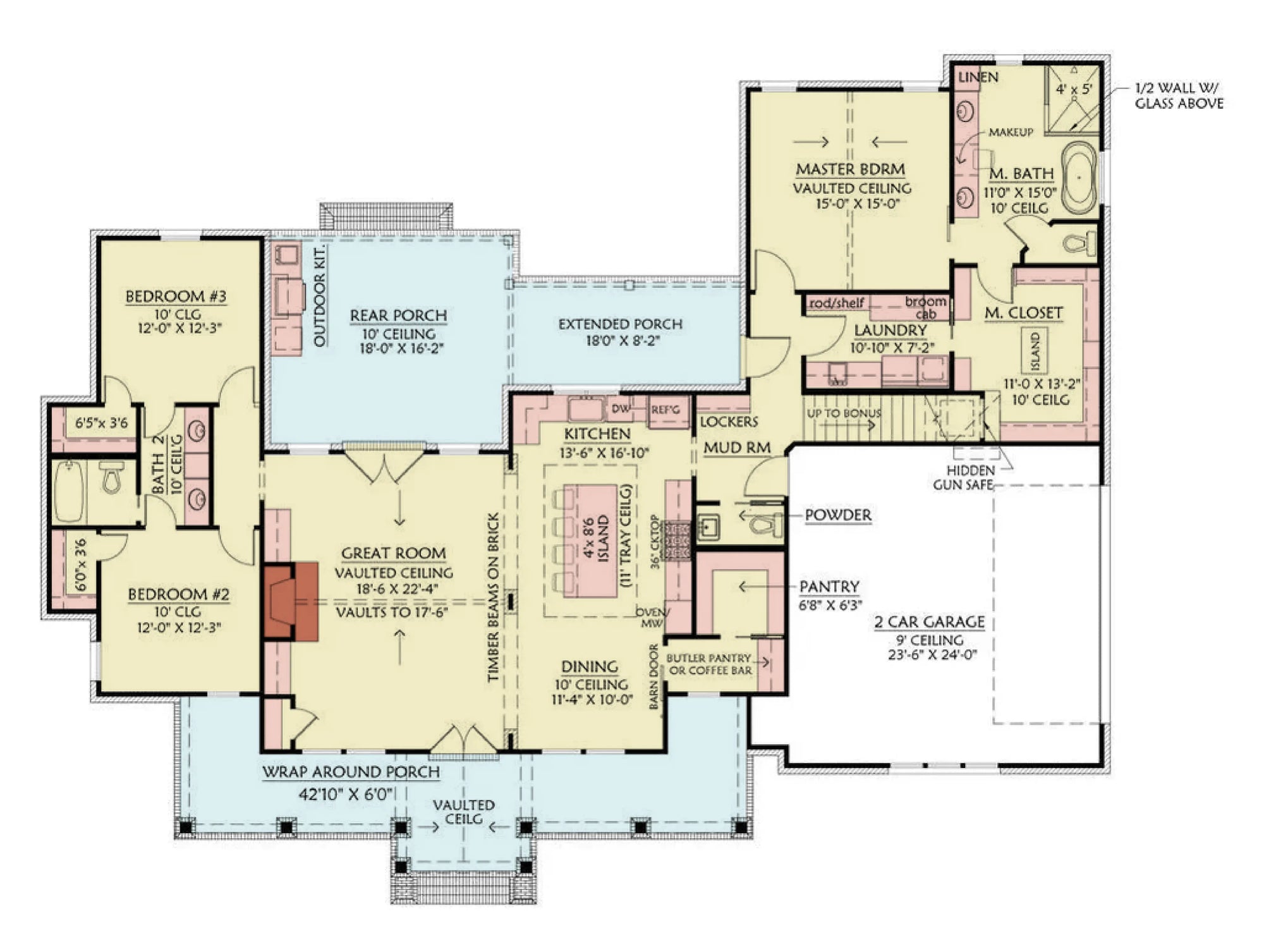
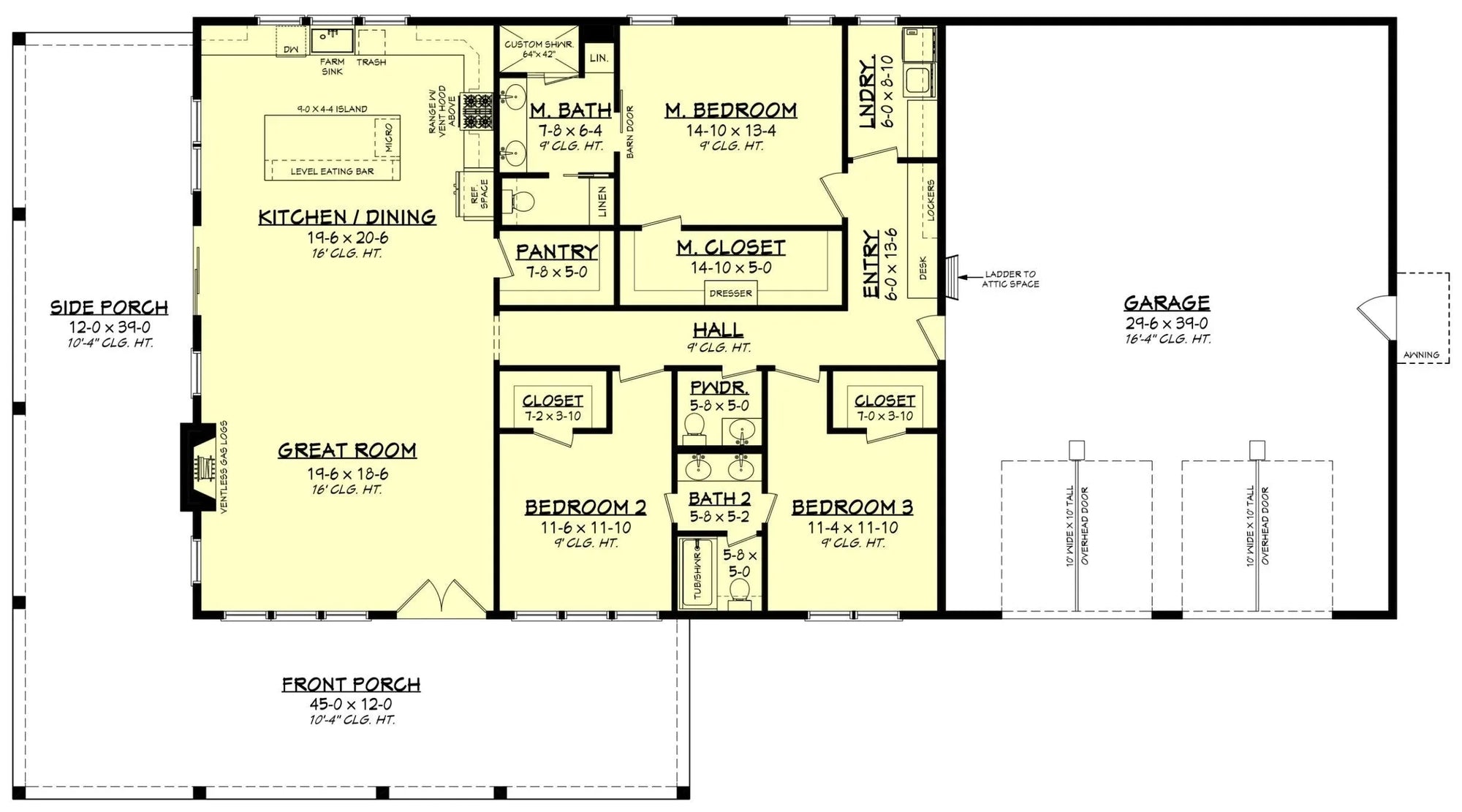
Walk-in pantry designs vary depending on your house layout and the amount of space you’ve. Some home plans place pantries right off the kitchen, while others locate them near the garage for easy grocery hauling. Corner pantry designs are ideal when you’re short on space but still need decent storage and cooking functionality. For even more compact solutions, a small pantry can be efficiently organized with pull-out shelves or by converting closet space, maximizing food storage in limited areas.
Your walk-in pantry size depends on how you cook and entertain. Big families who stock up regularly need more options for storage, while smaller households might want something compact that still beats cabinet space. Most pantries mix open shelves, drawers, and cabinet areas to handle everything from cereal to pans. In terms of style, you can go for anything from rustic to modern with windows and easy entrypoints for when you’re entertaining.
Features That Matter For Walk-in Pantry Floor Plans
Suoerb walk-in pantry floor plans include stuff that makes organizing food and appliances easier. Natural light from windows helps you see what you've, while a decent ceiling height allows you to store things vertically. Some pantries have space for a second refrigerator or even a prep range.
Open shelves work great for canned goods, drawers handle the small stuff. Many pantries feature wall storage for cleaning supplies, bulky appliances, and paper goods. The trick is planning storage that makes access easier without creating a mess.
Making Your Pantry Look Great
Walk-in pantry designs can complement any kitchen design style you're aiming for. Some homeowners want luxury features like custom cabinet work, others just want practicality with simple shelves and bins. Warm finishes and decent lighting make pantries feel like part of the home instead of a utility closet.
Butler's pantry setups give you even more options for entertaining. These usually connect your main kitchen to the dining room, giving you extra storage plus space for serving guests. It's like having a backup kitchen that keeps your main one clean during parties.
Why Pantries Fit Your House Plans
Walk-in pantries provide the ultimate in practicality, ease of use, and overall function.
They fix the storage problems most homeowners deal with every day. Instead of digging through crowded cabinet space, you walk in and see everything. Makes meal planning easier, cuts down on food waste, speeds up cooking. You'll save money because you won't buy stuff you already have buried somewhere.
Kitchen pantry space also gives you somewhere to put appliances you don't use constantly. Stand mixers, pressure cookers, specialty pans – all that stuff that clutters counters can live in your pantry. Keeps your main kitchen areas actually functional.
Why a Walk-in Pantry is Essential for Today's Homeowners
For families who cook and entertain regularly, a walk-in pantry floor plan moves beyond basic storage to become a true organizational hub.
1. Storage Solutions for Modern Life
A walk-in pantry provides real, customizable storage space that far surpasses narrow kitchen cabinets. It gives you an entire room for organizing:
Bulk Goods: Easily store large, bulk purchases (ideal for families) and cut down on frequent grocery trips.
Small Appliances: Designated zones allow you to store stand mixers, pressure cookers, slow cookers, and specialty pans off the counter, keeping your kitchen beautiful and functional.
Inventory Management: You can see everything you own at a glance, making meal planning easier and significantly cutting down on food waste caused by buying duplicates.
2. Differentiating Your Pantry Needs
While a walk-in pantry offers primary food and appliance storage, some plans feature an even more specialized option:
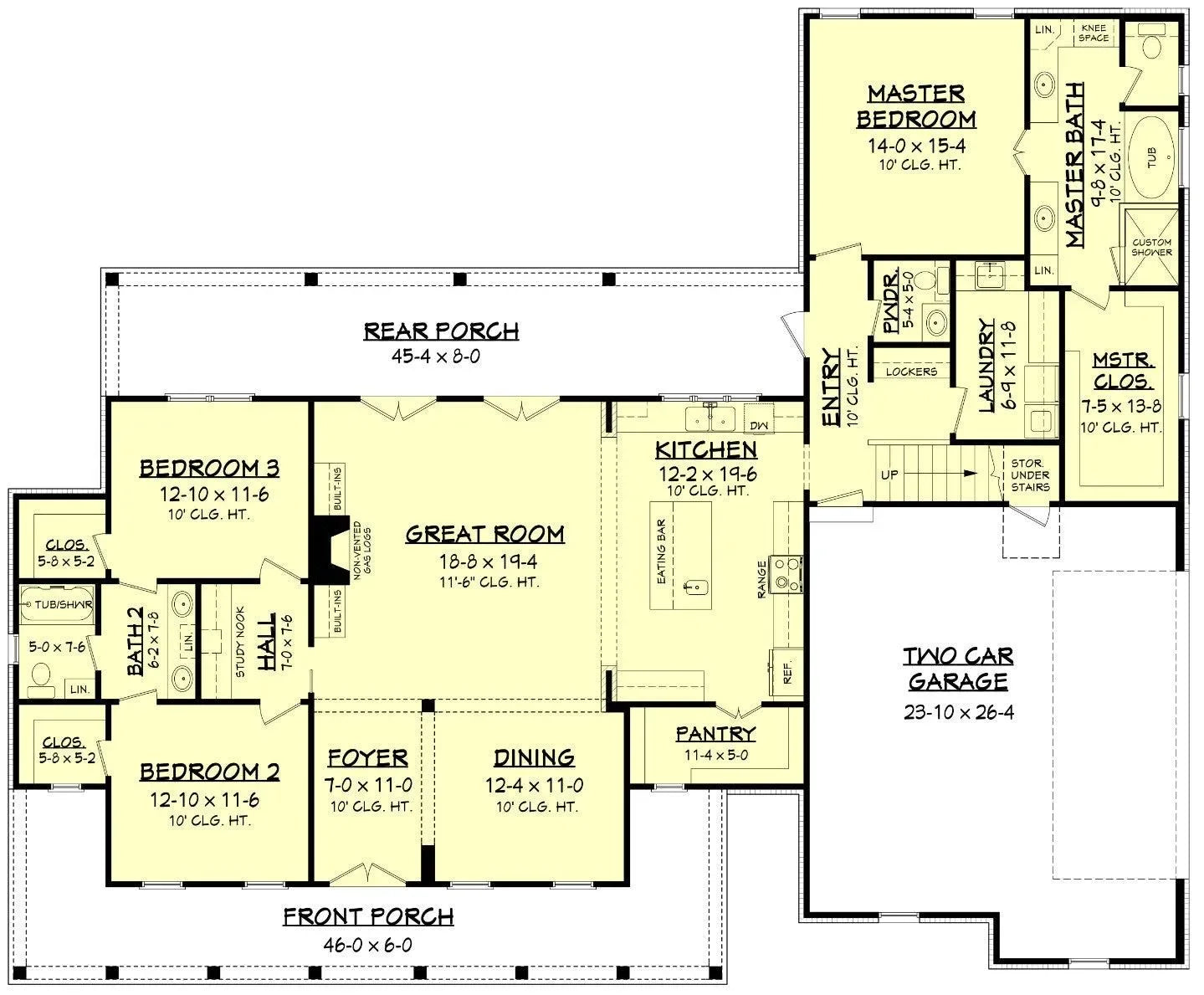
Walk-in Pantry: A large closet or small room dedicated to storing non-perishable food, ingredients, and small appliances. This is the ultimate practical storage solution.
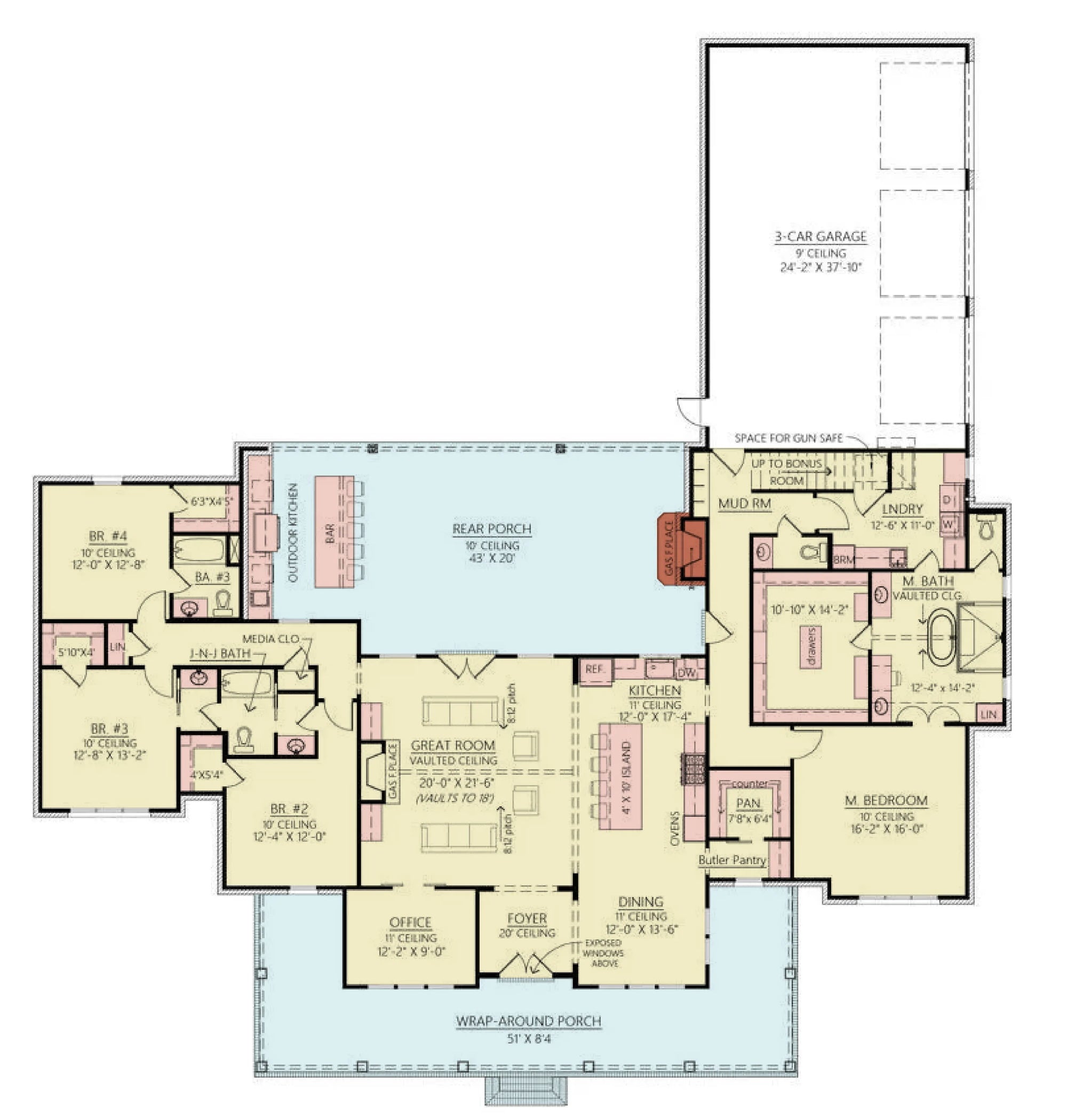
Butler’s Pantry: Featured in 239 of our plans, a Butler’s Pantry is typically larger and positioned between the kitchen and dining room. It offers not only storage but often countertop space, a prep sink, or even a wet bar for staging food and serving guests, keeping the main kitchen clean during parties. House plans featuring a butler’s pantry often include a much larger kitchen, multiple bedrooms, and outdoor features such as patios or higher ceilings to enhance the overall appeal and functionality of the home.
Key Features for Functional Pantry Design
The location, layout, and features of your walk-in pantry matter more than you think for maximum daily utility.
Location and Access
Where you place the pantry directly impacts your convenience:
Kitchen Connection: Pantries connected directly to the main kitchen are super convenient while cooking.
Garage Proximity: For homeowners who shop in bulk, pantries located near the garage offer easier grocery hauling.
Layouts: Designs range from corner pantries (ideal for space-saving) to large galley-style rooms.
Design Elements for Efficiency
Superb walk-in pantry floor plans include thoughtful design elements that simplify organization:
Optimal Storage Mix: Most effective pantries mix open shelves (great for canned goods and everyday items), deep drawers (ideal for small stuff or linens), and wall storage for bulky items.
Lighting: Excellent lighting, sometimes including natural light from windows, is crucial for quick inventory checks.
Vertical Space: High ceiling height allows you to store items vertically, maximizing storage capacity within the given square footage.
Location Matters More Than You Think
With walk in pantry house plans to choose from, you can filter by features like "First Floor Laundry" or "Breakfast Area" to find a floor plan where the walk-in pantry seamlessly integrates into your family’s daily flow. Whether you want a basic storage closet or a full-scale butler's pantry with all the bells and whistles, Archival Designs has the blueprint to fit your needs.
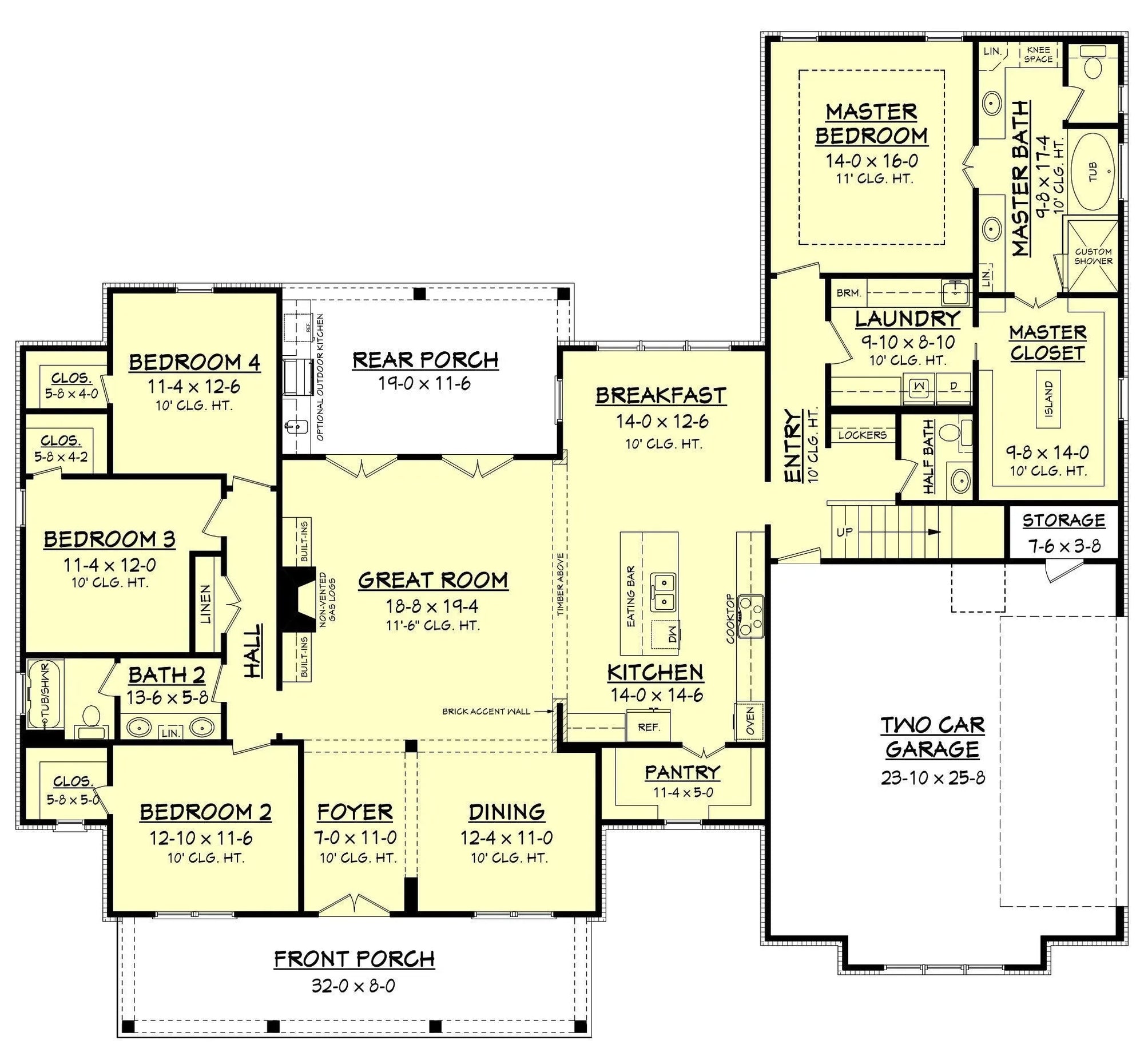
Where you put your pantry depends on your home layout and how you cook. Pantries near the garage make grocery trips easier, especially if you shop in bulk. Pantries connected to the main kitchen are super convenient while cooking. Some home plans put pantries near the back door so you can get to them from different areas. House plans with a walk-in pantry typically feature spaces that range in size from a closet to a large room.
Access is a bigger deal than people realize. Wide doorways let you get shopping carts through, good lighting helps you find stuff fast. Some designs include windows for natural light, but pantries work fine inside the home too.
At Archival Designs, we've got tons of house plans with walk-in pantry designs that we can tweak to fit how you cook and entertain. We offer modification services to tweak the size, location, and accessibility of the pantry in any house plan. Whether you want basic storage or a full butler's pantry with all the bells and whistles, we can help you figure out the perfect pantry for your home.
Pantry Lighting and Electrical
A well-designed walk-in pantry isn’t just about shelves and storage space—it’s about creating a bright, functional, and organized pantry that truly works for your lifestyle. Lighting and electrical planning are key to making your pantry a seamless extension of your kitchen, whether you’re grabbing canned goods for dinner or prepping with your favorite small appliances.
Start by considering how much natural light your pantry will get. If your house plans allow for a window, you’ll absolutely love the way sunlight makes it easy to spot food items and keep things organized. But even if your pantry is tucked inside the house, you can create a well-lit space with smart artificial lighting. LED strips under shelves, ceiling-mounted fixtures, or even motion-sensor lights can make every corner of your pantry bright and accessible—no more digging in the dark for that last box of pasta.
Don’t forget about electrical outlets. Today’s homeowners want more options for kitchen workflow, and a walk in pantry offers the perfect spot for plugging in stainless steel appliances, charging small gadgets, or even running a second refrigerator or freezer. By planning for enough outlets and circuits, you’ll have the flexibility to store and use extra appliances without cluttering your main kitchen counter space.
When it comes to organizing food and kitchen essentials, lighting and electrical features make a huge difference. Well-placed lights help you keep shelves, drawers, and cabinets tidy, so you can easily access everything from dry goods to paper goods. Outlets let you use small appliances right in the pantry, turning it into a mini prep zone that saves time and keeps your kitchen looking clean.
Style matters, too. Whether your dream pantry features sleek stainless steel, classic wood cabinets, or open shelves, the right lighting can highlight your design choices and make the space feel inviting. You can match your pantry’s look to the rest of your kitchen, or create a unique style all its own.
By prioritizing lighting and electrical planning in your walk in pantry, you’ll create a space that’s not only beautiful but also boosts your kitchen’s overall function. When browsing Archival Designs’ house plans, look for pantries with natural light, plenty of outlets, and flexible storage options—or ask about modifying a plan to include these must-have features. With the right setup, your pantry will become the organized, efficient heart of your home, helping you save money, reduce stress, and enjoy every moment in your kitchen.
Depends on your family and cooking style. A 4x6 foot pantry works for most people, but serious cooks or big families want 6x8 or bigger. Think about bulk shopping, appliance storage, and whether you want prep space inside.
What's the difference between a walk-in pantry and butler's pantry?
Walk-in pantries are for the storage of food, supplies, and appliances. Butler's pantries are fancier with sinks, counter space, and sometimes extra appliances. They usually connect the kitchen to the dining room and work as serving areas. Walk-in pantries are just about organization.
Should a walk-in pantry have windows and storage space?
Windows give you natural light and air circulation, which helps with organization and prevents things from getting stuffy. But pantries work fine without windows if you have good lighting. Depends on your house layout and whether the windows interfere with your shelving plans.
Where's the best spot for a walk-in pantry?
Depends on how you cook and your house layout. Near the garage makes grocery unloading easier. Being connected to the kitchen is convenient while cooking. Some people prefer pantries located near back doors for easy access from multiple areas. Just don't place it somewhere that disrupts your kitchen workflow.
What storage should I put in my walk-in pantry?
Get adjustable shelving for various-sized items, drawers for small accessories, and open shelves for canned goods. Consider counter space for prep work, outlets for small appliances, and good lighting everywhere. Some people add second refrigerators or freezers if they have space and need it.