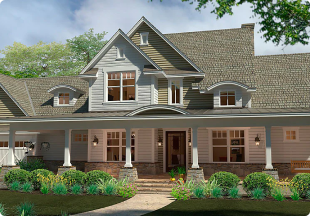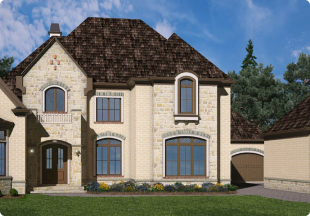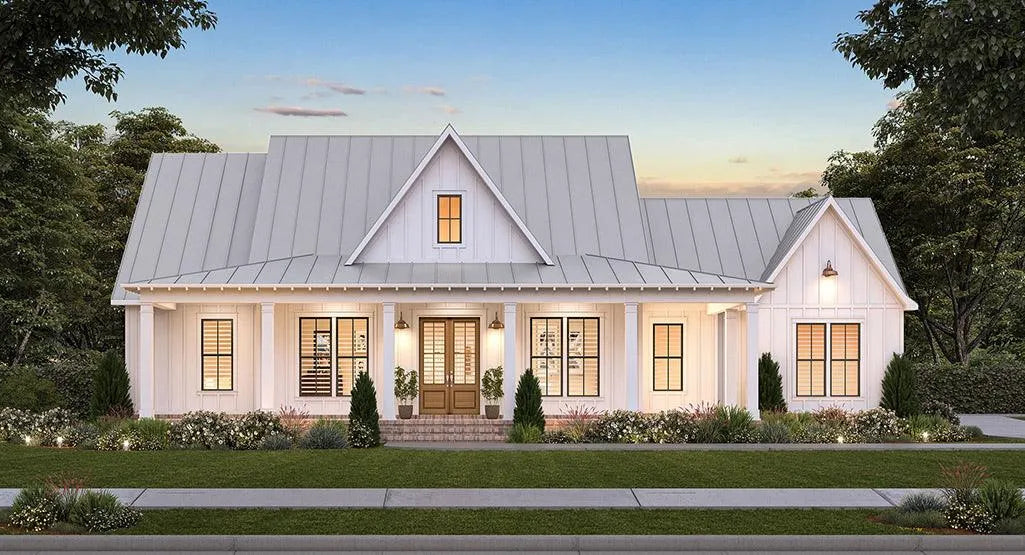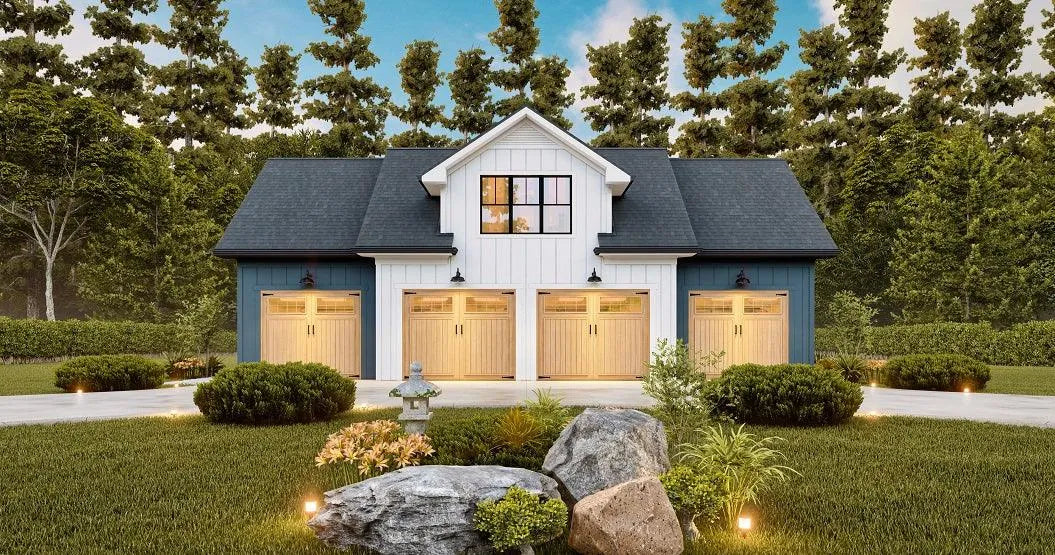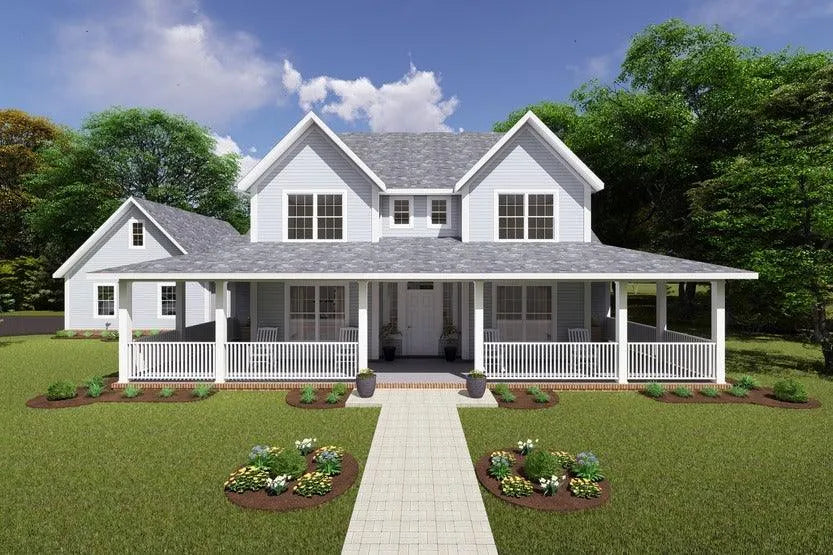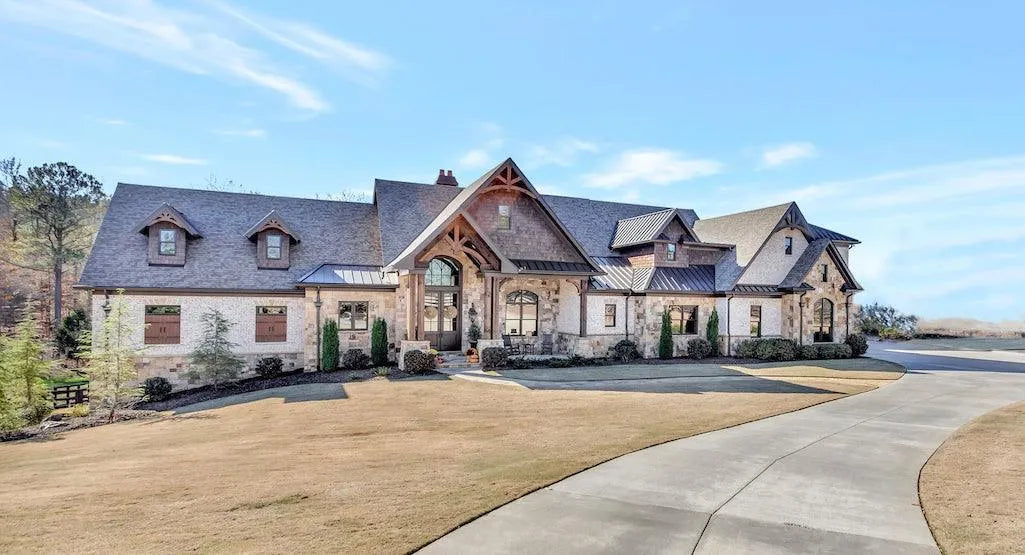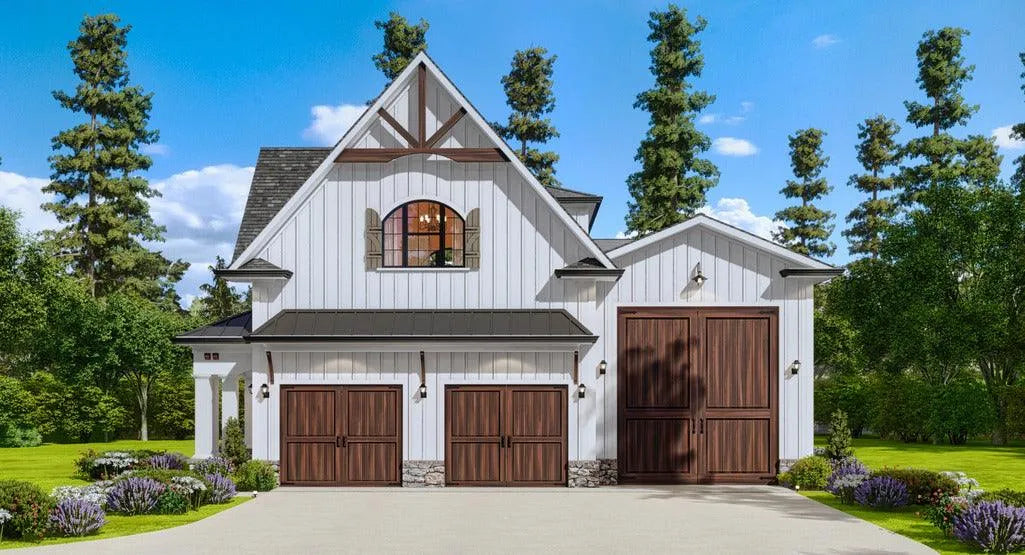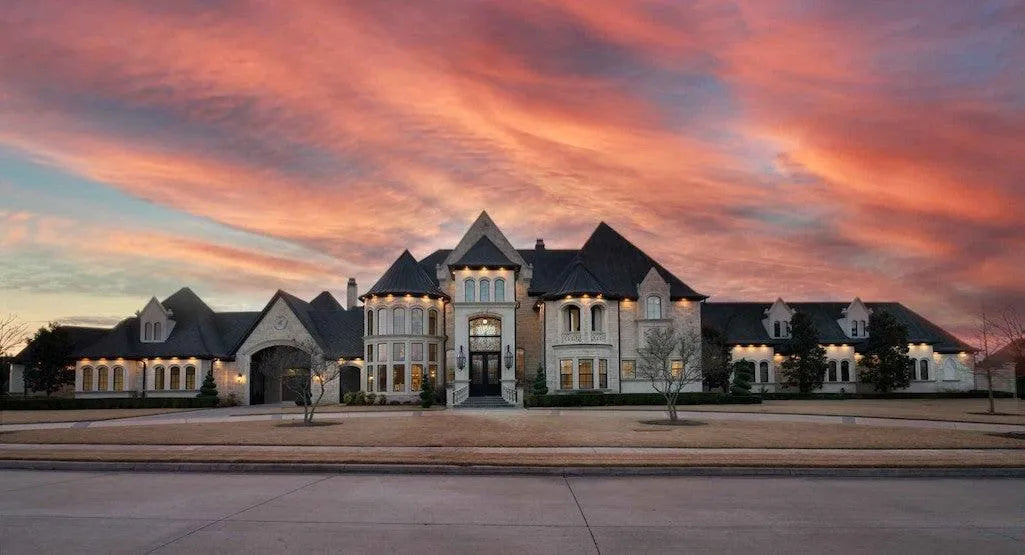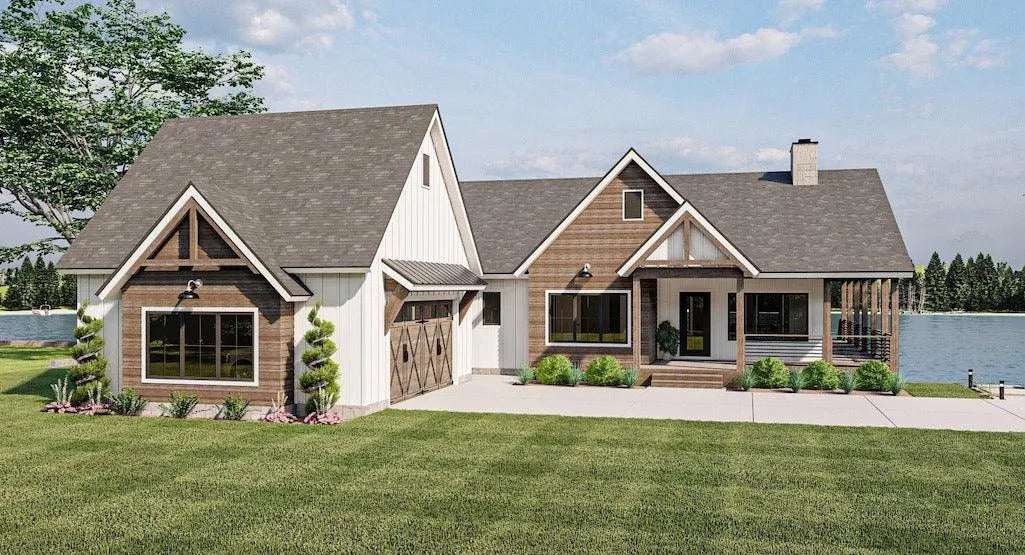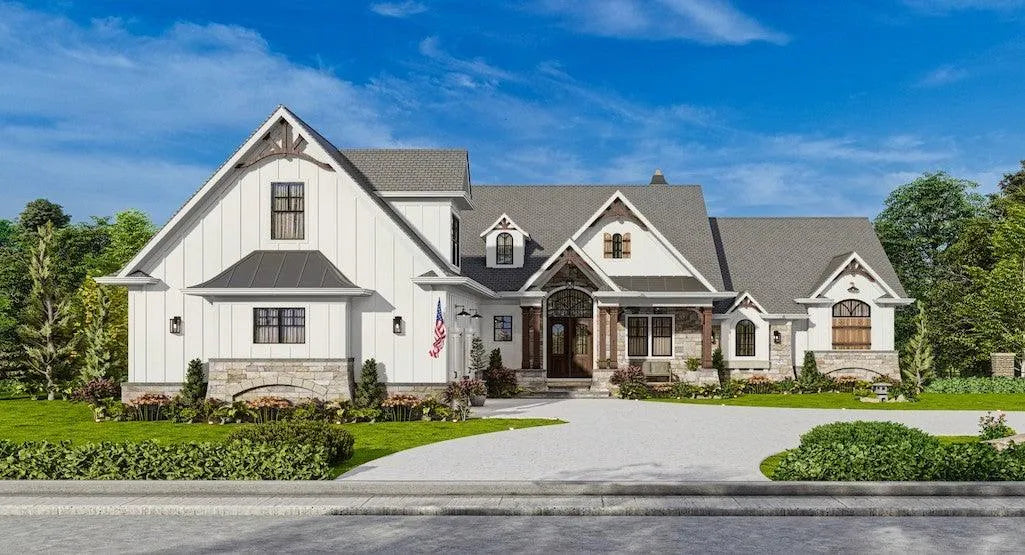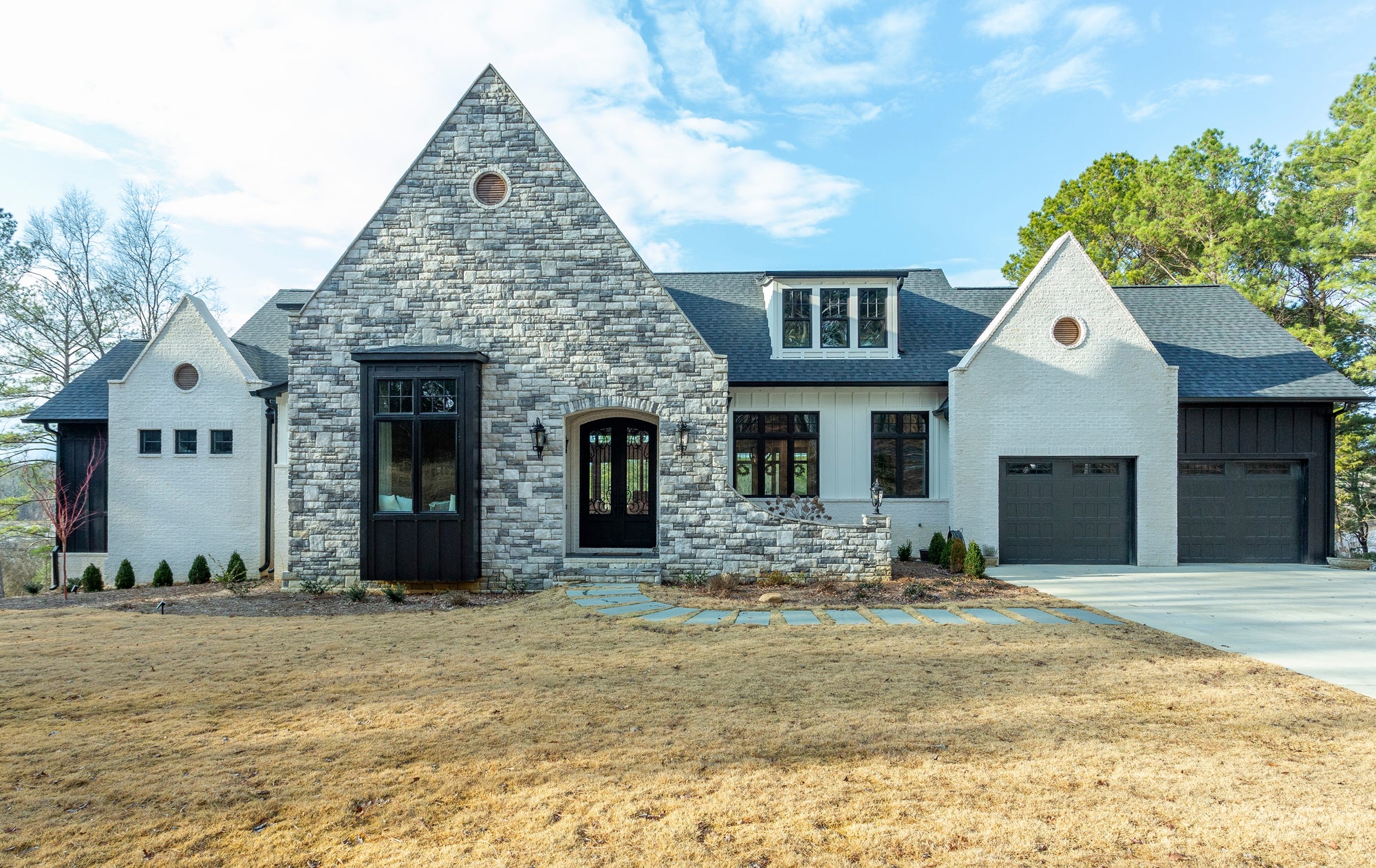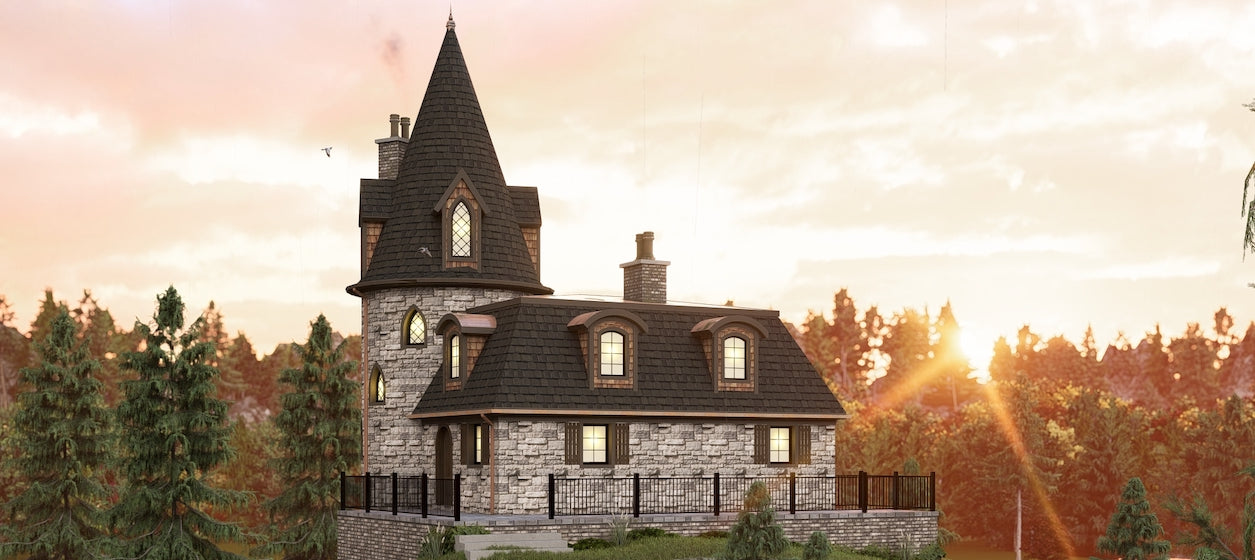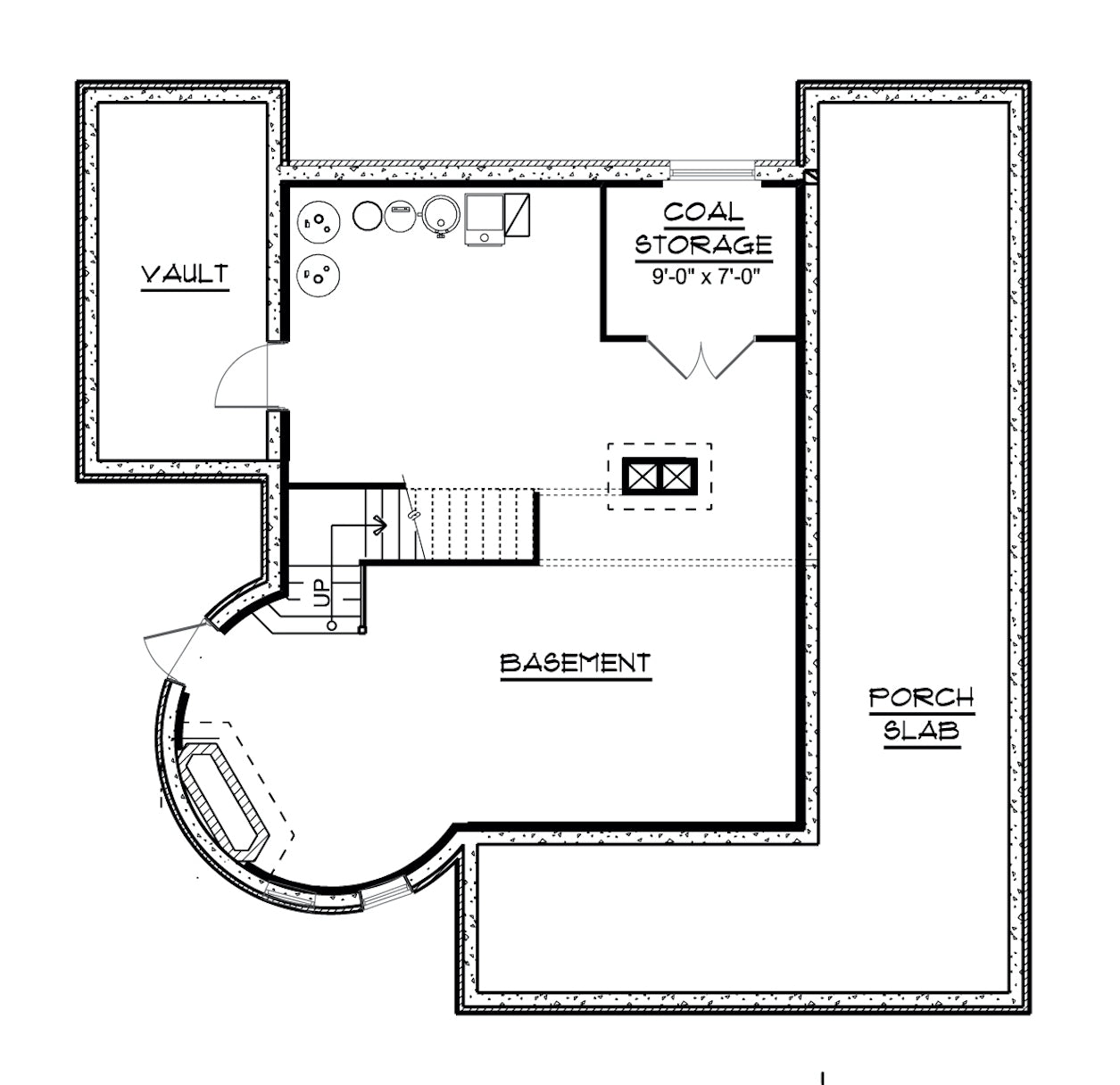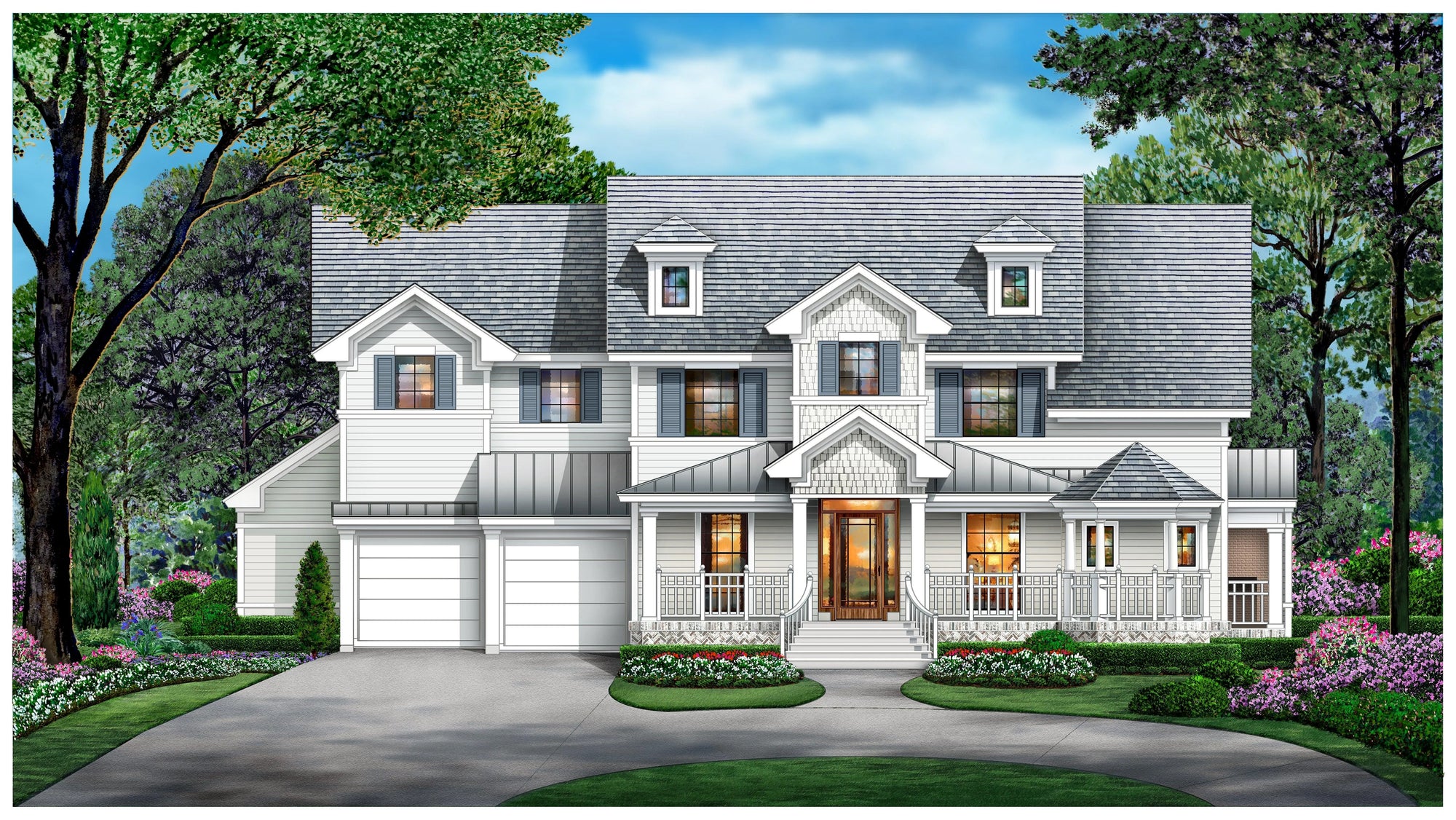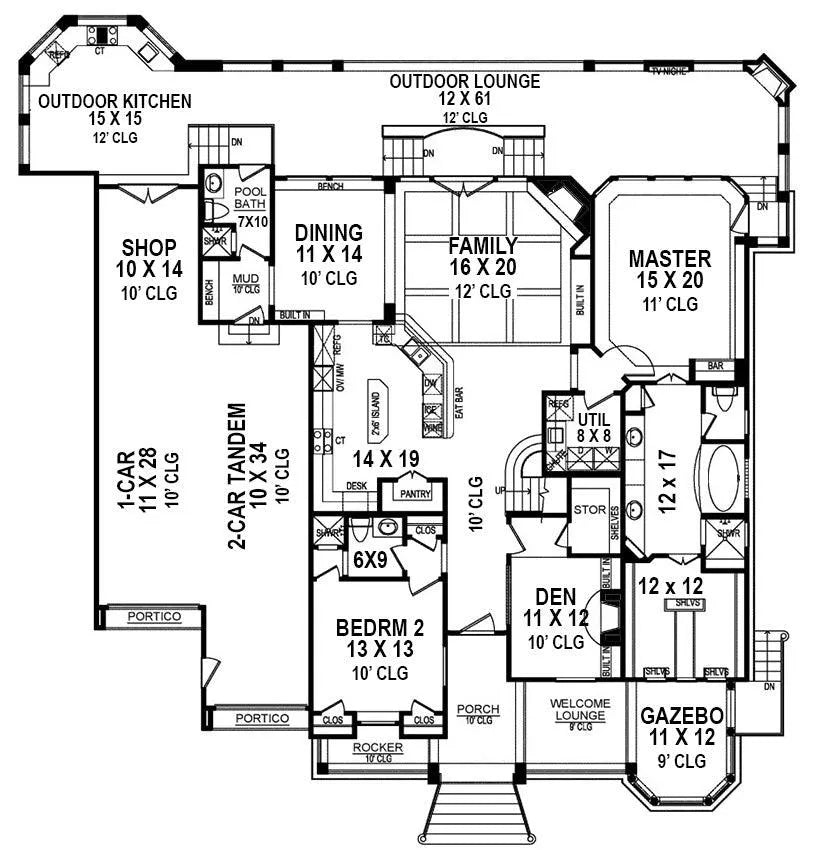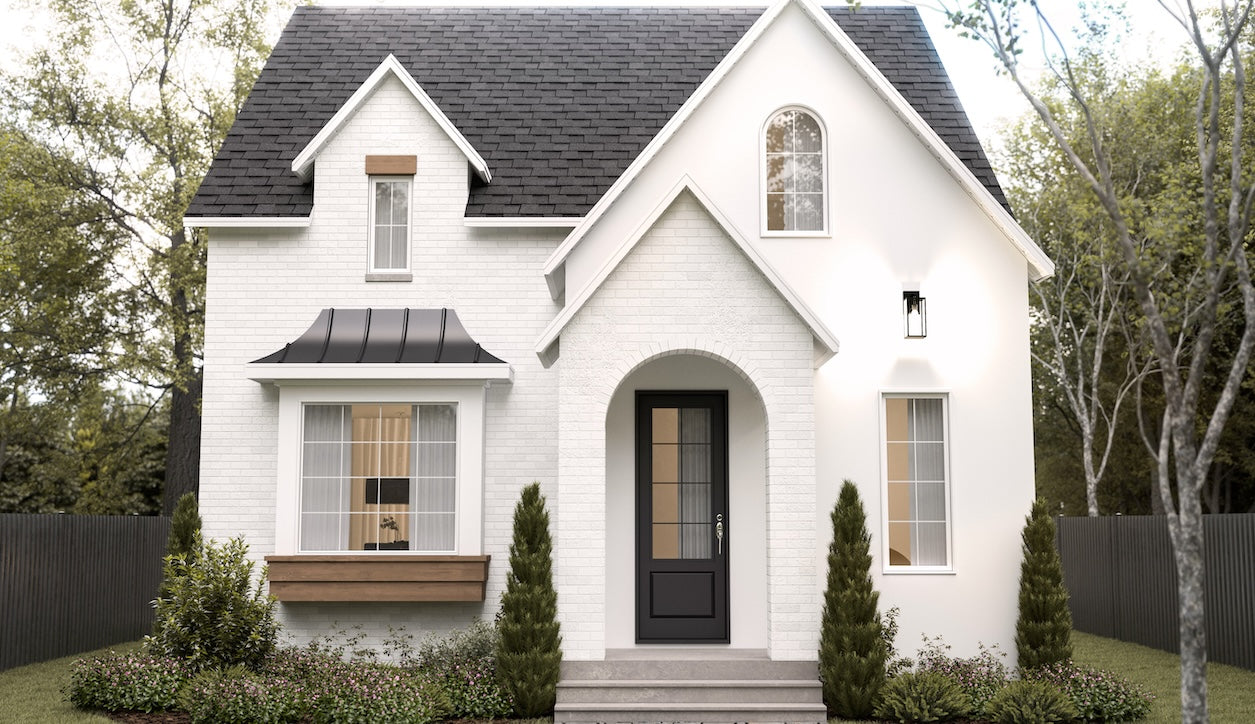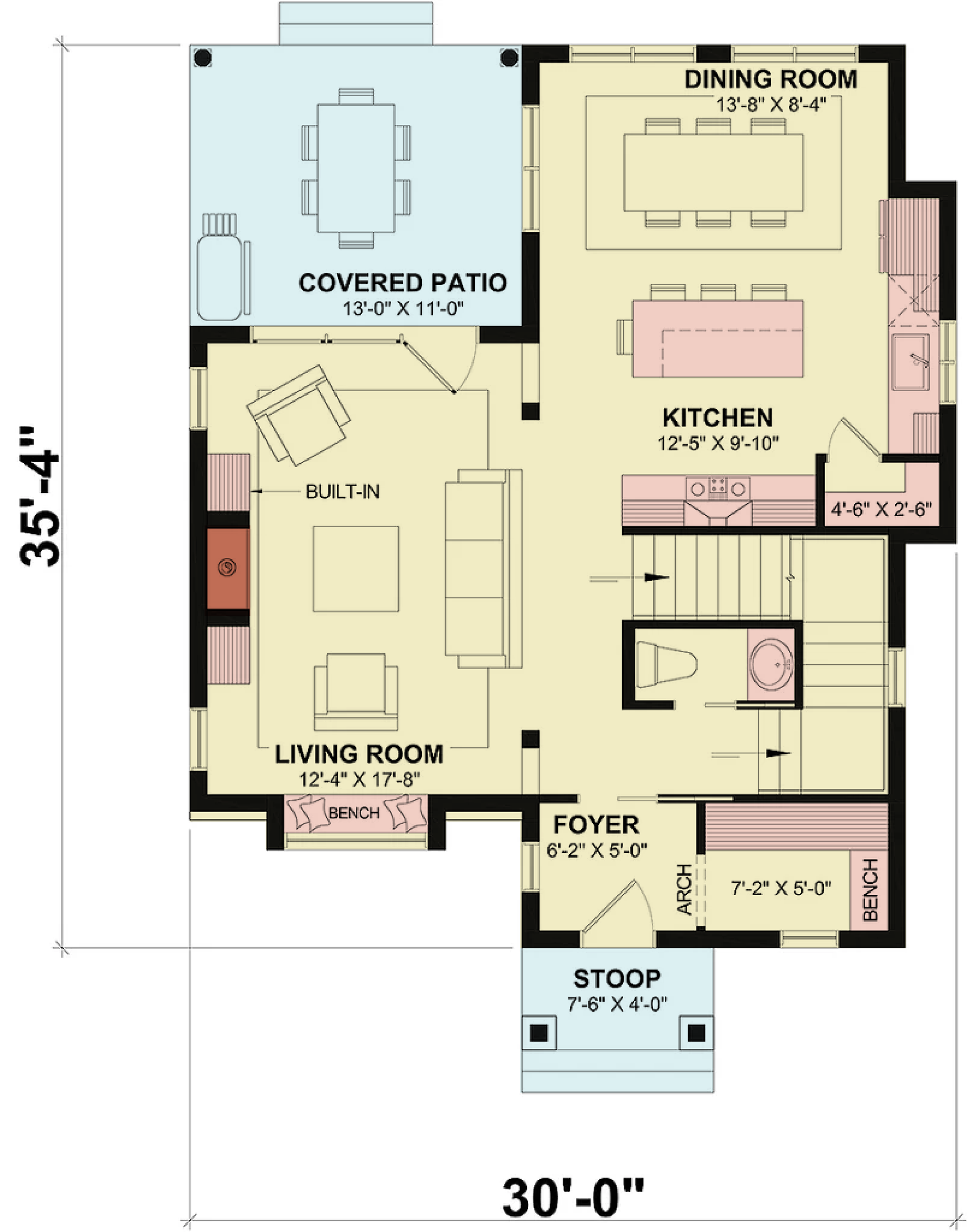
Victorian style developed into the 1820s. This style made its mark in the early 19th century and continued to rule in the 20th century. Victorian houses are specifically known for their classic appearance featuring impressive height with two or more stories, steep roofs, decorative turrets, dormer windows, and porches with twisted posts and decorative railings. These distinctive architectural details command attention and enhance curb appeal. For those who love expansive outdoor spaces, explore our wrap around porch house plans, which blend perfectly with Victorian charm. The exterior is made up of stone, wood, or vinyl sliding. Common features of Victorian homes include steep roofs, turrets, elaborate trim, and vibrant paint choices. The timeless charm and sophistication still charm the people today. Browse Archival Design Victorian House floor plans to find the perfect home for you. Included with our plans are detailed drawings and feature lists to help you envision your new home. When you are ready, you can build your dream Victorian home from these plans.
The Victorian style of architecture emerged in the 1820s and remained popular throughout the early 19th and 20th centuries. Victorian homes are specifically known for their classic appearance, and often feature impressive height with two or three stories, steep roofs, decorative turrets, dormer windows, porches with twisted posts and railings, stone, wood or vinyl siding, and more. These multi-story designs contribute to their grandeur and allow for abundant natural light. Common features of Victorian homes include steep roofs, turrets, elaborate trim, and vibrant paint choices. The timeless charm and elegance of Victorian homes still attracts people today. Inside, Victorian house plans offer a variety of rooms, including bedrooms, kitchens, specialty rooms, and dedicated dining areas or formal dining rooms that are perfect for entertaining. Ornate hardware and intricate finishes further enhance the historic aesthetic. Browse Archival Design’s vast collection of Victorian house floor plans and find the perfect home for yourself. Explore our butler’s pantry house plans and floor plans for added convenience and storage in your dream home. Included with each plan are comprehensive drawings and feature lists, making it easy to build your ideal Victorian residence.
History of Victorian Style House Plans
Victorian houses represent the architectural style popular during the reign of Queen Victoria in England (1837-1901). Though the era is named after her, the architectural movement embraces various sub-styles that became known throughout the 19th century.
The industrial revolution played a crucial role in enabling the construction of more elaborate and ornate Victorian house plans, as advancements in materials and building techniques allowed for greater creativity and complexity in design.
The Victorian era wasn’t limited to a single architectural style. Instead, it saw the exposure and transformation of several design movements such as Gothic Revival, Italianate, Second Empire, Queen Anne, and Eastlake. These styles took inspiration from different historical and cultural sources, creating a lively and diverse artistic style.
In the 1950s, many old Victorian houses in the U.S. were torn down. However, there are still millions of them around the country. You’ll see more of them on the East Coast, but you can also see Victorian architecture house plans on the West Coast.
Features of Victorian House Designs
High Pitched roofs
Decorative exterior trim
Bay Windows
Doors at the side instead of the front.
Victorian house blueprints have unique features inside that make them different from other types of houses:
Victorian house plans often include different courses or zones, such as step-backs in front of the house or an upstairs room for hobbies, to create functional and visually interesting spaces. The left front section of a Victorian house can also be extended or modified to improve natural light and streamline the exterior design.
House Plans and Budgeting
Building your dream Victorian house starts with a well-thought-out house plan and a realistic budget. Victorian home plans are celebrated for their ornate details, intricate layouts, and decorative elements like gingerbread trim, stained glass, and elaborate towers or turrets. While these features add timeless charm and curb appeal, they can also increase the overall cost of your project. To avoid making a costly mistake, it’s important to carefully review your Victorian house plan and prioritize the features that matter most to you and your family.
When considering Victorian architecture, think about the size of your future home—Victorian house plans can range from cozy 1,000 sq ft cottages to grand 4,000 sq ft estates. The number of bedrooms, bathrooms, and the specific style—whether you’re drawn to the romantic Queen Anne, the stately Second Empire, or the dramatic Gothic Revival—will all influence your budget. Don’t forget to factor in exterior features like wraparound porches, ornate eaves, and decorative hardware, as well as interior touches such as stained glass windows and custom woodwork.
To get an accurate estimate for your Victorian home, it’s wise to consult with a team of professionals, including architects, engineers, and contractors. They can help you develop a detailed floor plan, review your options, and provide a clear breakdown of costs for materials, labor, and special features. This collaborative approach ensures that your Victorian house plan not only captures the elegance and character of the Victorian era but also fits your financial goals.
If you’re interested in exploring different Victorian home designs, there’s a wide collection of house plans available online. From simple, classic layouts to elaborate, multi-story homes with turrets and expansive porches, you’ll find a variety of styles and sizes to suit your needs. Take the time to read reviews, compare plans, and consider how each design aligns with your vision and budget.
Ready to take the next step? Whether you’re looking for a compact Victorian cottage or a sprawling estate, we’re here to help you turn your dream home into a reality. Reach out via email or phone to discuss your project, and let us guide you through every stage of the process—from selecting the perfect plan to building your stunning Victorian-style home.
A Victorian house plan is a style of architecture that emerged during Queen Victoria's reign (1837-1901) in the United Kingdom. It's characterized by intricate details, steeply pitched roofs, asymmetrical shapes, and ornate decorations.
What are the key features of Victorian house layout?
Victorian houses typically feature steeply pitched roofs, elaborate trim, decorative woodwork, bay windows, asymmetrical facades, towers or turrets, and vibrant color schemes.
What are the different types of Victorian house plans?
Common Victorian house plans include Queen Anne, Italianate, Second Empire, Gothic Revival, and Folk Victorian. Each type has distinct architectural features and characteristics.
What are the pros and cons of Victorian house layouts?
Pros: Victorian house plans have a special look and old-time charm, They're full of intricate details and are well-made, You can also personalize a Victorian house layout to suit your taste. Cons: Can prove to be expensive to maintain, May not be as energy efficient as newer houses, Some layouts have small rooms and less open layouts compared to newer ones.