Welcome back! We activated a special $50 coupon for you valid for 24 hours
Get

Transitional House Plans

Transitional House Plans: The Perfect Blend of Modern Convenience and Traditional Charm

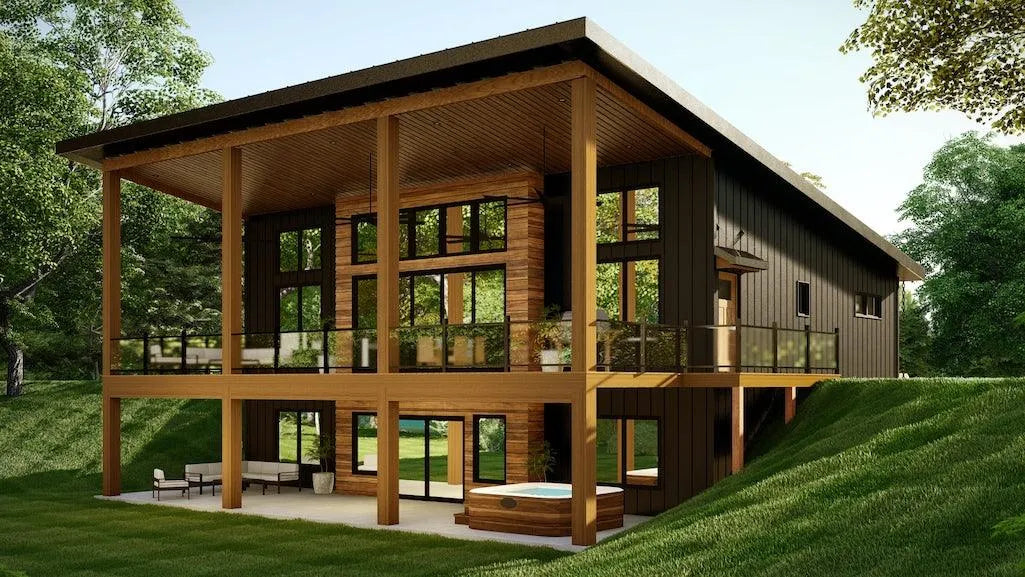
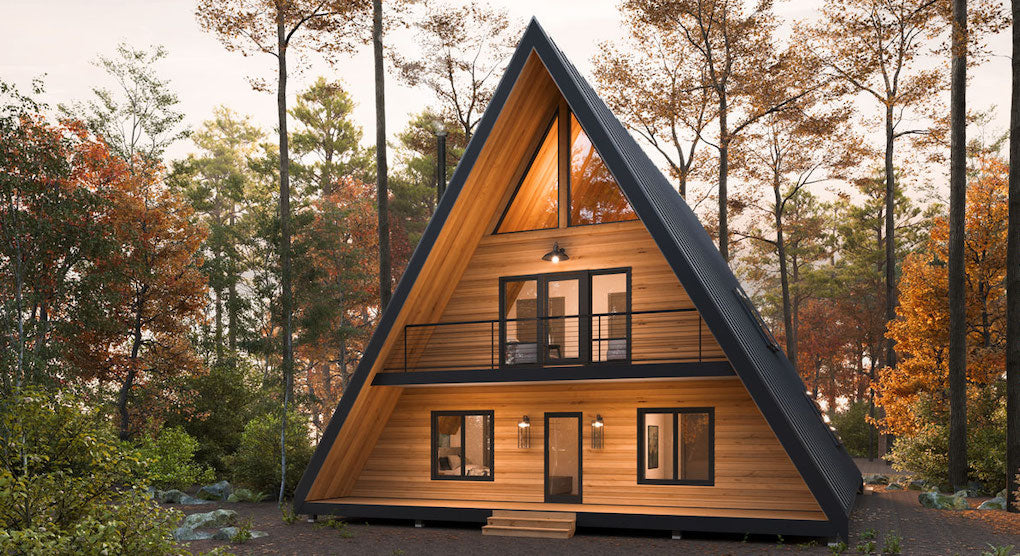
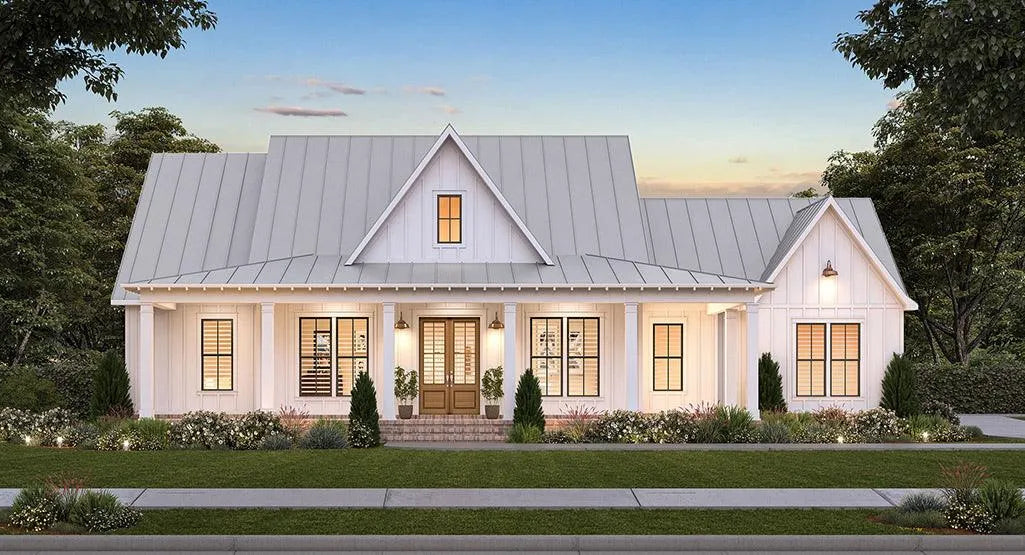
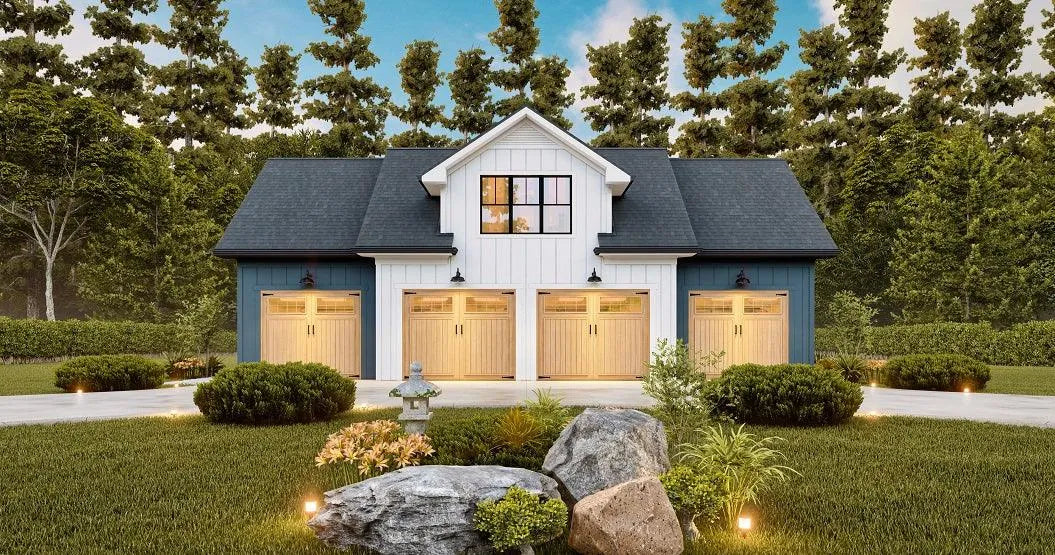
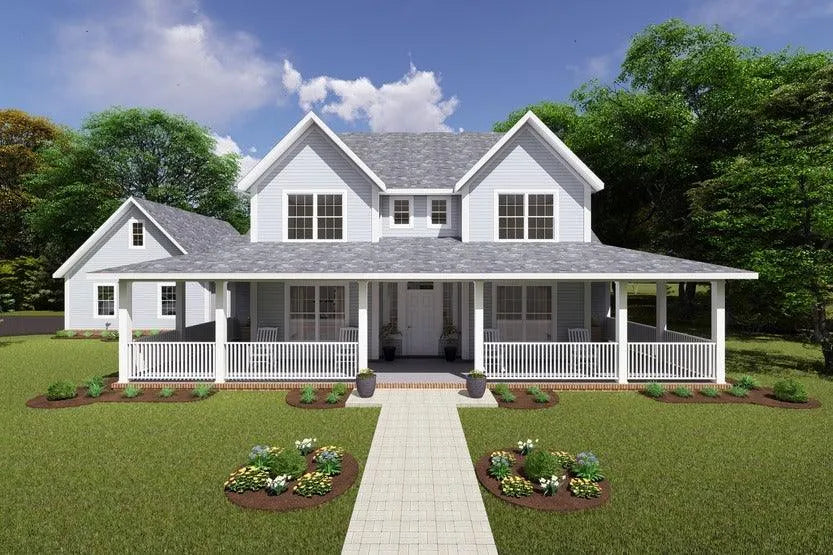
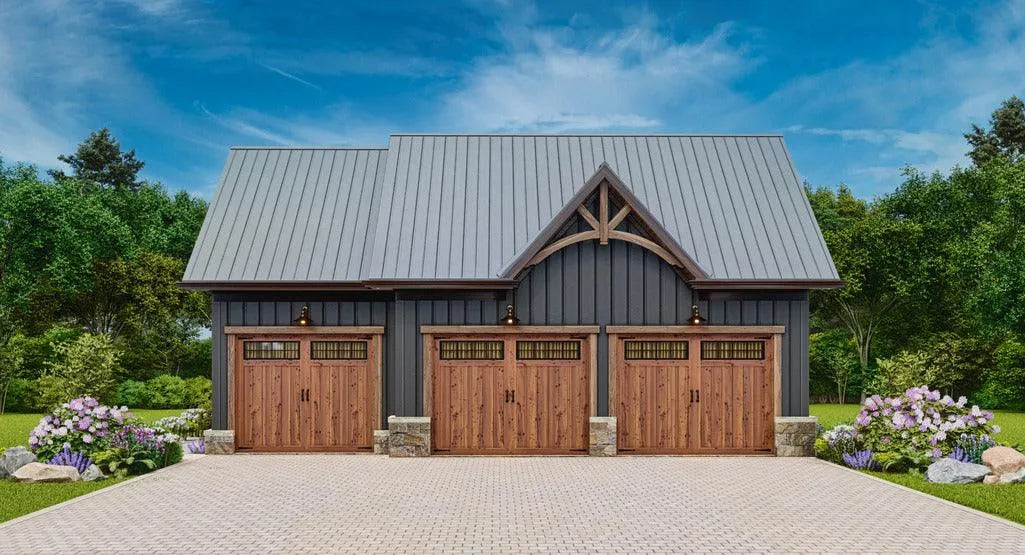
Explore our curated collection Transitional House Plans, representing the most sought-after design style today. Transitional house plans update familiar favorite types of traditional architecture with modern features, making them both visually appealing and perfectly suited for contemporary living. Transitional homes masterfully blend the timeless warmth of traditional architecture with the clean lines and contemporary convenience of modern design, resulting in a sophisticated, comfortable, and classic home that will never feel dated. Transitional house plans are a beautiful blend of traditional and modern design elements that create a clean, timeless, and classic home. These plans often include modern design features such as clean lines, open layouts, angled wood siding, varied roof heights, and metal roofing.

Transitional house plans appeal to those who seek functionality without sacrificing beauty. They offer the traditional comfort and familiarity of classic proportions while incorporating large windows, open floor plans, and streamlined finishes—a truly luxurious experience for the entire family. Designed to meet the needs of today's lifestyles, these homes feature open spaces and flexible layouts that suit modern preferences for functionality and urban living.

Transitional house plans appear traditional in architecture, with streamlined details and finishes that create the perfect classic, yet casual home. Archival Designs offers many of these open floor plans to provide a luxurious experience for everyone in the family. Our transitional house plans feature incredible exteriors, modern kitchens, expandable bonus spaces, and fantastic outdoor living areas the entire family can comfortably enjoy.

Contact Archival Designs with questions about our transitional house plans or to request a modification for one of our designs.

What Makes Transitional House Plans Work

Transitional house plans have rocketed in popularity because they create the perfect balance between traditional charm and contemporary convenience. A transitional house doesn’t force you to pick sides – it combines the best elements from both worlds. Modern transitional house plans feature clean lines and contemporary design elements, while maintaining the warmth and character that people actually want.

Transitional floor plans are effective because they cater to today’s lifestyles without appearing dated in five years. These architectural styles blend timeless materials, such as wood and stone, with sleek fixtures and glass features. You get homes that feel both familiar and fresh, affordable yet luxurious. Transitional house plans suit a wide range of architectural styles, personal preferences, and geographic settings, making them a versatile choice for many homeowners.

Key Features That Make Sense

Transitional style homes nail the open-concept interior concept while still providing excellent room dimensions and features throughout the property.

Open floor plans connect kitchens, dining areas, and living rooms, but you don't feel like you're living in one giant space. Large windows flood these interiors with natural light, creating an inviting atmosphere throughout the home.

Contemporary floor plans in transitional designs use sq ft efficiently. Instead of formal rooms nobody uses, these plans focus on space families actually live in. Bedrooms are sized correctly, the garage connects where it makes sense, and features are selected for both aesthetics and functionality.

How Traditional and Contemporary Blend

The magic of transitional design lies in its ability to balance past and present without appearing disjointed in any way. Traditional floor plans provide a solid foundation, sensible room layouts, and proportions that work effectively. Then, contemporary updates like modern fixtures, updated materials, and simplified details bring everything current.

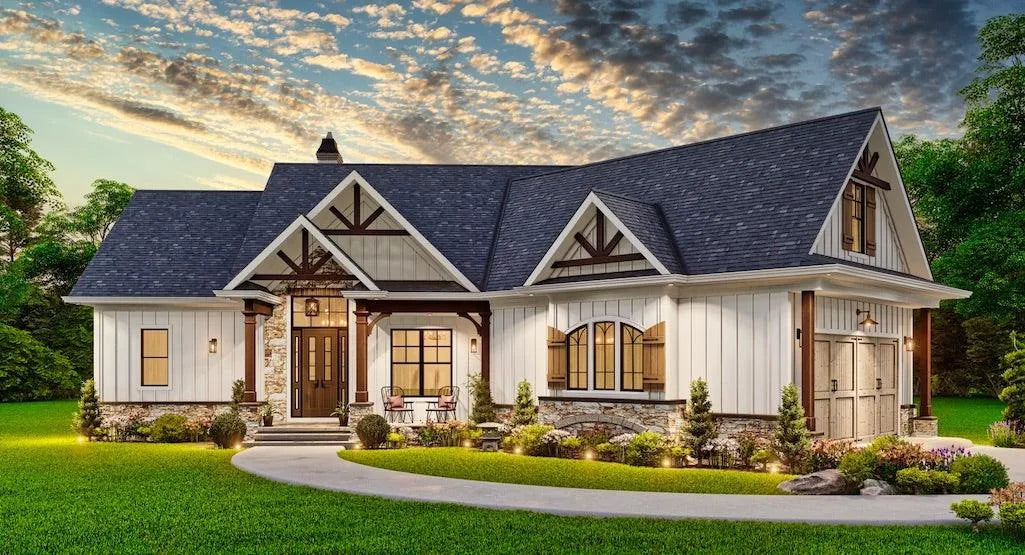
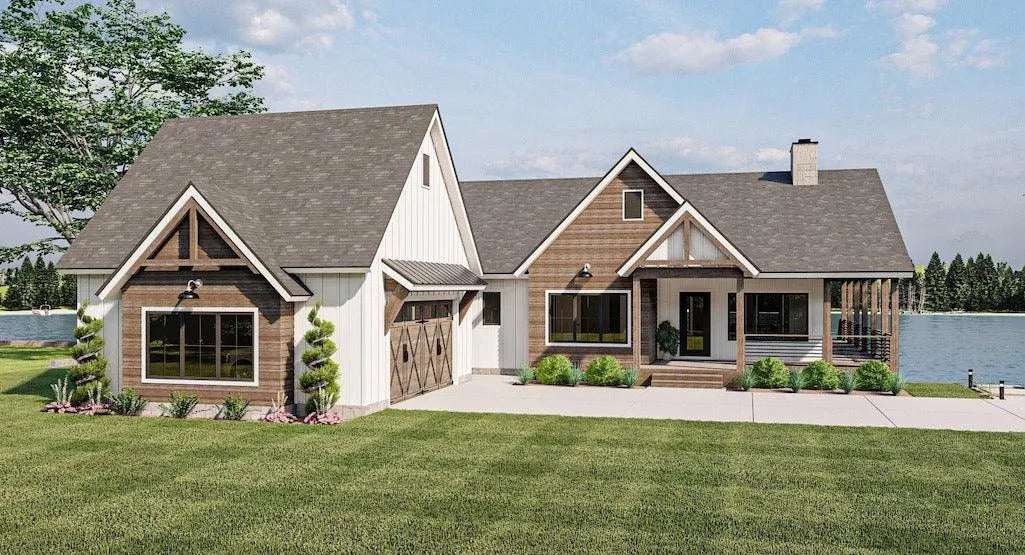
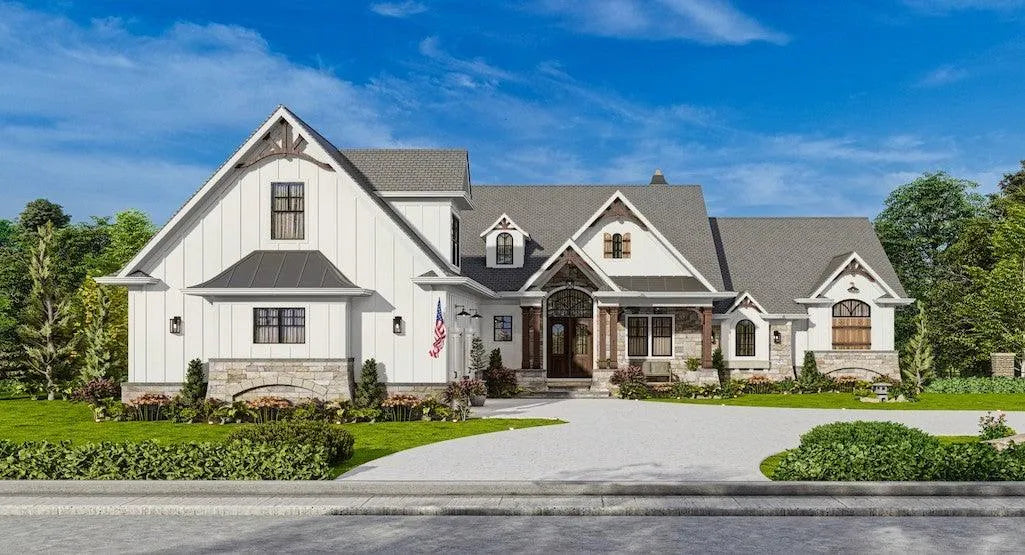
Transitional farmhouse designs are perfect examples of this blend. They might have angled wood siding or other traditional exterior materials, but with simplified details and large windows that feel completely modern. French country-inspired touches can seep into windows and fascias, but are streamlined, smart, and well-integrated.

Modern Farmhouse vs Transitional Farmhouse

Modern farmhouse styles are likely the most popular approach to transitional design at present. These homes grab the cozy farmhouse vibe and update it with contemporary design elements. Modern farmhouse homes often feature open floor plans, extensive windows, and updated kitchens, while retaining the character that makes farmhouse styles appealing.

These homes blend rustic materials, such as reclaimed wood, with sleek fixtures and glass features. The concept works because both styles care about the same things – comfort, family living, and connecting to the outdoors.

Urban Transitional Homes

Transitional design isn't just for farmhouse styles. Urban transitional homes take these same ideas and make them work for city living. They might blend industrial materials, such as steel and concrete, with warmer, traditional elements. City plans often maximize square footage through smart space planning and open-concept layouts.

These designs work great in urban spots because they create sophisticated homes that don't feel cold. The traditional elements add warmth, while contemporary features provide the functionality that urban living demands.

Designing for How People Live

Transitional house designs reflect how families really live today. Open floor plans support the casual lifestyle most families desire, while traditional room ideas are reimagined as flexible spaces. Transitional style homes often feature dining areas that accommodate both casual Tuesday night dinners and special holiday meals.

Technology integration happens without looking forced. Contemporary features, such as smart home systems, don't clash with traditional looks – they simply enhance the concept. Large windows and open-concept interiors support both natural light and the connected lifestyle families truly desire.

French Country Influence in Transitional Design

French Country influence brings a distinctive elegance to modern transitional house plans, merging the timeless charm of traditional French architecture with the clean lines and contemporary design elements that define transitional style homes. This unique blend creates an inviting atmosphere that feels both sophisticated and welcoming—perfect for today’s family living.

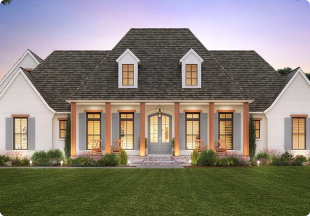
In French Country transitional homes, you’ll find classic design elements such as curved lines, soft color palettes, and subtle ornate details seamlessly paired with open floor plans and expansive large windows. The result is a perfect balance between traditional and modern design, where every space feels both familiar and fresh.

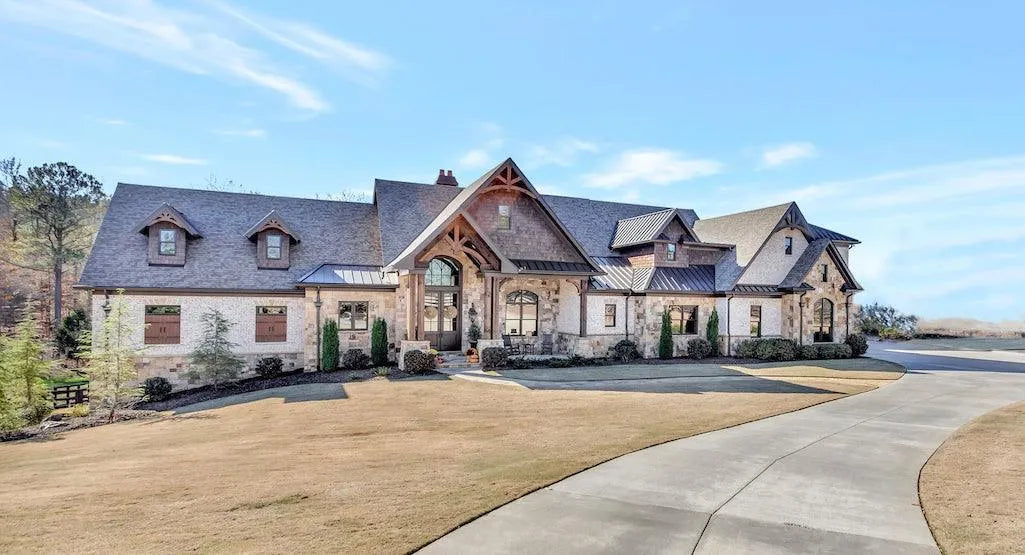
Architectural features like angled wood siding, stone accents, and steeply pitched roofs are common in these transitional homes, echoing the rustic beauty of French Country style while embracing the streamlined look of modern transitional house exteriors. The use of natural materials—wood, stone, and even wrought iron—adds warmth and texture, while modern fixtures and contemporary features keep the design current and functional.

Open concept interiors are a hallmark of French Country transitional design, allowing natural light to flood the living spaces and creating a bright, airy environment. These floor plans are thoughtfully designed for family living, with flexible spaces that adapt to both everyday routines and special gatherings. Traditional elements such as exposed beams and rustic wood accents add character and a sense of history, while clean lines and updated finishes ensure the home feels modern and uncluttered.

The true beauty of French Country influence in transitional design lies in its ability to create harmony between old and new. Homeowners can enjoy the elegance and sophistication of classic French architecture, enhanced by the comfort and convenience of contemporary design. Whether you’re envisioning a cozy cottage or a spacious estate, incorporating French Country elements into your transitional home plan brings a timeless, inviting quality that’s perfect for relaxing, entertaining, and making memories.

By choosing a transitional house plan with French Country inspiration, you’re not just selecting a style—you’re creating a home that reflects your personal taste, supports your lifestyle, and stands the test of time. Explore our collection of transitional floor plans to discover how this perfect balance of traditional and modern design can transform your next home.

Why Choose a Transitional Floor Plan?

Transitional architecture is defined by its ability to balance past and present, creating homes that are inherently functional and visually appealing.

1. The Ideal Interior Balance

Transitional floor plans excel at creating open, yet well-defined interior spaces. They move away from the formality of traditional layouts and the cold minimalism of pure contemporary design:

  • Open Concept, Not Cavernous: Open floor plans connect kitchens, dining, and living areas seamlessly, perfect for casual family life and entertaining.

  • Modern Kitchens & Amenities: Kitchens often feature large islands, high-end, modern appliances, and sleek hardware, integrated into a traditional cabinet structure.

  • Efficient Use of Space: Whether you need a simple 3-bedroom layout or an expansive design, transitional plans use square footage efficiently, prioritizing usable space over unnecessary formal rooms.

2. Streamlined Exterior Aesthetics

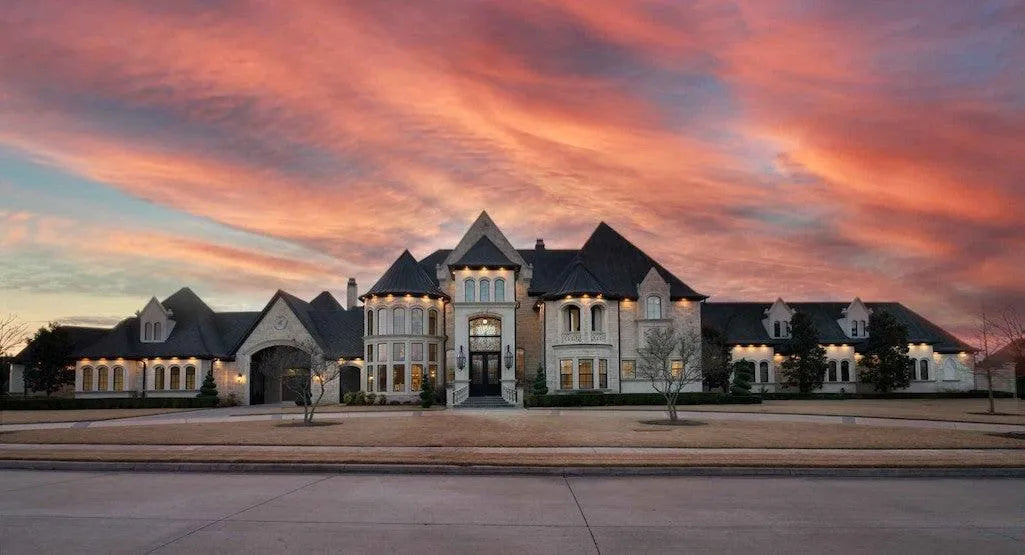
The Transitional style home exterior is characterized by traditional forms—like gabled or hip roofs—but with simplified, clean detailing. Materials are often blended, such as using classic stone or brick alongside modern metal accents or simplified vertical siding. This achieves a tailored, high-end look that is often seen in Luxury Transitional Home Plans.

3. Versatile Sub-Styles

The Transitional style is incredibly versatile and manifests in several popular variations:

  • Modern Transitional: Emphasizes cleaner lines, larger expanses of glass, and a slightly reduced use of ornate trim, leaning closer to contemporary aesthetics while maintaining traditional warmth. This is popular for 2 Story Transitional House Plans where vertical elements are highlighted.

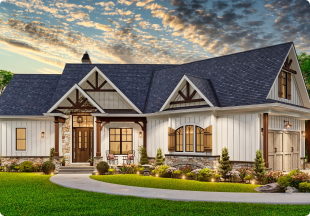
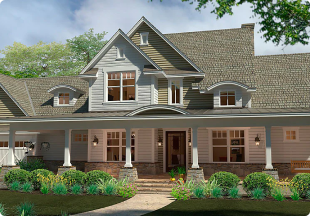
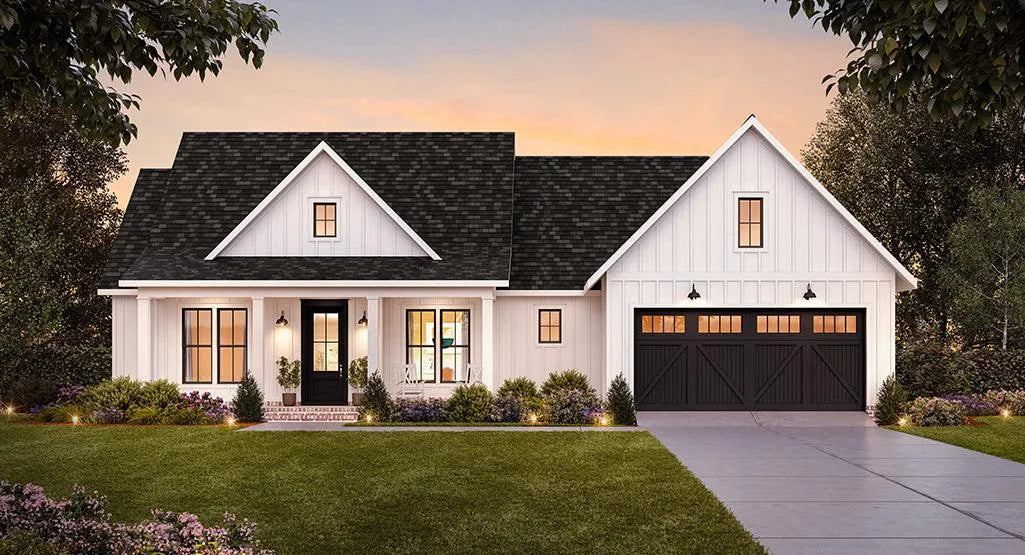
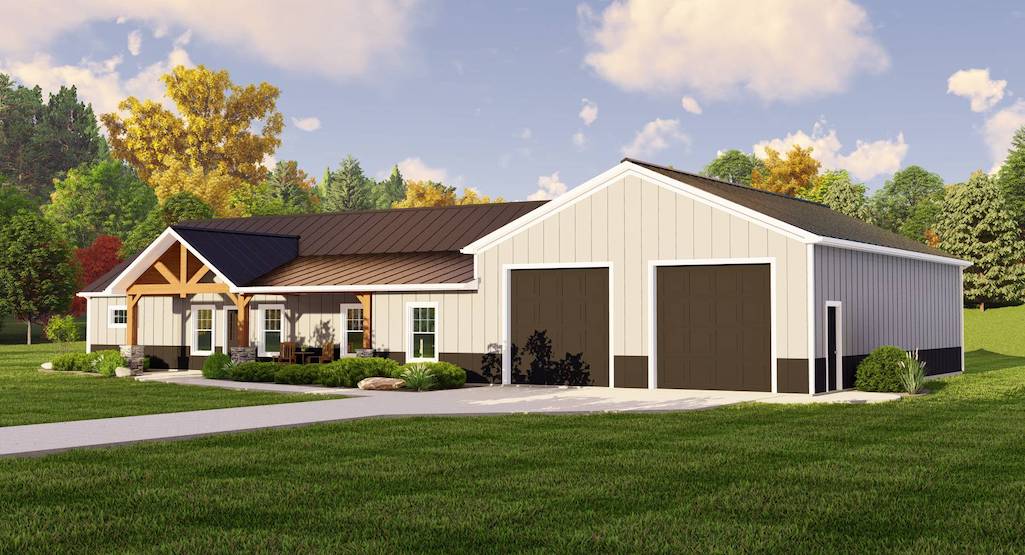
  • Transitional Farmhouse: This is the evolution of the popular Modern Farmhouse trend. It retains rustic materials like wood siding and generous porches but updates them with simplified trim, extensive windows, and a cohesive, less rustic color palette.

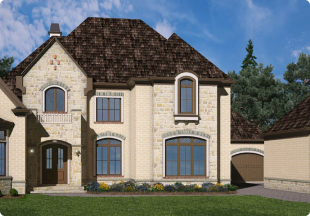
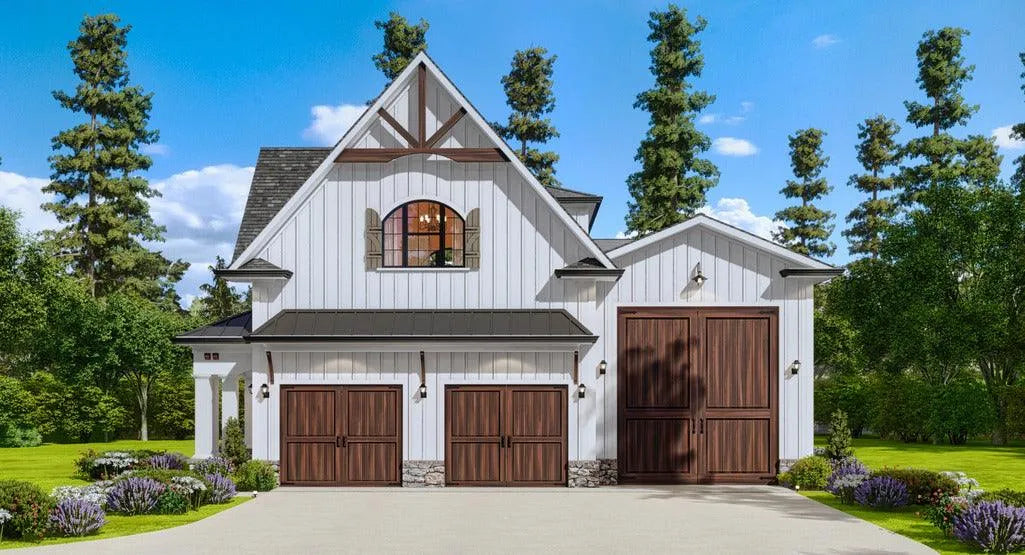
  • French Transitional House Plans: Blends the elegant, sensible proportions of French Country architecture (think subtle arches and steep roof pitches) with modern open interiors and updated materials, resulting in a sophisticated, European-inspired look.

Materials That Work Together in Harmony

Transitional design is superb at blending materials in ways that shouldn't work but do, perfectly. A house plan might combine traditional stone with contemporary metal accents, or blend updated glass features with timeless wood elements. The trick is picking materials that share similar tones or textures.

Clean lines in transitional homes come from paying attention to details, not going full minimalist. Traditional moldings might be simplified, or lighting fixtures might feature classic shapes with updated finishes. This keeps homes from feeling either too old-school or too cutting-edge.

At Archival Designs, our collection of transitional house plans grabs the best of both traditional and contemporary design. Whether you're into modern farmhouse styles, transitional farmhouse designs, or urban contemporary plans, we can help you create a home plan that actually fits your lifestyle.

Related Blogs: Most Loved Trend: Transitional House Plans

264 house plans

Loading...

FAQ

What are transitional home plans?

Transitional home plans mix traditional and modern design to create homes that feel both timeless and current. These floor plans incorporate architectural styles that blend classic proportions with contemporary updates, creating homes that suit today's lifestyles while remaining appealing in the long term.

How do transitional floor plans differ from other styles?

Transitional floor plans strike the perfect balance between formal, traditional layouts and open-concept, modern designs. Unlike purely contemporary plans or strict traditional styles, transitional designs blend elements from both to create space that's functional and welcoming.

What's the difference between modern farmhouse and transitional farmhouse?

Modern farmhouse focuses specifically on updated farmhouse elements, while transitional farmhouse blends farmhouse features with other traditional styles, such as French country. Both use contemporary design elements, but transitional designs give you more flexibility in mixing different architectural styles.

Are transitional house plans more expensive to build?

Transitional house plans can be quite affordable because they focus on timeless materials and smart space planning, rather than trendy features. The blend of styles often involves using cost-effective traditional materials with selective modern updates, making them suitable for a wide range of budgets.

Do transitional homes work in urban settings?

Absolutely. Transitional design works great in urban environments. Urban transitional homes take the style's main concept – mixing traditional warmth with contemporary function – and adapt it for city living. These homes create sophisticated space that feels welcoming instead of stark, perfect for urban lifestyles.

What defines a Luxury or Modern Transitional Home Exterior?

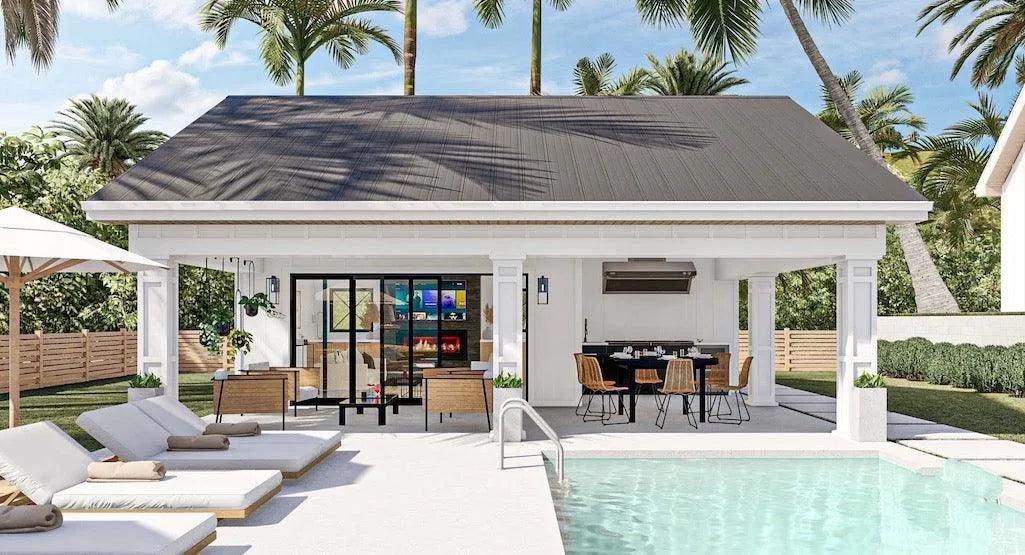
Luxury and Modern Transitional exteriors are characterized by their clean, intentional lines, high-quality material blending (such as large stone accents with sleek siding), and an emphasis on large, often dark-framed windows. They typically feature streamlined, simplified trim and may include modern elements like flat roofing sections or expansive covered outdoor living areas.

Are transitional house plans more expensive to build?

The cost of building a transitional home is comparable to building any quality custom home. While the clean, simplified trim of transitional design can sometimes reduce carpentry costs compared to ornate traditional styles, the higher material quality often chosen (e.g., premium stone veneers, larger windows, luxury modern fixtures) may balance out or increase the total construction cost.

Why Choose Archival Designs
Them
Cost to Build

Free

$30+
Shipping
Free
on physical blueprints
$20+
Price Guarantee
Only Price Match
Purchase

Direct


from the Architect
Middleman
Search by Plan Name