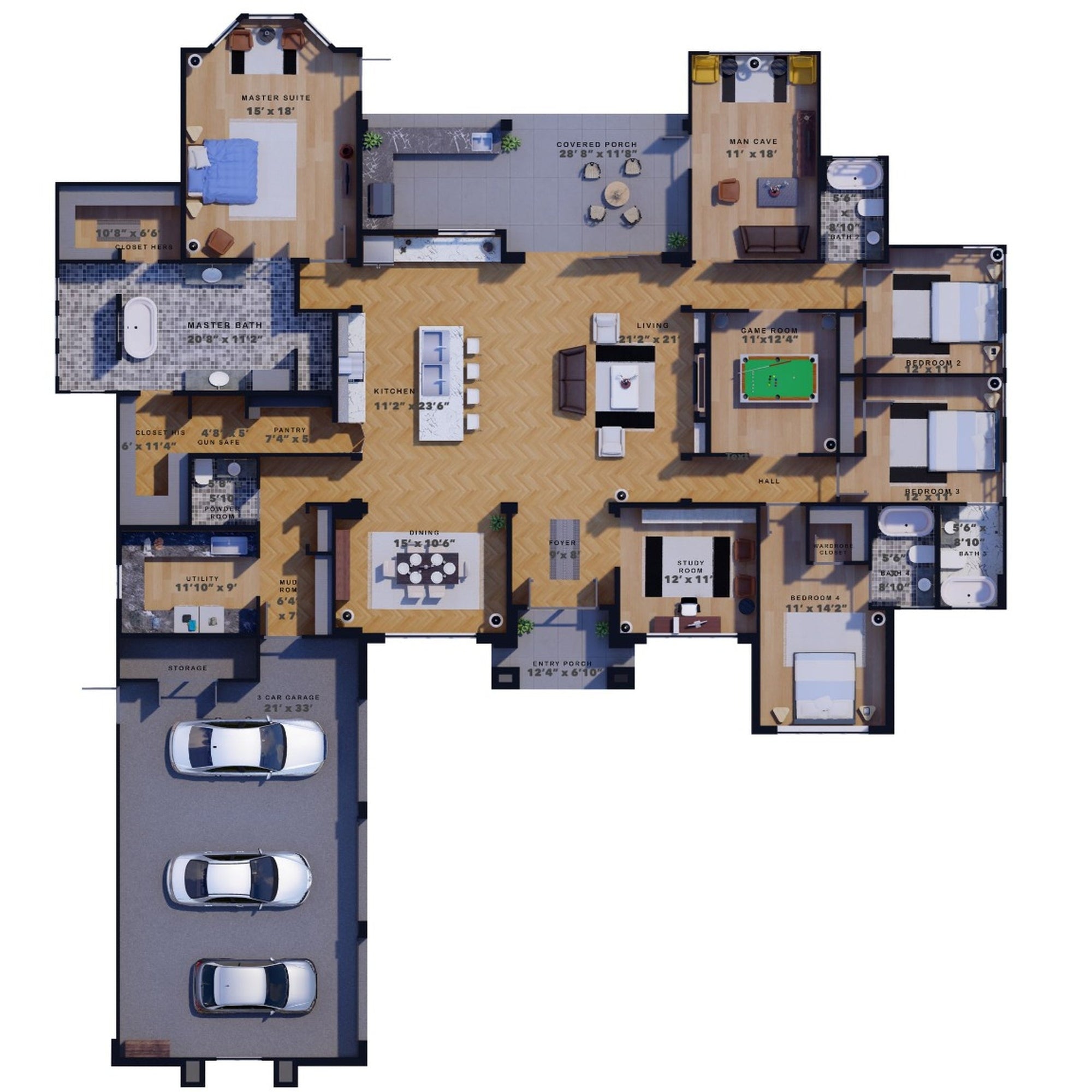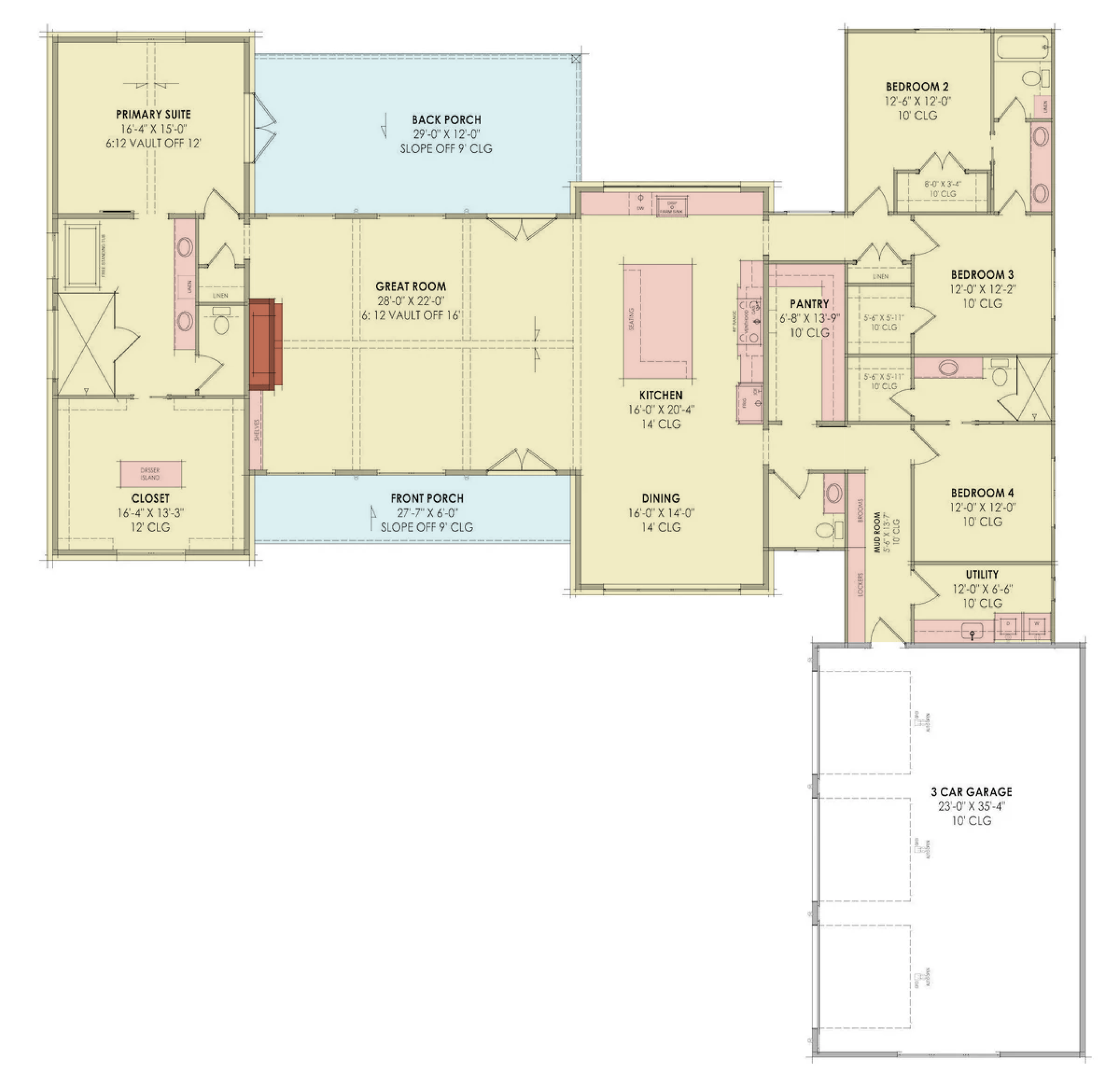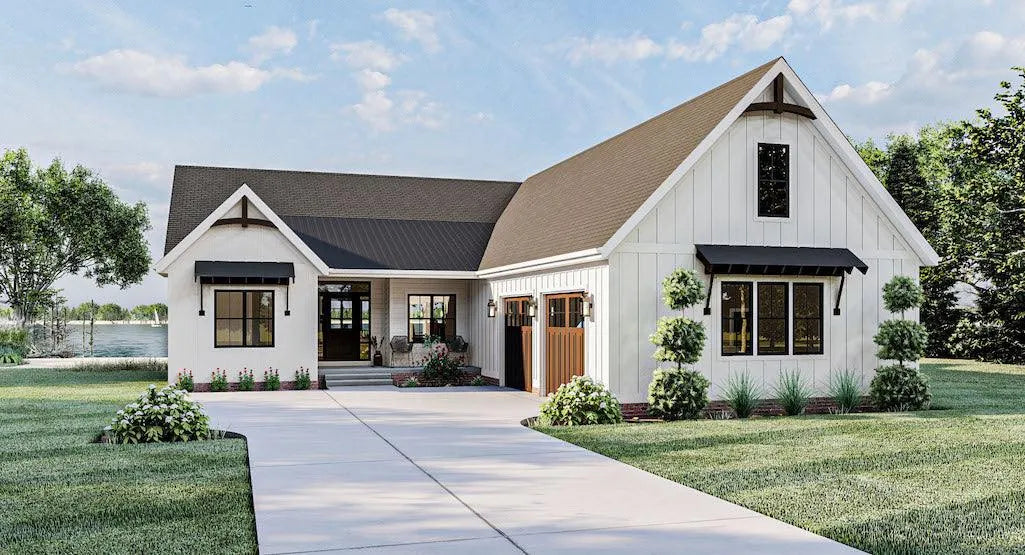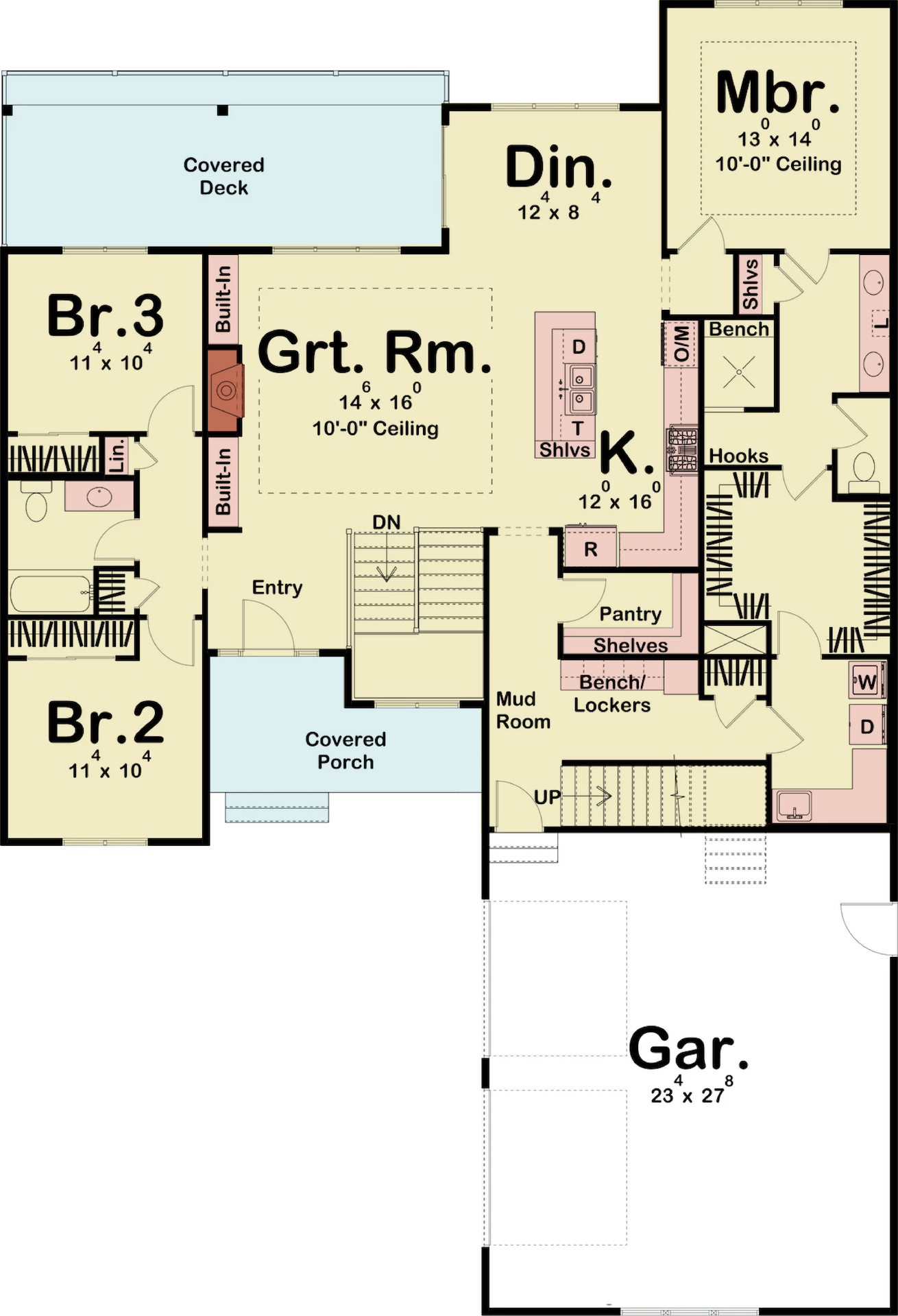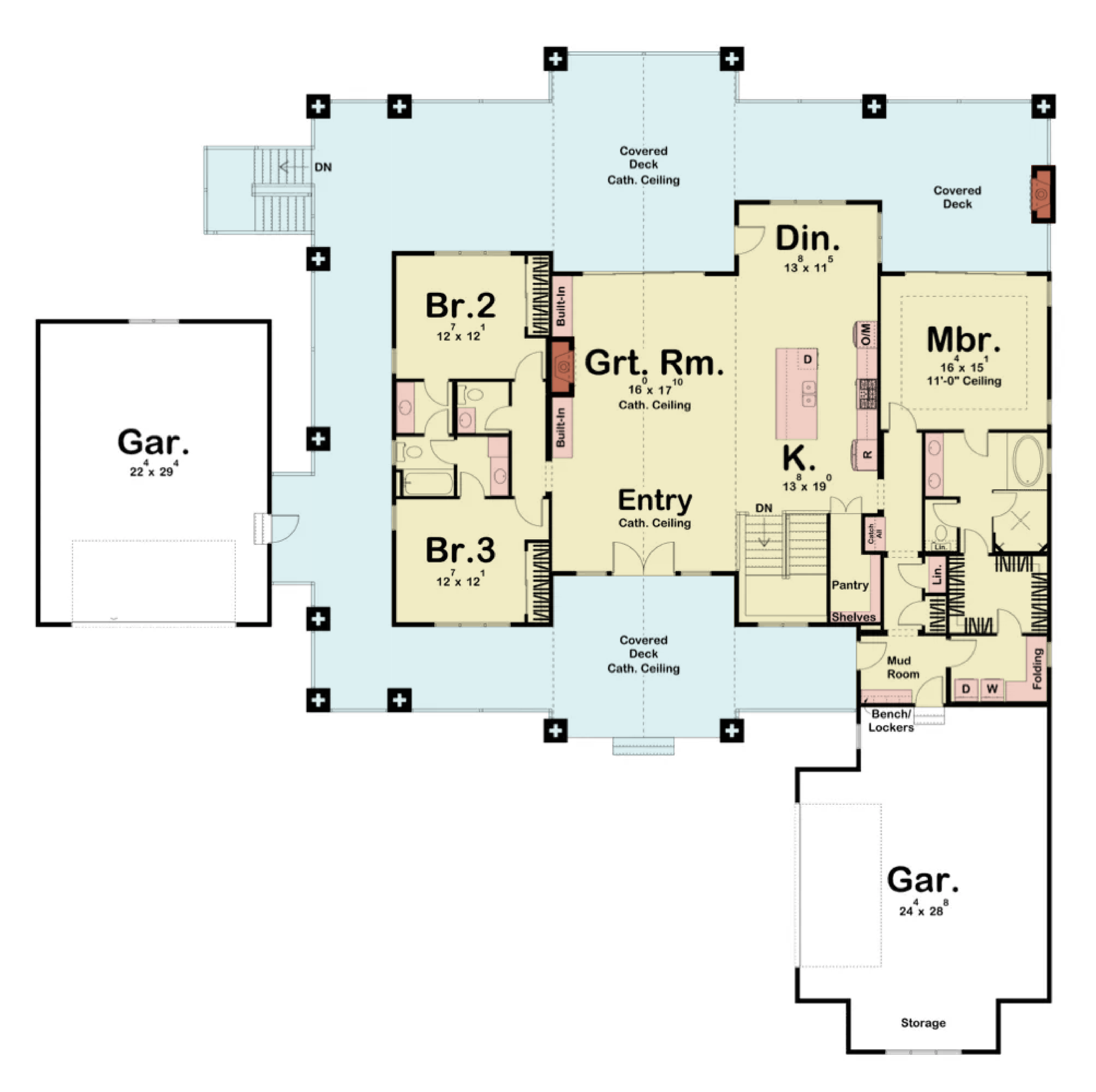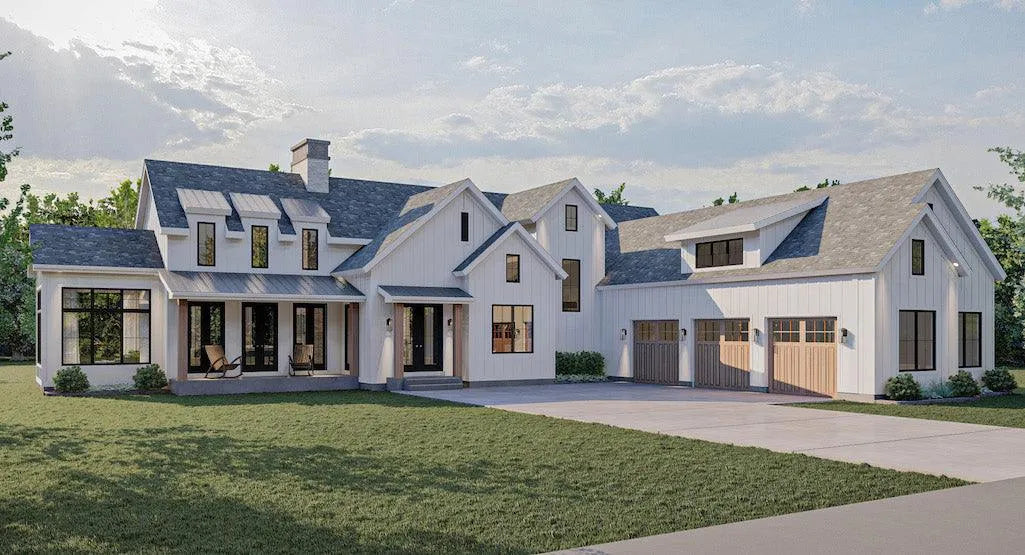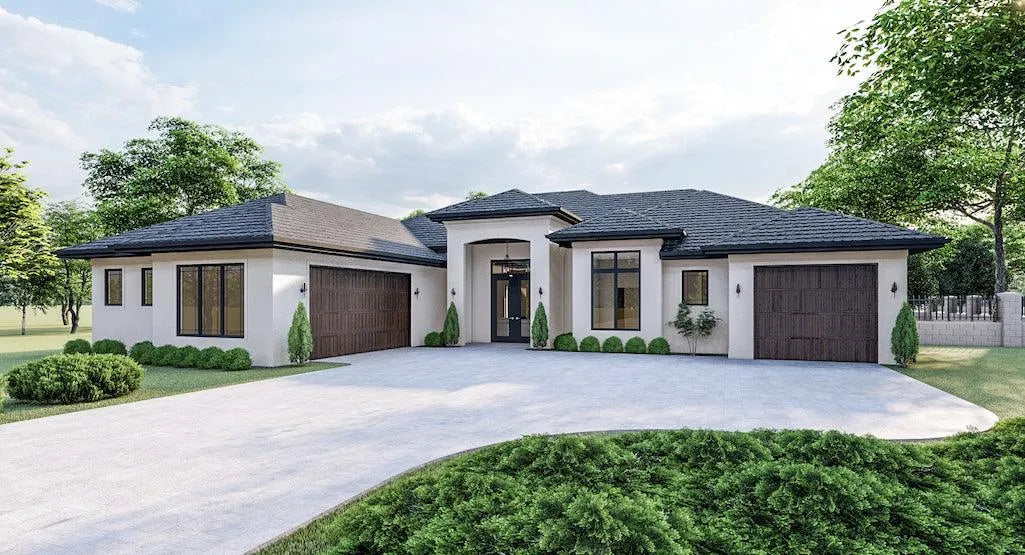
L-shaped house plans have stuck around for centuries because they simply make sense.
There's something about that right-angle bend that creates homes with character while solving real-world problems. Unlike boring boxes, these homes arrange living spaces in two distinct wings that meet to form that familiar "L" shape.
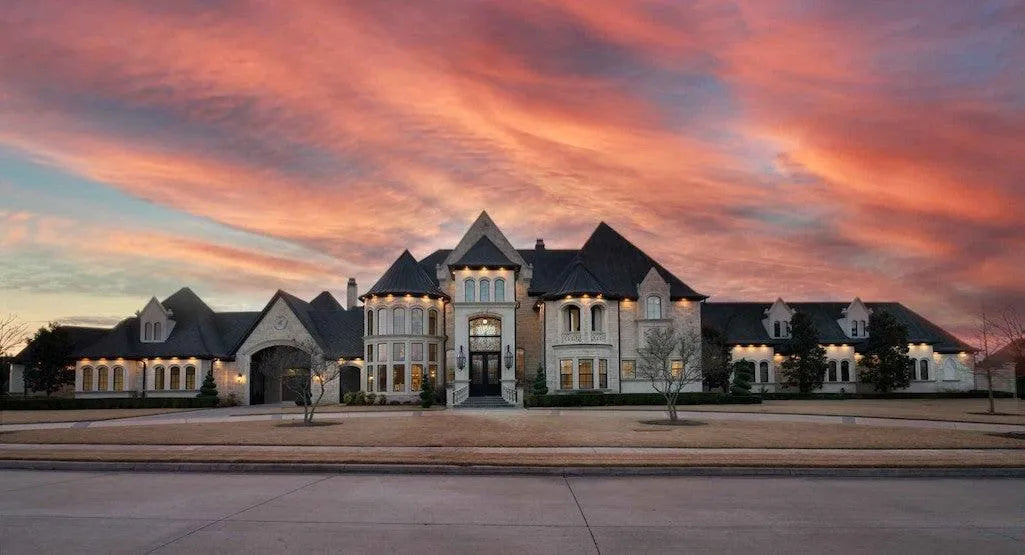
This straightforward approach turns out to be remarkably versatile, working beautifully for everything from cozy cottages to sprawling estates across virtually any setting.
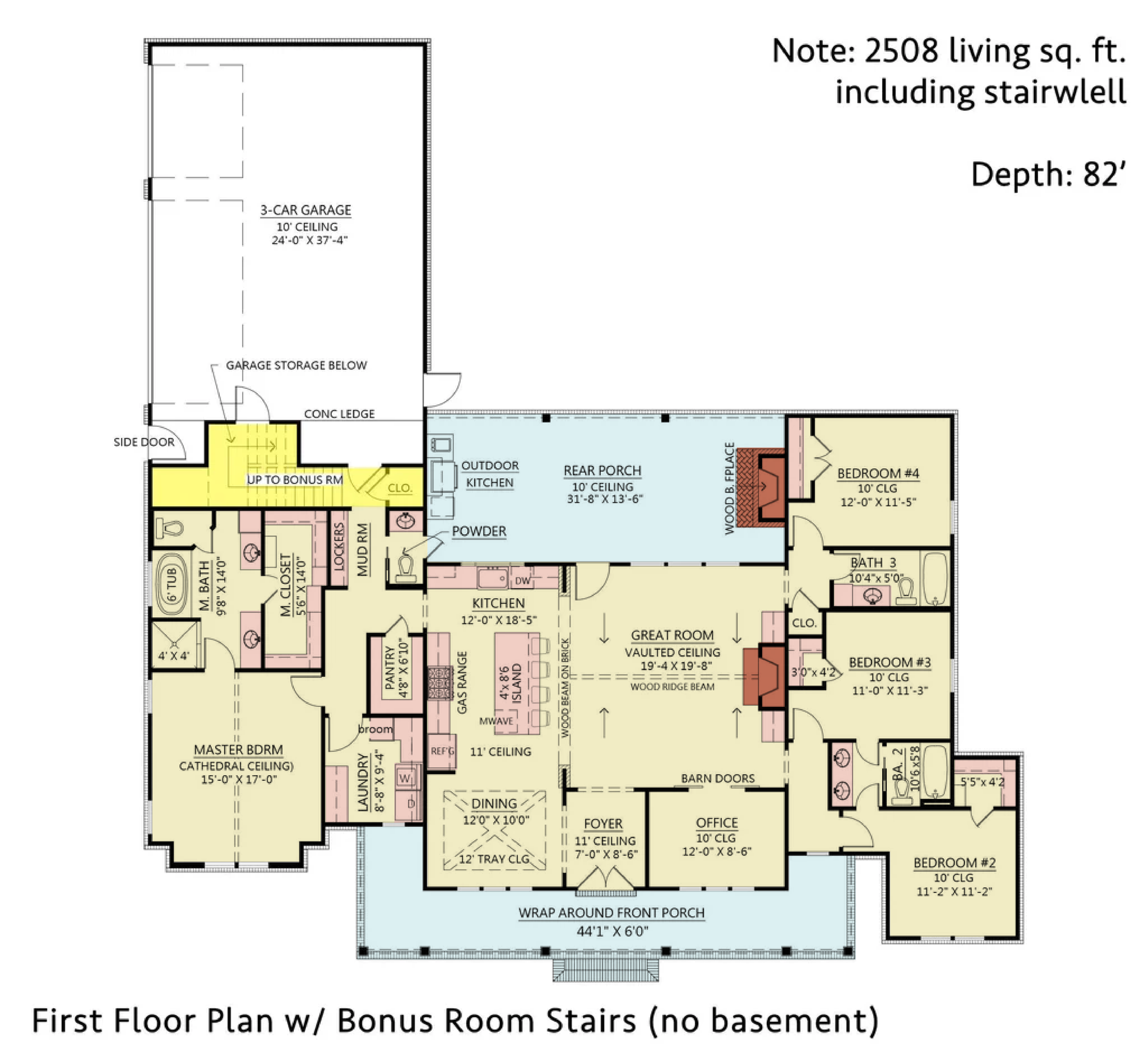
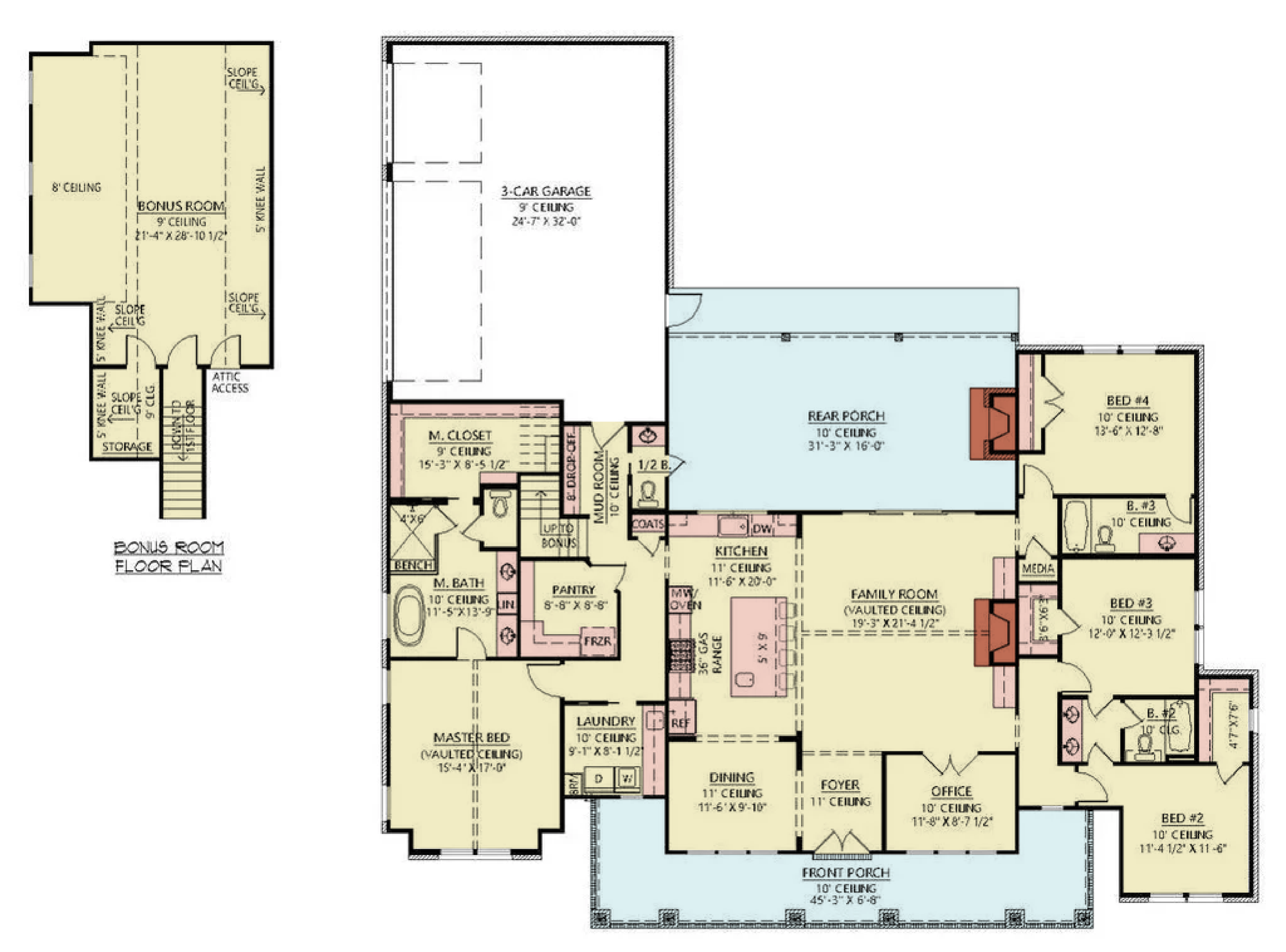
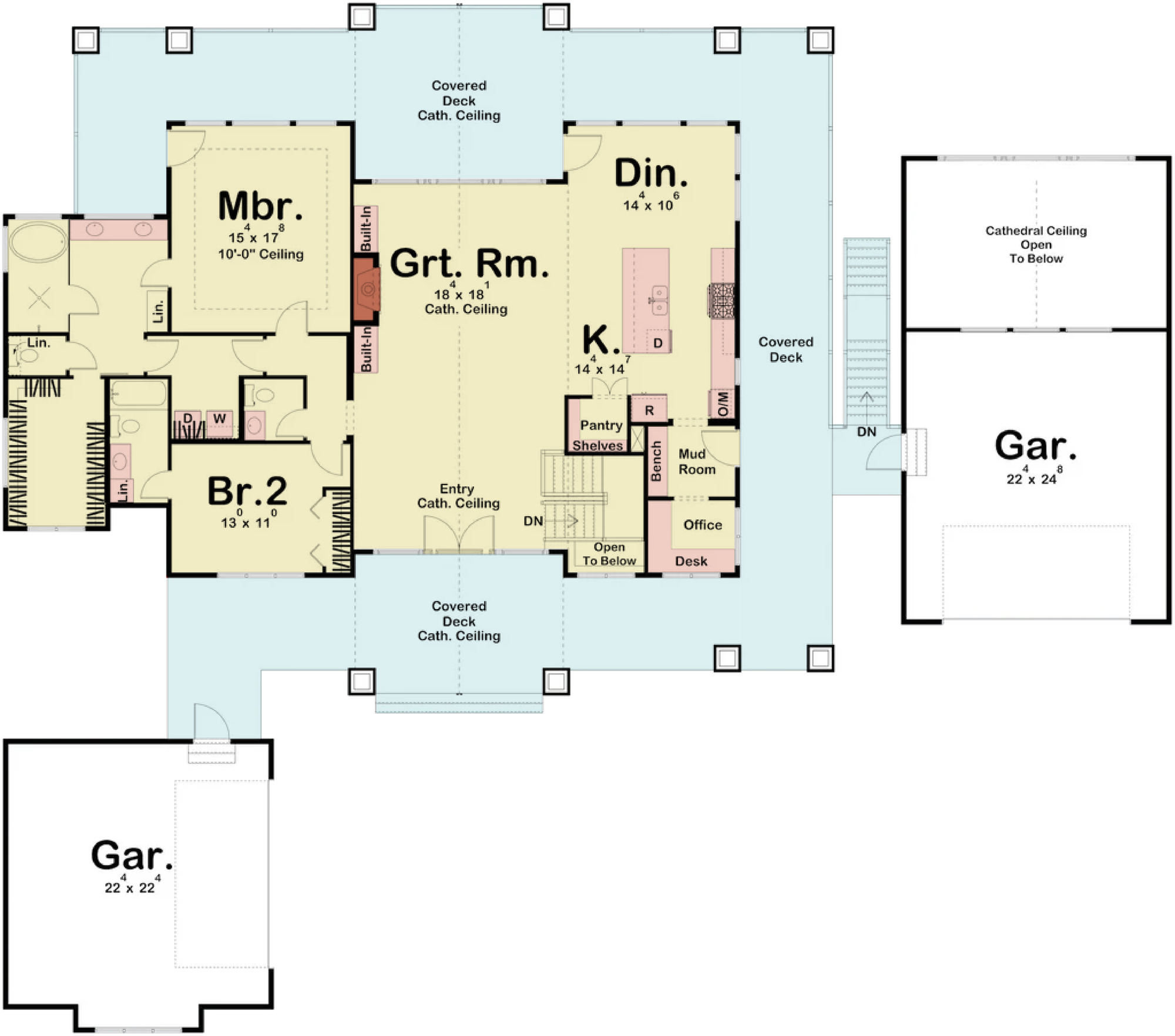
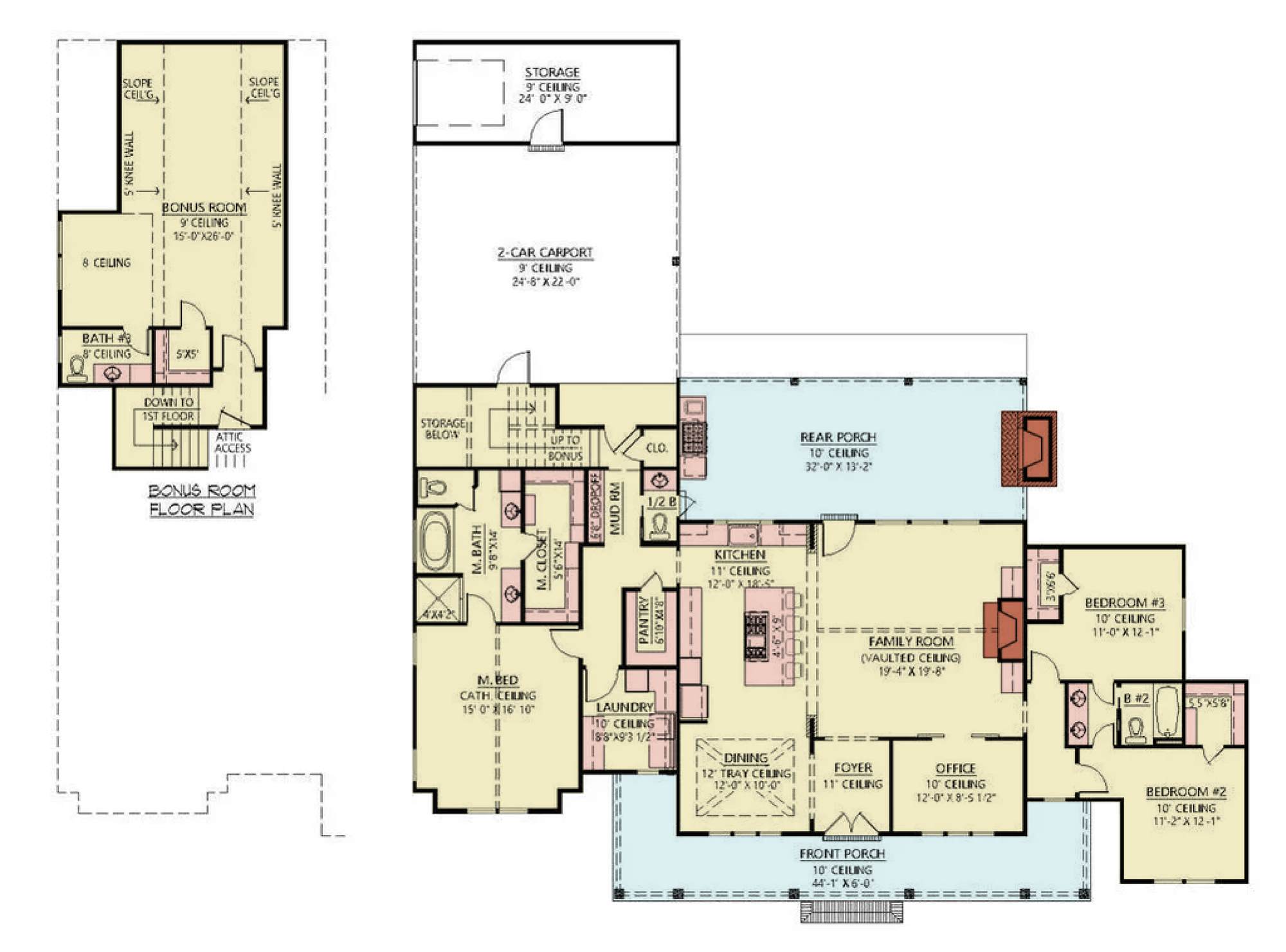
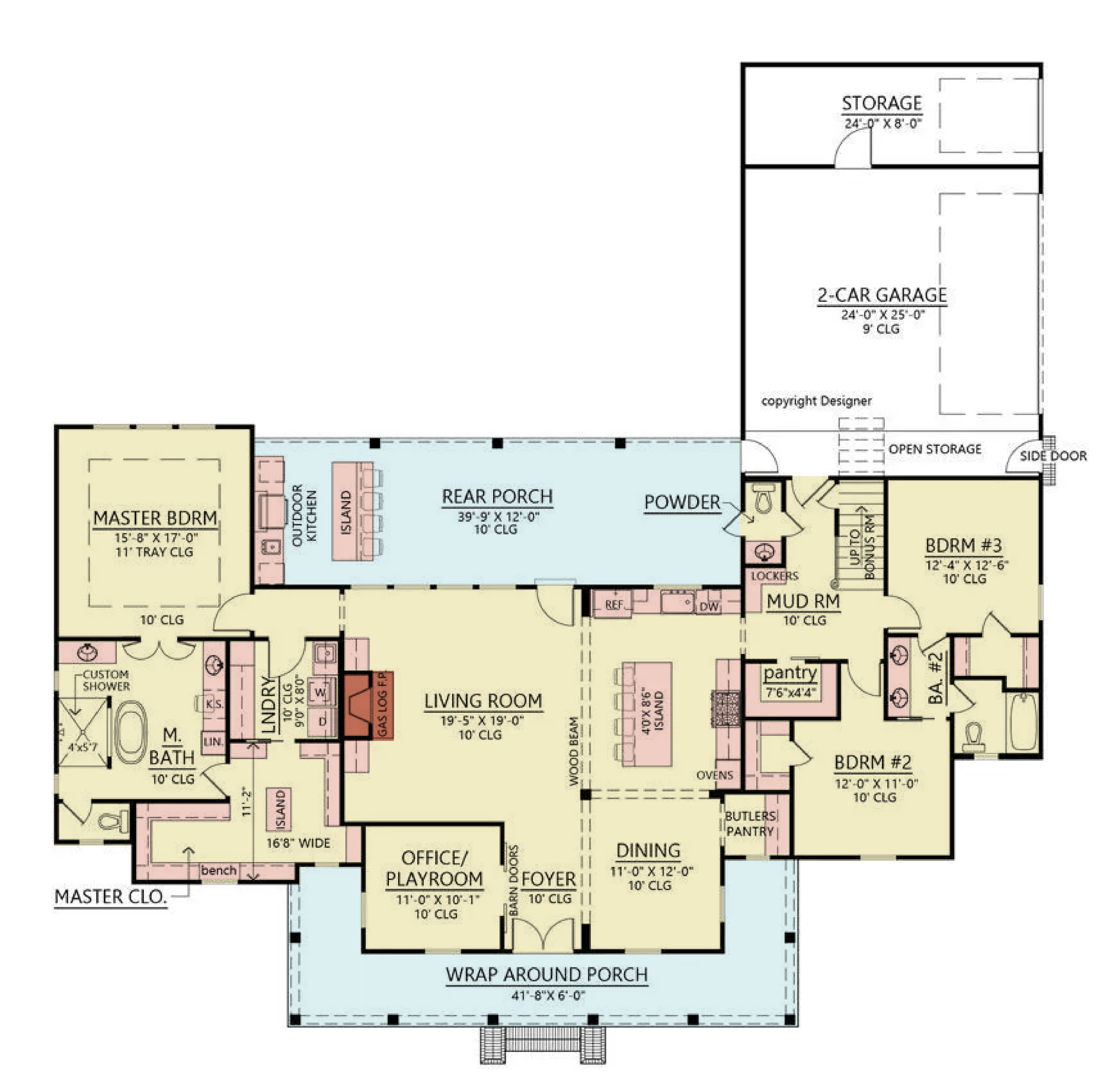
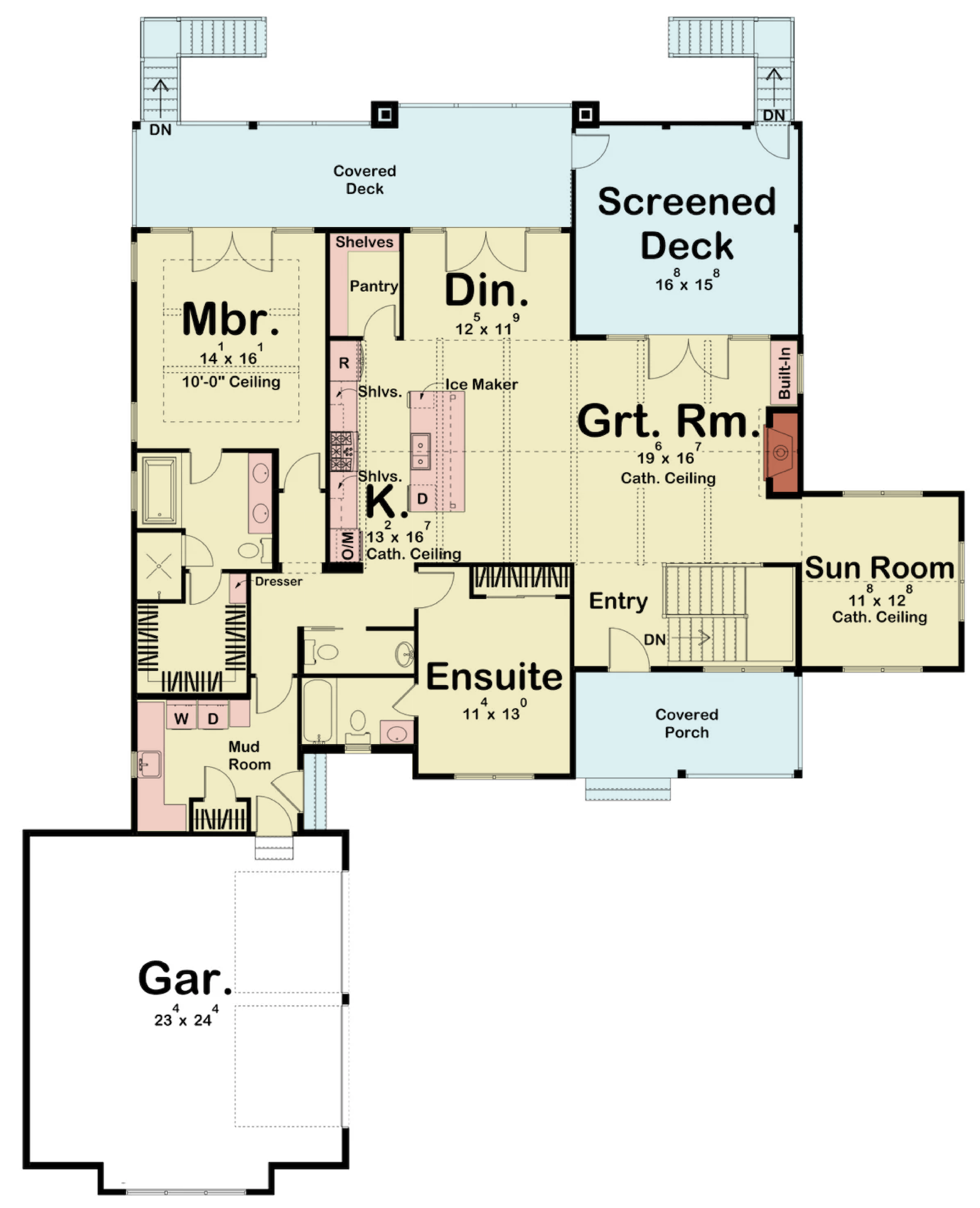
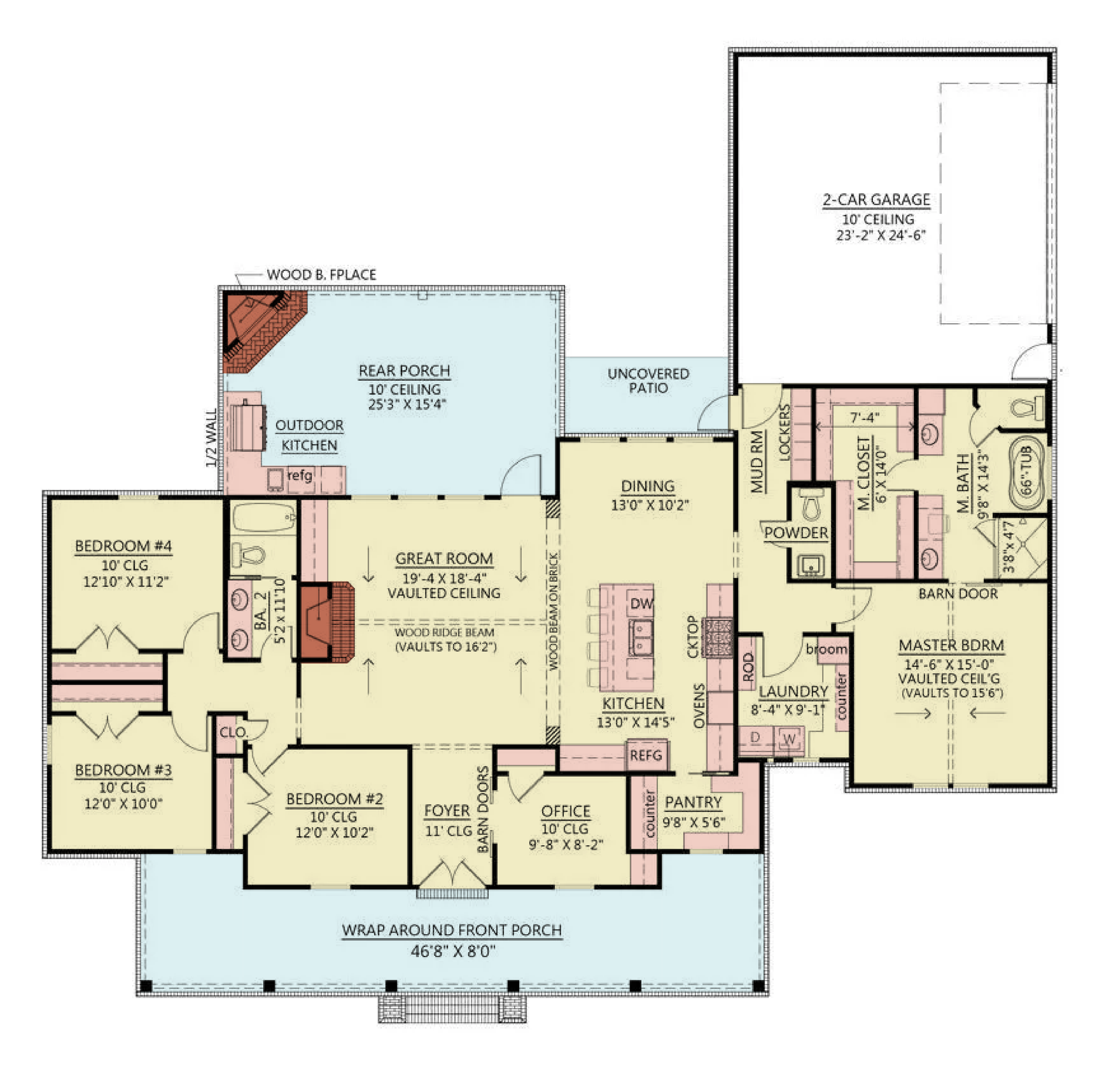
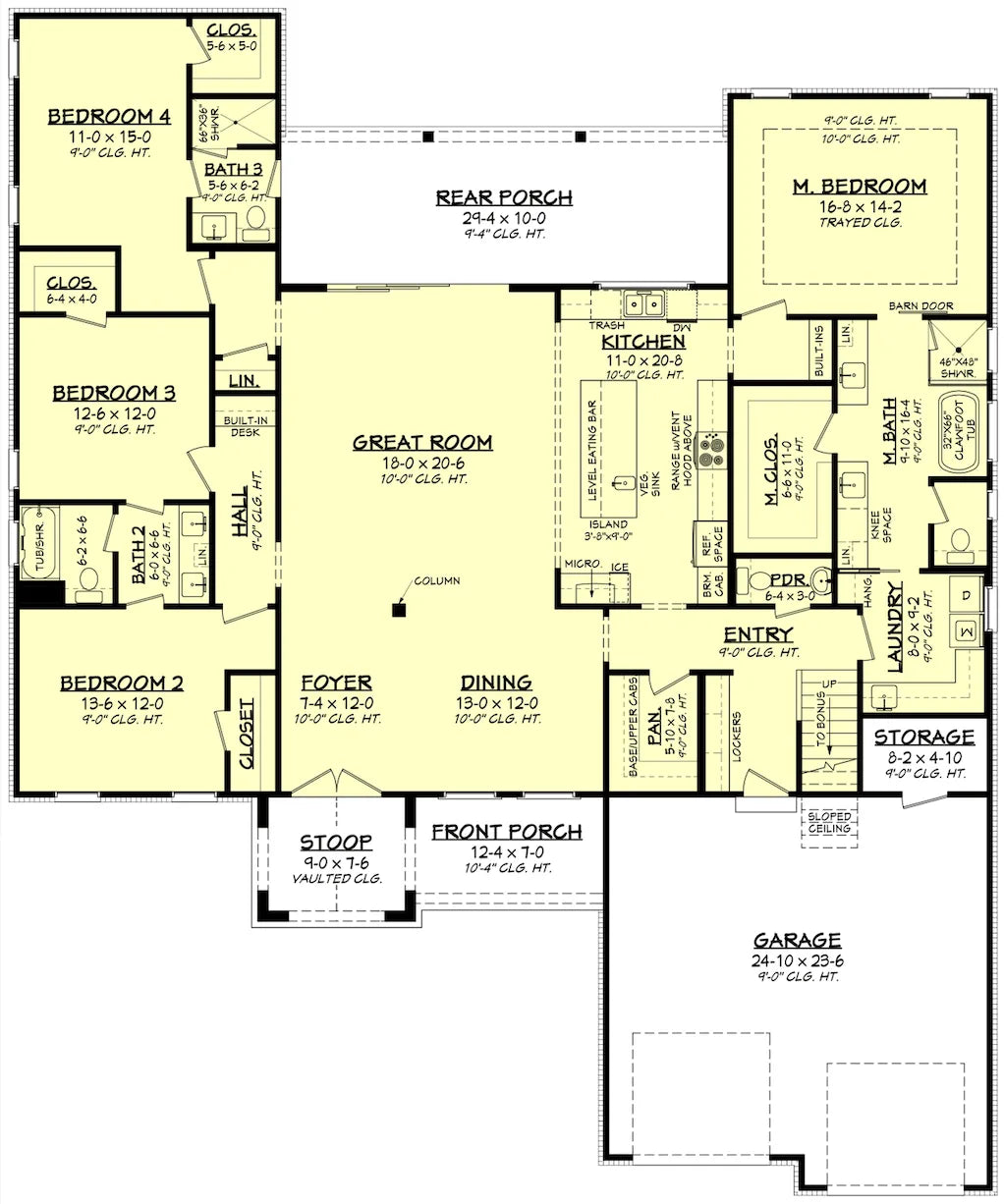
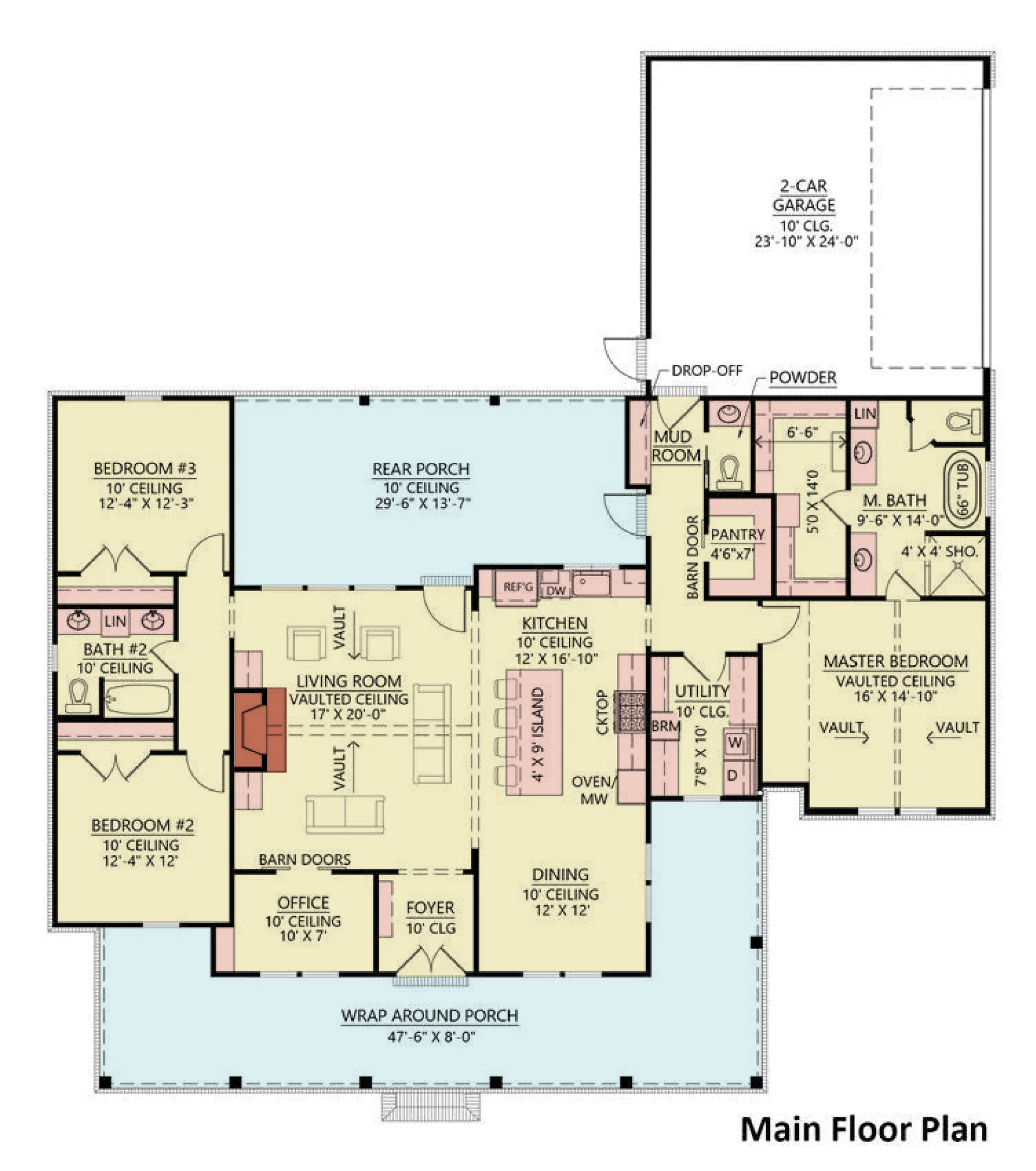
The beauty of an L-shaped layout lies in how it separates spaces without chopping your home into tiny rooms. That corner naturally divides your public and private worlds – kitchen and living areas might occupy one leg while bedrooms tuck away in the other.
Many families love how L-shaped floor plans keep the noise of movie night from disturbing someone sleeping or working in the opposite wing. No need for extra hallways or doors – the architecture does the work for you.
Ask anyone with an "L" home what they love most, and many point to what happens in that inner corner. This space naturally becomes a sheltered patio, deck, or courtyard that feels like an outdoor room.
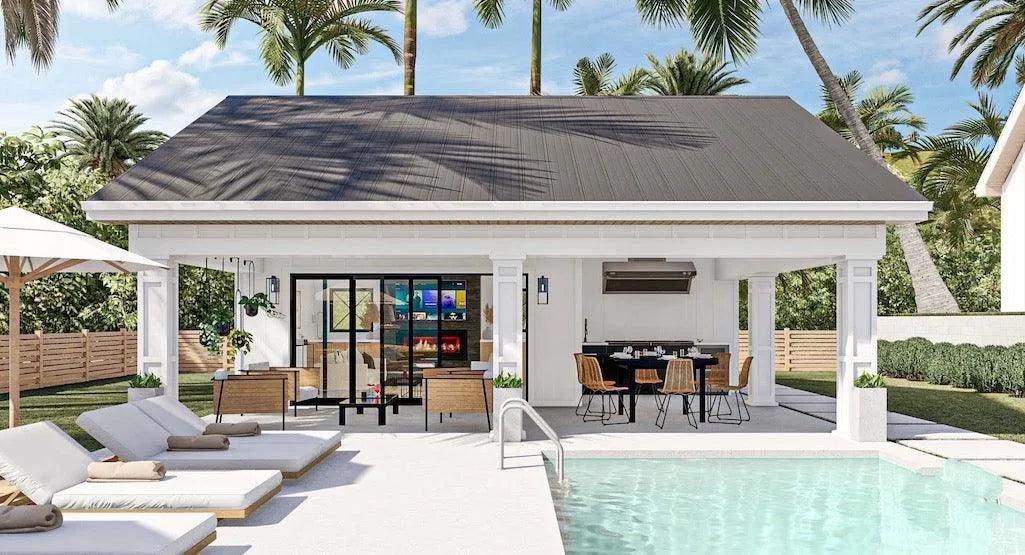
Protected from wind and prying eyes from the street, these spaces become the heart of family life in good weather. Add some sliding doors, and suddenly your living room extends right into this private outdoor retreat – a connection to the outdoors that rectangular homes simply can't match.
Got a challenging property? An L-shaped house might be your answer. These homes shine on a corner lot where they can address both streets while carving out a private backyard.
Working with a narrow lot? Extend one wing toward the back to make the most of limited frontage while creating surprising depth. Even steep sites benefit from the "L" shape, as you can follow the natural slope instead of fighting it. The layout essentially adapts to your land rather than forcing your land to adapt to it.
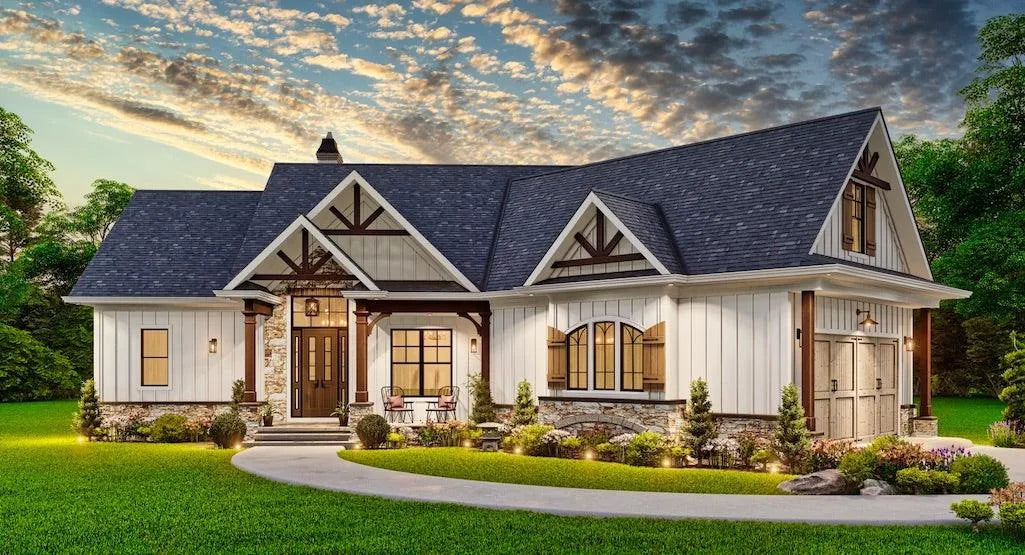
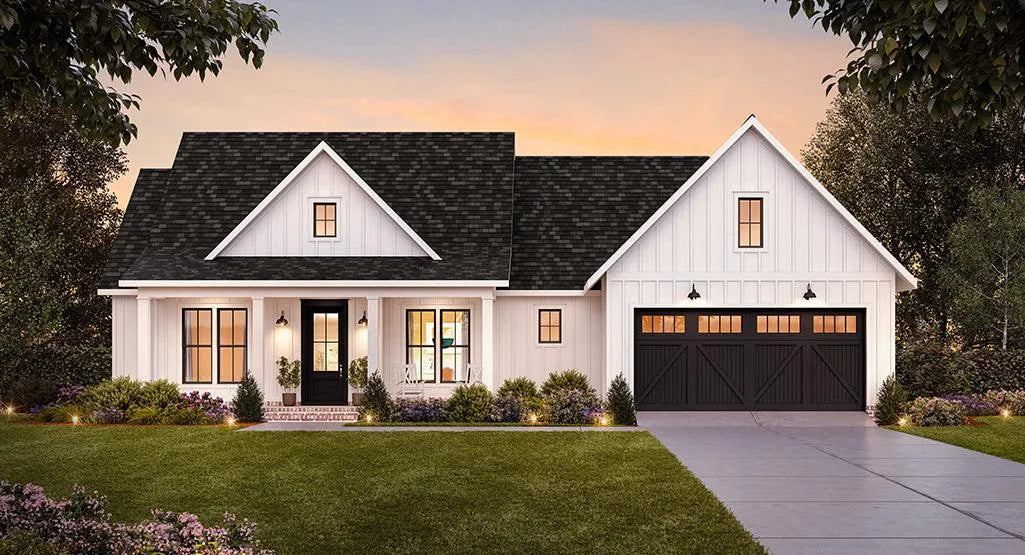
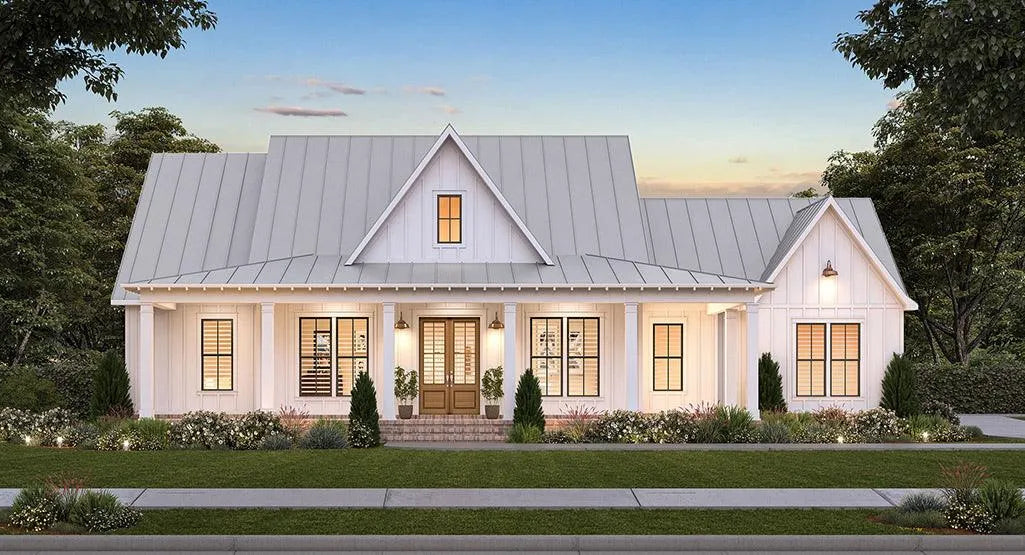
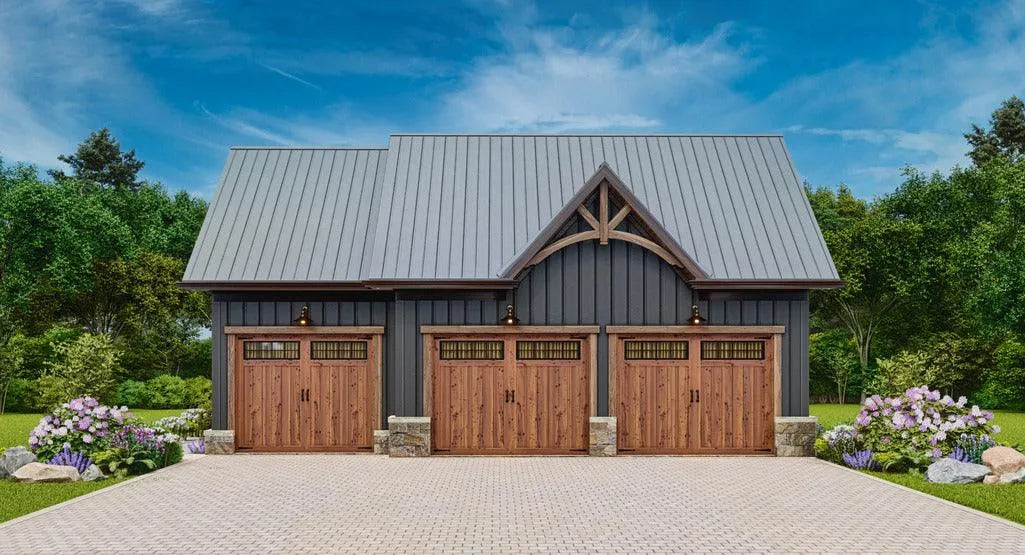
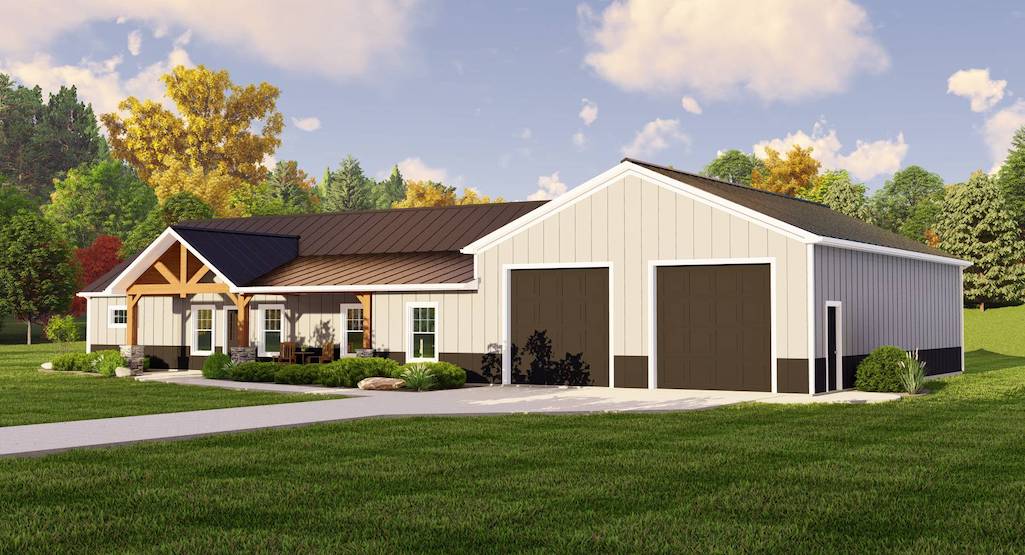
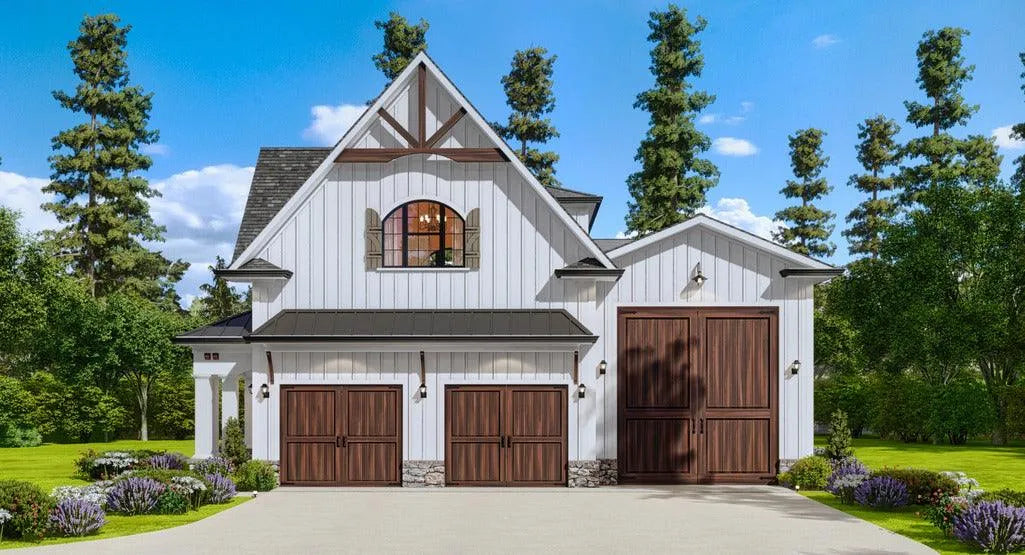
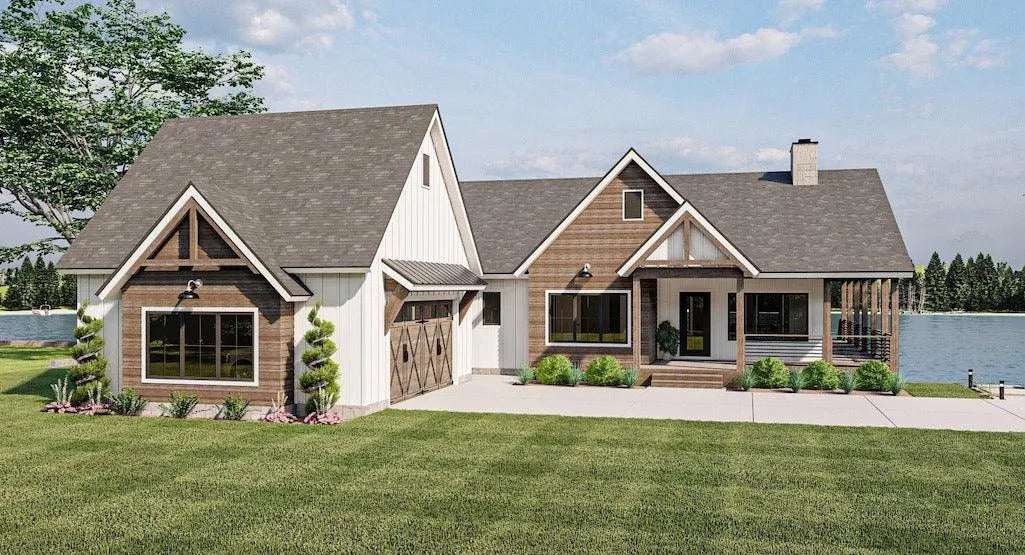
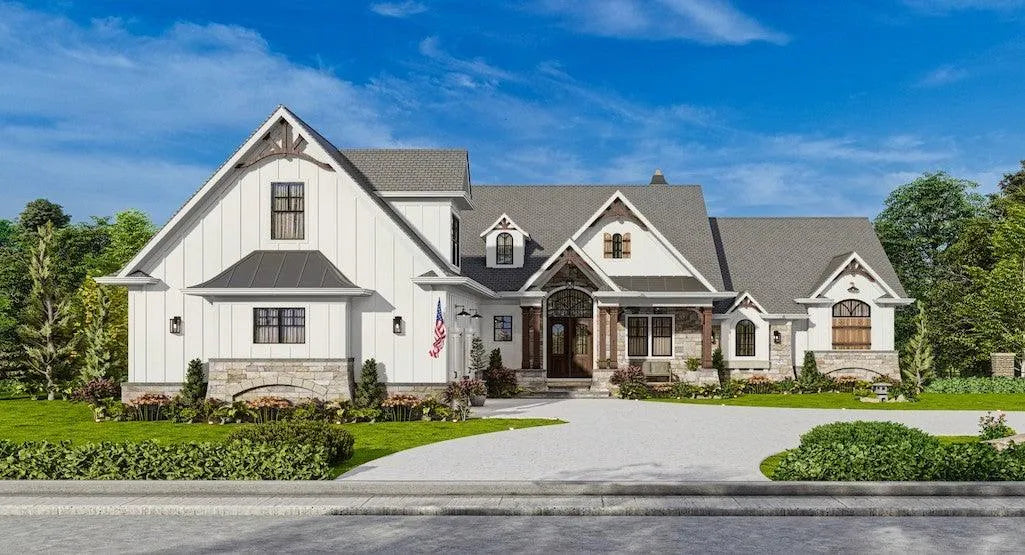
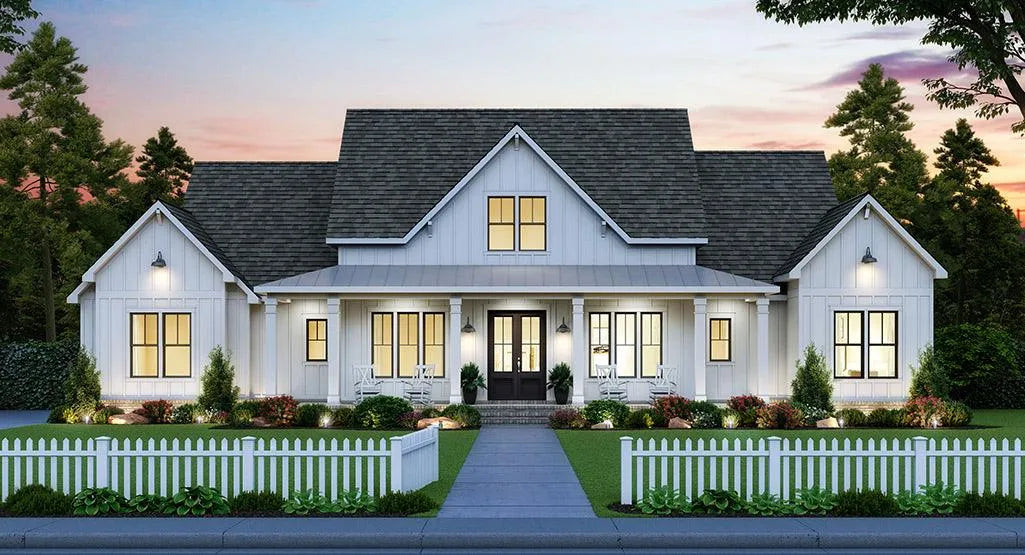
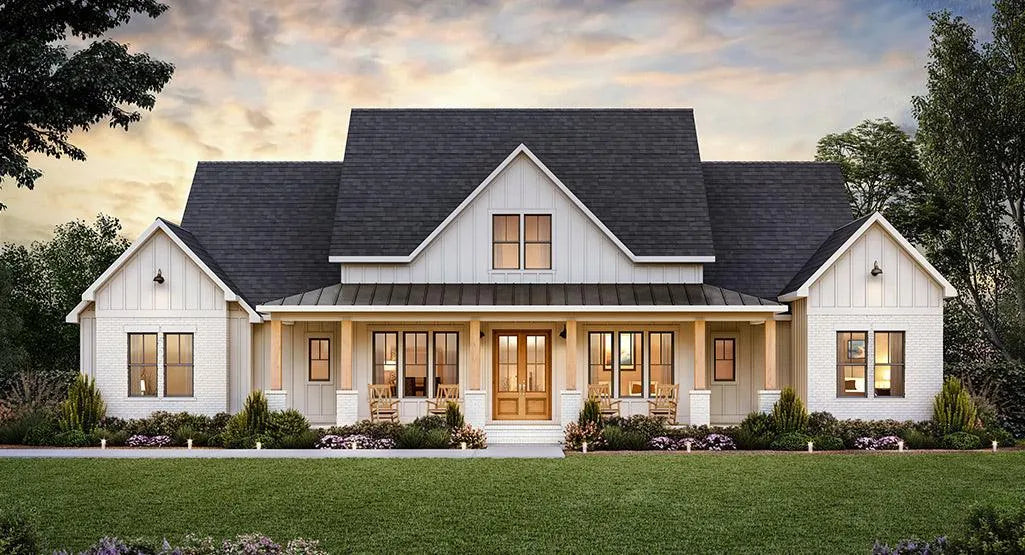
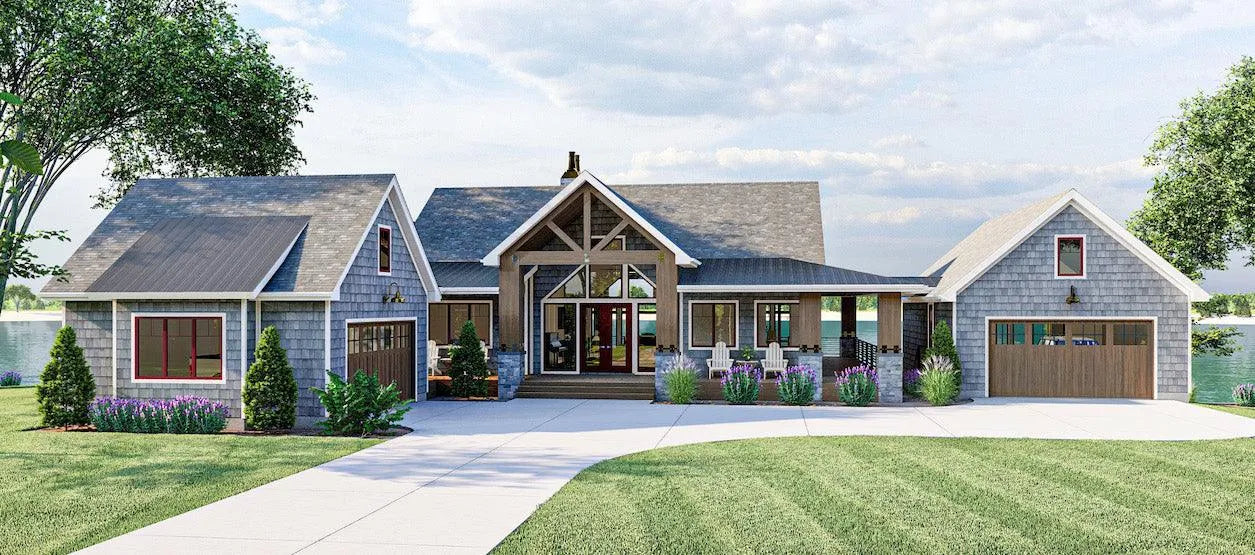
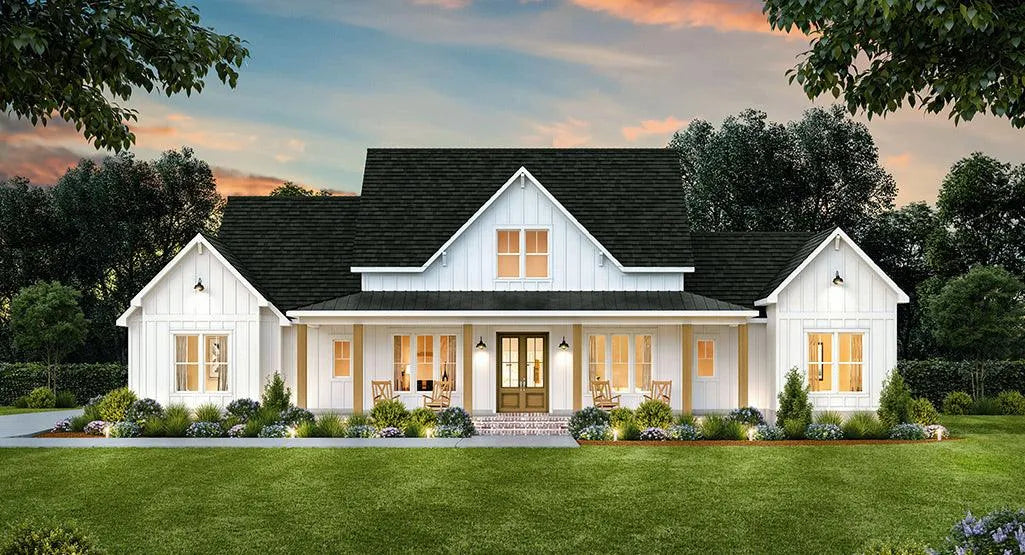
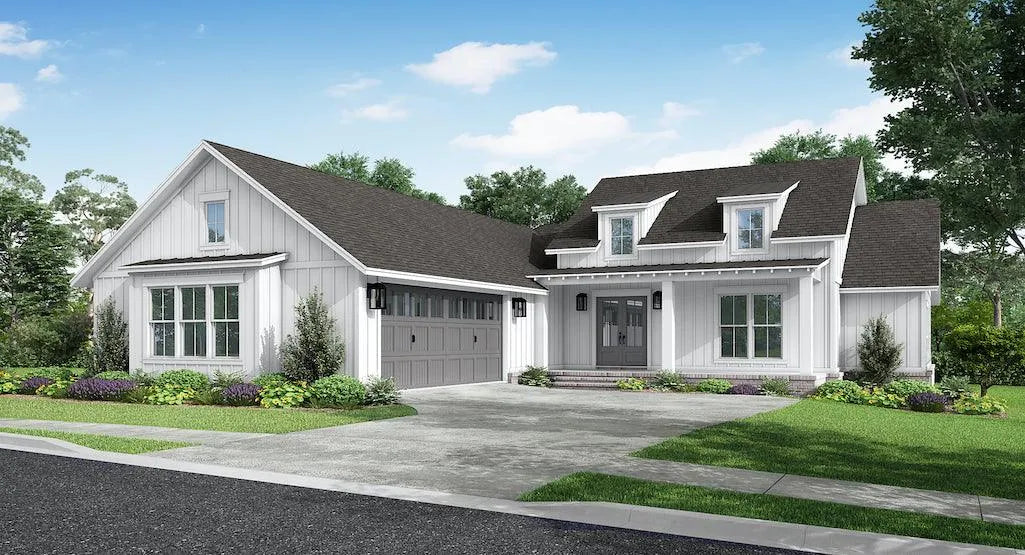
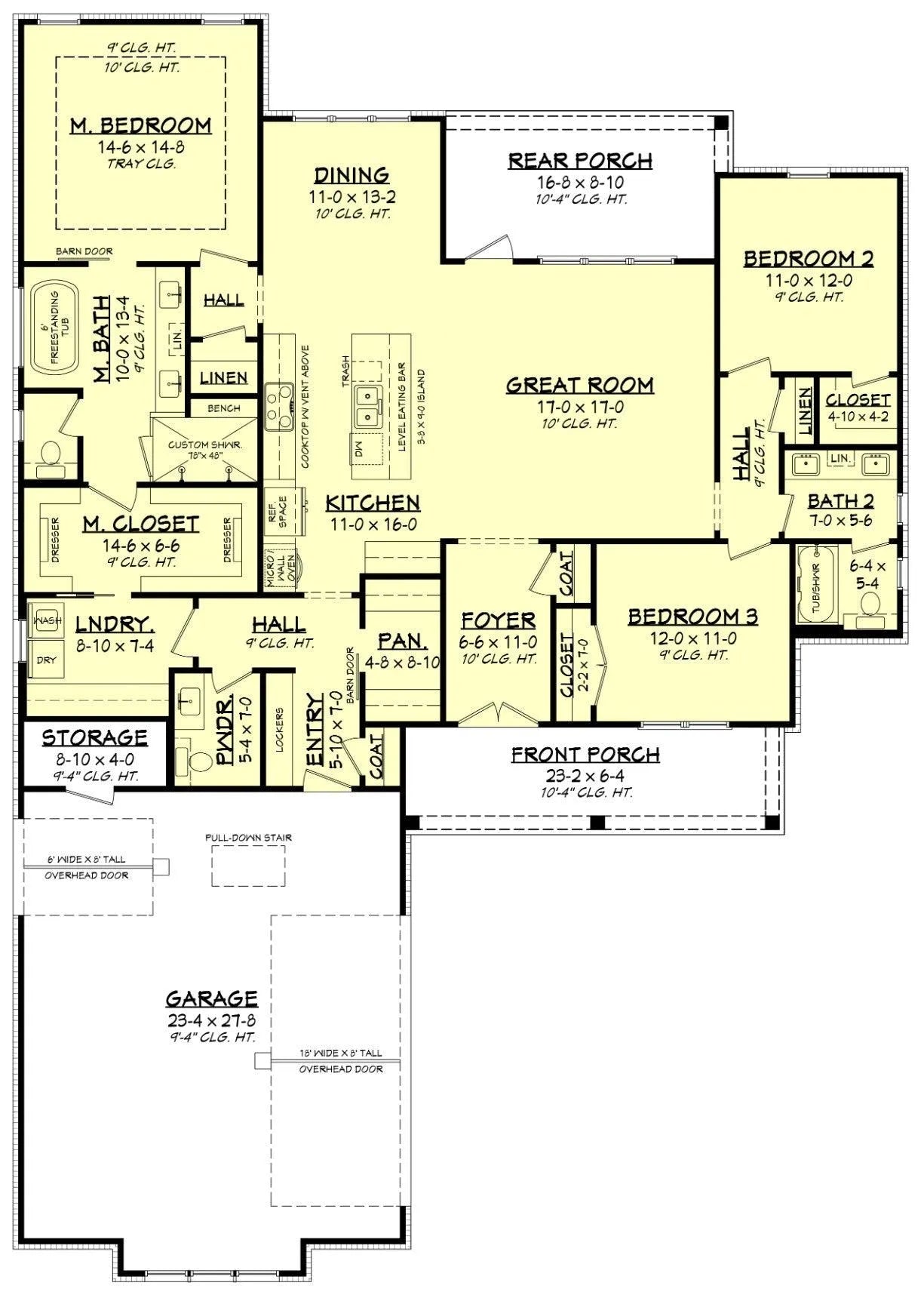
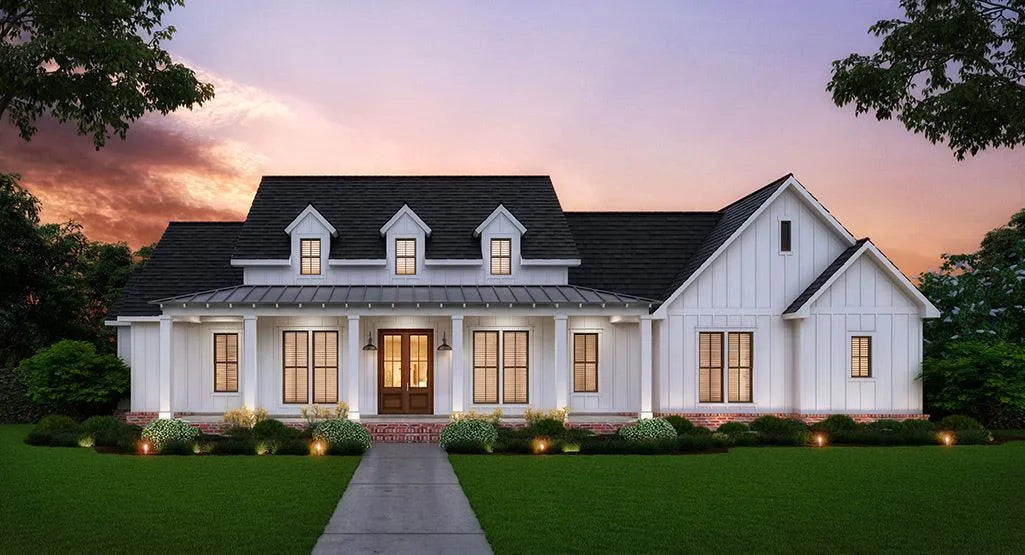
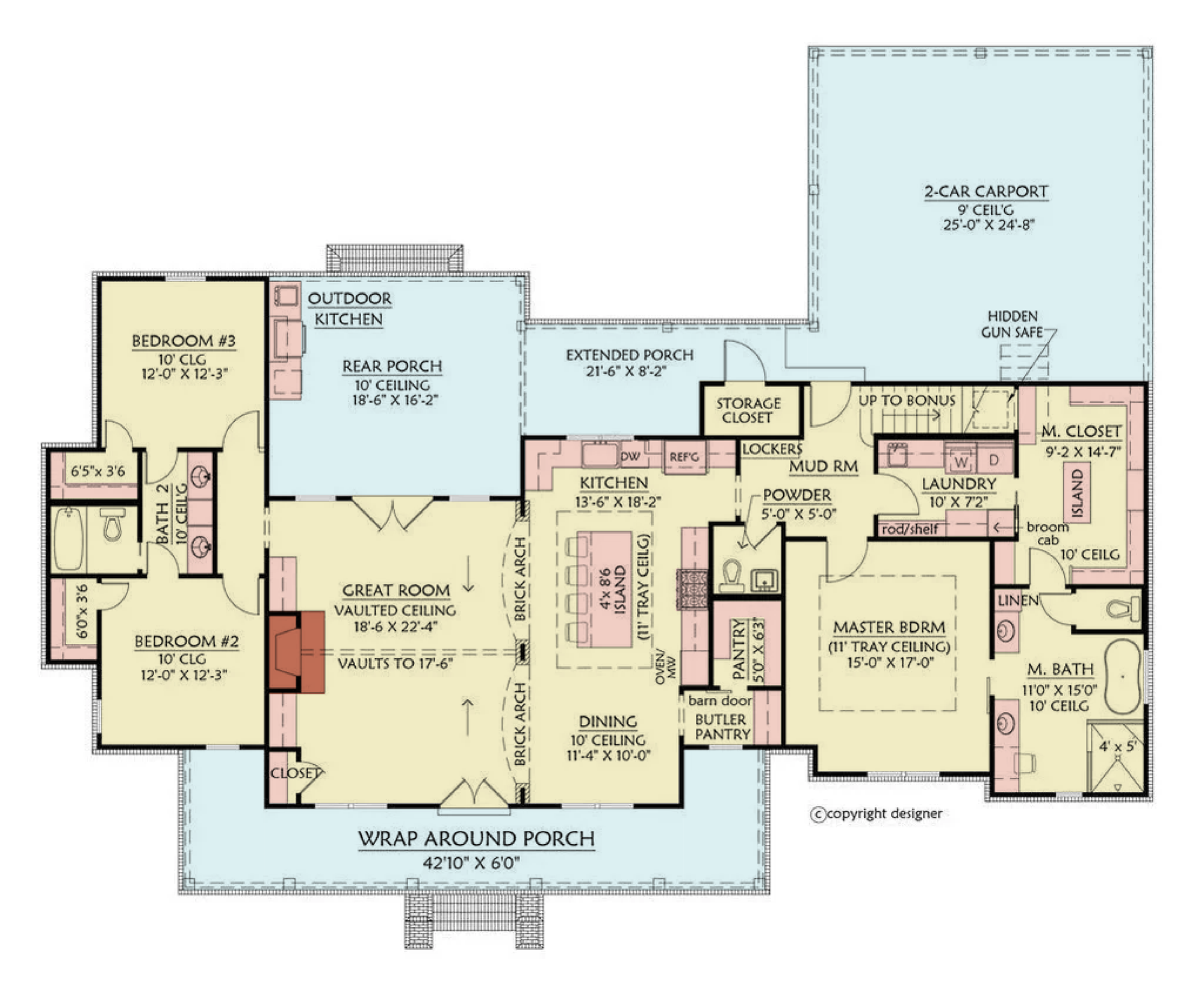
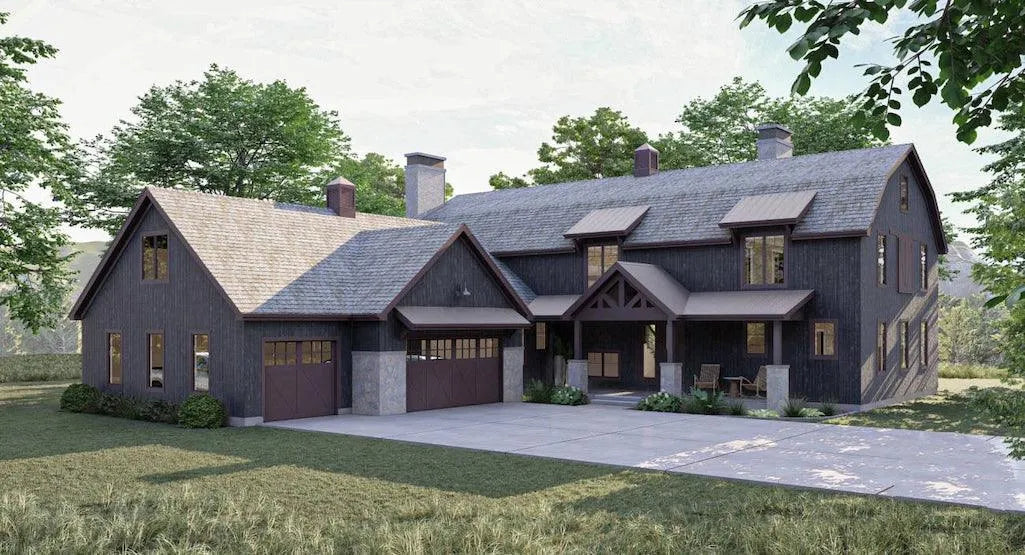
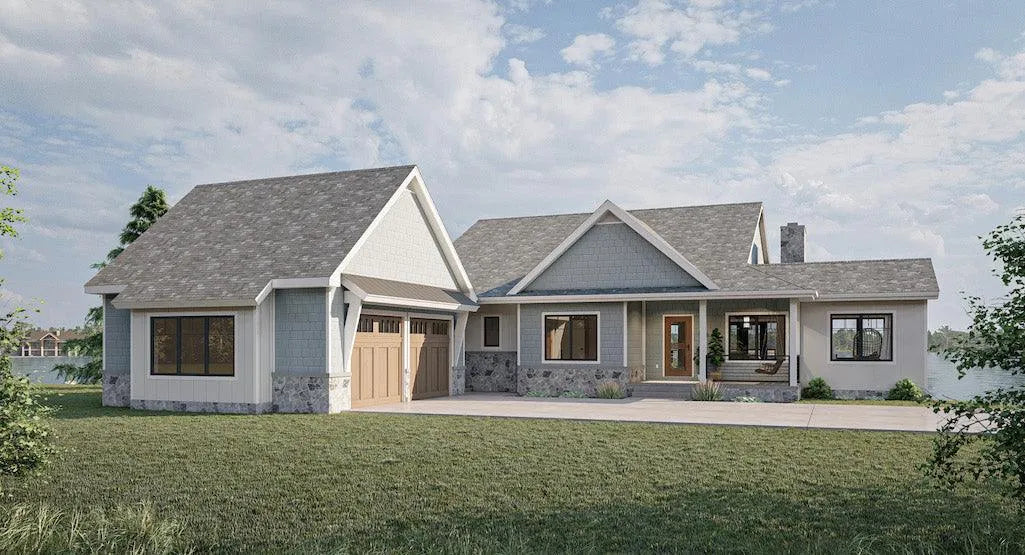
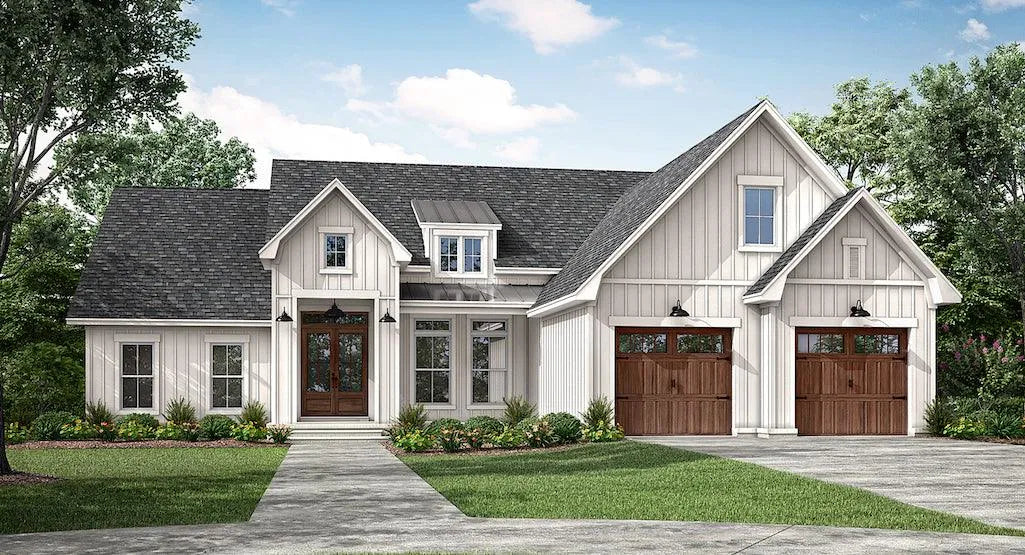
The "L" configuration plays well with virtually any architectural tradition. Modern farmhouse designs often place a garage in one wing with living spaces in the other, creating that welcoming front courtyard feel.
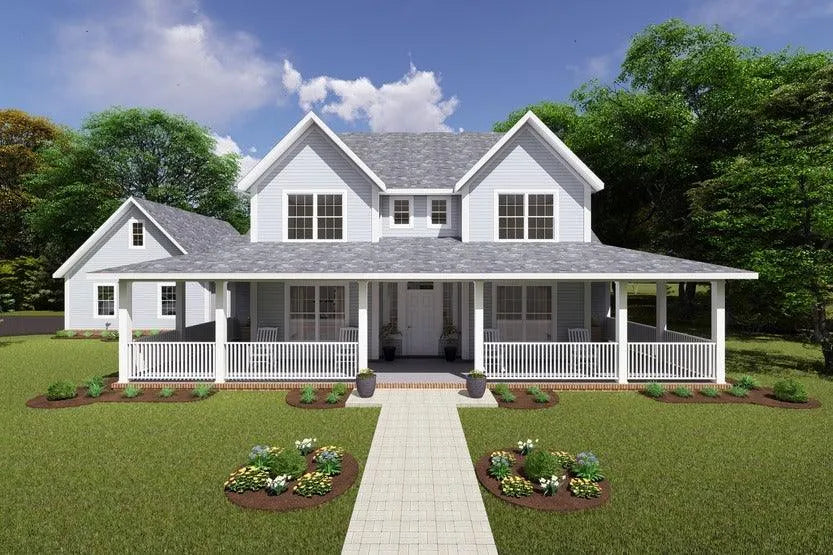
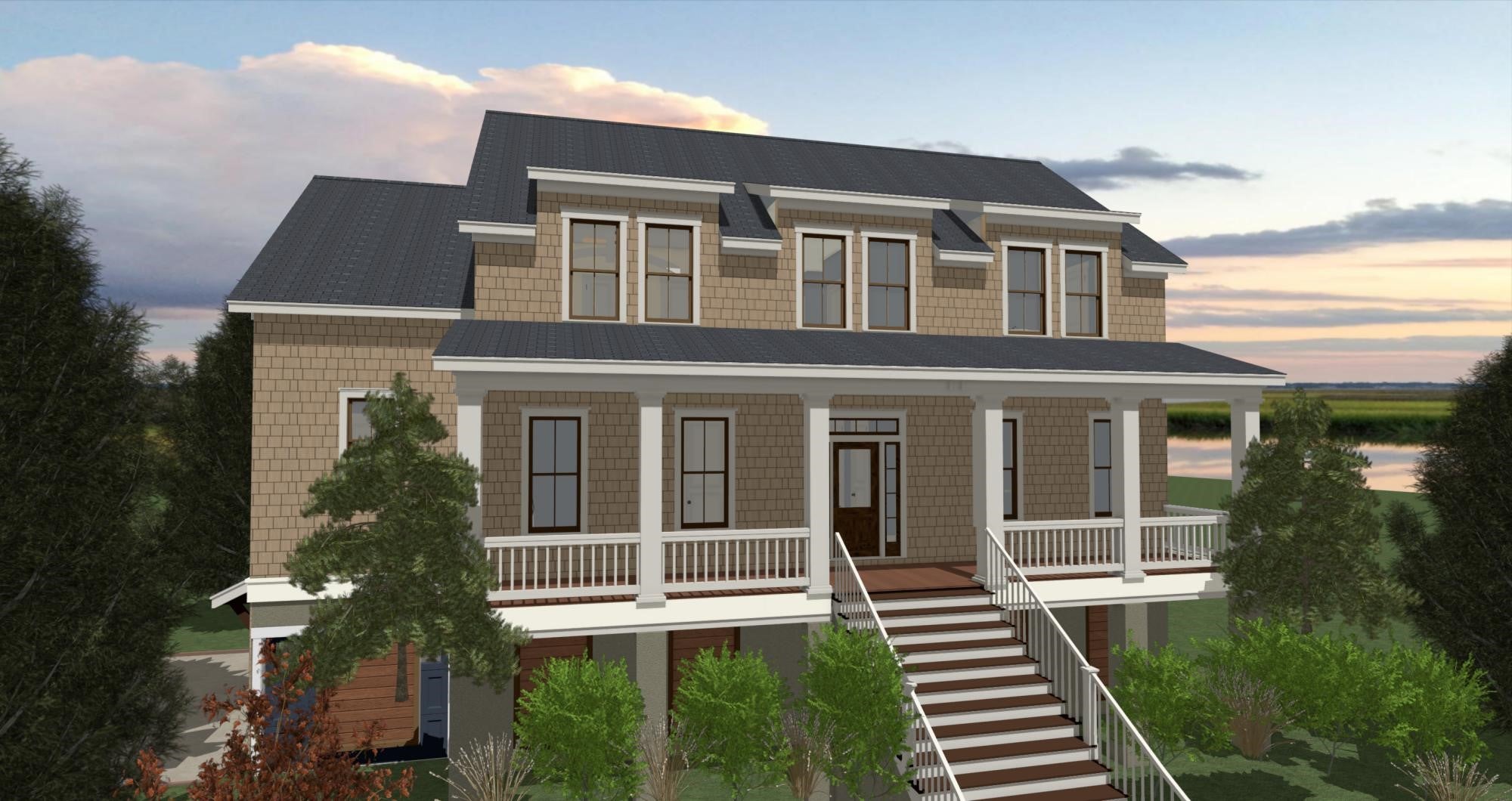
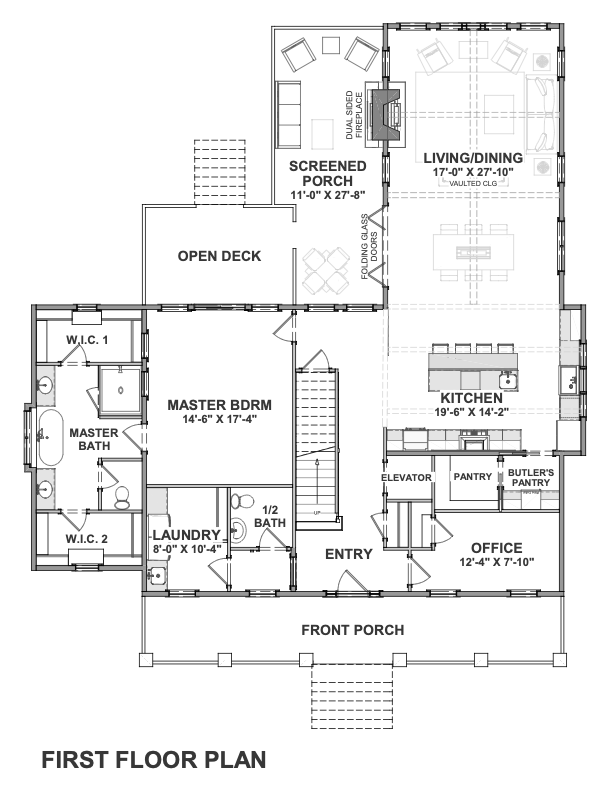
Ranch style floor plans stretch the "L" horizontally for easy single-level living. Cape Cod styles might feature a two-story main section with a single-story wing extending to one side. Consider courtyard entry house plans to add a spectacular entrance to your home.
Even Mediterranean villas use "L" shapes to embrace central courtyards. The form lends itself to interesting rooflines and those coveted vaulted ceilings that give rooms a sense of grandeur.
Something magical happens inside an L-home as you move between spaces. Many architects place living areas at that inside corner, where windows on two sides flood the space with natural lighting.
You get multiple views of your property without the fishbowl feeling that can come with wall-to-wall glass. The layout creates natural breaks between areas without wasting square footage on endless hallways.
The result? Homes that somehow feel both open and cozy at the same time.
The inherent flexibility of L-shaped home plans makes them perfect for evolving needs. Need space for aging parents?
One wing can easily become a private in-law suite with its own entrance. Expecting your family to grow?
Many 3 bedroom house plans or larger let you extend one or both wings over time. This ability to expand in phases makes these homes practical for young families whose needs (and budgets) will change over the years. You can even renovate one section while living in the other – try that with a standard rectangle!
An L-shaped house does more than just look good – it can actually help manage your comfort and utility bills. When positioned thoughtfully on your lot, the "L" can maximize winter sun exposure while creating summer shade exactly where you need it.
The corner arrangement creates cross-breezes that straight walls can't capture. Today's L-shaped home design often incorporates these passive strategies to reduce heating and cooling needs year-round. That inner courtyard becomes a microclimate of its own – typically the most comfortable outdoor spot on your property.
L shaped house plans nail that tricky balance between privacy and connection. The angled design naturally blocks sightlines – one wing might shield your living spaces from the street while the other creates a buffer from neighbors.
This clever arrangement lets you include generous windows without feeling exposed. Inside, family members can have separation when they want it, yet maintain a sense of connection across the inner courtyard. It's this perfect middle ground between togetherness and personal space that makes these homes work so well for families of all sizes.
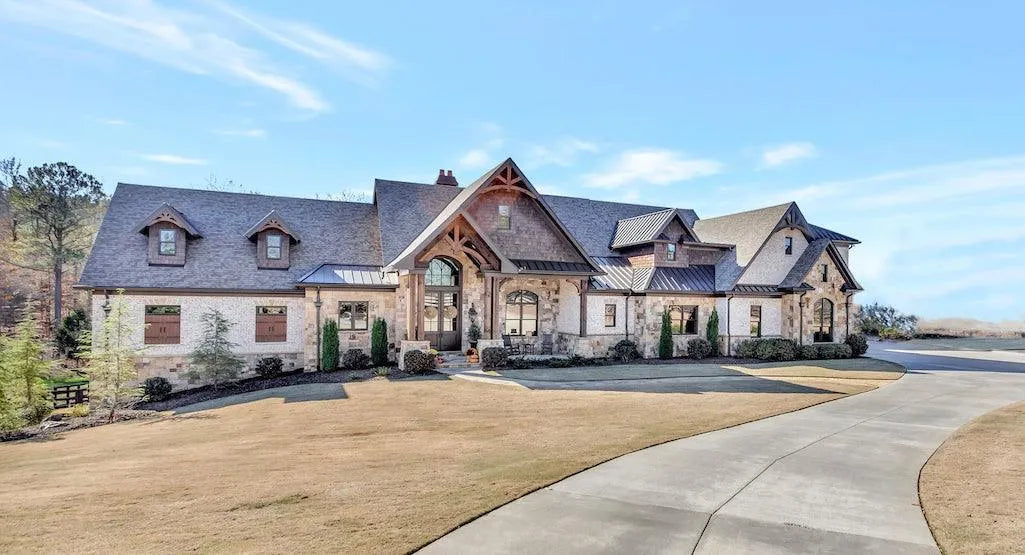
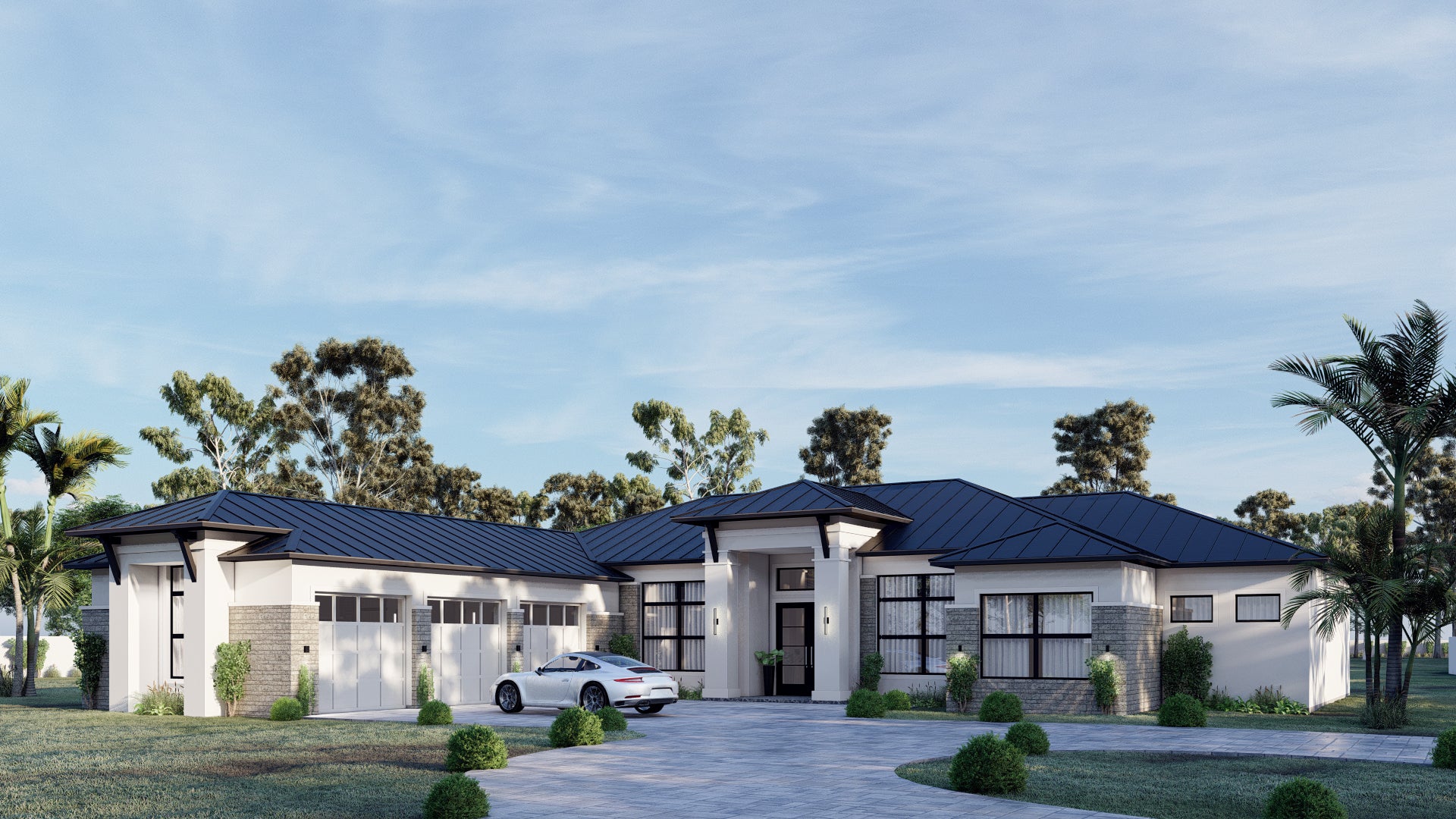
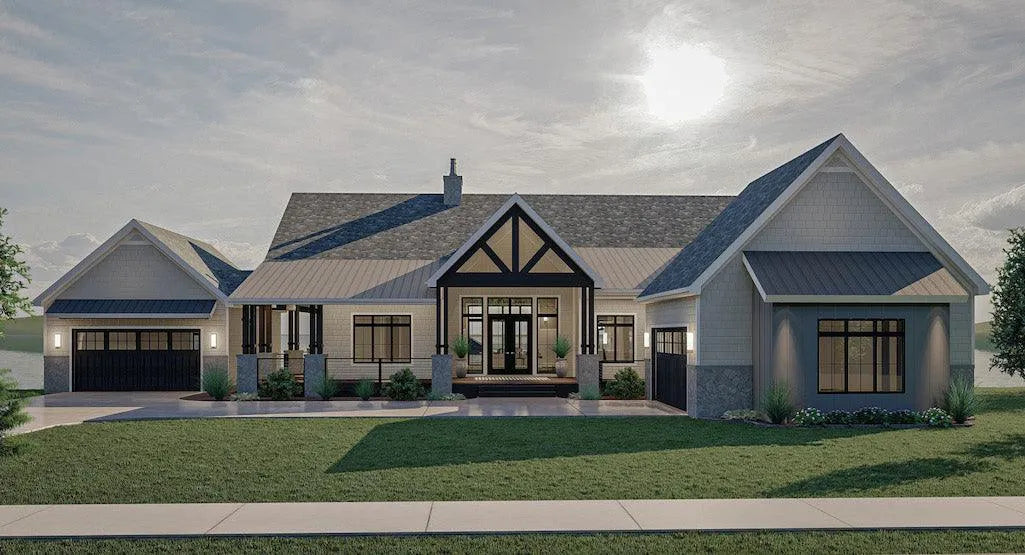
Let's be honest – homes built from L-shaped floor plans just look more interesting than basic rectangles. The varied forms create shadows and depth as the sun moves across the sky. Designers often play this up by varying roof heights between wings or using complementary materials to highlight the home's unique shape.
You end up with a stunning presence that draws the eye without looking like you're trying too hard. There's a certain authenticity to an L-shaped home – its form feels purposeful rather than just decorative.
While l-shaped home plans can certainly go high-end, their inherent efficiency makes them smart choices across most budgets.
The natural division of spaces often means fewer interior walls and less wasted circulation space, which can lower building costs. Their climate-friendly benefits might reduce your energy bills too. This is particularly true of sizable 4 bedroom house plans or larger.
Many people find that the "L" layout lets them splurge on the features that really matter by eliminating the wasted space found in less thoughtful designs. From modest starter homes to luxury estates, the "L" shape delivers more bang for your buck.
20 house plans
Free
Direct