








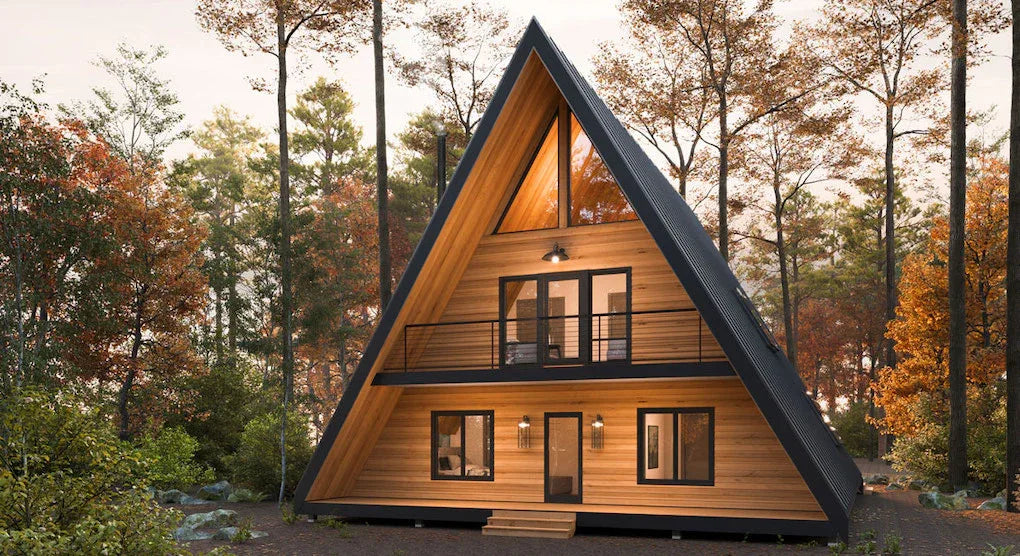

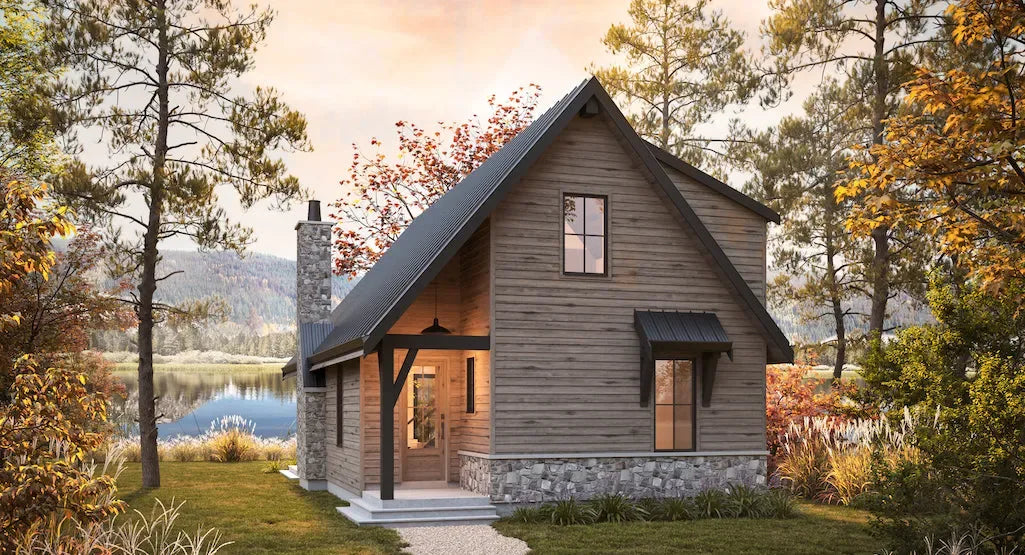











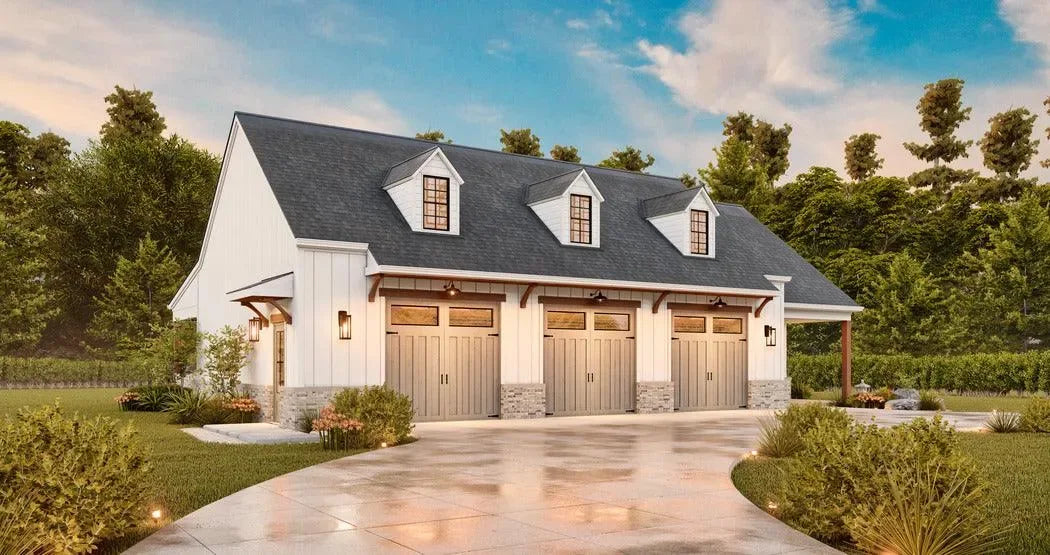




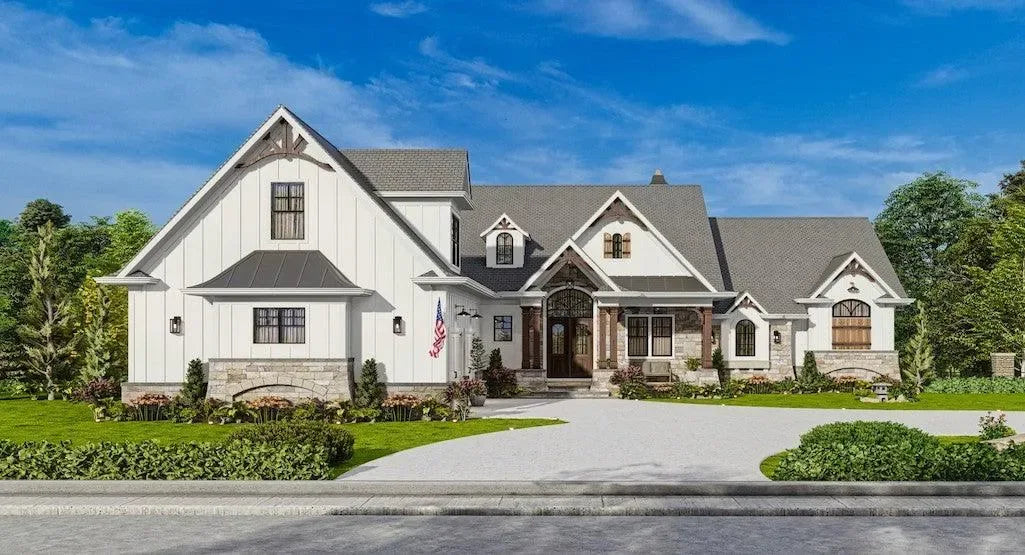


Luxury log cabins are growing in popularity, from rustic treehouse suites to stylish permanent residences. Log homes combine comfort, craftsmanship, and timeless style, with designs accommodating families of all sizes for short and long-term living.
Keep reading for a complete guide on how to design a luxury log cabin home that fits your lifestyle.
Understanding Luxury Log Homes: Craftsmanship & Lifestyle
A luxury log cabin is a high-end, often custom-built property that offers rustic features blended with modern amenities. By design, it's intended to offer residents a luxury lifestyle rooted in nature.
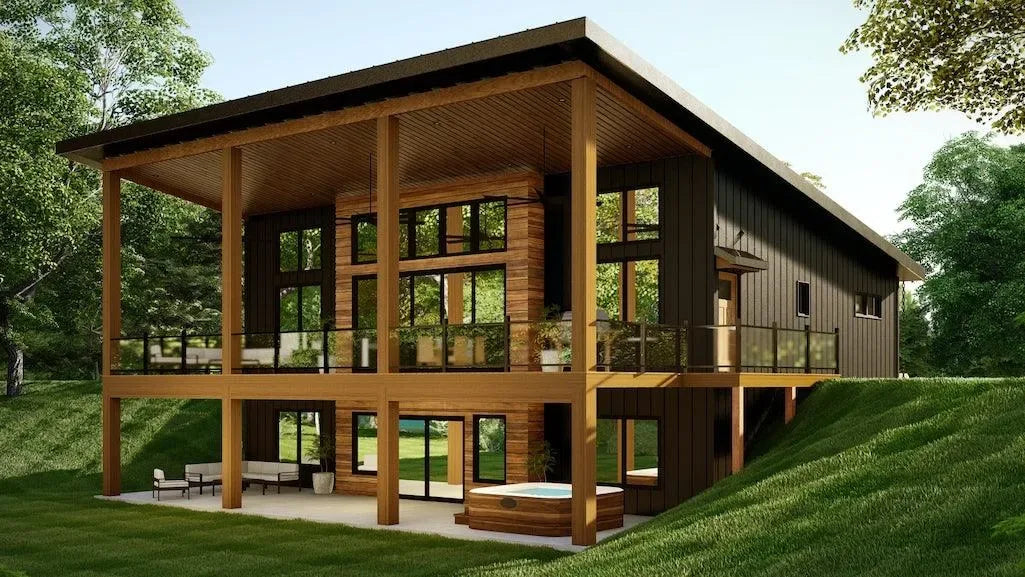
With a large square footage, luxury log homes can span across several floors and feature add-ons like wraparound porches, floor-to-ceiling windows, and grand, open-plan living spaces.
While the beauty of a log cabin is its customization, luxury log home designs are constructed of sturdy materials and carefully-selected handcrafted logs.
Log homes work perfectly for full-time residences, vacation homes, and holiday rental properties.
Choosing the Right Location for a Luxury Log Cabin
Where you choose to build a luxury log home is one of the most important decisions. Its placement should influence its design and the style of log cabin you choose - not just for practical reasons (like ensuring it's strong enough), but for choosing a style that's enhanced by the location.
When considering the best location for log cabin homes, consider:
-
Natural landscapes: The beauty of a log cabin is enhanced by its surroundings, which is why these homes work best in forests, mountains, and lakesides.
-
Climate and weather: Wood reacts with the environment, so you'll need to be mindful of how rainfall, snow, high winds, and extreme heat impact the style you choose.
-
Accessibility, utilities, and long-term livability: Consider the access routes to the lot, the availability of utility connections, and how feasible it is to live on the property year-round.
Selecting the Best Log Species and Materials
 Structurally, a modern log cabin is constructed with strong materials (like metal and stone) for protection and longevity. Externally and to enhance aesthetics, the facade includes a range of hand-treated logs made from a selection of hardwoods and softwoods.
Choosing the Right Log Species
Top log species for custom log cabins include cedar, pine, and cypress.
| Wood Species | Best Climate | Durability | Maintenance | Aesthetic |
| Cedar | Humid / Coastal | Very High | Low | Warm & Upscale |
| Pine | Dry / Moderate | High | Moderate | Rustic & Traditional |
| Cypress | Wet / Lakeside | Very High | Low | Elegant & Smooth |
Cedar: Cedar is durable and creates a warm, upscale look. It's one of the most durable softwoods for log homes and withstands wet, humid, and coastal climates well. It also performs well in cold, harsh temperatures.
Typically, cedar is more expensive compared to pine, and it offers relatively low maintenance, with staining/sealing only needed every few years.
Pine: Pine offers a traditionally rustic look for a cabin home, with a lighter color and visible knotholes. It's strong and structurally reliable, but it requires routine sealing, staining, and inspection to prevent moisture damage or insect concerns.
Cost-wise, pine logs are the most affordable option, making them ideal for budget-conscious builds. The aesthetic and material resilience make pine particularly well-suited to dry or moderate climates, like the natural landscapes found in California, Arizona, and Utah.
Cypress: Cypress is a highly durable type of wood for cabin homes. It's naturally resistant to rot and insect damage, making it a very low-maintenance option for luxury log homes.
Highly versatile, cypress can be used in hot temperatures, coastal climates, and humid or swampy conditions, making it ideal for lakesides and riverbanks. Visually, its smooth grain and light brown tones give a clean, refined, and elegant appearance.
Complementary Luxury Materials
Structurally, you'll want to choose top materials to complement the softwoods and hardwoods in the construction of a luxury log home.
Focus on value-adding, long-lasting materials, such as:
-
Stone accents: Consider where you can incorporate natural stone to increase durability, enhance visual impact, and add a high-end appearance. E.g., use stone for fireplaces, foundations, columns, or exterior accents.
-
Metal roofing and structural accents: For strength, long-term durability, and weather resistance, combined with a refined rustic appearance, use standing seam metal roofing, exposed steel brackets, or metal beams.
-
Sustainable and long-lasting material choices: To reduce upkeep, increase resale value, and minimize environmental disruption, explore responsibly sourced wood, energy-efficient windows, and low-maintenance finishes.
Luxury Log Cabin Floor Plans and Layout Design
Luxury log cabin floor plans are entirely customizable to create a sophisticated and relaxing retreat tailored to your lifestyle. Keep in mind the following when planning the size, bedroom design, and overall layout of your custom log home.
Planning the Right Size and Bedroom Design
Square footage plays a pivotal role in the design of a luxury log cabin. The number of bedrooms and bathrooms should reflect how the space will be used, whether it's for a holiday home, long-term residence, or entertainment venue.
When designing bedroom layouts, consider the lifestyles of the residents and how to combine comfort with functionality. For example, split bedrooms offer privacy and soundproofing in homes with children, while multi-generational families may prefer private suites with separate sitting areas.
Open Plan vs Segmented Spaces
When choosing between open-floor plans vs segmented spaces, consider the impact on privacy, convenience, long-term value, and aesthetics.
Luxury log cabin designs often adopt open-plan living areas to maximize entertainment facilities and highlight aesthetics, which is ideal for social or vacation uses of a luxury log cabin.
Segmented spaces, on the other hand, are better for privacy, noise control, and bringing coziness to the home - ideal for multi-generational living or full-time homes with remote workers.
Custom Log Cabin Design Process
 There are several options available when building a custom log cabin design. You can work with designers, architects, and house plan providers (like Archival Designs) to develop a bespoke floor plan.
Working with a house plan provider has its benefits, as you can access ready-to-build plans that are immediately available to submit to your builders. You can also work with a team of experts to customize your plans to include any extras or adjustments you need.
Customizations of our house plans include the addition of things like:
-
Garages: Including additional parking lots, workshops, and utilities.
-
Lofts: With added amenities, such as a bonus room, shower room, skylights, and storage.
-
Expanded kitchens: Square footage and interior design can be adjusted however you need, with specialists ensuring the placement remains structurally and aesthetically fit for purpose.
-
Outdoor living areas: Like the addition of outdoor kitchens, dining areas, patios, and decks.
At Archival Designs, explore our huge range of log cabin house plans. Our plans are available immediately, and our team is on hand to help with any customization and modifications you need. Our plans have a high builder acceptance rate, helping your project run smoothly from the very start.
Key Luxury Log Cabin Features That Elevate Comfort
Luxury log cabins are defined by features and amenities that elevate standards and offer a convenient, indulgent lifestyle.
Inside, you can customize a log cabin house plan with a range of interior luxury features - from walk-in mudrooms to hidden storage spaces.
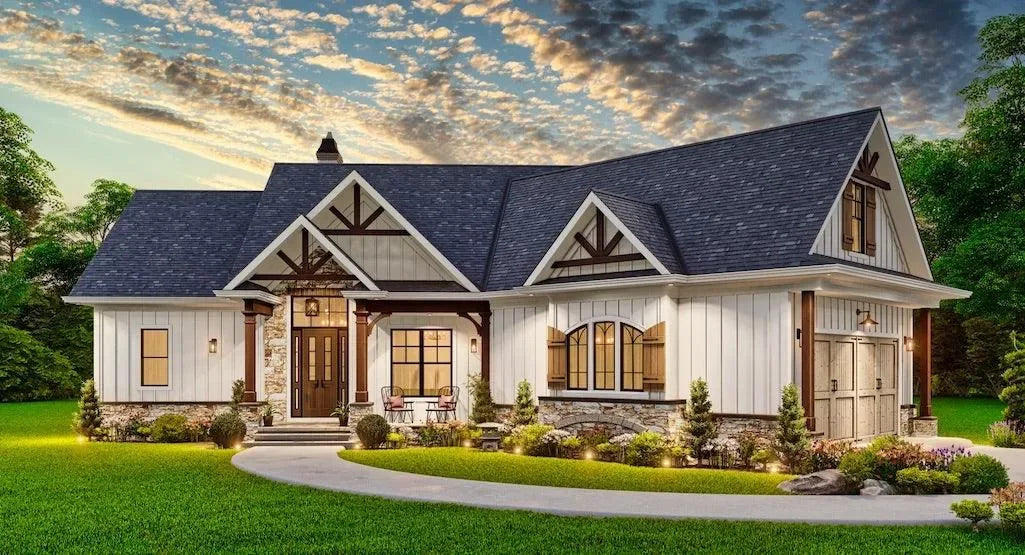
On the outside, impressive features range from exposed timber framing and expansive decks to single-storey or multi-level layouts that maximize landscape views.
Interior Luxury Features
Interior upscale log cabin features can include:
-
High-end kitchens: Luxury log cabins are set apart by areas like the kitchen, which can include the custom design of butler's pantries, cellars, eating bars, breakfast areas, and spacious kitchen islands.
-
Spa-style bathrooms: Featuring whirlpool tubs, luxury showers, marble countertops, layered lighting, built-in benches, heated floors, and space for integrated amenities, like sound systems, towel warmers, and skylights.
-
Custom cabinetry and built-ins: Enhance functionality and style by utilizing high-quality woods to match the cabin's rustic features and exploring built-in mudrooms, linen closets, and hidden compartments.
-
Fireplaces and entertainment spaces: For families or vacation cabins, consider where people can come together. Outdoor decks, open-plan great rooms, central fireplaces, and large dining spaces create room for socializing and unwinding.
Architectural Features
Architectural features can include elements such as:
-
Expansive windows: Large, floor-to-ceiling windows bring the natural beauty outdoors, indoors. Bigger windows enhance the interior aesthetic and boost natural light.
-
High ceilings: High, vaulted ceilings are a popular architectural statement found in cabin homes. They create an illusion of space, luxury, and airiness - perfect for fresh air environments.
-
Natural light optimization: From skylights and gable windows, to picture windows and frameless glass doors, cabin homes feature a range of light optimizations to create a bright, sun-filled space.
Outdoor Living Spaces and Landscape Design
Choose a luxury log cabin design that connects with nature in a way that speaks to you and the surrounding landscapes. Top choice additions include:
-
Decks, porches, terraces: Blend indoor and outdoor living seamlessly with covered decks, wrap-around porches, and upper-level terraces.
-
Outdoor kitchens and dining areas: In warmer climates and vacation log cabins, outdoor kitchens and dining spaces make best use of the outdoors and increase living space.
-
Seamless indoor-outdoor flow: Floor-to-ceiling windows, bi-folding doors, and decks leading from the master bedroom and great room enhance natural light and blur boundaries between indoors and out.
-
Landscaping with native plants: Exteriors matter just as much as interiors. Explore using native plans and landscaping tactics for outdoor areas to nestle log cabins even deeper into the forest, lakeside, or mountain.
-
Water features and natural integration: For lake and river log homes, use the landscape to your advantage. Consider the addition of waterside terraces, private piers, boating docks, or fire pit patio areas.
Sustainability and Energy Efficiency in Log Homes
 Custom log cabins can be built to blend into the natural surroundings in more ways than just the aesthetics. Incorporating sustainable elements and modern architecture can maximize efficiency, enhance appearance, and create a healthy, sustainable living environment for your luxury home.
Consider the following for your custom log cabin design:
-
Energy efficiency of log construction: Wooden logs naturally regulate temperatures inside the home. Heat is retained during the day and slowly released at night.
-
Natural insulation properties: Tight sealing of logs combined with modern insulation techniques ensures that warmth stays inside and prevents cool air from seeping in.
-
Eco-friendly building options: Sustainable features can further reduce environmental impact, such as solar power infrastructure, rainwater harvesting systems, and water-saving fixtures.
Construction Quality and Long-Term Value
A quality build heavily influences future resale potential and long-term appreciation. Investing in a quality house plan, premium materials, and superior craftsmanship minimizes maintenance costs, reduces the risks of delays, and extends the lifespan of a luxury log home.
The building methods for luxury log cabins often involve a combination of milling, cutting, hand-peeling, fastening, and notching. When preparing to build your custom log cabin, prioritize experienced builders, detailed construction plans, and rigorous inspections to ensure high standards are met throughout.
Log Cabin Maintenance and Long-Term Care
Due to their natural appearance and sustainable infrastructure, log cabin homes require essential routine maintenance. Tasks such as annual cleaning, applying mould repellent, checking for insect damage, resealing, and applying preservative stains to the logs are common maintenance needs.
With good care, logs stay protected from weather and moisture, and the natural energy-efficiency of the logs is maintained - along with strong resale value. Consider the maintenance needs when designing your cabin, and the benefits of DIY vs employing professional maintenance services.
Evaluating Builders, Showrooms, and Reviews
When evaluating builders, visiting model homes and showrooms offers a firsthand look at craftsmanship, materials, and design quality that photos can’t fully capture.
While virtual tours are convenient and helpful for narrowing down options, in-person visits provide a deeper sense of space, finishes, and overall attention to detail.
Reading customer reviews and testimonials further reveals how builders perform beyond the showroom, highlighting real experiences that reflect reliability, communication, and long-term quality.
Conclusion: Designing a Luxury Log Cabin That Lasts
Designing a luxury log cabin requires thoughtful attention to every detail, from material selection and floor plan layout to energy efficiency and long-term durability. By balancing natural beauty with comfort and functionality, homeowners can create a space that feels both timeless and practical.
Whether building a private retreat or a full-time residence, investing in a well-designed plan is essential. Explore luxury log cabin floor plans that allow for customization, adaptability, and enduring appeal - so your home remains a lasting legacy of comfort, elegance, and strength.


