


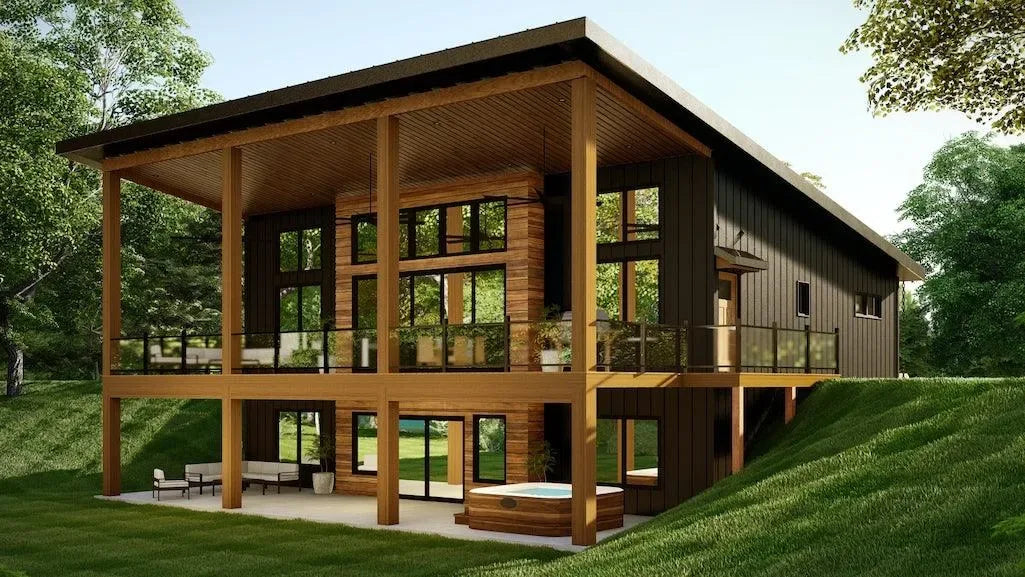






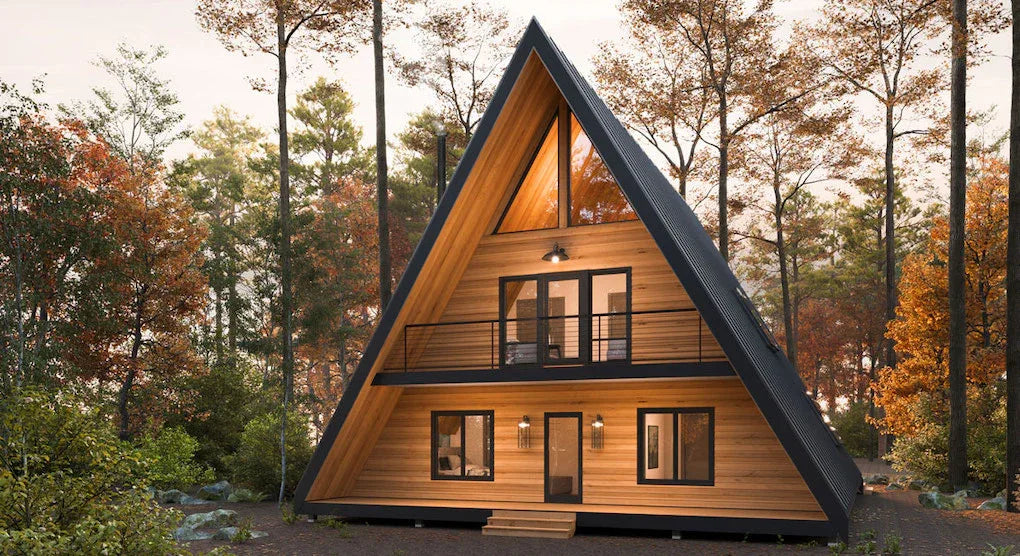

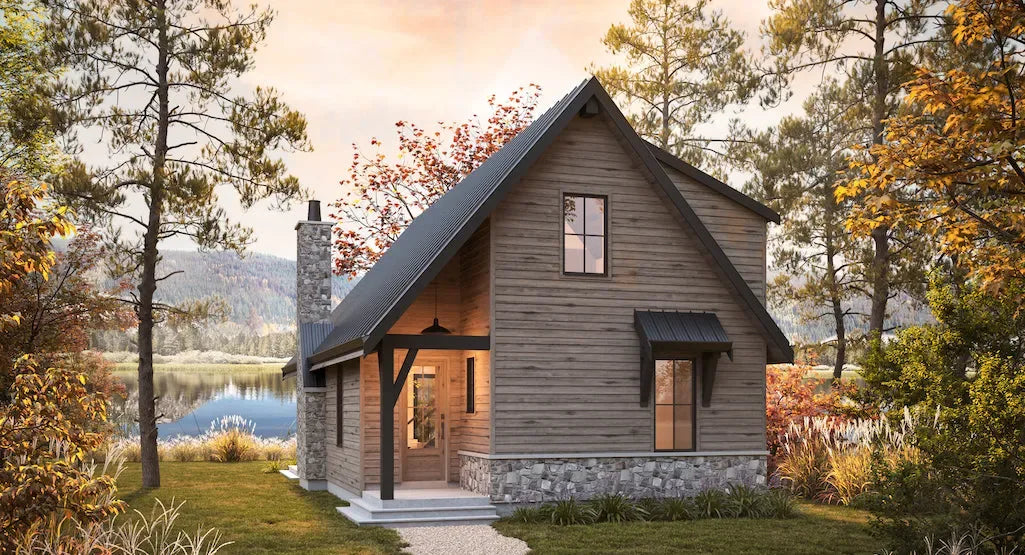





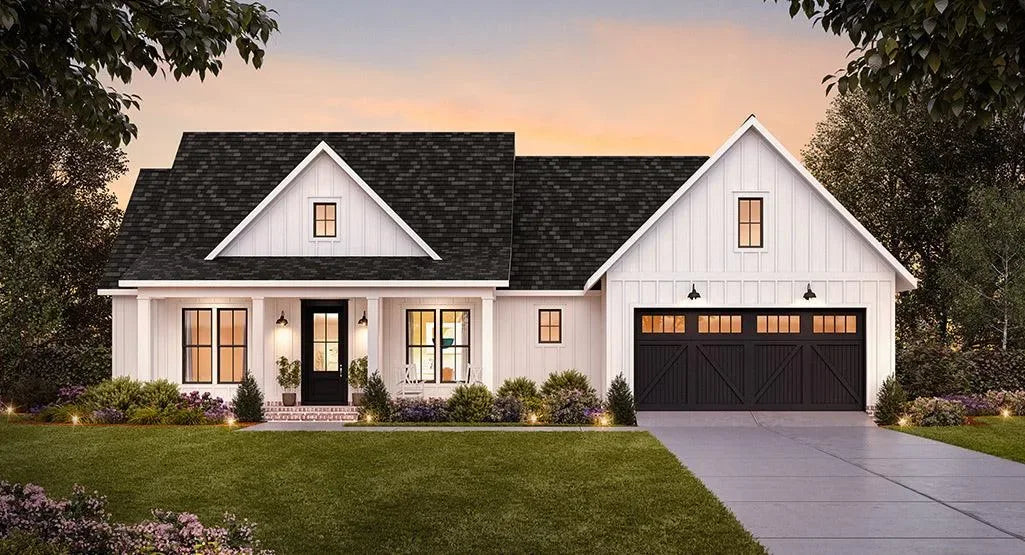

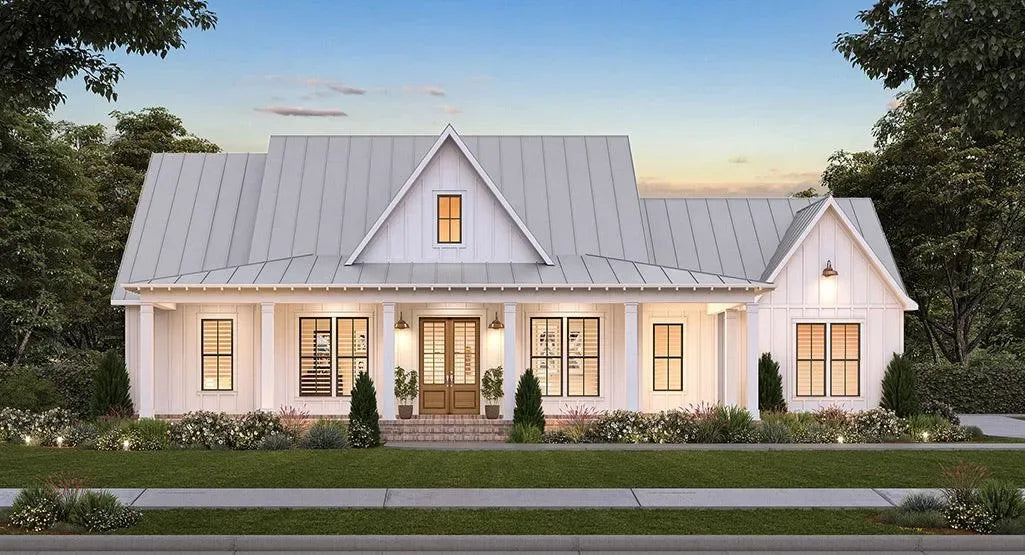


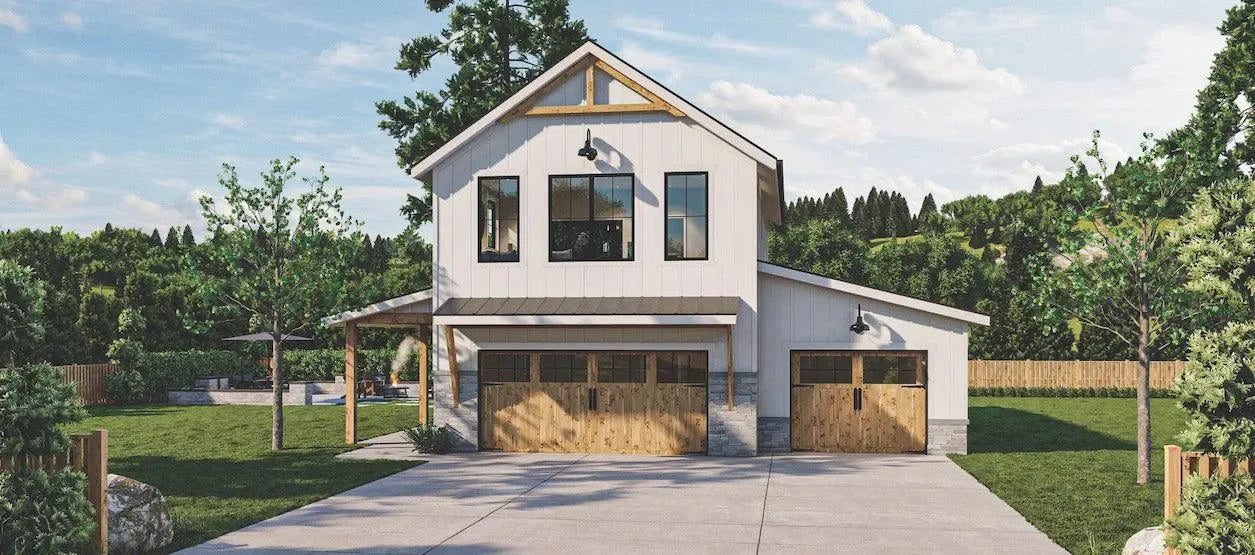

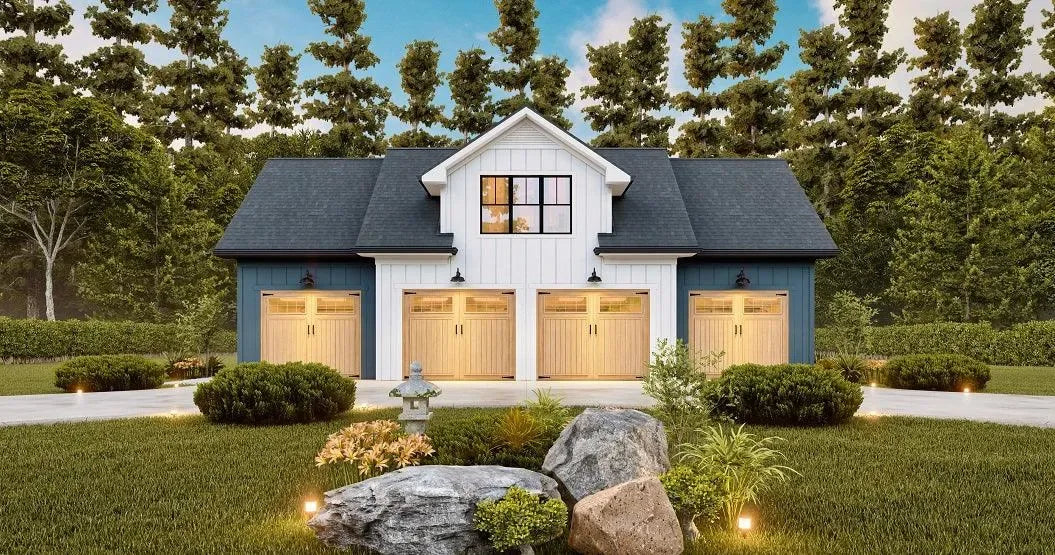


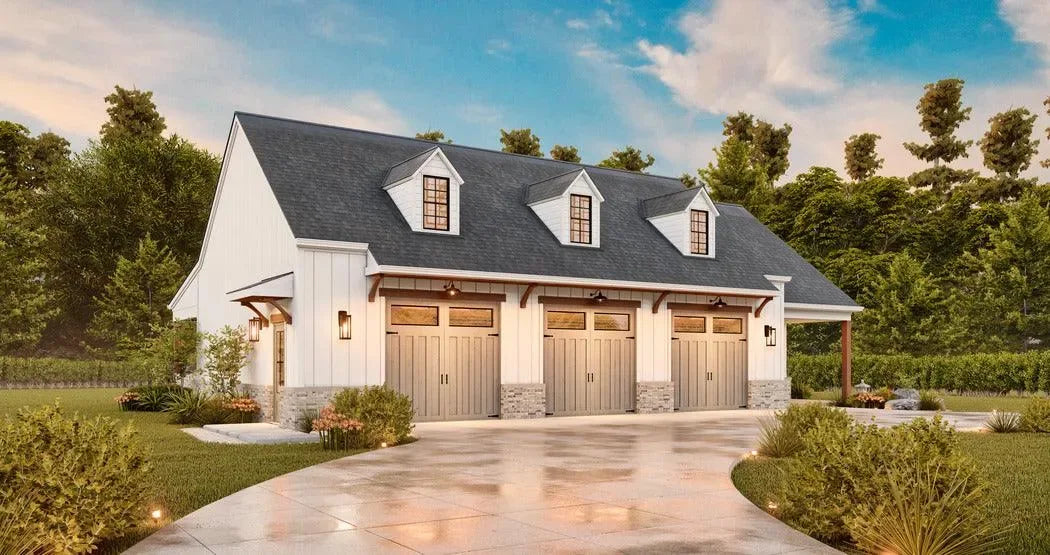





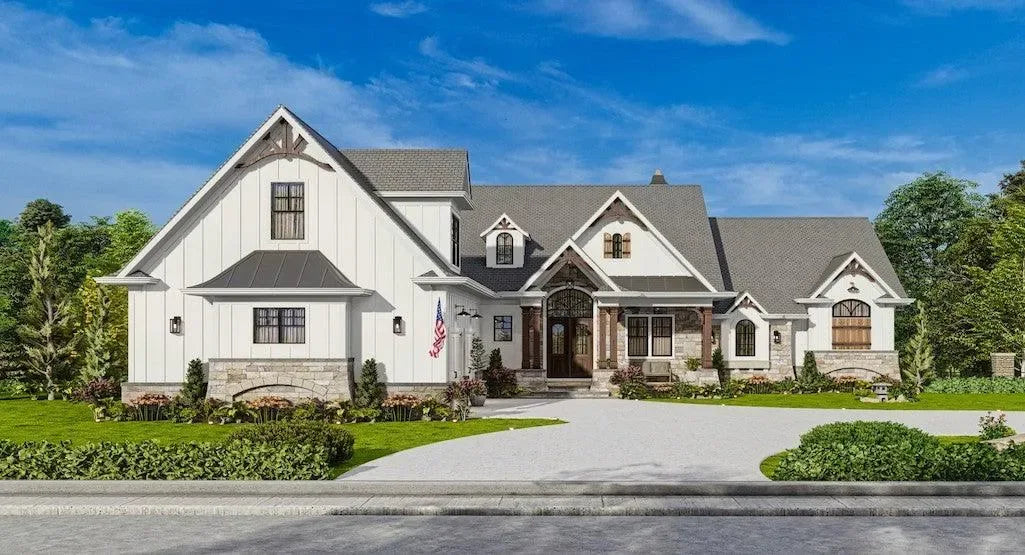


Natural light is the most transformative element in home design. It doesn't just illuminate a room; it shifts the entire mood, improves occupant well-being, and reduces energy consumption. Whether you are building from scratch or renovating, designing for light is about more than just adding windows—it is about the intentional manipulation of space, orientation, and reflection.
Why Prioritize Natural Light?
-
Circadian Rhythm Support: Natural light exposure during the day helps regulate your sleep-wake cycle, boosting daytime productivity and nighttime rest.
-
Cost-Efficiency: Strategic daylighting reduces the need for artificial lighting during peak hours, lowering your utility footprint. You can learn more about how to optimize your home for energy efficiency in our dedicated guide.
-
Spatial Perception: Bright, light-filled rooms feel significantly larger and more luxurious than dimly lit spaces of the same square footage.
Orientation and Structural Planning

Before you choose a single light fixture, the building's geometry must be aligned with the path of the sun. This phase focuses on the fundamental "bone structure" of your design.
1. Analyze Your Lot and Sun Path
Every lot has a different "sun signature." In the Northern Hemisphere, south-facing windows offer the most consistent, warm light throughout the day, while north-facing windows provide soft, constant, glare-free illumination—ideal for home offices or art studios. East-facing windows capture invigorating morning light, while west-facing windows bring in warm, dramatic sunset hues.
-
Pro Tip: Use a sun-path diagram during the design phase to see exactly where shadows will fall throughout the four seasons.
2. The "Double-Exposure" Principle
One of the most effective ways to ensure a room feels naturally lit is to incorporate "double-exposure"—providing windows on at least two adjacent walls. This prevents the "tunnel effect" where light is restricted to a single side of the room, allowing sunlight to penetrate deeper into the floor plan. This is a common feature you can look for when browsing our collection of house plans with open floor layouts.
3. High Ceilings and Transoms
Verticality is your friend. Taller ceilings allow for taller windows, which cast light further into the center of a room. Transom windows—small windows placed above doors or larger windows—are an architect’s secret weapon, allowing light to travel through internal corridors that would otherwise be blocked by interior walls.
4. The Role of Glazing and Thermal Control
Not all windows are created equal. High-performance, low-E glazing is essential. It allows visible light to enter the home while reflecting heat (infrared light) outward. This means you can have floor-to-ceiling glass without turning your home into a greenhouse during the summer months.
Interior Finishes, Layouts, and Final Adjustments
Once you have established the window placements and orientation, the way you finish the interior becomes the "amplifier" for that light.
5. Reflective Surfaces and Light-Colored Palettes
Light behaves like a ball in a pinball machine—it bounces off surfaces. To maximize natural light:
-
The "Light-Reflectance Value" (LRV): Choose paints with a high LRV. Whites, creams, and light grays are obvious choices, but their sheen matters too. A satin or semi-gloss finish on trim will bounce more light than a flat, matte finish.
-
Strategic Mirror Placement: Placing a large mirror on a wall perpendicular to a window is an old architect’s trick to "double" the amount of light entering the room.
6. Open-Concept and Glass Dividers
Internal walls are the biggest enemies of natural light. If you are designing for light, consider:
-
Floor-to-Ceiling Interior Glass: If you need to separate a home office from the living area, use a glass-paneled wall or French doors instead of drywall. This maintains acoustic privacy while allowing light to flow through the entire depth of the building.
-
Open Railings: If you have a two-story home, opt for glass or open-spindle railings for your staircase rather than solid walls. See how this design choice can elevate your interior by exploring our luxury house plans.

7. Light Shelves and Clerestory Windows
If you have high ceilings, consider adding a light shelf. A light shelf is a horizontal surface (usually placed mid-way up a south-facing window) that reflects sunlight up onto the ceiling. The ceiling then acts as a giant diffuser, spreading soft light deep into the room without creating harsh glare.
8. Final Touches: Window Treatments
The best-designed daylighting can be ruined by heavy, light-blocking curtains.
-
Top-Down/Bottom-Up Shades: These allow you to cover the bottom half of a window for privacy while leaving the top open to capture the sky.
-
Sheer Fabrics: Layering sheer curtains allows you to maintain privacy while still diffusing and softening the incoming natural light.
Conclusion: Designing for Wellness
Designing with natural light in mind is an investment in the long-term livability of your home. By combining smart structural orientation with thoughtful interior finishes, you create a home that feels alive—changing with the seasons and the time of day.
Are you ready to incorporate these light-maximizing strategies into your project?
If you are currently reviewing floor plans, remember to look for clear lines of sight from front to back. We recommend reviewing our guide on how to read a house plan blueprint to spot where you can request modifications to add more windows or glass dividers for your specific build. If you have questions about specific site orientations, our team is here to assist with your house plan customization needs.


