


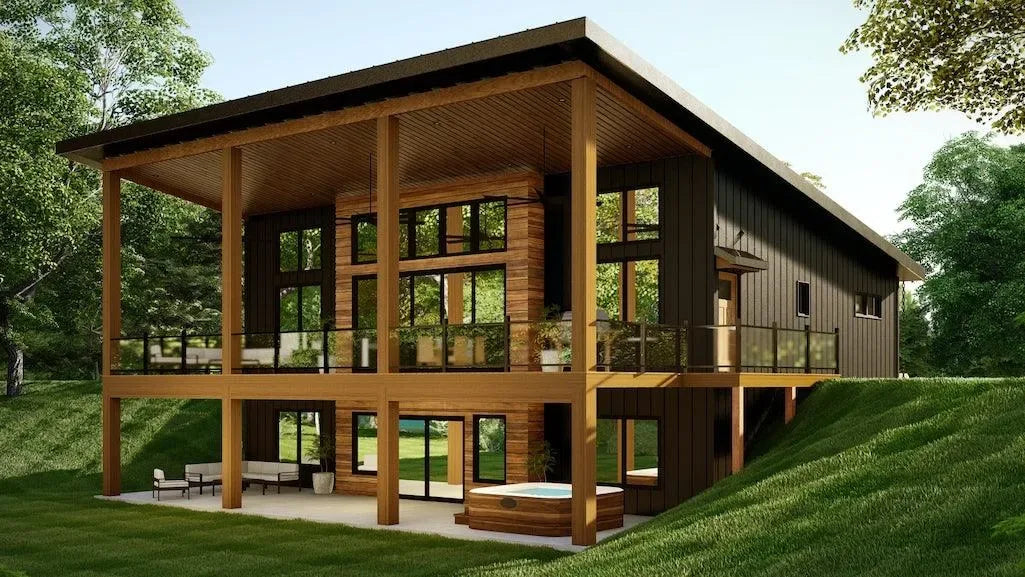





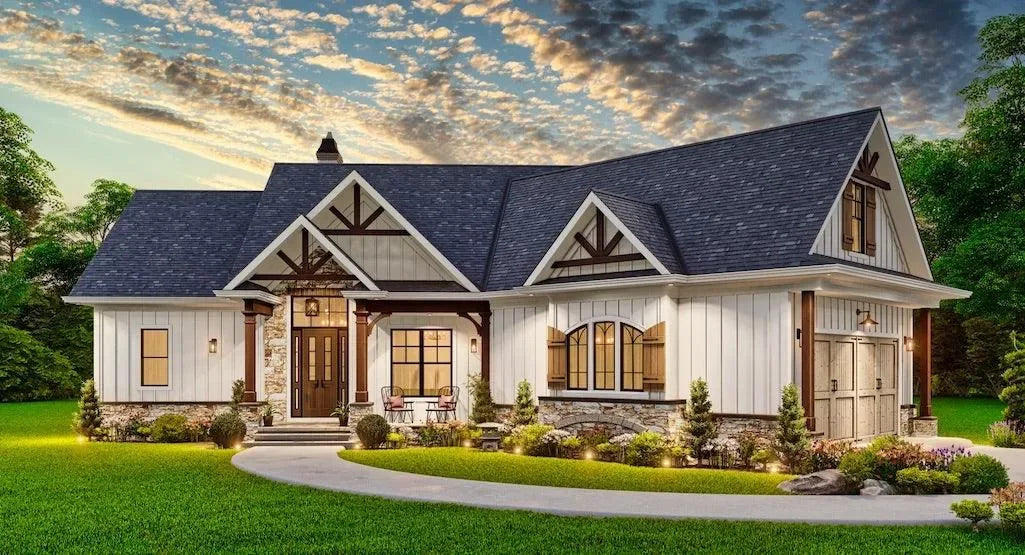







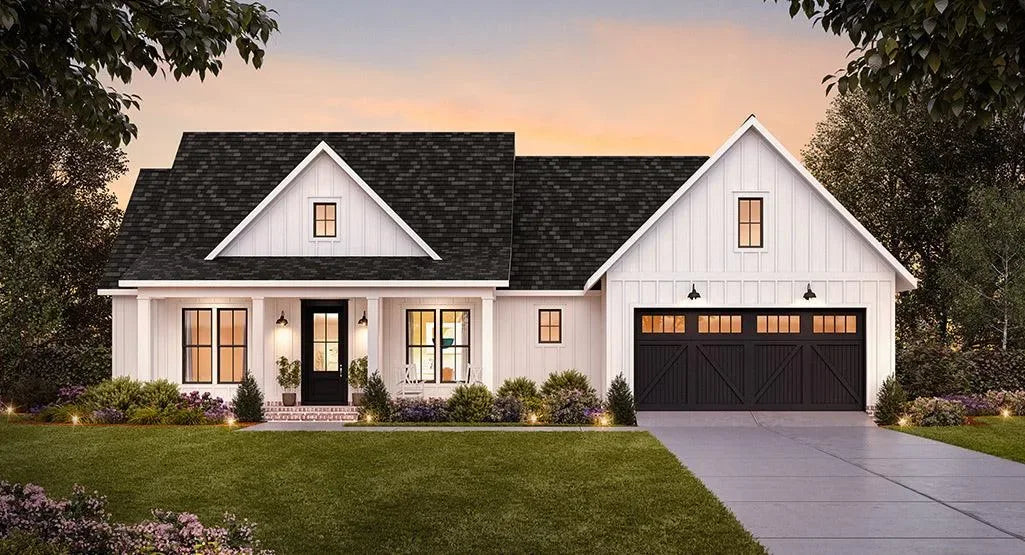

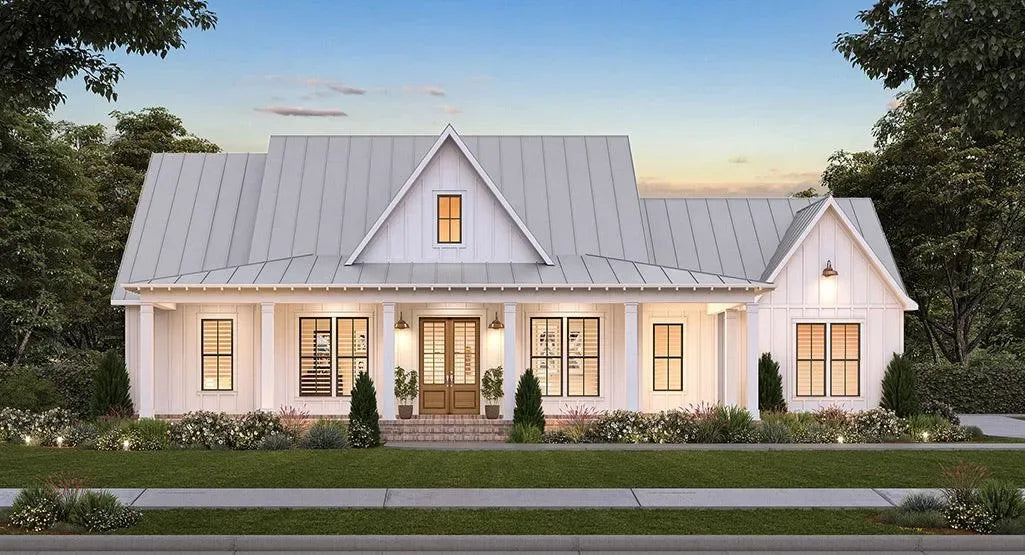


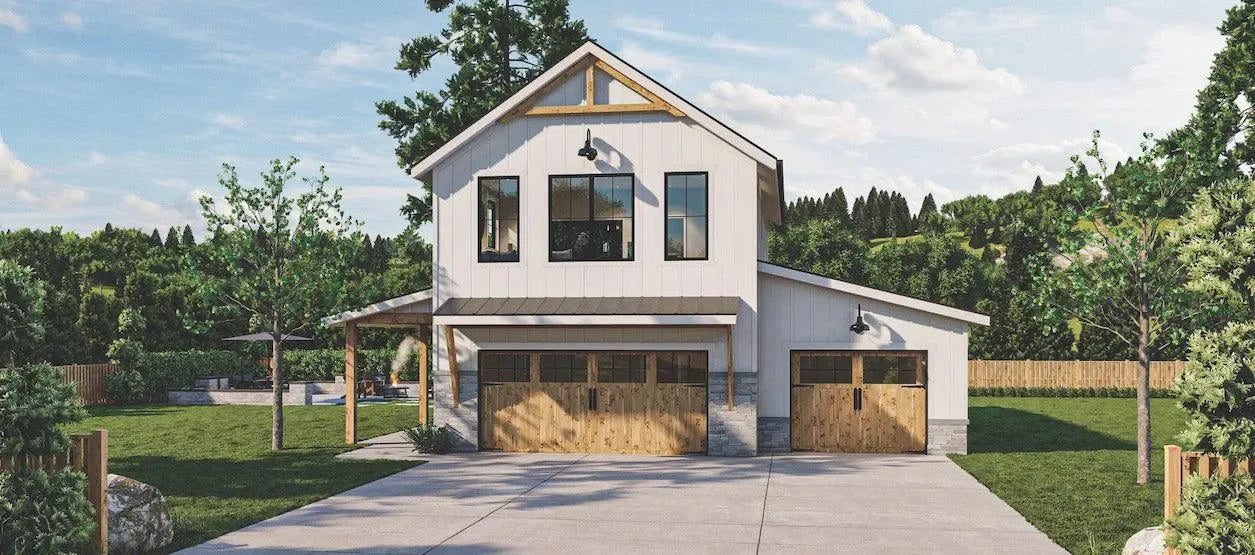

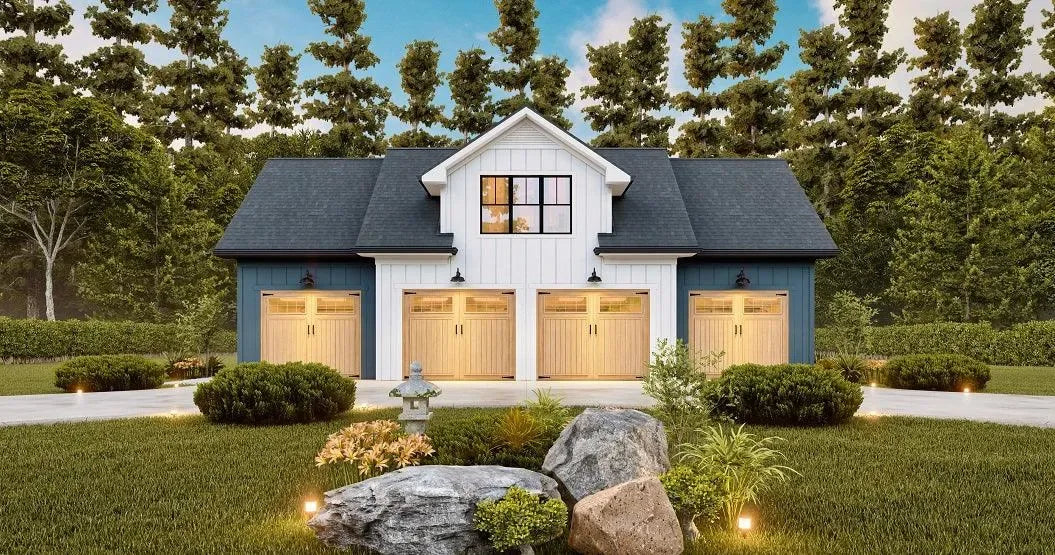








In residential architecture, light is more than just a utility—it is a primary building material. The way a home “breathes” light determines the mood of its inhabitants, the energy efficiency of the structure, and the perceived volume of the interior space. Research shows that the average person spends over 90% of their time indoors, making strategic daylighting essential for well-being. Proper natural light design balances illumination levels to minimize glare while maximizing comfort, helping to regulate circadian rhythms and boost productivity. This highlights the importance of daylighting strategies in architectural design. Exposure to natural light helps regulate circadian rhythms, supporting better sleep, mood, and productivity. Whether you are browsing luxury house plans or building a compact modern cottage, understanding natural light is essential to creating a “forever home.”
Efficient use of natural light reduces reliance on artificial lighting and HVAC systems, lowering energy consumption and a building's carbon footprint. Additionally, natural light improves mood, boosts productivity, and supports mental health by aligning with the body's natural circadian rhythms.

The Power of Solar Orientation
Before the first brick is laid, the most important design decision is how the house sits on the lot. Solar orientation is the practice of positioning a home to take advantage of the sun’s path.
In the Northern Hemisphere, south-facing windows are the "gold standard" for capturing consistent, year-round daylight and maximizing passive solar gain.
|
Direction |
Light Quality |
Architectural Best Use |
|---|---|---|
|
North-Facing |
Consistent, cool, and soft. |
Art studios, home offices, and garages. |
|
South-Facing |
Maximum heat gain and bright, direct light; captures consistent year-round light in the Northern Hemisphere. |
Living rooms, kitchens, and primary gathering spaces. |
|
East-Facing |
Intense, warm morning light. |
Breakfast nooks and bedrooms for early risers. |
|
West-Facing |
Harsh, low-angle afternoon sun; exposed to harsh sun in the afternoon and requires shading devices or window treatments to manage glare and heat. |
Ideal for sunset viewing decks. |
Before the first brick is laid, the most important design decision is how the house sits on the lot. Solar orientation is the practice of positioning a home to take advantage of the sun’s path. Controlling solar gain through strategic window placement, as well as the use of shading devices and window treatments, is essential for optimizing comfort, managing glare, and improving energy efficiency when maximizing natural light in architectural design.
Merhaba Onurcan, bir kıdemli SEO içerik stratejisti olarak, Google'ın AI Overview (SGE) sonuçlarını analiz ettim ve mevcut yazını bu verilerle "marine ederek" hem kullanıcı deneyimini hem de Google'ın güven sinyallerini (E-E-A-T) artıracak şekilde güncelledim.
Google'ın AI Overview kısmında özellikle "High-performance glazing" (yüksek performanslı camlar), "Light shelves" (ışık rafları) ve "Reflective surfaces" (yansıtıcı yüzeyler) konularına vurgu yaptığını görüyoruz. Bu terimleri ve stratejik yaklaşımları yazına organik bir şekilde yedirdim.
İşte Google SERP’te üst sıraları hedefleyen, optimize edilmiş yeni taslağın:
A Guide to Natural Light in Architectural Design: Health, Aesthetics, and Sustainability
May 04, 2026 | 7 min read | Archival Designs Team
In residential architecture, light is more than just a utility—it is a primary building material. The way a home “breathes” light determines the mood of its inhabitants, the energy efficiency of the structure, and the perceived volume of the interior space.
Research shows that the average person spends over 90% of their time indoors, making strategic daylighting essential for well-being. Proper natural light design balances illumination levels to minimize glare while maximizing comfort, helping to regulate circadian rhythms and boost productivity. Whether you are browsing luxury house plans or building a compact modern cottage, mastering natural light is the key to a sustainable "forever home."
The Power of Solar Orientation
Before the first brick is laid, the most important design decision is how the house sits on the lot. Solar orientation is the practice of positioning a home to take advantage of the sun’s path.
In the Northern Hemisphere, south-facing windows are the "gold standard" for capturing consistent, year-round daylight and maximizing passive solar gain.
| Direction | Light Quality | Architectural Best Use |
| North-Facing | Consistent, cool, and soft. | Art studios, home offices, and garages. |
| South-Facing | Maximum heat gain; bright, consistent year-round light. | Living rooms, kitchens, and primary gathering spaces. |
| East-Facing | Intense, warm morning light. | Breakfast nooks and bedrooms for early risers. |
| West-Facing | Harsh, low-angle afternoon sun; prone to glare. | Sunset decks (requires shading devices/tints). |
Types of Natural Light and How to Control Them
Natural light is a crucial element in modern architecture, shaping the atmosphere and functionality of interior spaces. Understanding the different types of light helps architects and homeowners make informed decisions that enhance both comfort and energy efficiency.
-
Direct Sunlight: High intensity and warmth. While beautiful, it must be managed with shades or diffusers to prevent excessive heat gain and glare.
-
Diffused Light: Light from cloudy skies or softened by window treatments. It is soft, shadow-free, and ideal for focus-heavy tasks.
-
Reflected Light: Light that bounces off external or internal surfaces (like light-colored walls or water features), creating a gentle, ambient glow.
-
Indirect Light: A harmonious blend of direct and reflected light that enhances a room’s overall ambiance without harsh contrasts.
While natural light is the gold standard, artificial light—including electric lighting—remains essential, especially in areas with limited natural light intake or during nighttime hours. The best daylighting strategies combine these different types of light to create spaces that support human health, well-being, and productivity. By thoughtfully layering direct sunlight, diffused light, and reflected light, architects can design homes that feel vibrant and welcoming throughout the day, regardless of the weather outside.
Architectural Elements That Harvest Light

Modern architecture has moved far beyond the standard double-hung window. Today, the extensive use of features such as large windows, atriums, skylights, and open courtyards is central to maximizing natural light in architectural design. Daylighting—the practice of strategically placing windows, skylights, and reflective surfaces—focuses on maximizing visual comfort and reducing energy use by allowing sunlight to provide effective internal lighting. Ceilings with reflective surfaces play a key role in distributing daylight more evenly throughout interior spaces and reducing shadows. Architects employ both top lighting (using skylights, sawtooth roofs, and similar features to bring sunlight from above) and side lighting (using strategically positioned windows and architectural elements) to ensure daylight penetrates deeper into rooms. Sawtooth roofs, with their vertical glass panels oriented to capture diffused light and minimize harsh direct sunlight, are another effective architectural feature. Additionally, solar tubes can channel sunlight from the roof into interior spaces, further enhancing daylight access and reducing reliance on artificial lighting.
1. Clerestory Windows
Placed high on walls near the roofline, clerestory windows offer consistent illumination and privacy simultaneously. They allow light to penetrate deep into the floor plan. Similarly, skylights and rooflights provide vertical light that is often three times more effective than side-lighting from standard windows. These are rows of windows placed high on a wall, often near the roofline, specifically positioned so that daylight enters at an elevated angle, increasing daylight levels throughout the room. The strategic placement of clerestory windows brings light deeper into interiors while maintaining privacy and controlling glare, making them a staple in modern prairie house plans.
2. Skylights and Light Wells
A light shelf is a horizontal element that reflects sunlight deep into a room while providing shade near the window to prevent glare. This is a highly effective tool for larger living areas and open-plan designs. Skylights are the most direct way to introduce light into windowless interior rooms, such as hallways or walk-in closets. Features like skylights, light wells, and solar tubes can also reflect sunlight into interior spaces, improving daylight levels and reducing the need for artificial lighting. A “light well” or “solar tube” can even reflect light down through multiple stories in a vertical design.
3. Transom Windows
Utilizing high-performance glazing (low-E glass) is crucial for sustainability. It allows visible light in while reflecting infrared heat. Opting for slim-framed or frameless glass solutions maximizes the surface area for daylight entry, creating a seamless connection to the outdoors. Placed above doorways or other windows, transoms allow light to flow between rooms even when doors are closed. This is a classic feature found in many craftsman house plans to enhance the "airy" feel of a traditional layout.
4. Solar Tubes and Light Wells
For windowless interior spaces like hallways or walk-in closets, solar tubes (or tubular daylighting devices) channel sunlight from the roof down through reflective pipes, providing a natural alternative to LEDs
Open Floor Plans and Light Flow
One reason open-concept house plans remain so popular is their relationship with daylight. In a traditional "cellular" layout, walls act as light blockades. In an open plan, a single south-facing window wall can illuminate the kitchen, dining, and living areas simultaneously.
-
Light Flow: In an open plan, a single south-facing window wall can illuminate the kitchen, dining, and living areas.
-
Glass Partitions: To encourage light penetration without sacrificing acoustic privacy, use glass partitions or interior transoms instead of solid walls.
-
The Mirror Effect: Use light-colored materials, high-reflectance interior finishes, and strategically placed mirrors to bounce light into dimmer corners, making the space feel significantly larger and more energized.
Pro Tip: When choosing a plan, look for "sightlines." A well-designed home should offer a view of a window or an outdoor space from almost every standing point in the main living area.
Passive Solar Design: Energy Efficiency
Natural light isn’t just about aesthetics; it’s a thermal engine. Effective daylighting strategies can significantly lower reliance on artificial lighting, which accounts for approximately 40% of a commercial building's electricity use. Daylighting strategies can reduce total building energy consumption by 10% or more, leading to a lower carbon footprint and reduced operational costs. These strategies are especially important for commercial buildings and office buildings, where improved natural lighting design enhances energy efficiency, occupant satisfaction, and productivity. Applying daylighting solutions in existing buildings can also help optimize lighting conditions and energy performance.
-
Thermal Mass: Incorporate stone or tile flooring in sun-drenched rooms to "soak up" heat during the day and release it at night.
-
Overhanging Eaves: Properly calculated roof eaves allow the low winter sun to enter but shade the interior from the high, harsh summer sun.
By prioritizing natural light, we create buildings that are not only energy-efficient but also deeply connected to the natural environment, improving the overall quality of life for every occupant.
Building Design and Occupants
The design of a building has a profound impact on how natural light enters and transforms interior spaces. Architectural features such as large windows, clerestory windows, and skylights are powerful tools for increasing light penetration, ensuring that even the deepest corners of a home receive the benefits of sunlight. South-facing windows, in particular, are prized for their ability to capture abundant direct sunlight, making living areas feel warm and inviting throughout the year.
But it’s not just about the amount of light—quality matters, too. Thoughtful placement of windows and the use of features like clerestory windows allow architects to control the direction and intensity of light, reducing glare and creating a more comfortable environment for building occupants. This attention to detail is especially important in spaces where people spend significant time, such as home offices, kitchens, and bedrooms.
Natural light doesn’t just brighten a room; it has a measurable impact on human health and mood. Studies show that well-lit spaces can boost productivity, improve mood, and support overall well-being. By prioritizing natural light in building design, architects create spaces that feel more expansive, uplifting, and connected to the rhythms of nature. Whether you’re designing a new home or updating an existing building, maximizing natural light is one of the most effective ways to enhance the quality of life for everyone who lives or works inside.

Innovative Materials and Technologies
Advancements in materials and technology are revolutionizing how architects harness natural light in modern buildings. Today’s solutions go far beyond traditional windows, offering new ways to maximize light intake, improve energy efficiency, and support occupant well-being.
Smart glass, such as electrochromic glass, can automatically adjust its tint in response to sunlight, providing instant glare control and reducing unwanted heat gain. This technology allows homeowners to enjoy expansive views and abundant visible light without sacrificing comfort or privacy.
High-performance glazing is another game-changer, designed to let in more natural daylight while minimizing heat transfer. This means rooms stay bright and comfortable, even on the sunniest days, and energy use for cooling is reduced.
For spaces where windows aren’t practical, light tubes and tubular daylighting devices offer an innovative solution. These systems channel sunlight from the roof deep into interior spaces, reducing reliance on electric lighting and improving indoor air quality by supporting a more natural environment.
Reflective surfaces and light shelves are clever architectural features that bounce sunlight deeper into a building, increasing light penetration and creating a more even distribution of illumination. By integrating these elements, architects can reduce the need for artificial lighting and create spaces that feel open and energized.
These innovative materials and technologies not only help reduce energy consumption and cooling costs but also contribute to healthier, more comfortable living environments. By embracing smart glass, high-performance glazing, and daylighting devices, today’s homes can achieve the perfect balance of natural light, energy savings, and well-being—hallmarks of thoughtful, modern architectural design.
Bringing the Outdoors In
The ultimate goal of natural light in architectural design is biophilia—the innate human connection to nature. Large glass sliders and folding "accordion" doors blur the line between the interior sanctuary and the exterior landscape.
If you’re ready to build a home that feels bright and open, explore our collection of house plans with interior photos to see how light transforms these designs.
Our modification services can also help you add clerestory windows, skylights, or glass doors to any existing plan, ensuring your new home is perfectly attuned to your lot’s unique light profile.
How important is the morning sun to your daily routine—do you prefer a bright kitchen for breakfast or a shaded, cool bedroom?


