Welcome back! We activated a special $50 coupon for you valid for 24 hours
Get

Mountain Cabin House Plans

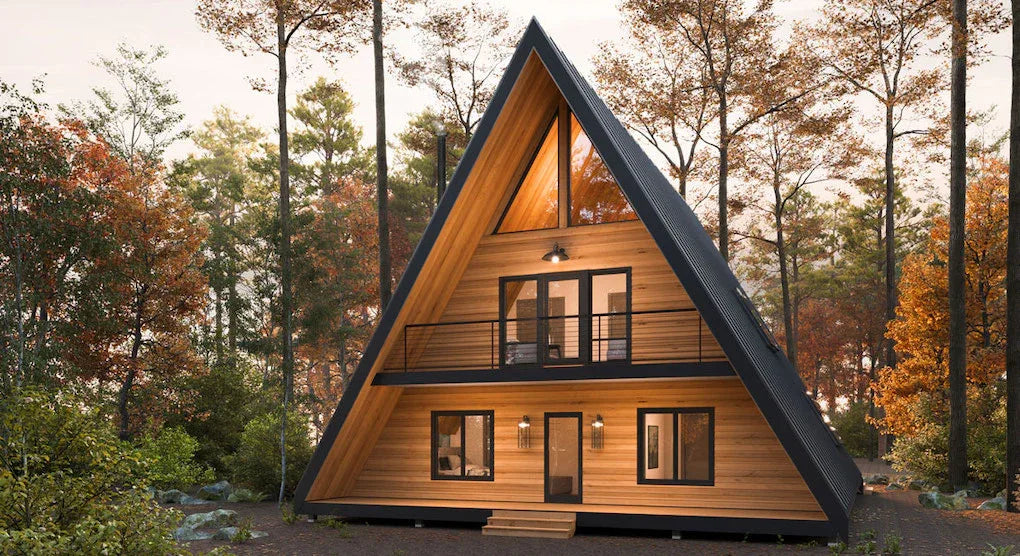
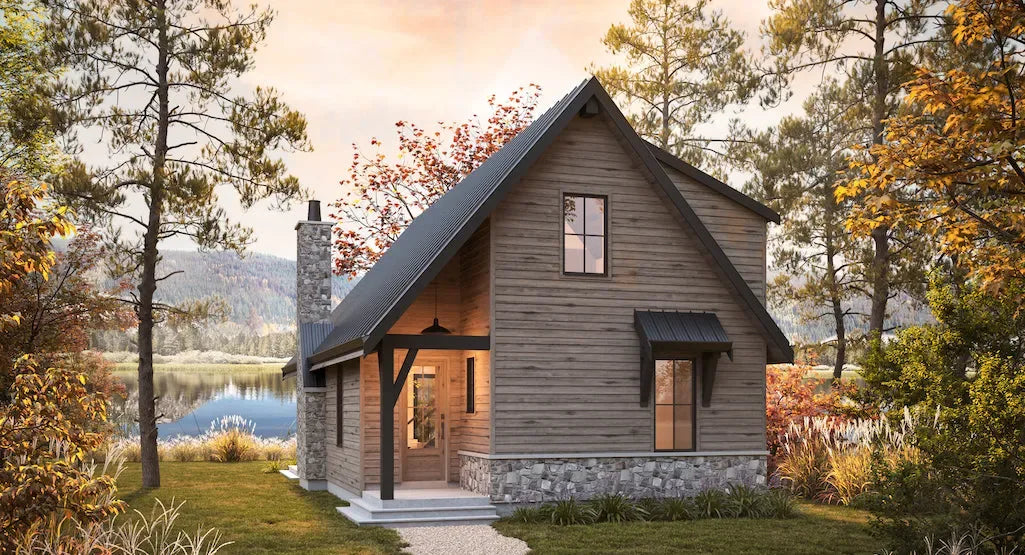
Mountain cabin house plans transform rugged terrain into comfortable living spaces designed for alpine conditions. Whether you need a compact vacation retreat, a spacious year-round family home, or a luxury lodge for entertaining, the right floor plans account for steep slopes, heavy snow loads, and the desire to capture expansive views of the surrounding nature.

This collection features mountain house plans ranging from cozy 400 sq ft getaways to grand 10,000+ sq ft lodges, each engineered for mountainous or rugged terrain while maximizing connection to the great outdoors.

Mountain Cabin Plans for Every Purpose

Mountain home plans serve distinctly different functions depending on how you’ll use your alpine property. Vacation retreats prioritize low maintenance and seasonal readiness. Permanent residences demand robust weatherproofing and full amenities. Weekend getaways balance efficiency with comfort. Understanding your primary use shapes every design decision from bedroom count to foundation type.

Size ranges vary dramatically across mountain homes. Cozy cabins occupy 400-900 sq ft with 1-2 bedrooms and open layouts that maximize every square foot. Mid-size year-round residences span 1,500-3,500 sq ft with 3-6 bedrooms and dedicated storage space. Luxury mountain lodges reach 4,000-10,000+ sq ft featuring great rooms, multiple guest suites, and extensive outdoor living areas.

Vacation Cabin Plans

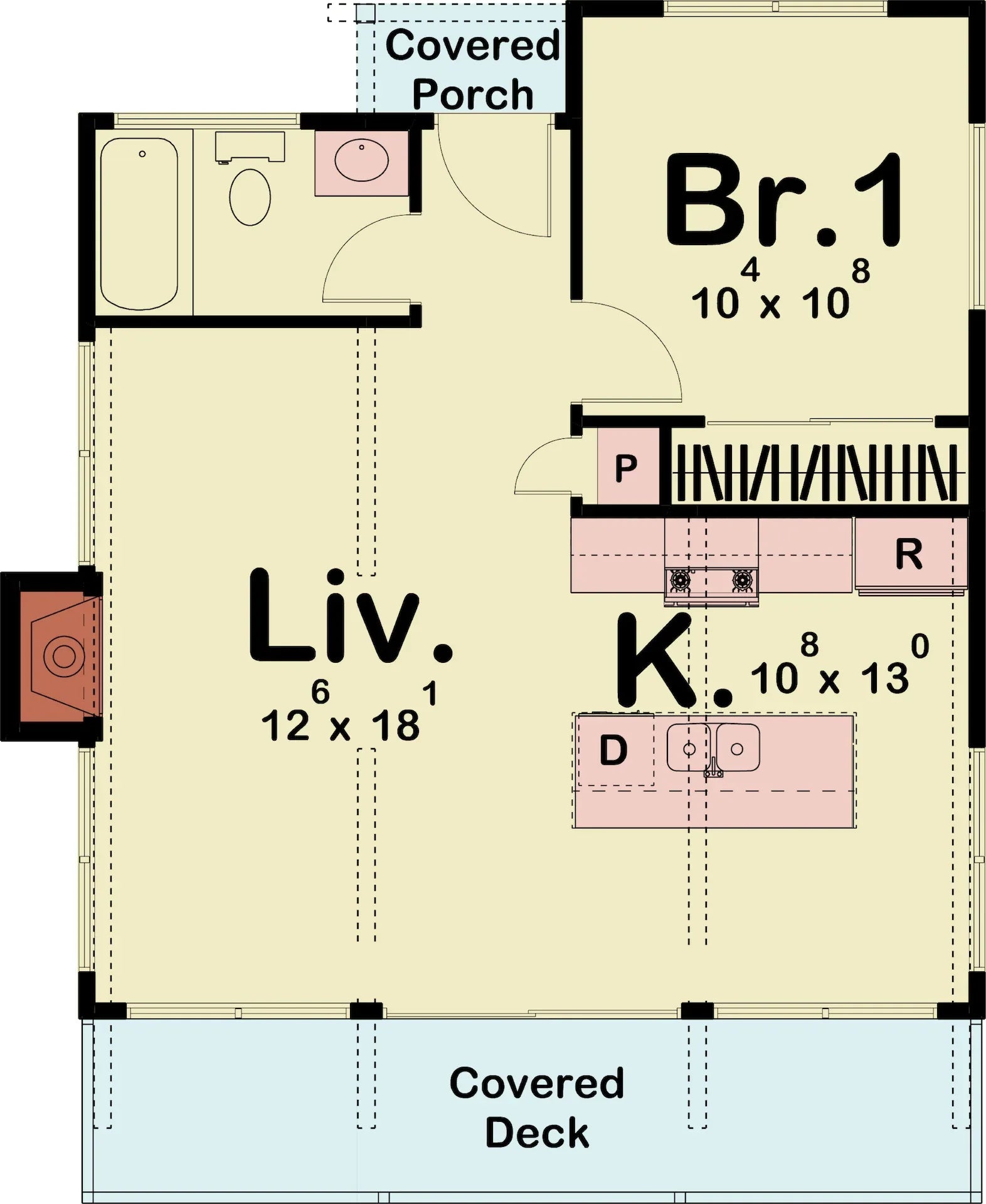
Vacation cabin plans prioritize compact efficiency and minimal maintenance for seasonal occupancy. These designs typically feature 1-3 bedrooms with open floor plan configurations that combine living, dining areas, and kitchen into unified spaces—eliminating wasted corridor square footage while creating inviting gathering areas.

Smart vacation cabin design incorporates loft spaces instead of full second stories, reducing construction costs while adding flexible sleeping or storage room. Compact mechanical systems, sealed construction to prevent winter infiltration, and durable materials that resist rot and moisture keep maintenance demands low during off-season months.

Roof design matters significantly for vacation properties. Steep pitches or metal roofing shed snow effectively, preventing dangerous accumulation when you’re away. Strategic window placement captures natural light and views while minimizing heat loss—critical when the cabin sits unheated between visits.

Year-Round Mountain Residence Plans

Modern mountain home plans for permanent living require substantially more space and robust systems than vacation retreats. Floor plans with 3-6+ bedrooms accommodate family life, while dedicated home office spaces support remote work lifestyles increasingly common among mountain residents.

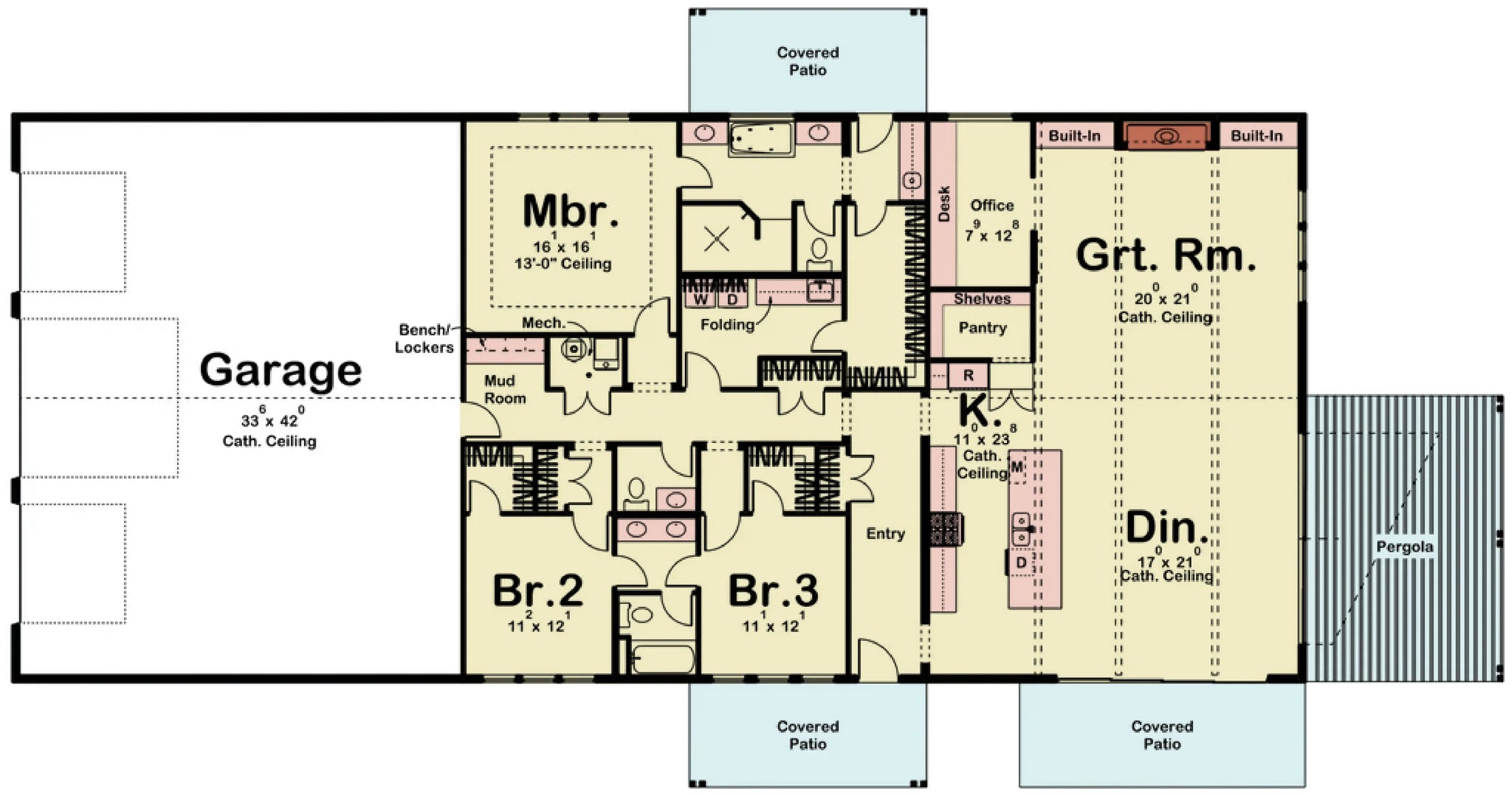
Storage space becomes essential in year-round mountain homes. Mudrooms near entries manage snow, wet gear, and outdoor equipment. Walk in closets in master suites provide organized personal storage. Walk in pantry spaces support families who stock supplies between trips to distant towns. Basement areas—particularly walkout basement configurations—offer additional living space, guest quarters, or workshop areas.

Energy efficiency and weatherproofing define livable year-round mountain construction. High R-value insulation in walls, roofs, and floors combats extreme temperature swings. Quality foundation systems with proper moisture control prevent frost heave and water infiltration. Heat pumps, passive solar design, and solar panel integration reduce operating costs in remote locations where utility connections may be expensive or unavailable.

Mountain Lodge & Entertainment Plans

Mountain lodge plans create dramatic spaces for gathering and entertaining. Great room designs feature vaulted ceilings reaching double-height volumes, exposed wood beams spanning impressive distances, and massive stone fireplaces that serve as both heating sources and visual anchors.

Guest accommodation in lodge-style mountain house plans often includes multiple suites with private bathrooms, sometimes in separate wings for privacy. Recreation spaces—game room areas, media room setups, exercise room facilities, and wet bar stations—provide entertainment regardless of weather conditions outside.

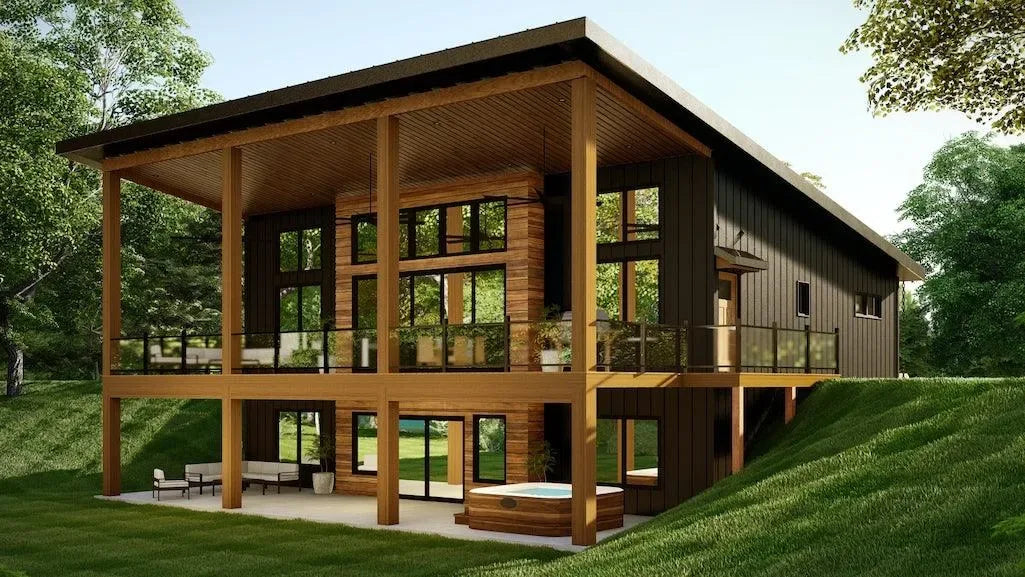
Outdoor entertainment receives equal attention in lodge designs. Wrap around porch configurations capture multiple exposures and views. Expansive deck spaces accommodate large gatherings. Covered porches protect outdoor furniture from weather while extending usable seasons. Outdoor fireplace installations and fire pits create gathering spots that connect residents to the rugged landscapes surrounding the property.

Choose the Right Plan for Your Mountain Terrain

Your building site’s terrain fundamentally shapes which mountain house design will work. Slopes, soil conditions, rock presence, and access all influence foundation requirements, grading costs, and ultimately which house plans prove feasible. Working with your site’s natural characteristics rather than against them reduces construction costs and environmental impact while often producing more visually integrated results.

Foundation type must respond to specific site conditions including soil stability, slope angle, frost depth, and drainage patterns. Getting this right prevents costly problems—soil sliding, frost heave, and water infiltration can compromise even beautifully designed structures.

For Steep Hillside Lots

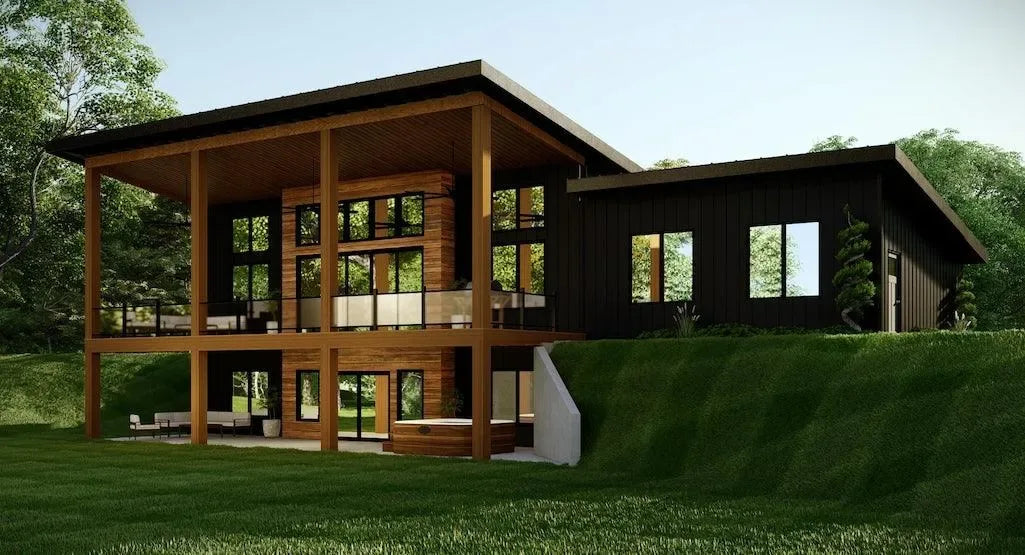
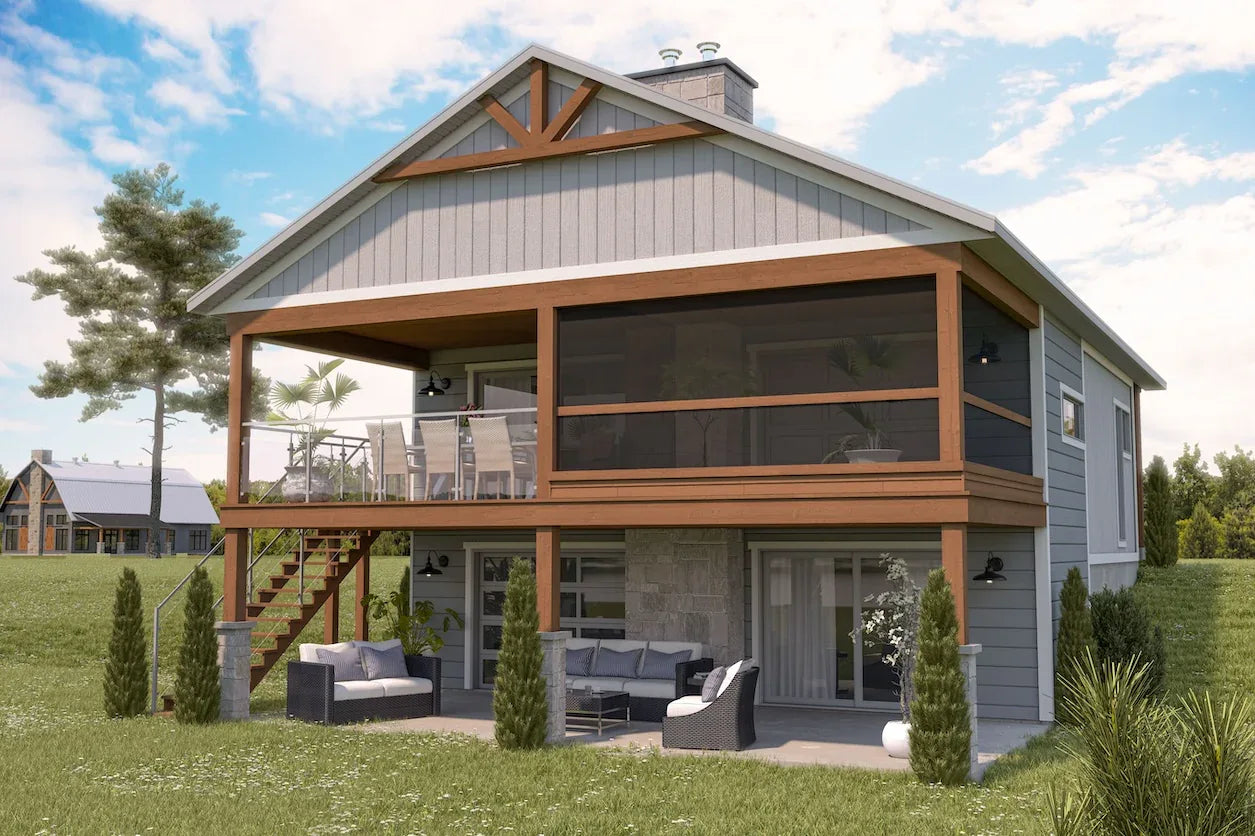
Steep sites demand multi-level designs that step with natural slopes rather than requiring massive grading operations. Walkout basement configurations turn slope challenges into advantages, providing ground-level access on lower floors while upper levels connect to uphill grades.

Split-level floor plans work exceptionally well on hillside lots, creating distinct living zones while minimizing excavation. Drive-under garage arrangements utilize space beneath main living areas, keeping vehicles protected without consuming valuable flat building area.

Pier and beam or post-and-beam foundations reduce excavation on challenging slopes. Terraced designs create outdoor living areas at multiple levels, each connecting to interior spaces while stepping down hillsides naturally.

For Flat or Gently Sloping Sites

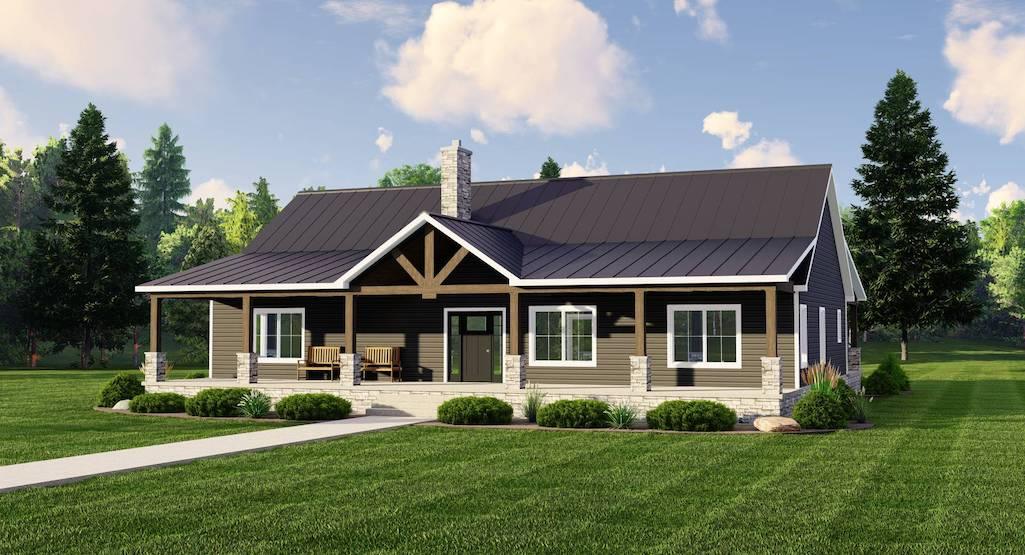
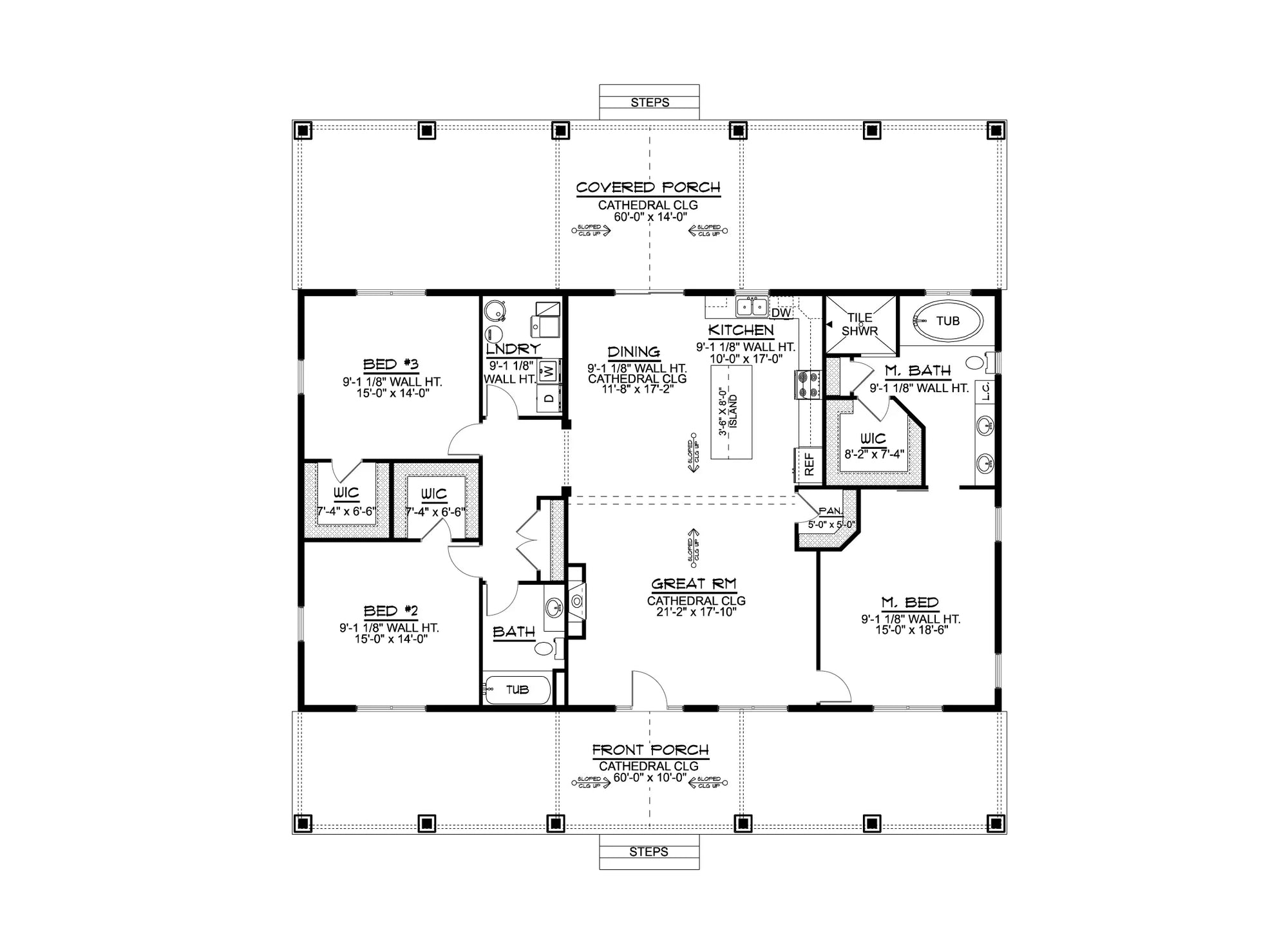
Flat or gentle slopes offer the most flexibility in mountain home plans. Single-story ranch-style cabin plans work beautifully on these sites, providing accessible living without stairs while simplifying construction. Crawl space or full basement foundations both prove viable depending on soil conditions and desired additional space.

Symmetrical roof forms and simpler rooflines reduce construction complexity and cost on flatter sites. Traditional cabin layouts with front porch entries facing views and service areas toward access roads create logical flow patterns. These sites typically require less site preparation cost, allowing more budget allocation toward interior finishes or premium materials.

For Rocky or Challenging Terrain

Rocky sites that resist conventional excavation benefit from pier and beam foundation approaches that elevate structures above ground disturbance. Screw pile foundations penetrate rocky soils without heavy excavation equipment, reducing site impact and cost.

Elevated designs minimize disturbance to existing drainage patterns and vegetation while providing clearance for snow accumulation beneath structures. Pre-engineered trusses and modular construction components reduce on-site work time—particularly valuable in remote locations with limited access windows or expensive labor transport.

Premium Materials That Weather Mountain Conditions

Material selection for mountain homes balances durability against harsh alpine conditions with the authentic rustic elements that define mountain house design. Weather resistance, maintenance requirements, thermal performance, and aesthetic character all factor into smart material choices for slopes exposed to extreme temperature swings, heavy snow, intense UV radiation, and wind-driven moisture.

Timber Frame & Log Construction

Timber frame and log construction creates the rustic details and exposed beams that define classic mountain architecture. Douglas fir provides exceptional strength for structural applications. Cedar naturally resists rot and insects, making it ideal for exterior applications. Oak offers superior hardness and durability, while pine provides economical warmth.

Exposed wood beams and timber trusses allow dramatic open spans in great room and family room areas without intermediate supports. These structural elements become visual features, connecting interior spaces to the forested landscapes visible through large windows.

Log wall thermal performance requires understanding. A six-inch softwood log wall provides approximately R-8 insulation value—lower than modern insulated stud walls. However, thermal mass helps moderate temperature swings in climates with significant day-night variation. Many modern mountain homes use log accents or timber frame elements combined with insulated wall systems to achieve both authentic style and energy efficiency.

Stone & Masonry Features

Natural stone grounds mountain homes visually to their sites while providing exceptional durability. Stone chimneys and fireplace surrounds create dramatic focal points in great rooms. Fieldstone foundations anchor structures to rugged terrain. Exterior stone cladding adds weather protection and mountain aesthetic character.

Stone offers inherent fire resistance—increasingly important as wildfire risk grows in mountain regions. Thermal mass helps moderate interior temperatures. Local stone sourcing, where available, reduces transportation costs while ensuring visual compatibility with surrounding landscape.

Stone construction requires adequate foundation support given its weight. Proper detailing prevents thermal bridging where stone penetrates insulated wall assemblies. These considerations make professional design essential for extensive stone use.

Modern Hybrid Materials

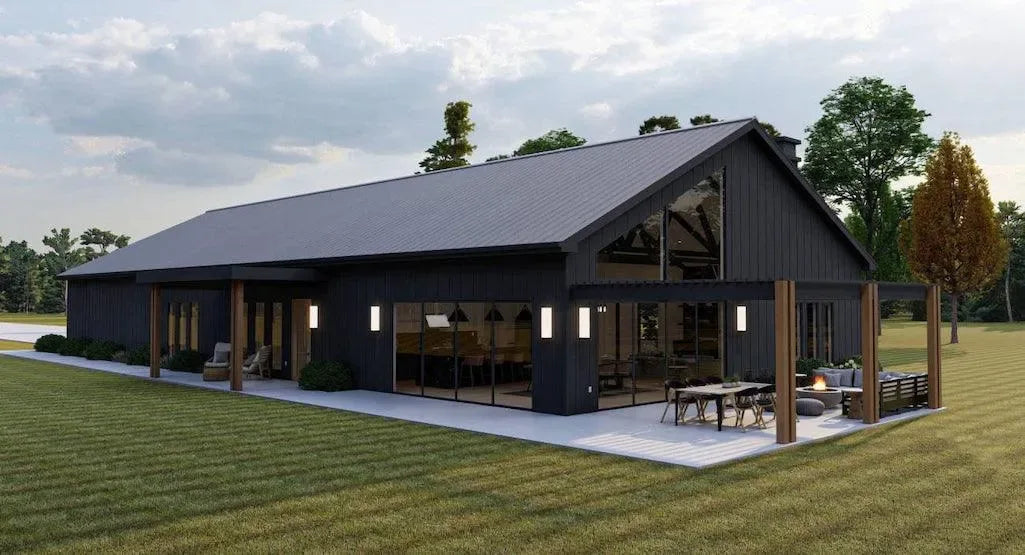
Modern mountain homes increasingly blend rustic elements with contemporary materials that enhance performance. Steel framing and engineered beams allow longer spans than traditional lumber, creating expansive open floor plan spaces with clean lines that define modern mountain house plans.

Energy-efficient windows with triple glazing and low-e coatings capture expansive views while minimizing heat loss—critical when large windows face mountain vistas. Proper glass selection balances solar heat gain in winter against overheating in summer.

Composite decking materials resist the moisture, UV, and temperature extremes that quickly degrade traditional wood decks at altitude. Fiber cement siding offers wood appearance with superior weather resistance. These modern materials reduce maintenance demands while maintaining appropriate mountain aesthetic character.

How to Customize Your Mountain Cabin Plan

Stock mountain house plans provide starting points that most buyers modify to match their specific needs, sites, and preferences. Working with architects and designers allows adjustments ranging from simple bedroom reconfigurations to comprehensive redesigns that adapt plans to unique terrain or lifestyle requirements.

Interior Layout Modifications

Bedroom and bathroom configurations represent the most common interior modifications. Adding or removing bedrooms, adjusting master suites with walk in closets, or repositioning bathrooms adapts plans to family size and preferences. Locating primary bedrooms on main floors suits aging-in-place planning, while upper-level placement captures better views in some configurations.

Kitchen modifications affect daily living significantly. Island sizing balances seating capacity against circulation space. Walk in pantry additions provide essential storage for remote living. Gourmet kitchens for entertaining require different layouts than efficient household kitchens.

Great room ceiling heights, family room proportions, and bonus room functions all invite customization. Basement finishing transforms walkout basement areas into guest suites, media room spaces, game room areas, or exercise room facilities. Storage space optimization—under-stair closets, loft areas, garage organization—addresses the gear-intensive lifestyle mountain living demands.

Exterior Feature Additions

Porch, deck, and balcony configurations significantly impact how you experience your mountain property. Front porch depth and covered porches dimensions determine furniture placement and weather protection. Deck orientation captures optimal views while managing sun exposure. Balcony additions from upper bedrooms extend living space skyward.

Garage placement affects both practical access and architectural appearance. Drive-under configurations work on slopes. Detached garages or outbuildings provide workshop space, equipment storage, or off-grid system housing. Courtyard arrangements between structures create protected outdoor rooms.

Landscaping integration and site-specific adaptations complete exterior customization. Natural stone retaining walls manage slopes. Terracing creates usable outdoor areas on challenging terrain. Strategic vegetation placement provides windbreaks or privacy screening. Proper drainage management protects foundation integrity.

Explore Our Mountain Cabin House Plan Collection

Browse our complete collection of mountain cabin house plans to find designs matching your terrain, lifestyle, and aesthetic preferences. From compact vacation retreats under 800 sq ft to expansive lodges exceeding 5,000 sq ft, each plan addresses the unique demands of building in mountains.

Plan pricing typically includes comprehensive construction documents: floor plans, roof plans, elevations, sections, electrical layouts, and foundation plans. Guest cottage plans start under $1,500, while larger custom designs command higher prices reflecting their complexity.

Construction costs for mountain homes vary significantly by location, site conditions, and finish levels. Standard custom mountain builds run approximately $175-300 per sq ft for the house itself, while luxury specifications reach $280-450+ per sq ft. Site preparation—grading, foundation work, utility connections, driveways—often adds $50,000-$150,000 on challenging mountain lots.

Plan modification services adapt stock designs to your specific requirements. Structural engineering certifications ensure compliance with local snow load and wind requirements. Build support services help translate plans into completed mountain homes that stand strong against alpine conditions for generations.

Your perfect place in the mountains begins with the right plan. Start exploring the collection today to find mountain home plans that capture your vision for life among peaks and pines.

20 house plans

Our client image
Our client image
Our client image
Our client image
Our client image
Why Choose Archival Designs
Them
Cost to Build

Free

$30+
Shipping
Free
on physical blueprints
$20+
Price Guarantee
Only Price Match
Purchase

Direct


from the Architect
Middleman
Search by Plan Name