














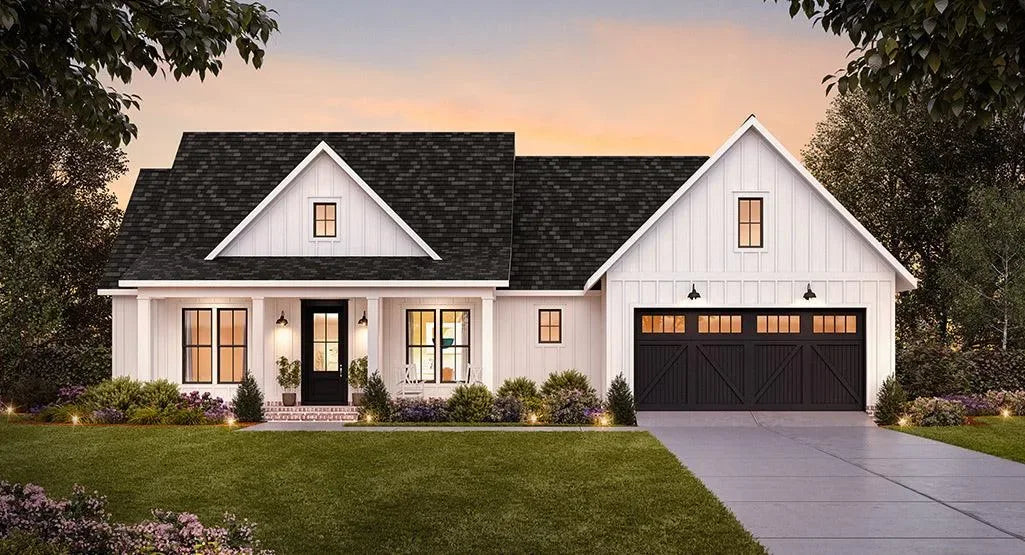

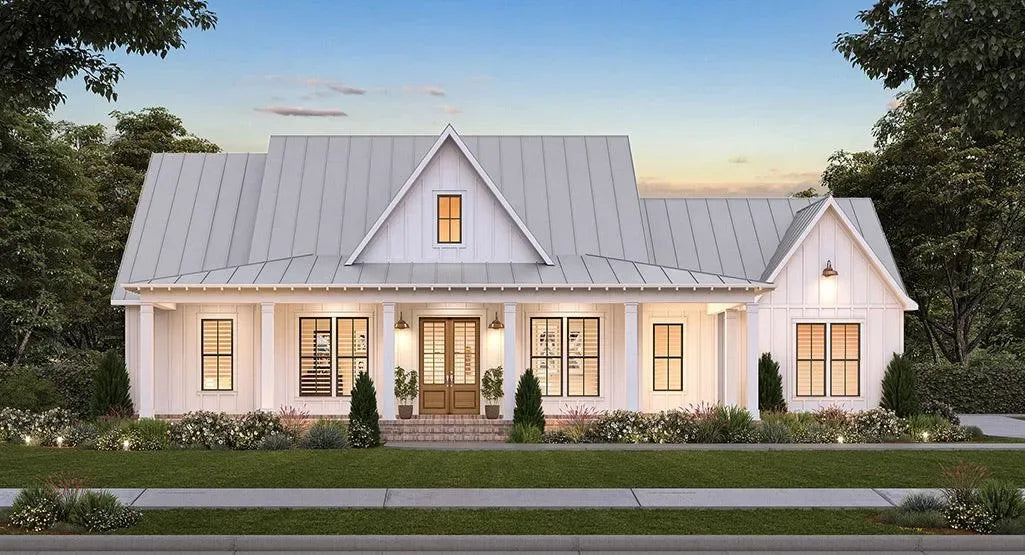


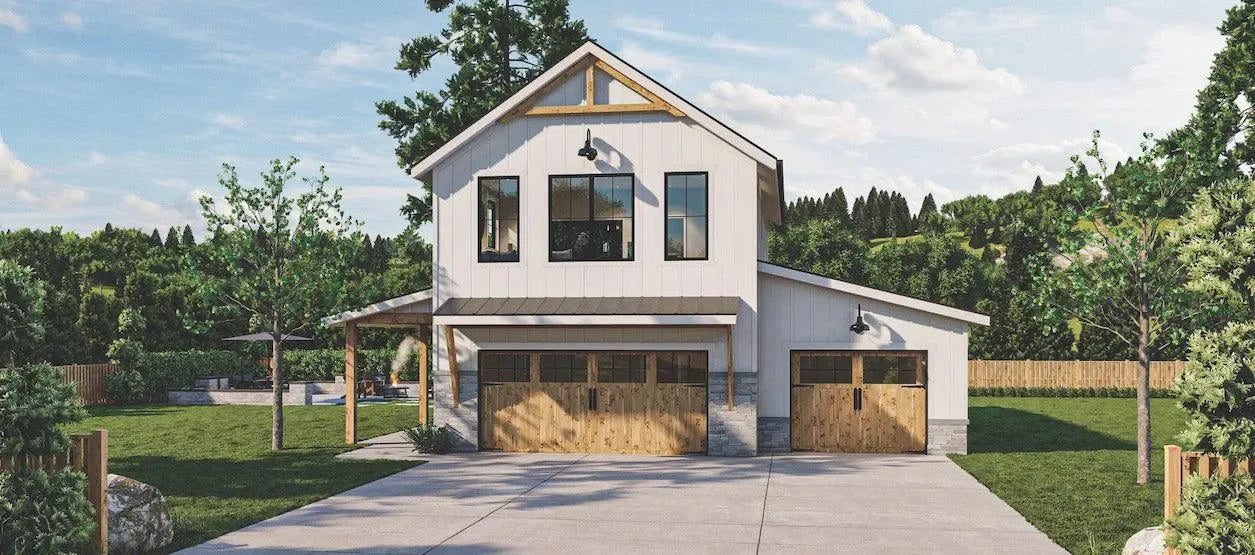

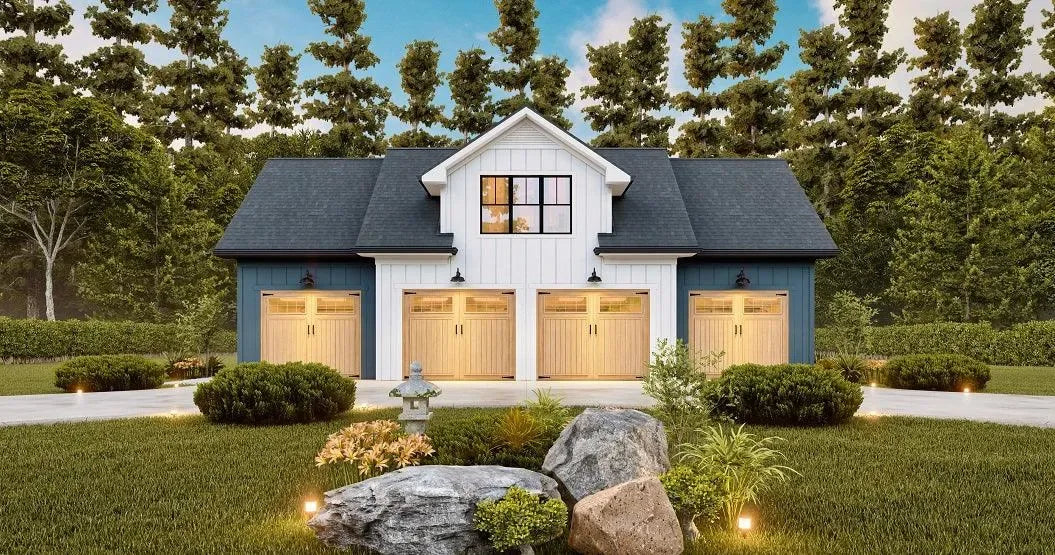








Choosing a house plan requires balancing your budget, lifestyle, and lot constraints while planning for future needs. The most important factors include evaluating layout flow and privacy, aligning the design with your land and natural light, estimating total construction costs beyond the blueprint, and selecting a style that fits both your lifestyle and surroundings. The best house plans combine functional living spaces, long-term flexibility, and energy-efficient design to create a home that works today and adapts over time.
Quick Checklist: 7 key factors to consider when choosing a house plan
-
Lifestyle & Future Adaptability: Choose a layout that balances your current daily routines with "double-duty" spaces that can evolve as your family grows or ages.
-
Functional Flow & Privacy: Prioritize a clear architectural separation between high-traffic social "Great Rooms" and private bedroom wings to ensure long-term comfort.
-
Lot Placement & Natural Elements: Strategically align your plan with your property’s topography and the sun’s path to maximize natural light, privacy, and scenic views.
-
Realistic Budgeting Beyond the Blueprint: Factor in "hidden" construction costs like land clearing and utility hookups, as complex rooflines or unique materials can quickly inflate your total spend.
-
Aesthetic & Environmental Harmony: Select an architectural style that reflects your personality while complementing the local landscape to enhance both daily enjoyment and resale value.
-
Energy Efficiency & Smart Layouts: Look for designs optimized for superior insulation and zoned HVAC systems to significantly reduce your long-term monthly utility bills.
-
Builder Compatibility & 3D Visualization: Use digital simulations and professional consultations early on to spot potential flow issues and ensure compliance with local building codes.
For more details please check this article "How to Choose the Right Floor Plan for Your Family's Lifestyle: Top Tips"
1. Lifestyle & Future Adaptability
 Start by thinking about how you actually live. Who’ll be sharing the space - just you, family, maybe visitors now and then? Picture those weeknight dinners versus weekend gatherings. Do daily routines lean toward busy shared moments or time alone to unwind? Think ahead: could little ones arrive soon, or older relatives join you later on? What feels peaceful today might shift down the road. Let real habits shape decisions more than design trends ever could.
A well-considered layout pays attention to how you live now, yet leaves room to shift as life changes. Spaces that pull double duty - say a spare room turning into an office or guest area - help keep things smooth when routines adjust. With smart planning, comfort sticks around long after move-in day.
Think ahead: Could older relatives join you later? A well-considered layout pays attention to how you live now, yet leaves room to shift.
2. Functional Flow and Room Zoning
A house means more than walls; it's about movement.
-
Public vs. Private Zones: Ensure bedrooms are separated from the noisy Great Room.
-
The "Mudroom" Concept: Practical plans often place an entry near the garage. For inspiration on efficient utility spaces, the Westlaurel house plan offers a great example of contained "mess zones."
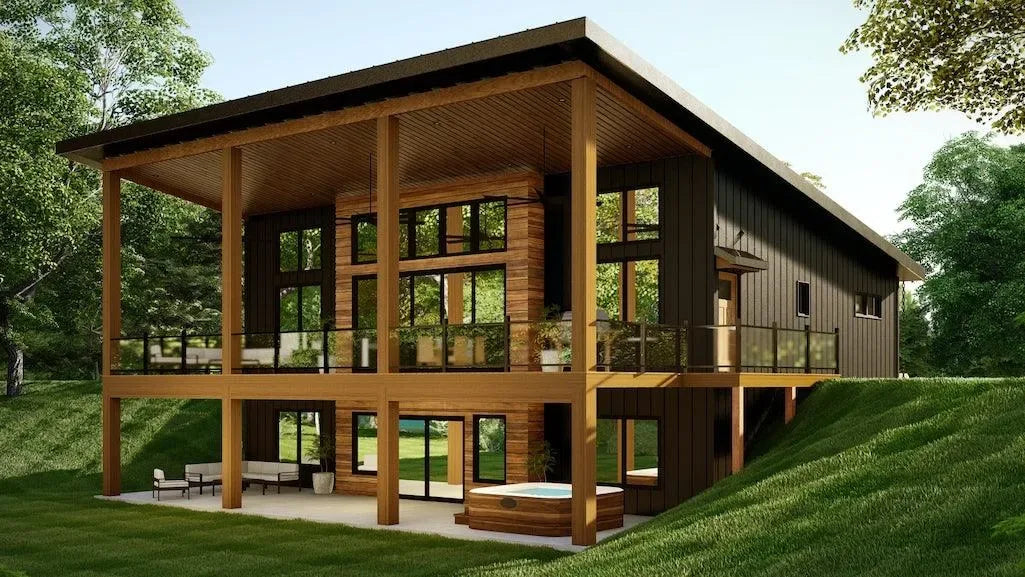
3. Lot Placement & Natural Elements
 Space size counts, yet plenty else plays a role. Room shape often shapes comfort more than numbers suggest. Tall ceilings open up areas, making them feel larger without adding square inches. Where the house lands on the plot shifts how it feels daily. Windows placed with care bring in sunlight when needed, clear air flows through at times, while cutting down heating needs too.
A backyard tucked away from neighbors gives space to breathe, while wide windows pull nature into daily life. Where the house sits on the land can shape how light moves through rooms, how breezes flow, how footsteps wander outside. Thoughtful placement often turns tight corners into quiet spots, simple materials into something warm. Views matter not just for scenery but because they stretch the sense of room beyond walls. Comfort grows when layout lines up with trees, slopes, open sky.
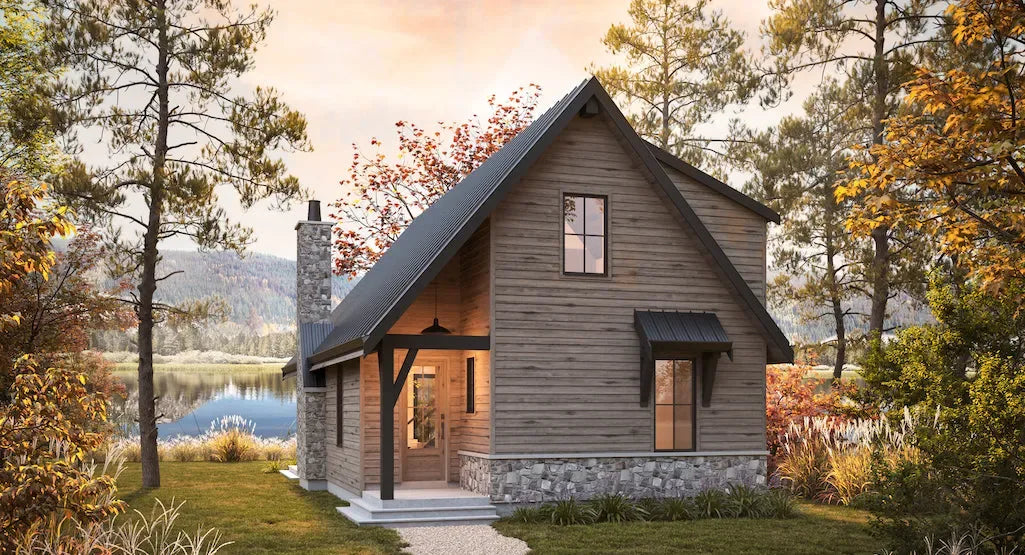
If you are building on a scenic lot, choosing a house plan with a wrap around porch can turn simple outdoor spaces into secondary living rooms, pulling nature into your daily life.
| Factor | Standard Plans | Custom Designs | Modern Barndos |
| Cost | More Affordable | Premium Price | Moderate to High |
| Flexibility | High (with Modifications) | Unlimited | Very High / Open |
| Speed | Ready for Construction | 6-12 Months Design | Quick Shell Build |
| Best For | Budget-Conscious | Unique Lots | Hobbyists/Shops |
4. Realistic Budgeting Beyond the Blueprint
A house you picture living in should fit what your money can handle. When thinking past just building it, factor in clearing the land, getting approval papers, hooking up power and water, shaping the yard, maybe even adding extras later.
Price tags might look low at first glance - yet steep roof shapes, rare supplies, or one-off details often push costs higher. Talking with a builder or designer up front helps ground the vision in reality, keeping spending steady through each phase.
5. Aesthetic & Environmental Harmony
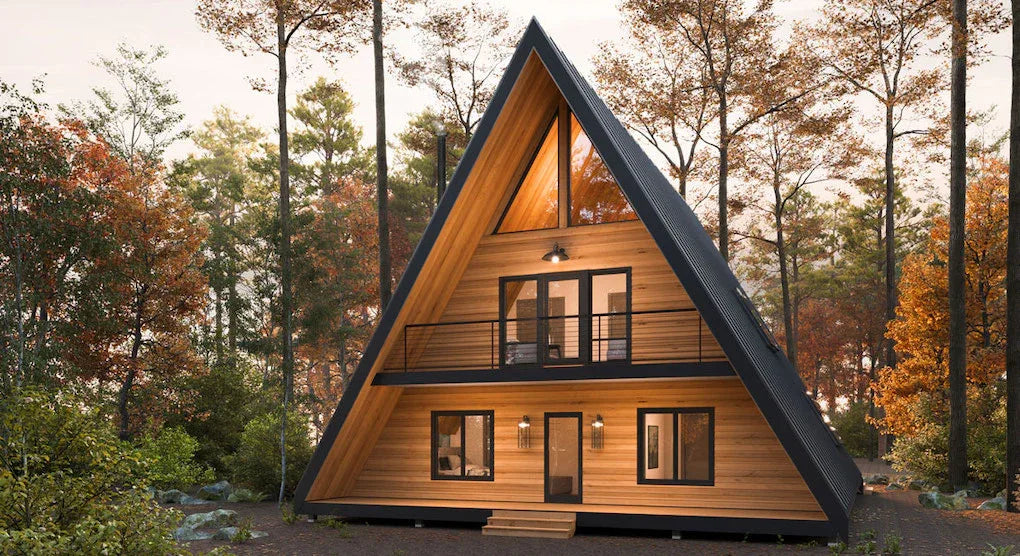
 A house shaped by your own choices feels right - yet how it looks can shape building effort, power bills, maybe even daily comfort. Old-style, sleek, country, or handcrafted homes? Each brings its own mix of perks and headaches. A house fits better when its look matches the area around it. As years pass, that fit can matter more. When everything feels like it belongs, people enjoy being there. It also tends to sell for more later on. If you are looking for long-term comfort, designs like the Whispering Pines house plan are engineered to keep temperatures stable year-round.
6. Energy Efficiency & Smart Layouts
One thing stands clear - cutting energy waste helps your wallet while making spaces feel better. Try picking floor layouts built around tight insulation, windows that hold temperature well, plus heating systems split into zones. Facing homes toward the sun’s path, adding roof edges that block summer heat, then letting air move right through changes how much you pay monthly.
Spaces that shift easily keep up when life changes. Storage fits neatly where it’s needed most. Rooms adjust without fuss as families grow or tech improves. A thoughtful layout stays useful year after year. What works now still works later, quietly adapting along the way.
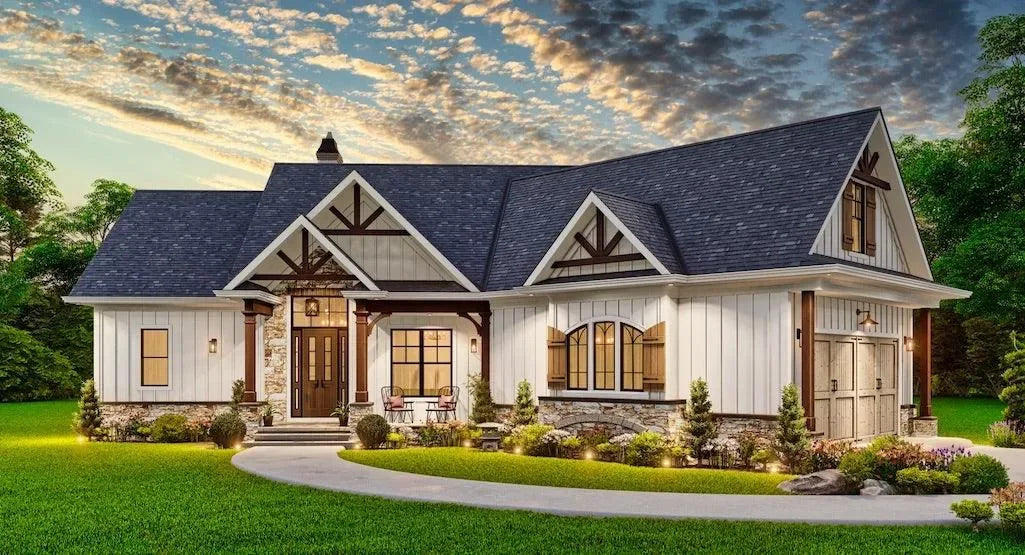
If you love a classic look but need a specific modern layout, a plan like the Westdrake house plan can be modified to fit your exact 3D visualization requirements.
7. Builder Compatibility & 3D Visualization
 A solid blueprint still needs to follow area construction rules, land-use laws, plus actual property limits. Where you are might block some intricate setups, which means getting a builder involved sooner helps avoid issues later. People who’ve built many homes spot problems fast, offer cheaper options sometimes, and keep the project running smoothly from start to finish.
Picture your house using 3D images, virtual tours, or small-scale replicas. Seeing how spaces connect becomes clearer when you walk through a digital version instead of waiting until walls go up. Light patterns show up differently in simulations, revealing spots that might feel too dark once built. Changes are easier to make on screen than tearing out drywall down the line. Unexpected issues tend to fade when you spot them early through detailed previews.
Is it better to buy a stock plan or a custom design?
Stock plans are much faster and more budget-friendly. However, many homeowners choose to use a modification service to tweak a stock plan, getting a "custom feel" without the custom price tag.
What are common mistakes in house drawings?
The most common mistake is ignoring the site’s topography. A plan that looks great in a catalog might not work on a sloped lot. Always consult with pros to ensure your Wildwood house plan or similar design fits your specific soil and elevation.
How many bedrooms do I really need?
While you might think 3 is enough, consider a 4th for resale value or hobby space. Look through our 4 bed craftsman house plans to see how an extra room can increase the long-term utility of your home.
Conclusion
A home design fits life when daily routines match room layouts. Because spaces connect smoothly, moving through them feels natural most days. When costs stay within limits, choices reduce stress over time instead of adding it. Since materials trap less heat, cooling stays easier during warm months. Though opinions differ among builders, their advice often highlights hidden challenges ahead. As habits change later, flexible areas adjust without major work. Where light enters freely, mood shifts quietly throughout daylight hours.
Your house design isn’t just lines on paper - it shapes how you live every day. Take your time thinking it through, picture yourself moving through each room, then team up with pros who know their stuff so everything fits together right. Beauty matters, yes, but so does how things work when life happens inside those walls.


