














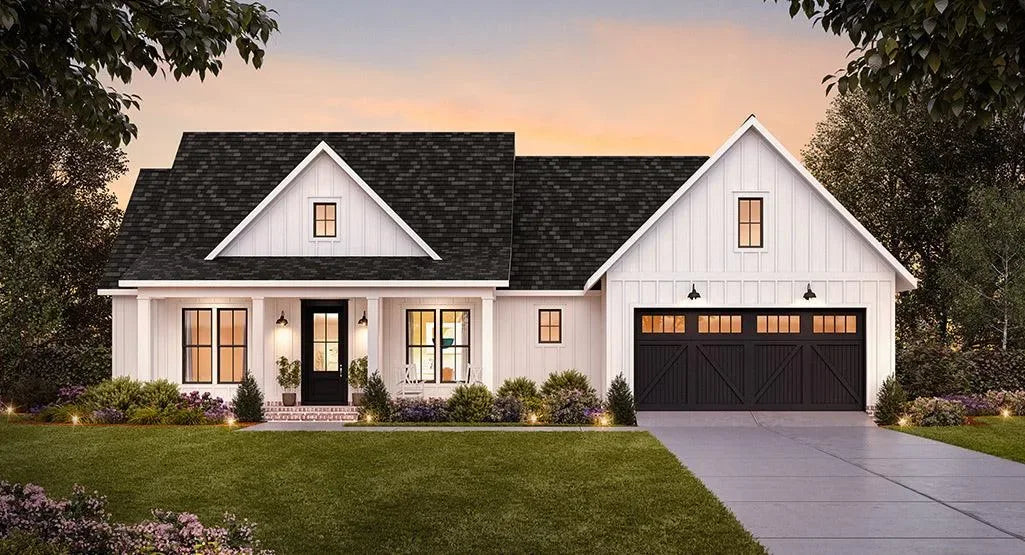

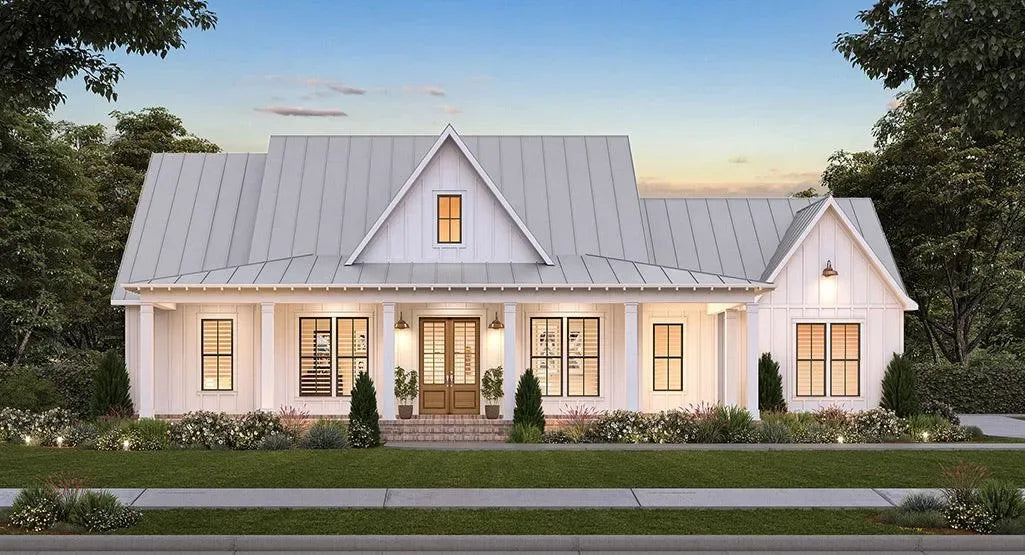


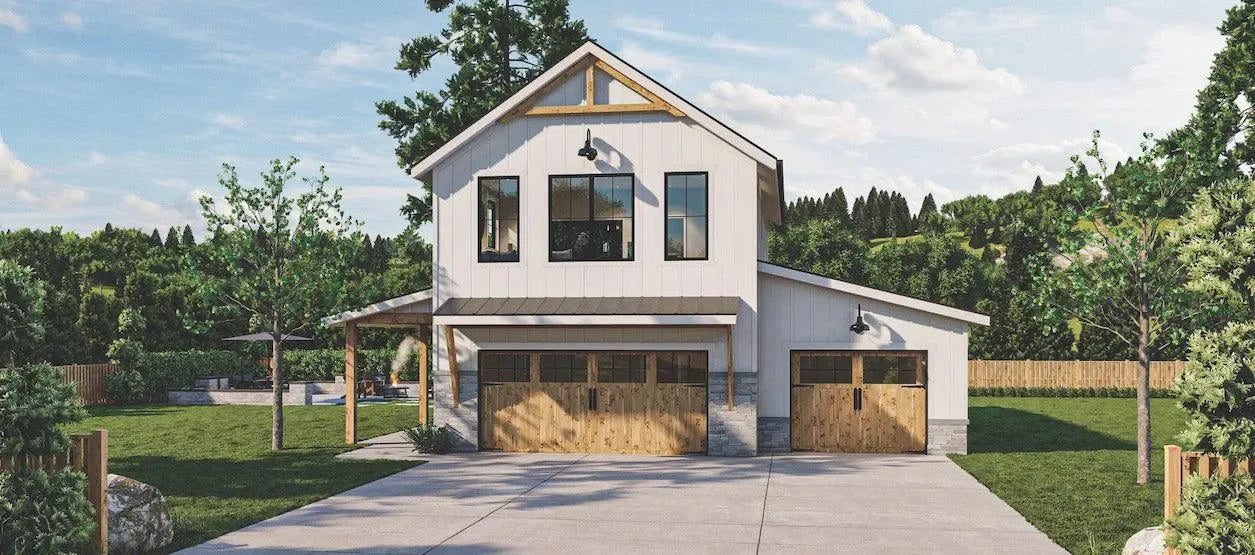

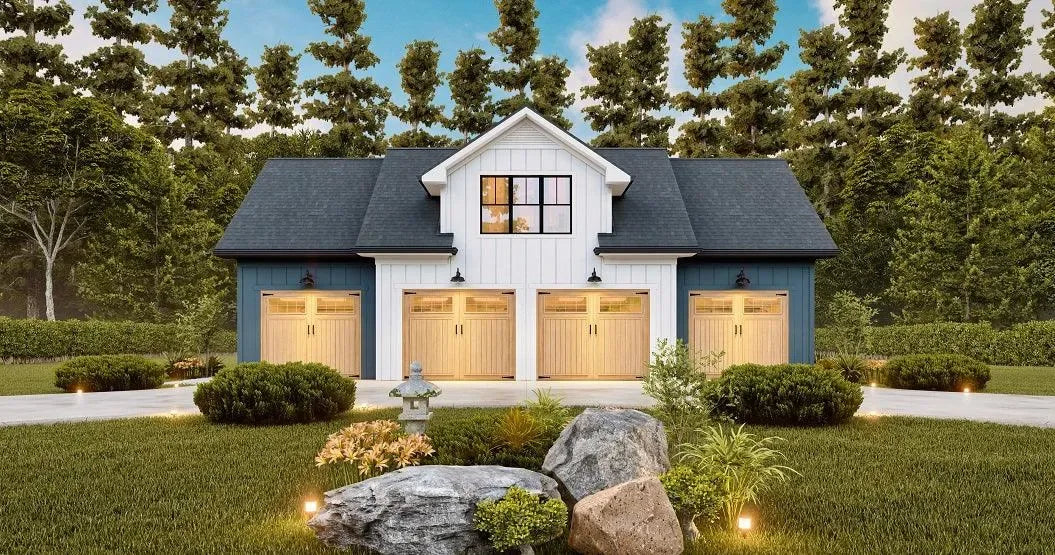








This article on choosing the right floor plan is meant to walk you through the journey—from a vague idea to a functional layout—without making your head spin. Think of it as advice from someone who’s been there: coffee in hand, a few mistakes behind them, but plenty of wisdom to share. The quick gist is simple: Pick the plan that fits your family's lifestyle and current needs, not just what looks good in photos.
Key Steps/Considerations for Picking a Floor Plan
-
Watch How Your Family Lives: Analyze current routines to determine true functional needs (traffic flow, quiet spaces, gathering areas).
-
Determine Bedroom and Bathroom Count: Calculate needs for now and for the future (guests, family changes).
-
Decide on Open Plan vs. Separate Rooms: Choose the best balance between shared space and private/focused areas.
-
Maximize Natural Light: Plan window placement based on sun exposure (South-facing) and use features like skylights.
-
Plan for the Future (Flexibility): Ensure rooms can change purpose and consider features for aging in place (like a first-floor primary bedroom).
-
Account for Lot Size and Shape: Design the house to fit the site constraints (e.g., vertical design for narrow lots, walk-out basements for sloped lots).
-
Balance Privacy with Togetherness: Zone noisy rooms away from sleeping areas and create quiet pockets.
-
Integrate Outdoor Living: Plan for functional patios, decks, or porches as extensions of indoor space.
-
Consult Professionals Wisely: Engage architects/builders, but be prepared to ask smart questions about flow, aging, and cost implications.

1. Start by Watching How Your Family Lives
Walk through a normal day in your head. Or better: watch the real one. Consider how your family dynamics influence the types of spaces you need—every family has unique routines and interactions that shape their ideal home layout.
-
Who drops bags in the entry?
-
Where do kids do homework?
-
Where does laundry pile up?
-
Who needs quiet for work?
-
How do different family members use the kitchen, living room, or outdoor spaces throughout the day?
These small things tell you what rooms you truly need. If you love hosting, you’ll want a kitchen that opens to the living room, making it easier for family members to interact and stay connected. If someone works from home, a quiet nook matters more than a big dining room.
Tip: Pretend you’re moving in tomorrow. What would bug you? Fix that first.
2. How Many Bedrooms and Bathrooms Do You Need?
This is practical. And it matters.
When deciding on bedrooms and bathrooms, consider your family's specific needs, including lifestyle preferences and any unique requirements.
-
Now: Count the people sleeping there.
-
Later: Think about guests, babies, older parents, and ensure your home can accommodate changes in family size or needs.
Rule of thumb: 3–4 bedrooms suit most families. But your life may be different.
Bathrooms are huge for comfort. A helpful rule: aim for about two bathrooms for every three bedrooms. Also, a small powder room on the main floor is a lifesaver during gatherings.

3. Open Plan or Separate Rooms?
Open plan
-
Great for gatherings.
-
Feels big.
-
Easy to watch kids while cooking.
Defined rooms
-
Better for quiet and focus.
-
Good for home offices and formal dining.
Want both? Mix them. Open kitchen + quiet bedroom wing. Or sliding doors that close off the office when needed.
Quick thought: open plans are like open shoes — comfy and breezy. Private rooms are like sneakers — practical and built for real life.
4. Make the Sun Work for You
Sunlight changes everything. It can warm, cheer, and save on lights. It can also make rooms too hot. Enhancing natural light in your home can improve comfort and livability by making spaces feel brighter and more inviting.
-
South-facing windows give steady light. Good for living rooms.
-
Use dormer windows or skylights to bring light into tight spots.
-
Think about shading (overhangs, trees) so summer isn’t a sauna.
-
Pick easy-to-clean surfaces near entries and kitchens. Kids, dogs, and muddy shoes will thank you.
5. Plan for the Future — Don’t Design Just for Today
People move through life phases. Your floor plan should flex.
-
Extra room that becomes an office, then a nursery, then a guest room.
-
First-floor primary bedroom helps later on if stairs get hard.
-
Wide doorways and simple layouts make aging in place easier.
Tip: Rooms that can change purpose are golden.

6. Lot Size and Shape Matter — Don’t Ignore the Site
Your house must fit the land, not the other way around. The characteristics of your lot—its size, shape, and orientation—should directly inform your home design choices.
-
Narrow lot? Think vertical layouts or a two-story plan.
-
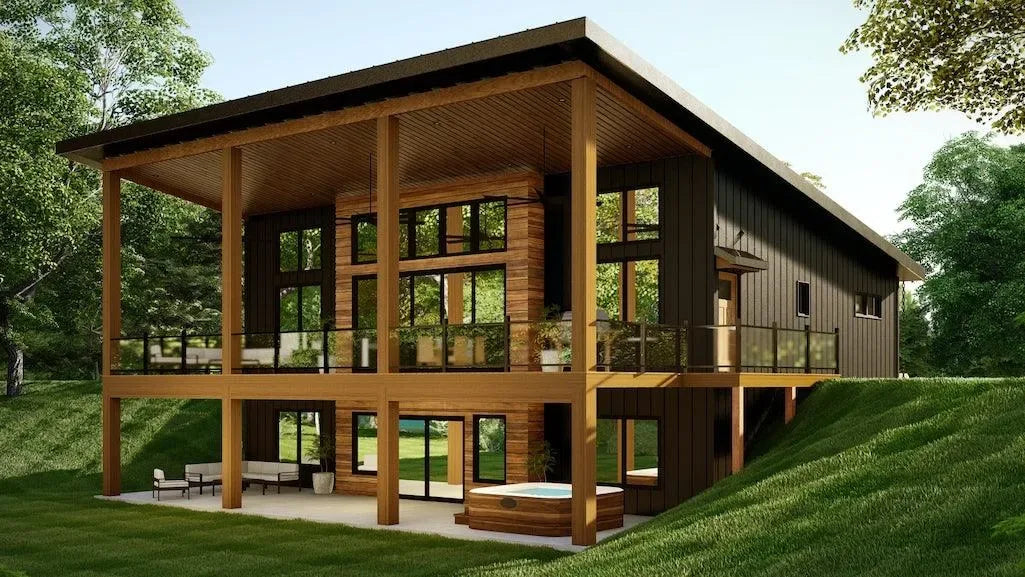
Sloped lot? Consider a walk-out basement or stepped decks.
-
Check local rules. Setbacks and HOAs can limit what you do.
-
Think views. Place big windows where you’ll actually look out—trees, a garden, or a quiet street.
7. Balance Privacy with Togetherness
You want both: places to gather and places to hide.
-
Zone noisy rooms away from bedrooms.
-
Use furniture and partial walls to create quiet corners inside open plans.
-
A small hallway or change in ceiling height can make a room feel private without building walls.
Tip: It’s OK to have a busy heart of the home and quiet pockets off to the side.
8. Bring the Outside In — Add Outdoor Living
Patios, decks, and porches add real living space. They make summer feel longer and give kids room to roam.
-
Put the patio right off the kitchen if you love grilling.
-
Covered outdoor space gives shade and rain shelter.
-
Use low-maintenance materials for decks and paths.
Outdoor living expands your usable space at relatively low cost.
9. Call the Pros — But Know Enough to Ask Smart Questions
Architects, builders, and designers save you time. They also catch problems early. Professionals can guide your search for the best floor plan.
Ask them:
-
How will traffic flow? (Can three people get through that hall at once?)
-
How will the plan age over 10–20 years?
-
What are the costs of changes later? (Moving a bathroom is expensive.)
A good pro will sketch options fast. Get a few ideas before you lock in a plan.
Final Checklist Before You Decide
-
Does the plan match how your family actually moves?
-
Are bedrooms and bathrooms enough now and later?
-
Is there a balance of open and private spaces?
-
Have you planned for light and energy?
-
Does the lot fit the plan?
-
Will the layout adapt over time?
-
Have you made sure you’ve chosen the right plan for your needs?
If you can answer “yes” to most of these, you’re close.

Quick FAQ (Plain Answers)
-
How many bedrooms should a family home have? Usually 3–4. But think about lifestyle more than numbers.
-
Why does natural light matter? It makes rooms feel bigger and happier. It can cut down on lights and heating too.
-
How can I make my home energy efficient? Face main rooms to the sun, use good windows (Low-E), and add smart lighting or shades.
Last Word — Keep It Practical, Not Perfect
A floor plan should fit your life. Not Instagram. Not trends. Your real life.
Simple rule: fix what bugs you today, and plan for one or two things you might need later. That gives you a home that’s cozy now and useful down the road.
When planning your new home, consider adding built-ins for extra storage and organization. These features help maximize space and keep your home practical.
Ready? Start by watching how you use your current space for one week. Take notes. That little habit makes all the difference.


