




















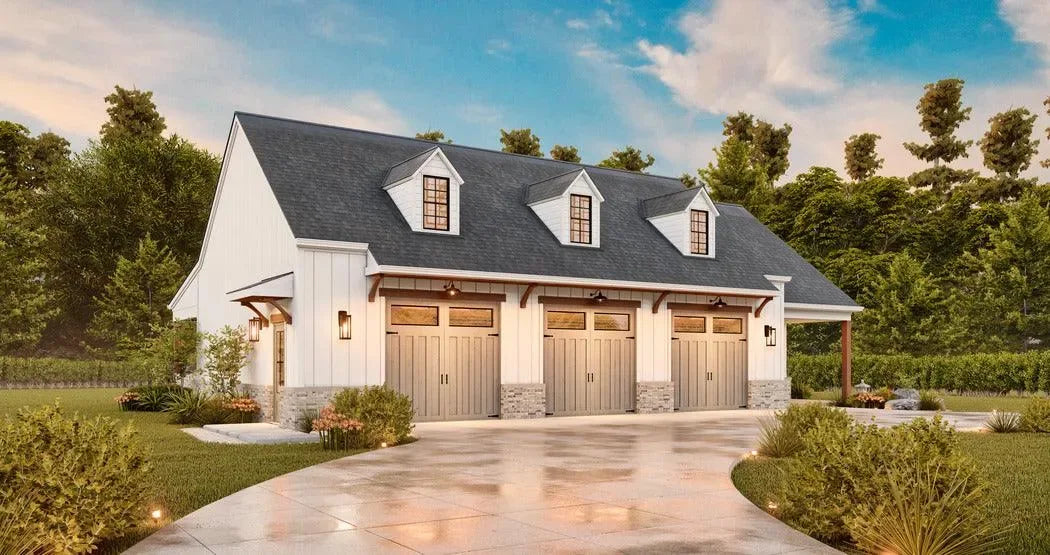


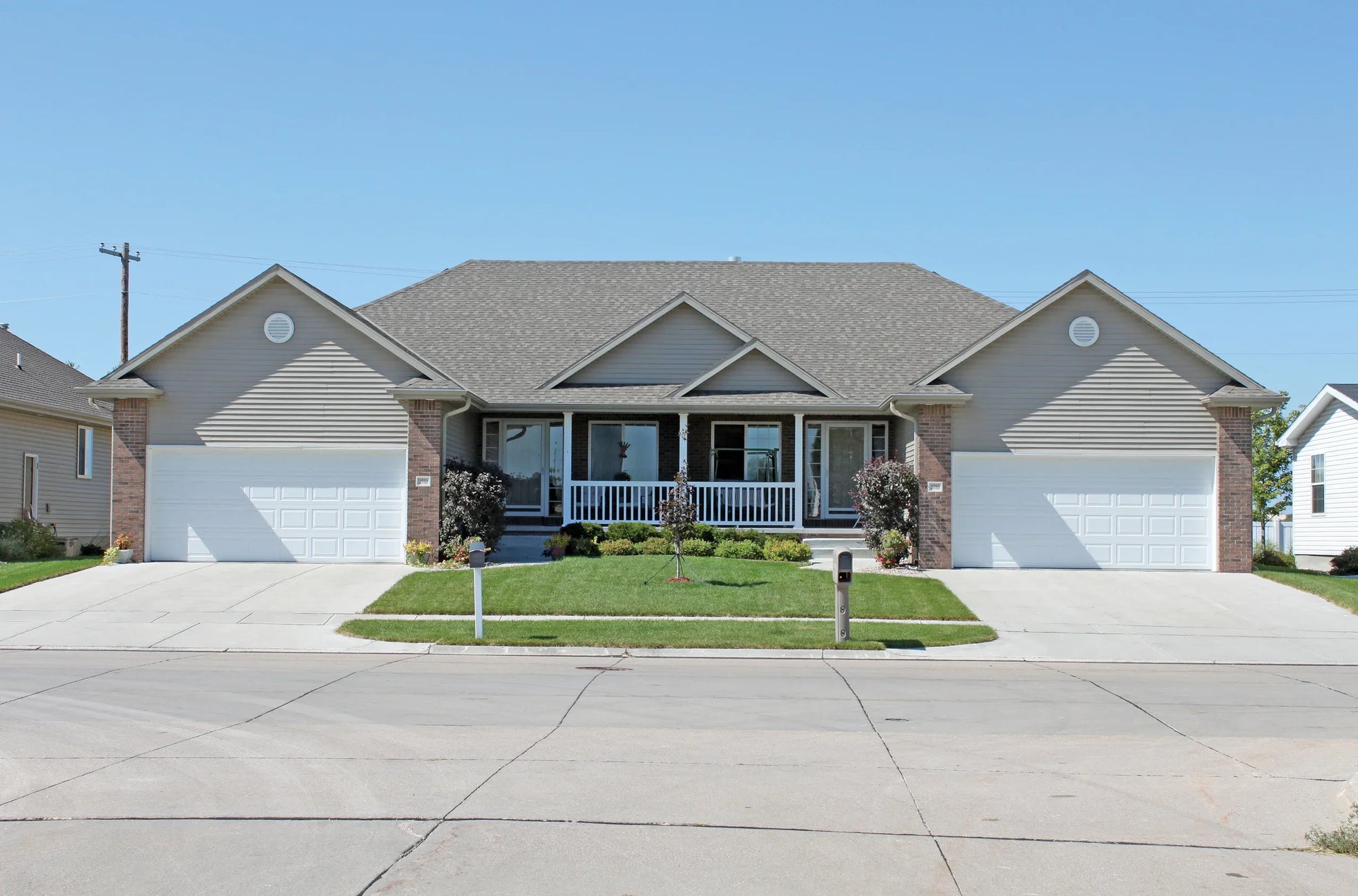


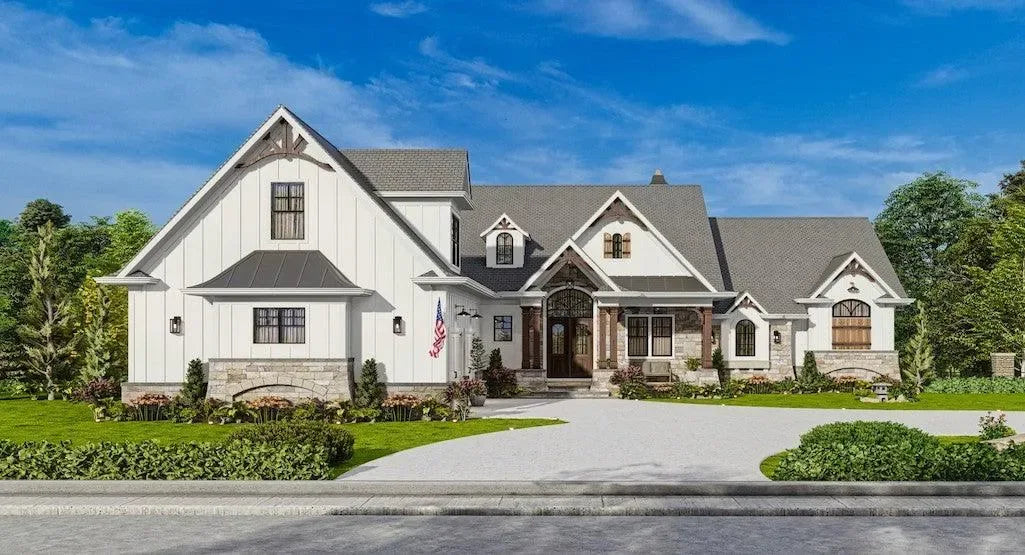


Dreaming of building your own home but worried about the cost? Are you looking for affordable house plans under 3000 sq ft? You're not alone. The good news is that a limited budget doesn't mean you have to compromise on your dream. In fact, some of the most charming, efficient, and comfortable homes are also the most affordable.
The secret often lies in choosing a well-designed plan under 3000 square feet. These homes focus on smart layouts and practical features, giving you everything you need without the extra space—and extra costs—you don't.
In this guide, we’ll walk you through the benefits of these efficient home plans, show you key design strategies to save money, and highlight some of our most popular affordable layouts. Let's explore how you can build a beautiful home that feels spacious, stylish, and—most importantly—stays within your budget.
Why a Smaller Home Plan is Your Smartest Move (Seriously)
Let's cut to the chase. When most people dream of a new home, they think "bigger." But if you're watching your budget—and honestly, who isn't?—that's the fastest way to blow it. The real dream isn't square footage; it's a home that feels great to live in without a mortgage that gives you heartburn.
That's the magic of a plan under 3000 square feet. It forces a kind of genius efficiency. You end up with a home that's smarter, not just smaller.

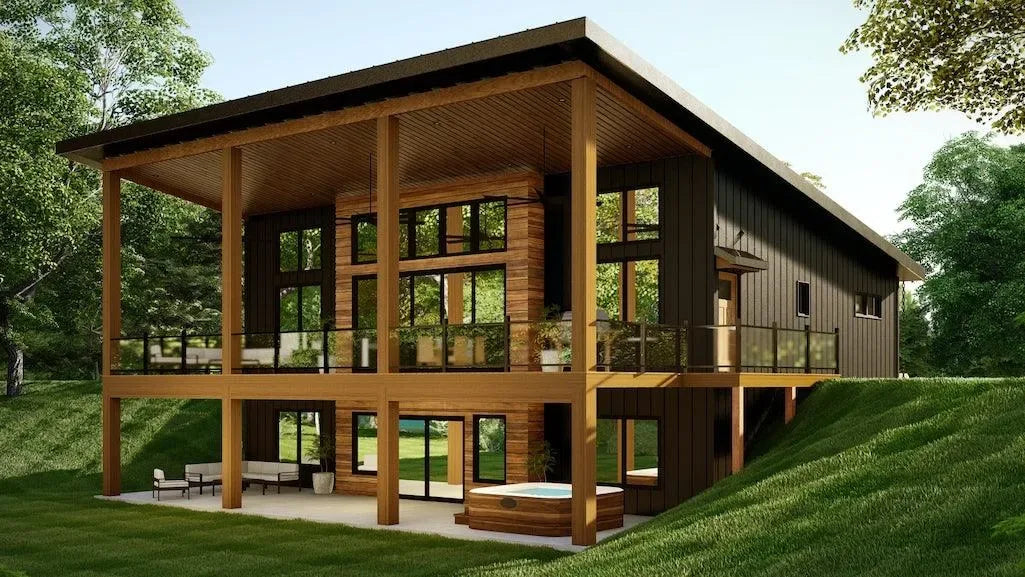
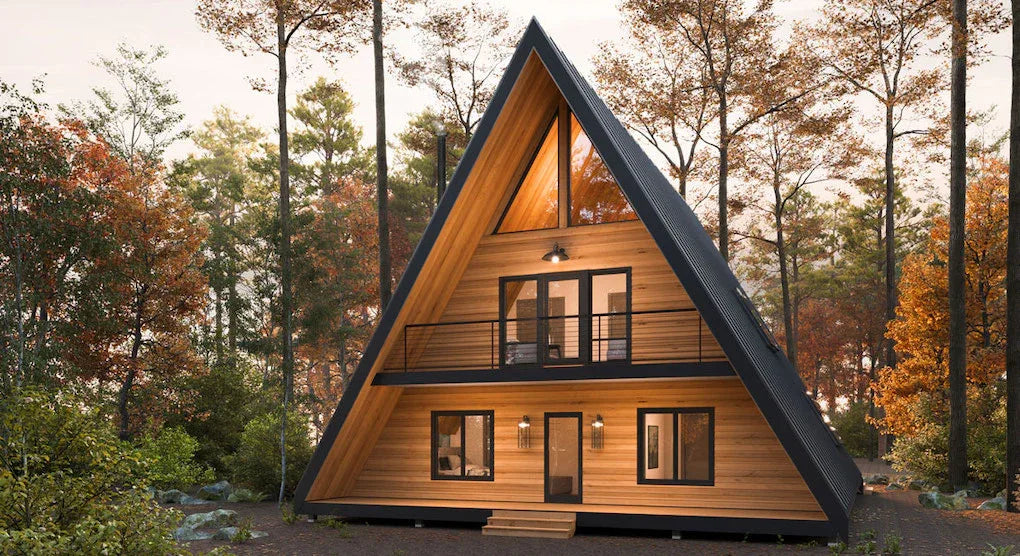
The Edenshire B House Plan - 1800 Sq Ft
Here’s the real deal on why this works so well:
1. Your Bank Account Will Thank You (Now and Later)
This is the big one, but it's more than just the sticker price.
The build itself is cheaper. Less foundation, fewer roof trusses, a smaller footprint of siding. It all adds up—fast.
Then come the utility bills. Trying to heat and cool a cavernous great room is a constant battle. A smaller, tighter home is like a cozy sweater; it's just cheaper to keep comfortable. I've seen energy bills cut nearly in half.
And let's not forget property taxes. A smaller, more modest assessed value often means a smaller, more manageable tax bill every single year. That's a long-term win.
2. You'll Actually Use Every Single Room
Ever seen a house with a "formal living room" that's basically a museum for fancy furniture? Yeah, us too. Smaller plans eliminate that kind of wasted space. They often use an open floor plan, so the kitchen, dining, and living area become one big, connected space—the true heart of the home. It’s where life actually happens.
3. It's the Ultimate First-Time Homeowner Power Play
If you're buying your first home, listen up. This is your smartest strategy. You get to stop paying your landlord's mortgage and start building your own equity, without taking on a terrifying loan. It’s not a compromise; it’s a brilliant first step on the property ladder.
The bottom line? Choosing a smaller plan isn't about giving things up. It's about being intentional. You're choosing a home that gives you your time, your money, and your peace of mind back.

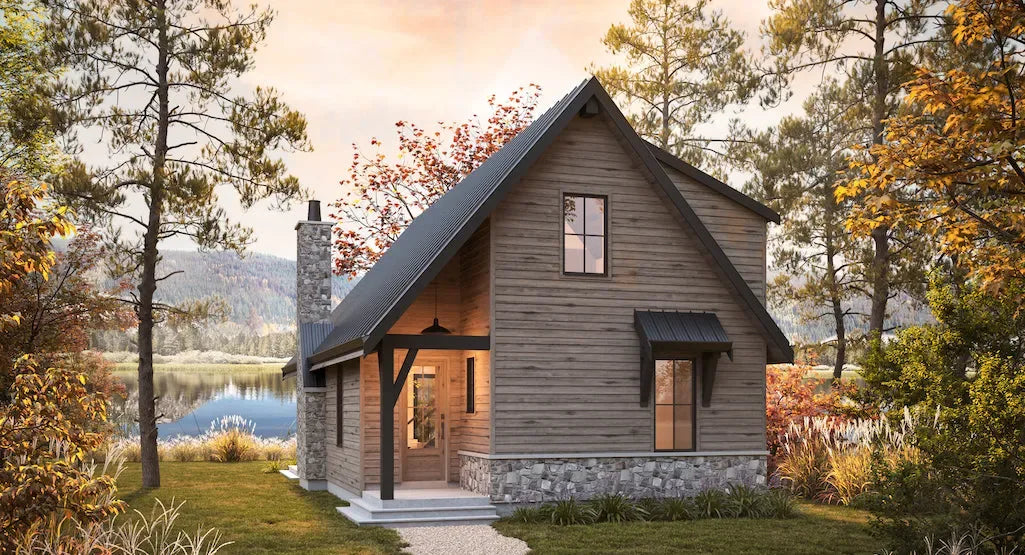
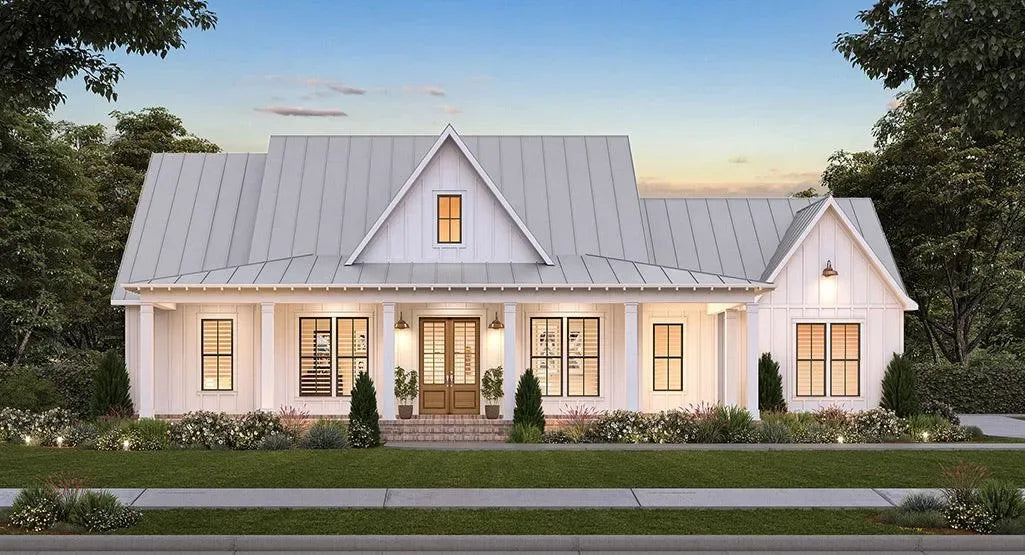
Ruby Cottage House Plan - 2600 Sq Ft
The Nuts and Bolts: How to Actually Design an Affordable Home
Okay, so you're sold on the idea of a smaller, smarter home. Now let's get into the how. This is where your choices really start to shape your budget. It's not about cutting corners; it's about making clever choices that save money without sacrificing quality.
Think of it like this: a simple, classic jeans-and-t-shirt combo can look and feel a lot better than a cheap, overly complicated outfit. The same goes for your home's design.
Here are the big levers you can pull to keep costs in check:
1. Keep the Layout Simple
Complex shapes with lots of jogs, bumps, and angles are expensive to build. A straightforward, rectangular or square footprint is your best friend. It's easier to frame, requires less complicated roofing, and generally goes up faster with less labor. Bottom line? Simple shapes save thousands.
2. Don't Underestimate the Roof
The roof is a huge cost driver. A simple gable roof with a moderate pitch is classic, effective, and one of the most affordable options out there. Those super-steep pitches, multiple dormers, and complex hip lines? They look great, but they come with a much steeper price tag (pun intended). If you're on a budget, keep the roof design clean.
3. Be Smart with Your Ceiling Height
We all love the drama of a vaulted ceiling, but it dramatically increases the volume of your home (and your heating bill). Sticking with standard 9-foot ceilings on the first floor and 8-foot on the second is a perfectly comfortable and very cost-effective choice. It's one of those places where a small adjustment makes a big difference in the final cost. For inspiration on layouts and styles, check out these French and European country house plans.
4. Think “Efficient,” Not “Extravagant” with Features
This is about being intentional.
-
Windows: A few well-placed, standard-sized windows are better than a dozen tiny, custom-shaped ones.
-
Plumbing: Group your wet areas (kitchen, bathrooms, laundry) together. The shorter the pipe runs, the less you'll pay the plumber.
-
Materials: You don't need imported Italian tile in the guest bathroom. Durable, quality materials that are readily available will do the job beautifully and keep you on budget.
The goal here: be a savvy homeowner, not a minimalist monk. Spend where it counts and save where it doesn’t.
 Sweet Magnolia House Plan - 2400 Sq Ft
Let's Look at Some Popular Small Home Styles
So what does an affordable, under-3000-sq-ft home actually look like? The beauty is, they come in all sorts of styles. You're not stuck with a boring box.
The Charming Cottage
Think cozy. These plans often have steep roofs, inviting front porches, and an efficient use of space that just feels like home. For those who want extra light and living space, consider daylight basement house plans. They’re perfect for creating a warm, welcoming vibe without a massive footprint.
The Sleek Modern Farmhouse
You know the one—siding, metal roofs, big windows. The good news is, this style translates beautifully to smaller square footages. The open floor plans and simple forms are naturally budget-friendly.
The No-Fuss Ranch
Don't overlook the humble ranch! Having everything on one level is incredibly efficient. There are no stairs to build, which saves money and makes the home accessible for everyone. It’s a workhorse of a design.
The Two-Story Classic
If you have a smaller lot, building up instead of out is your secret weapon. You get a smaller foundation (saving money) but still get plenty of living space by stacking the bedrooms on top of the common areas.
The point is: your budget doesn't dictate your style—it just demands a little more creativity.

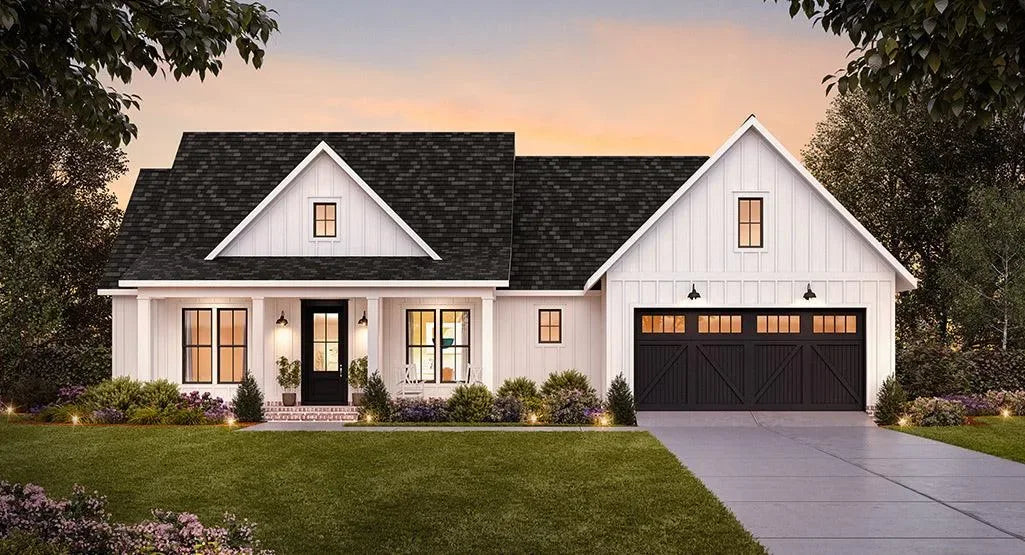
Blueberry Ranch Farmhouse Plan - 2200 Sq Ft
Pro Moves to Save Money During Construction
This is where the rubber meets the road. You've got your plan; now how do you build it without surprises?
Get Your Hands Dirty (A Little Bit)
I'm not saying you should try to wire the house yourself. But there are plenty of tasks you can take on after the pros are done to save on labor costs. Think painting, laying flooring, installing trim, or landscaping. A weekend of sweat equity can save you thousands.
Choose Your Builder Wisely
This is a big one. Don't just go with the cheapest bid. Find a builder who specializes in efficient, smaller homes and understands your budget goals. They’ll know where to source good-value materials and how to avoid expensive mistakes. Ask to see their past project plans—if they only build mansions, they might not be the right fit.
Order Smarter, Not Just Cheaper
Work with your builder to order materials in standard sizes. Custom-cut windows, special-order tiles, and non-standard lumber lengths come with a huge premium. Designing around what's readily available at your local supplier is a simple way to keep costs down.
Think Long-Term: Energy Efficiency That Pays You Back
Saving money isn't just about the initial build. It's about the cost of living in your home for the next 30 years.
Seal It Up Tight
The biggest energy waste comes from drafts and poor insulation. Spend a little more here on high-quality windows, good insulation, and proper air sealing. It’s not glamorous, but it’s like putting money in the bank. You'll feel more comfortable and your future self will thank you every month when the utility bill arrives.
Go for Smart Appliances
An ENERGY STAR-rated dishwasher or heat pump water heater might cost a bit more upfront, but they sip energy compared to older models. Over their lifespan, they'll easily pay for themselves.
Position Your House for the Sun
If you can, orient your main living areas to the south to capture free heat and light from the winter sun. It’s a simple, no-cost design decision that can have a real impact on your energy use.
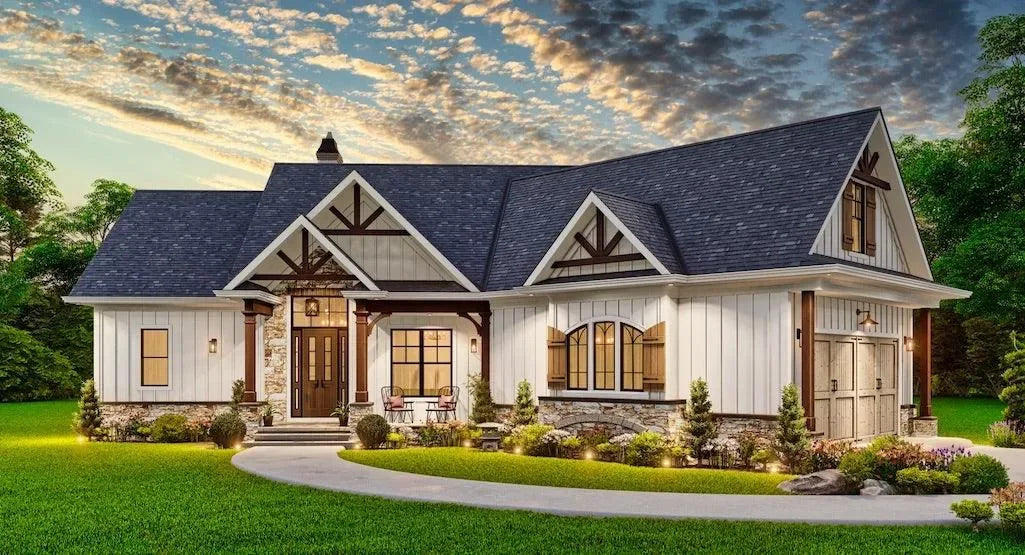
 Haystack IV House Plan - 2000 Sq Ft
The Takeaway: Your Affordable Dream Home is Waiting
Building an affordable home isn't about sacrifice. It's about making smart, intentional choices from the very beginning. It's about choosing a plan that's the right size for your life, designing it simply and efficiently, and building it with quality and your future comfort in mind.
The result? A home that’s truly yours—without the financial stress.
Ready to find your perfect plan?
We have a wide variety of affordable, under-3000-sq-ft home designs to explore. Browse our collection here and start turning your dream into a reality
Frequently Asked Questions
What are the benefits of choosing affordable house plans under 3000 sq ft?
Choosing affordable house plans under 3000 sq ft ensures significant cost savings in both construction and maintenance, while also promoting energy efficiency and practical layouts. This makes them particularly suitable for first-time homebuyers and those with budget constraints.
How can I reduce construction costs when building an affordable home?
To reduce construction costs for an affordable home, focus on simpler designs, utilize local materials, group plumbing fixtures efficiently, and consider prefabricated components. These strategies can significantly lower your overall expenses while still achieving your housing goals.
What are the advantages of open floor plans?
Open floor plans create a sense of spaciousness, foster social interactions, and allow for better natural light distribution, resulting in a more inviting atmosphere. These features can significantly enhance the overall livability of a home.
How can I incorporate extra space into my affordable house plan?
To incorporate extra space into your affordable house plan, consider adding basements or attics, as they can provide versatile living areas for recreation, storage, or even home offices. This approach allows you to maximize your home’s functionality without major renovations.
What financing options are available for budget-friendly home construction?
USDA loans under the Section 504 program offer budget-friendly financing with a low fixed interest rate of 1% for low-income homeowners, allowing for up to $50,000 in assistance through combined loans and grants. This is a viable option for those looking to construct a home within a limited budget.


