


























Building a new home is an exciting prospect, but it's by no means a quick or simple task. Land, labor, materials, and architectural plans are crucial elements to consider, and the average "cost per square foot" is increasingly difficult to pinpoint.
While a typical cost to build a 2000 sq ft house is between $200-$500 square foot, exact costs rely heavily on the location and design choices you make. Understanding costs fully is a crucial first step to building your dream home.
Keep reading for a complete guide on the real cost to build a 2,000 sq ft home.
Average Cost to Build a 2000 Sq Ft House
 The national average cost range to build a 2,000 square foot home is between $250,000-$500,000.
This works out between $125-$250 per square foot, but it's important not to take these figures as exact, as the expected cost per square foot could be as much as $200-$500.
Exact costs are heavily influenced by the location, the builder, materials used and their availability, and the complexities of the house plan design. The additional amenities, architectural features, and interior design also have a part to play.
It's why two 2,000 sq ft homes could have completely different budgets.
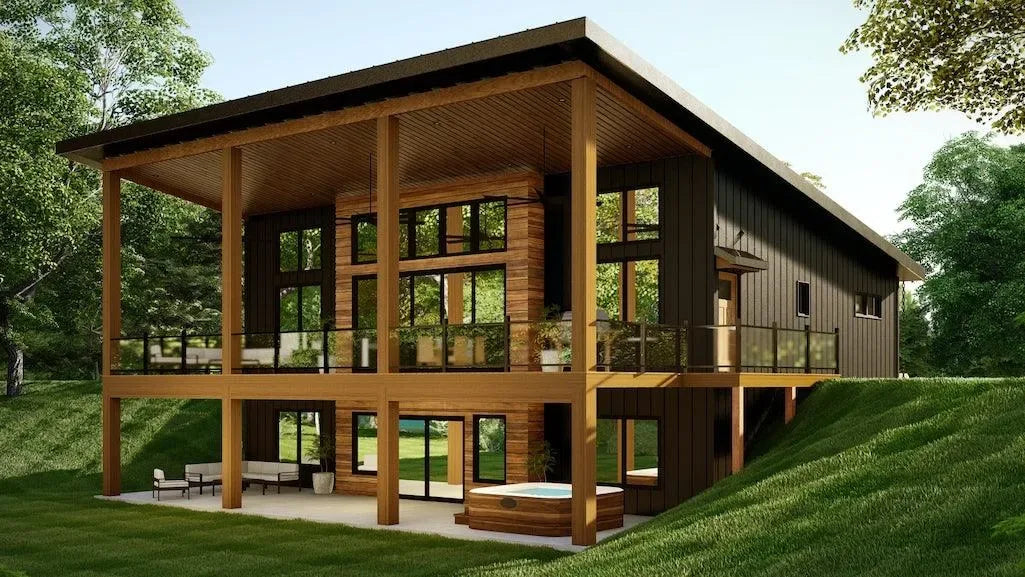
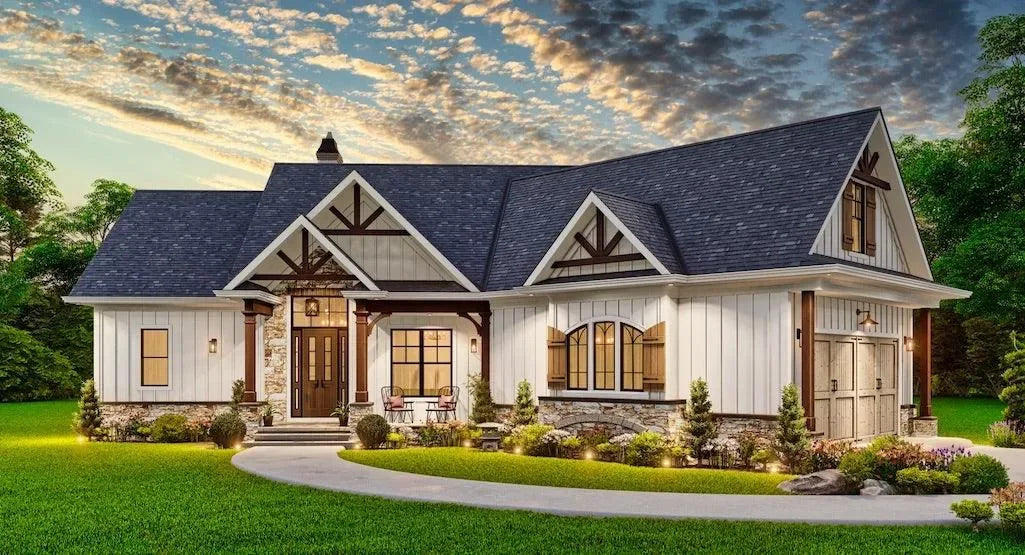
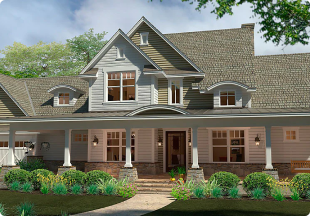
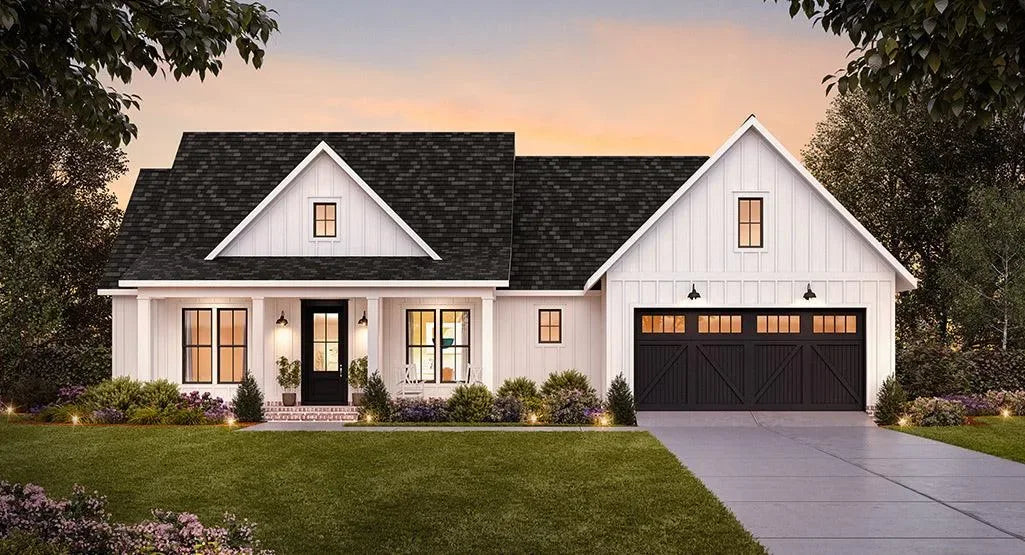
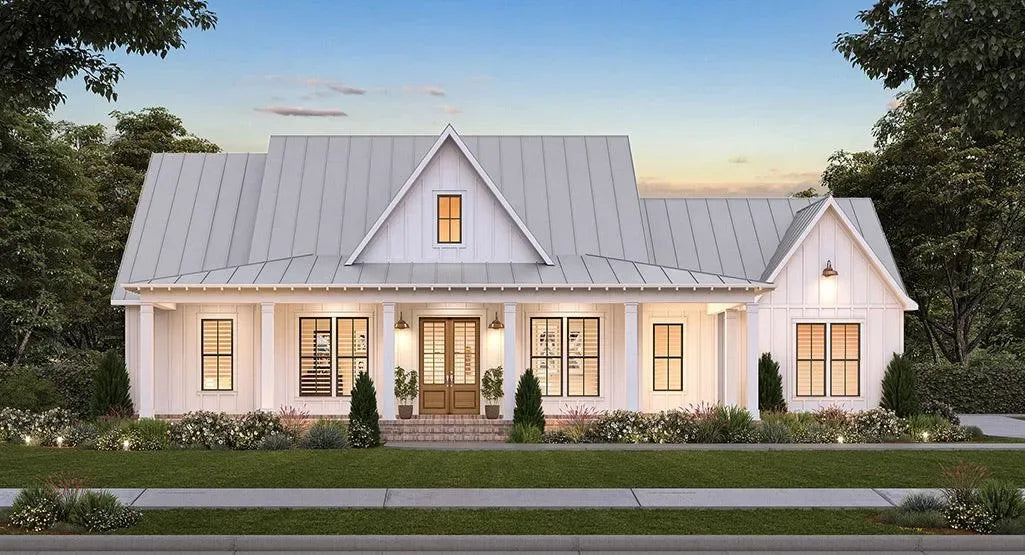
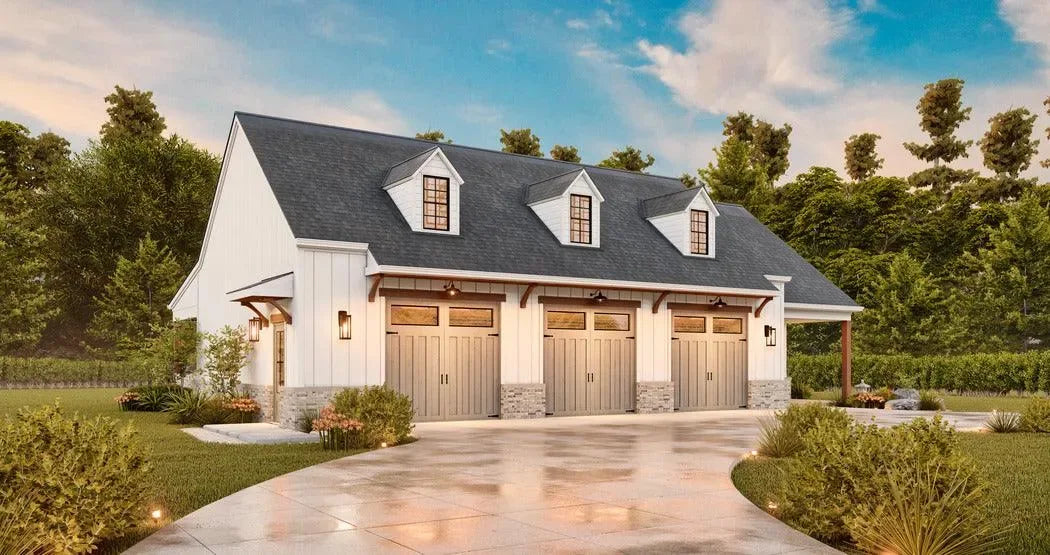
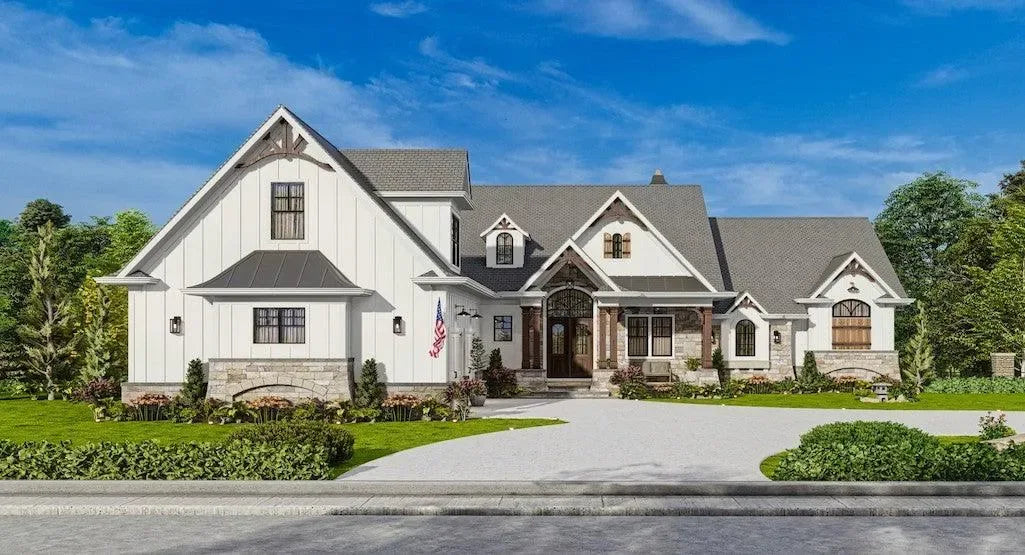
For example, take the Strawberry Gardens House Plan vs the Chamberlain Barndominium House Plan. Even though both plans are similar in heated square footage (2,016 vs 2,017 sq ft), the Strawberry Gardens home might cost more overall.
This is because it has an extra bedroom and more interior complexity, with its second floor and traditional residential style roof, compared to the barndominium's simpler open-plan structure and barn-style envelope. Generally, the former can cost more to build than the latter.
Land Acquisition and Site Preparation Costs
There are three main areas to consider when planning a 2,000 sq ft house building cost; land purchase prices, preparation costs, and financing fees.
Land Purchase Costs
Land purchase costs can vary dramatically based on location, zoning, and lot size, with ranges between $3,000-$150,000+. The city and state matters, but so do site specifics, like utility access, school districts, and nearby amenities.
In rural areas, smaller parcels of land could start at the lower end, between $3,000-$10,000, but increase based on state growth. Quiter areas in Arkansas or New Mexico, for example, could range between $5,000-$20,000, whearas similar size lots in rural areas of Texas or Florida could cost significantly more.
The highest prices can be expected in major cities or suburban areas with good access to the city. Take Denver or Seattle, urban lot prices can exceed $150,000, while Nashville or Phoenix suburbs can range between $40,000-$100,000.
Land Preparation and Site Work
Site preparation is an important part of budgeting for new home construction. These costs are completely lot-specific and could be in line with the averages - or significantly higher.
"Basic" land preparation costs can fall between $20,000-$60,000, which includes:
-
Land survey
-
Soil testing / geotechnical report
-
Permits and impact fees
-
Site clearing and basic excavation
-
Foundation work (slab, crawl space, or basement)
-
Utility connections (water, sewer or septic, electric, or gas)
-
Driveway installation
-
Drainage management
The costs of site-specific preparations can vary widely, and budgeting for these while browsing for lots is key to staying on budget. For example, costs can include:
-
Tree removal and stump grinding (for heavily wooded lots)
-
Extensive grading or retaining walls (for sloped lots)
-
Rock blasting (for rocky terrain)
-
Well drilling (if no municipal water)
-
Septic system installation (if no sewer access)
-
Soil remediation or engineered fill (for poor soil conditions)
-
Floodplain mitigation
-
Environmental studies (in wetlands or protected areas)
-
Long utility runs (if utilities are far from the build site)
-
Road extension or easements (to improve access)
Financing Land and Prep Costs
Building a 2,000 sq ft house requires sufficient funds to cover the different phases, from purchasing the lot to preparing the site and completing construction. Most loans require a down payment between 10-25%, and common options are usually a home construction loan, land loan, or construction loan:
-
Home construction loans: Cover the costs of the land purchase, site preparation, and construction - covering all costs in one loan. Most borrowers opt to pay interest-only payments during construction and traditional mortgage payments once the development is finished.
-
Construction loan: A construction loan covers the cost of construction, but you can include the costs of the land in a construction loan if you buy the land at the same time.
-
Land loan: If purchasing land separately, you'll need a land loan. This can impact qualifications for the construction loan, but you can often use the equity in the land you own as the down payment.
Key Construction Cost Factors That Affect Your Budget
 The main cost factors that affect your budget are the material prices, labor/contractor costs, and details of the house plan you have in mind.
Construction Materials
The cost of construction materials can heavily influence final budgets, and it's important to assess how your house plan design influences the materials used. Roofing and siding materials, in particular, can have the biggest impact.
-
Lower end budgets: Asphalt shingles for roofing and vinyl for siding, which are lower cost with a 15-20 year lifespan.
-
Mid-range budgets: Architectural shings for roofing and fiber cement for siding are modern, durable, and can last 25-30 years.
-
High-end budgets: Metal, clay, tile, or slate for roofing and brick veneer, natural stone, or cedar offer a premium appearance and can last up to 100 years with good maintenance.
Labor and Contractor Costs
You can usually expect to spend 30-50% of the total construction costs on labor. Prices per region can vary significantly, especially for skilled traders - like electricians, plumbers, and roofers. Shortages in labor can lead to higher rates, and the more complex your house design, the more labor hours are needed.
General contractors charge fixed fees or a percentage of the total build cost (usually between 10-20%). They act as your project manager and coordinate subcontractors, scheduling, inspections, and material orders. They also track budgets and ensure alignment with relevant building codes.
House Size, Complexity, and Design
Design elements that can significantly influence a 2000 sq ft house building cost include:
-
Layout: Simple, rectangular layouts and open-concept floor plans generally cost less. Split levels, multi-wing designs, curved features, and plumbing spread across the home can cost more.
-
Design complexity: The more custom, bespoke, and grand, the higher costs can be. Architectural details, large windows, specialty doors, and mixed exterior detailing increase costs - where standard sizes, symmetrical designs, and minimal structural requirements.
-
Rooflines: Lower-cost options include gable, hip, and lower-pitch roofs with fewer intersections. Higher cost options include steep roofs, mixed materials, decorative features, and multi-peak structures.
-
Ceiling heights: Vaulted ceilings, cathedral ceilings, and coffered ceiling details add to build costs, while standard 8-foot ceilings and flat designs bring prices in line with what's typical.
-
Footprints: The larger the footprint, the more materials, foundations, and finishing costs will be.
House Plans and Design Cost Considerations
House plan costs range between $500-$20,000+. Higher prices can be attributed to house plans with large modifications and customizations - like increasing square footage, adding multiple luxury amenities, and changing finishes to a more premium style.
However, smart design can reduce construction costs - namely by minimizing waste and ensuring build efficiency. Custom house plans can also integrate long-term efficiency, like reducing energy costs and long-term maintenance through smarter, durable designs.
While investing in custom designs and leaving higher budgets for house plans isn't always necessary, it can have its benefits in the long run for certain build projects.
Step-by-Step Construction Process and Cost Breakdown
For a guide on the overall cost breakdown when building a 2,000 sq ft home, see our overview below.
Pre-Construction and Foundation
Estimated total: Between $20,000–$60,000+.
-
Permits and fees: $1,000–$5,000
-
Utility hookups: $5,000–$20,000
-
Site prep and excavation: $5,000–$20,000
-
Foundation: Slab between $8,000–$20,000, crawl space between $15,000–$30,000, and basement between $25,000–$60,000.
Framing and Structural Work
Estimated total: Between $30,000–$70,000+.
-
Framing labor and materials: $20,000–$50,000+
-
Roof framing and sheathing: More complex projects and designs can have extra costs between $10,000–$20,000, depending on complexity.
Plumbing, Electrical, and HVAC Installation Costs
Total system cost range: Between $10,000–$30,000+.
-
Plumbing, piping, fixtures, and labor: $1,000–$5,000+
-
Electrical wiring, panels, and lighting: $2,000–$10,000+
-
HVAC systems: Total costs can vary between $7,000-$15,000, depending on the system. More expensive systems offer better energy-efficiency, whereas standard systems have a lower installation price.
Interior Finishes and Final Build Costs
 Estimated total: Between $30,000–$100,000+.
Deciding on the interior finishings is a pivotal moment in the design and build phase, but with a range of options available, budgets can feel the strain.
For example, hardwood flooring throughout a 2,000 square foot home can see build costs increase dramatically compared to more affordable options, like laminate, carpet, and luxury vinyl.
As a general guide, costs to finish a 2,000 sq ft home can range between:
-
Flooring: $3,000–$15,000+
-
Cabinets & countertops: $5,000–$20,000+
-
Interior doors & trim: $5,000–$15,000
-
Painting: $5,000–$15,000
-
Fixtures: $3,000–$10,000
How Finish Choices Affect Resale Value
The finishing touches can be what adds the most to your resale value, especially if the property is based in an area with high resale potential. Consider what options are long-lasting, durable, and value-adding. For example, hardwood flooring vs laminate flooring can significantly increase resale value.
Budgeting Smart: Managing and Reducing Build Costs
The key to managing and reducing home construction costs is to plan ahead. The Devil is in the detail, and you're better off making smart decisions early to protect your budget and prevent unexpected fees later down the line.
As a general guide, it's good to:
-
Create a realistic construction budget: Seek expert input and research prices in your chosen location to build a good estimate for your construction cost. Consider how the house plan you choose will influence initial build cost as well as any site-specific requirements.
-
Build in a contingency fund: Contingency funds are essential for any construction budget, and these can be incorporated into home construction loans and other financing options. A good contingency for a 2,000 sq ft building is usually around 10-20%.
-
Monitor costs throughout construction: A good general contractor or project manager will monitor costs throughout the build and continuously update the budget to ensure you're on track.
-
Invest in inspections: Inspections at essential stages of the build process can spot mistakes or risks early and prevent costly fixes and maintenance in the future. Common inspections include foundation, framing, roofing, plumbing, electrical, HVAC, insulation, and windows/doors.
-
Avoid common budget overruns: A lack of inspections, poor planning, changes in design, and costly interior finishes can lead to budget overruns. Undertaking sufficient research and ensuring an adequate contingency (20% is the safest) prevents budget overspend.
What Is the Cheapest Type of House to Build?
The most affordable way to build a home is often prefabricated or modular construction, which can cost as little as $20–$50 per square foot for basic models. These homes are built in a factory and then assembled on-site, which saves on labor, materials, and contingency funds.
However, there are some drawbacks. While the build timeline is quicker and costs are lower, prefab doesn't always offer the same level of customization. Plus, hidden costs can quickly increase budgets to traditional build levels - like lot-specific remedies for the land, foundation, or utilities.
Frequently Asked Questions About 2000 Sq Ft House Costs
How Big of a House Can I Build For $100,000?
Based on a $125-$500 build cost per sq ft, you can likely build a house between 200-800 sq ft. Prefabricated properties are considerably cheaper to build, which, based on $20-$50 per sq ft build costs, could build you a house 2,000 sq ft+, depending on finishings, location, and lot requirements.
Is $500,000 Enough to Build a House?
Yes, a $500,000 budget is sufficient to build a house, which, depending on the style of home and the complexity of the design, could build you a home between 1,000-4,000 sq ft.
Is $250,000 Enough to Build a House?
You can build a modest-sized home with a budget of $250,000, with estimated build prices suggesting you can develop a property between 500-2,000 sq ft.
Location heavily influences the costs of construction, labor, materials, land price, and permits/inspections, so you'll need to consider this carefully with a budget of around $250,000.
Is $100,000 Enough to Build a House Today?
A budget of $100,000 can be enough to build a house today in the United States, but you'll need to plan and budget very carefully to keep costs minimal and on track. There are many ways to keep costs down, and choosing a pre-fabricated home in an area with affordable land prices is key.
Is It Cheaper to Buy or Build a House in 2025?
Buying a home is generally cheaper compared to building a home, but it really depends on the specifics of the house you're looking to build/buy and the area you want to live in.
In an "ideal" location, lot prices, labor costs, materials, and building fees can mean it's cheaper to build vs buy - especially if you're willing to opt for a lower cost house plan and design.
However, in areas where land is more expensive and labor/materials are in high demand (like in big cities or popular suburbs), buying a home can be a more affordable option.
It's important to consider the impact of financing a home you've bought with a residential mortgage rather than with a home construction loan. Land and construction loans tend to have higher interest payments compared to residential mortgages, leaving you with higher costs long-term.
Conclusion: Is Building a 2000 Sq Ft House Worth the Cost?
Building a 2,000 square foot home is absolutely worth the investment - but only if you carefully evaluate and plan for the costs. Location, lot requirements, materials, labor rates, and financing play a bigger role than just the base price per square foot.
That’s why planning always beats guessing. The more detailed your prep, the more confident and controlled your budget will feel. For first-time builders especially, the smartest next step is to plan designs with experts, seek professional estimates, and talk with lenders early.
Careful planning today leads to fewer stress points tomorrow - alongside a home that feels worth every dollar invested. For support with any of our 2,000 sq ft house plans and cost to build estimates, contact our team – we can help with customizations, modifications, and advice on finding your dream home.


