AB8086-A
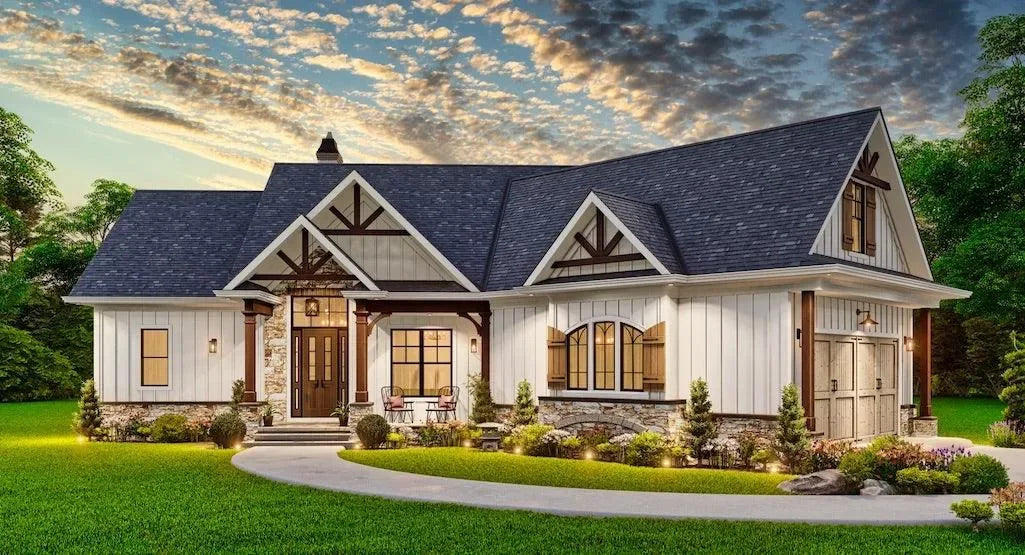
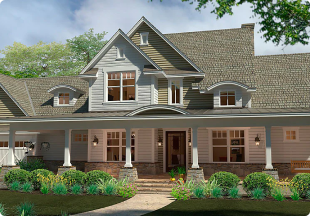
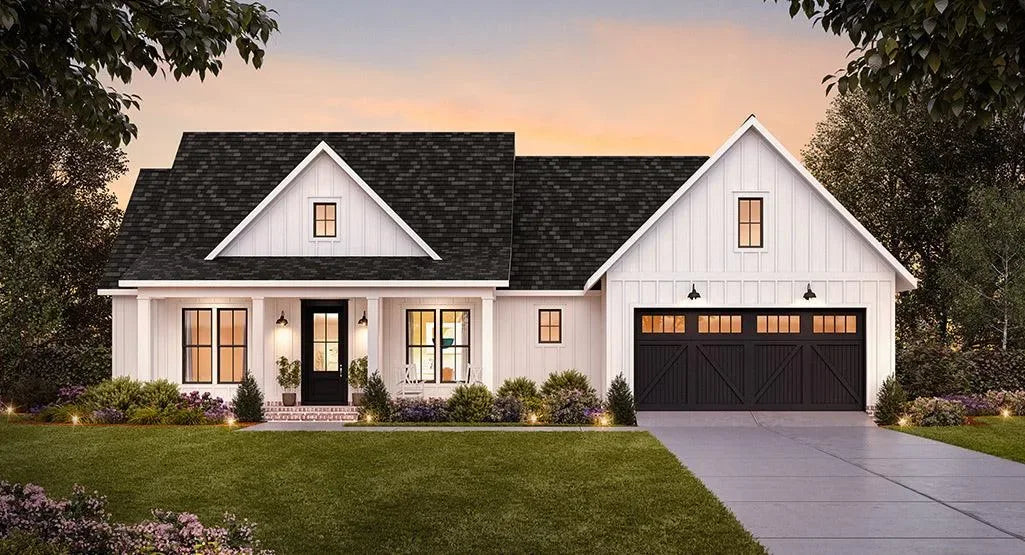
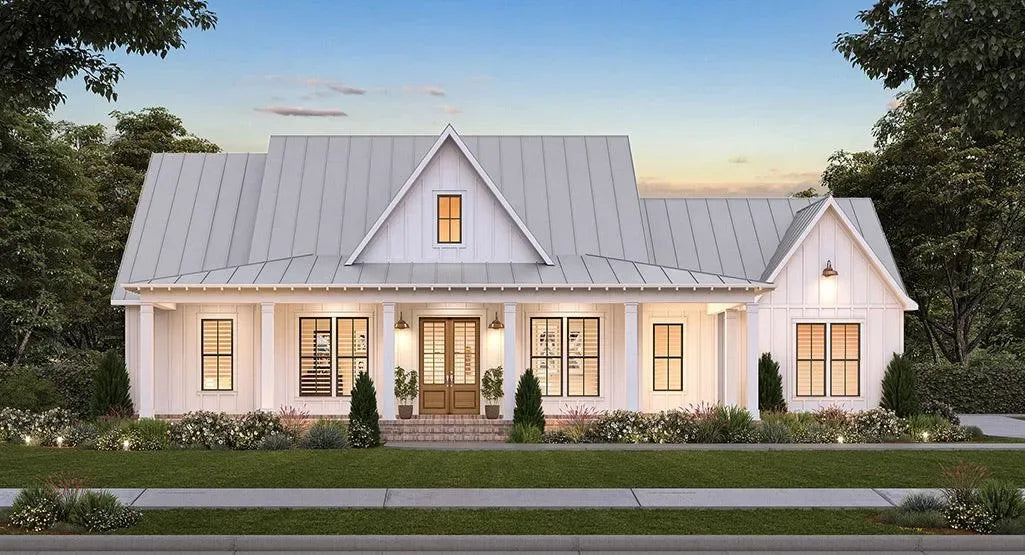
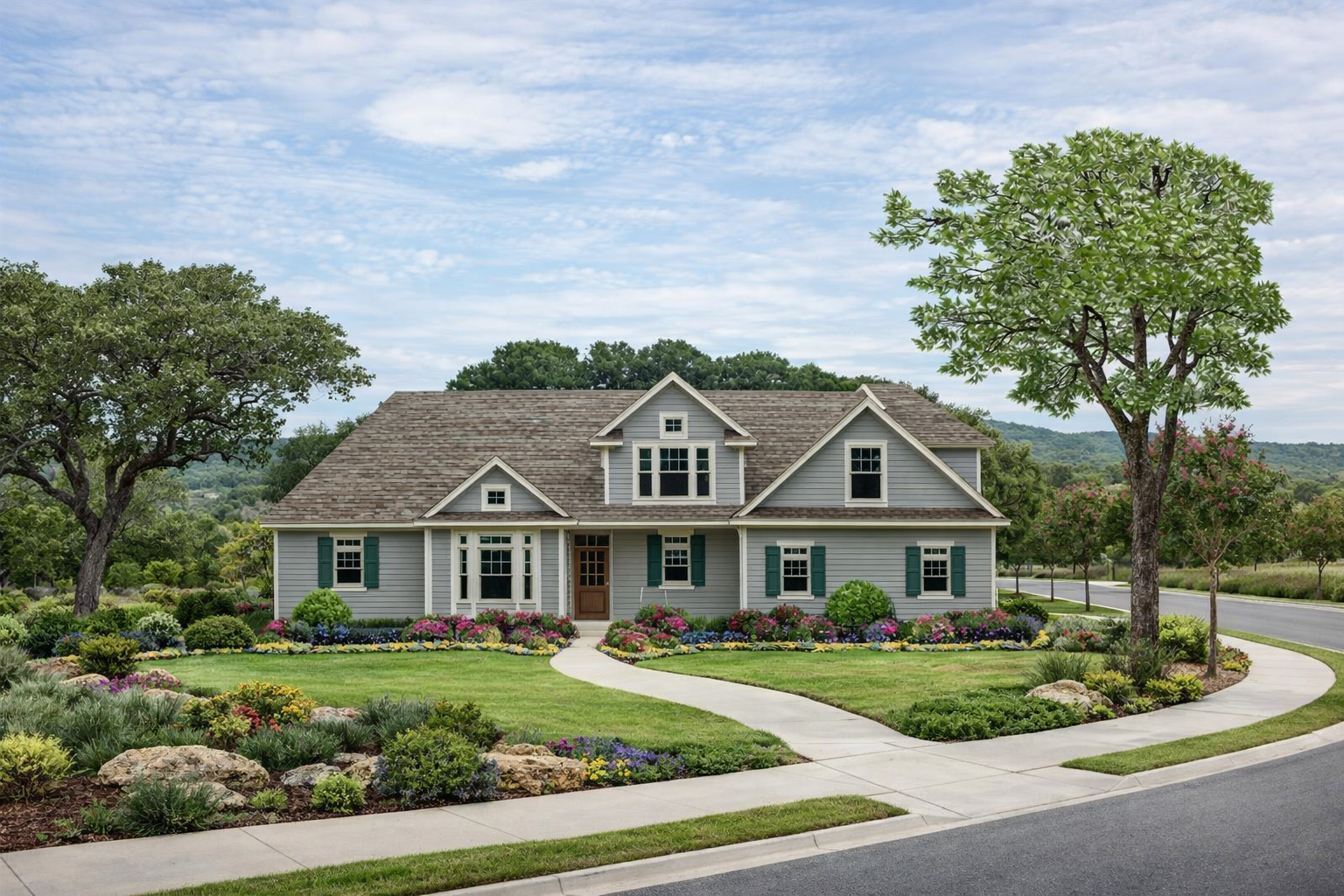
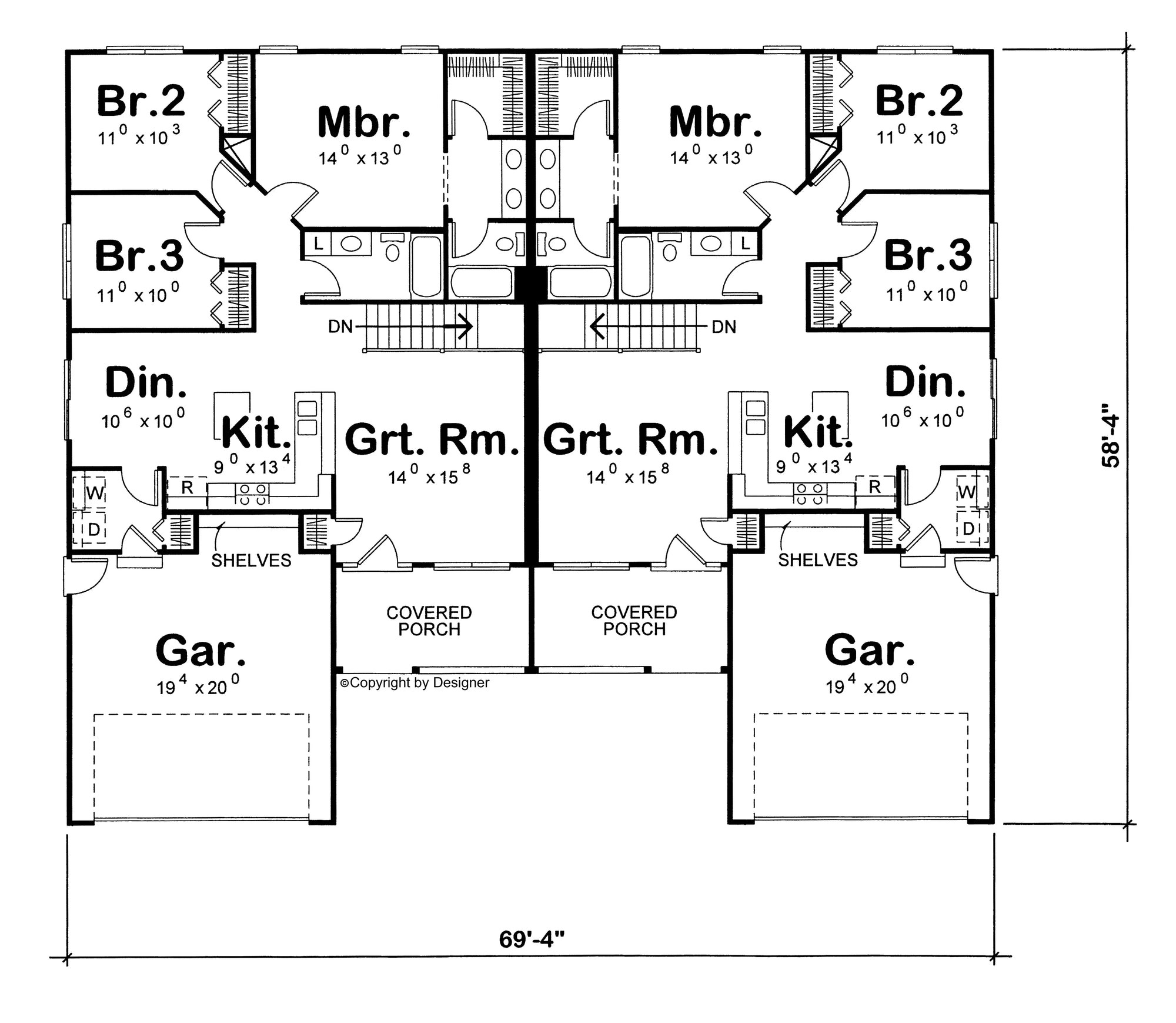
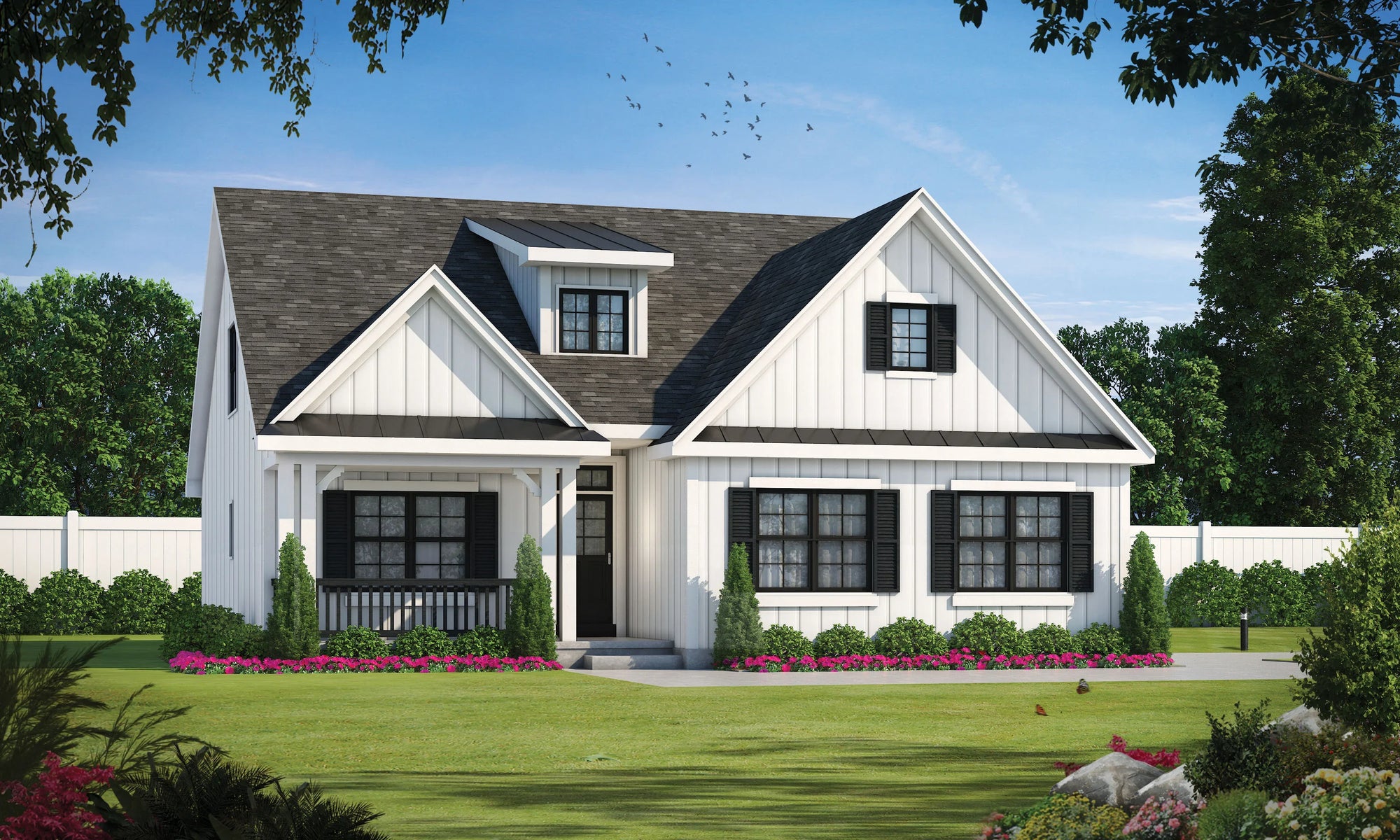
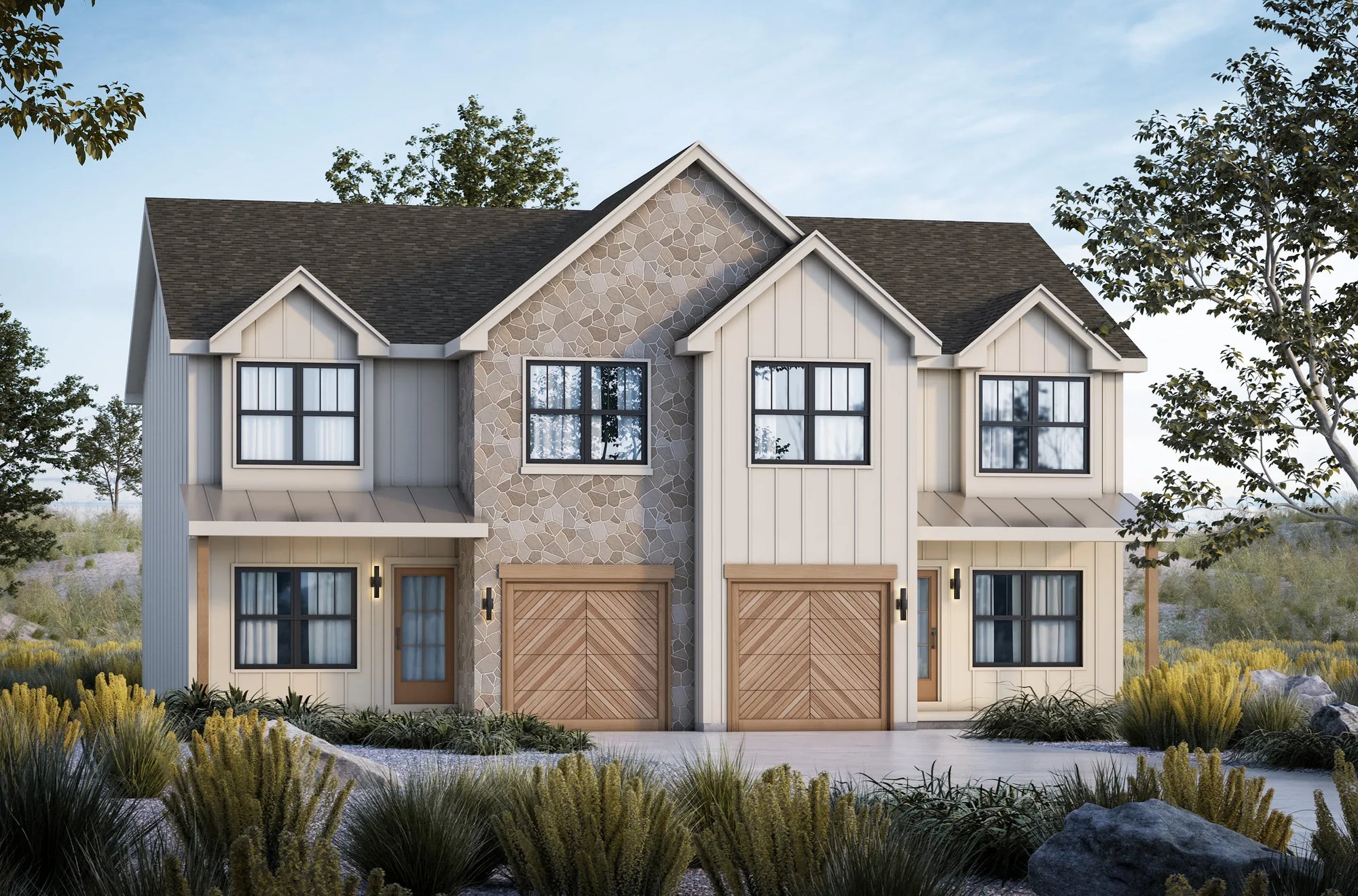
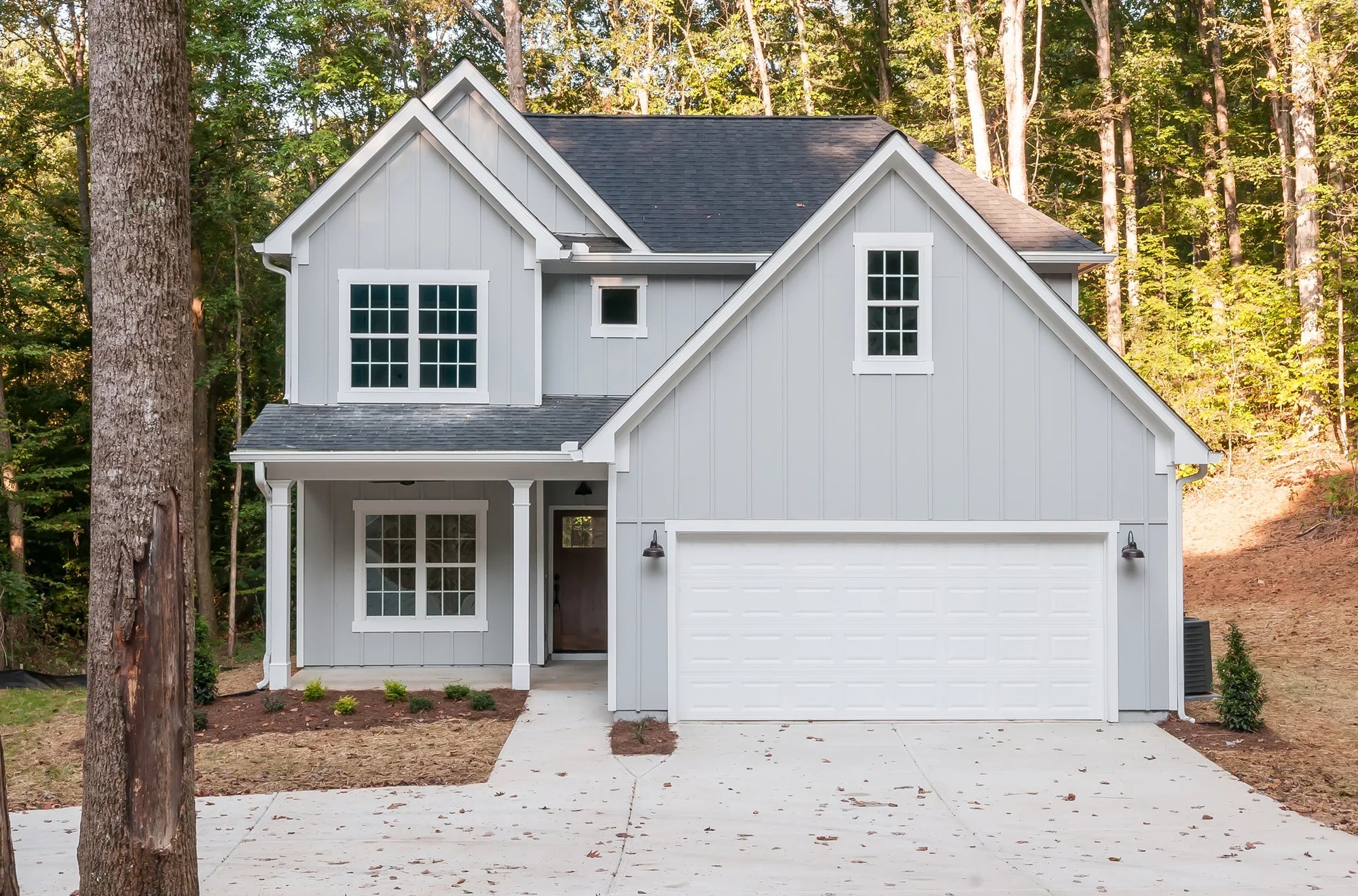
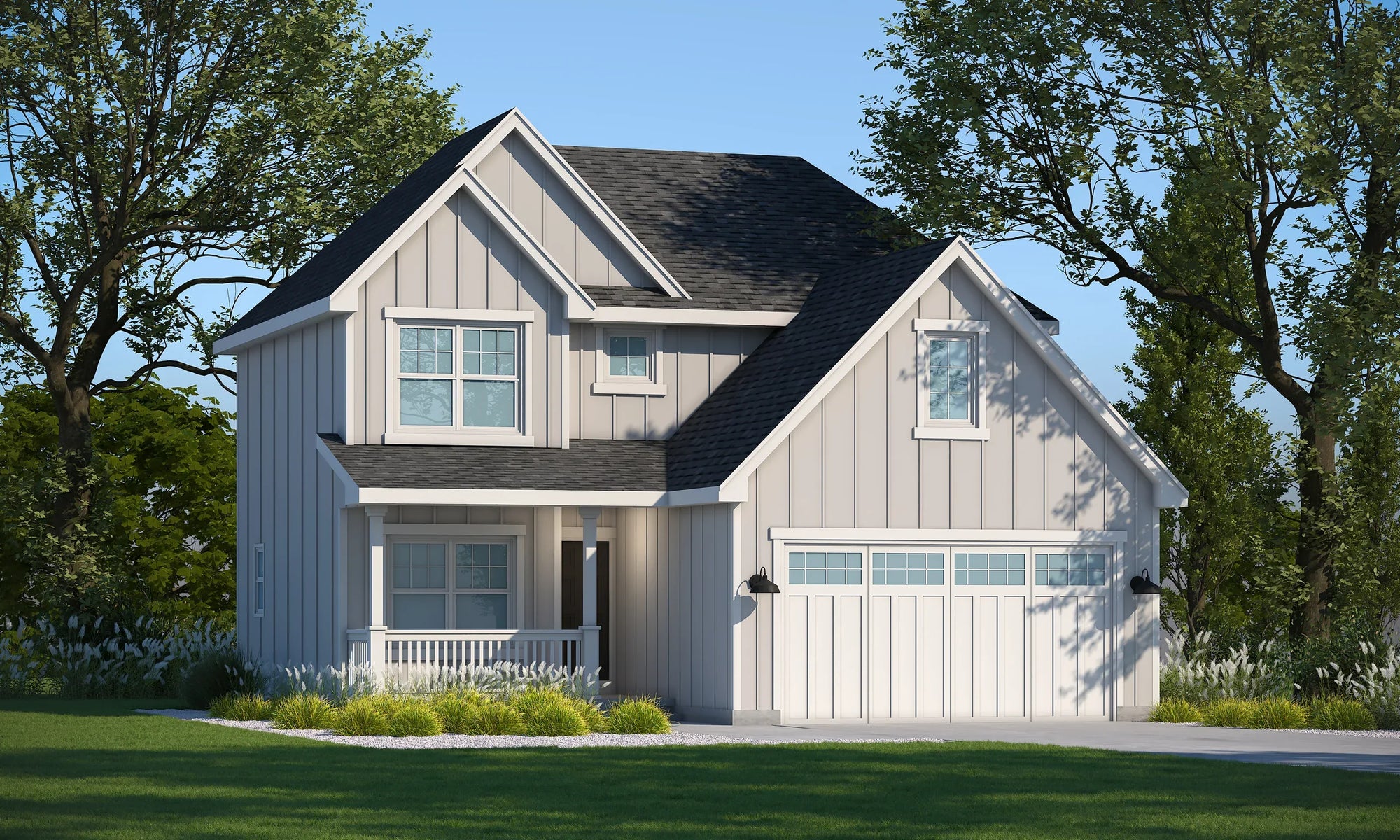
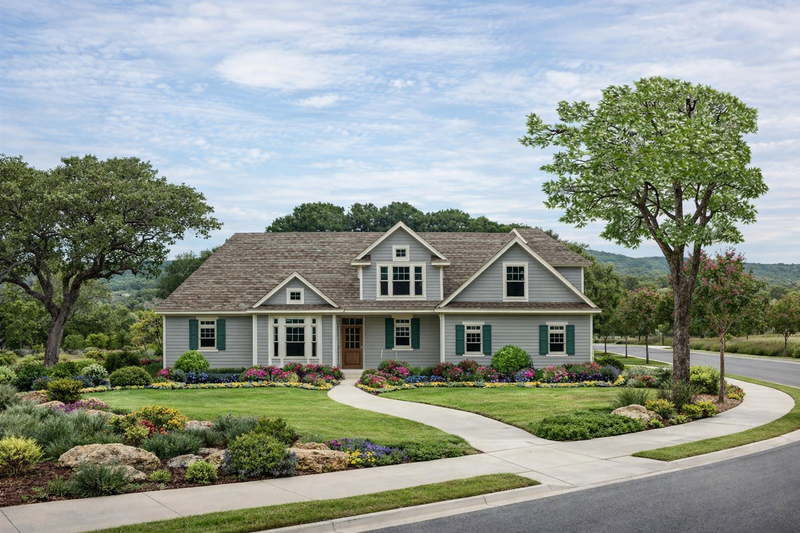
This traditional house design presents a well-balanced residential composition, combining classic architectural elements with modern spatial efficiency. With a total heated living area of 1,902 square feet distributed across one and a half stories, the home is thoughtfully arranged to provide both accessible main-level living and additional private space on the upper floor.
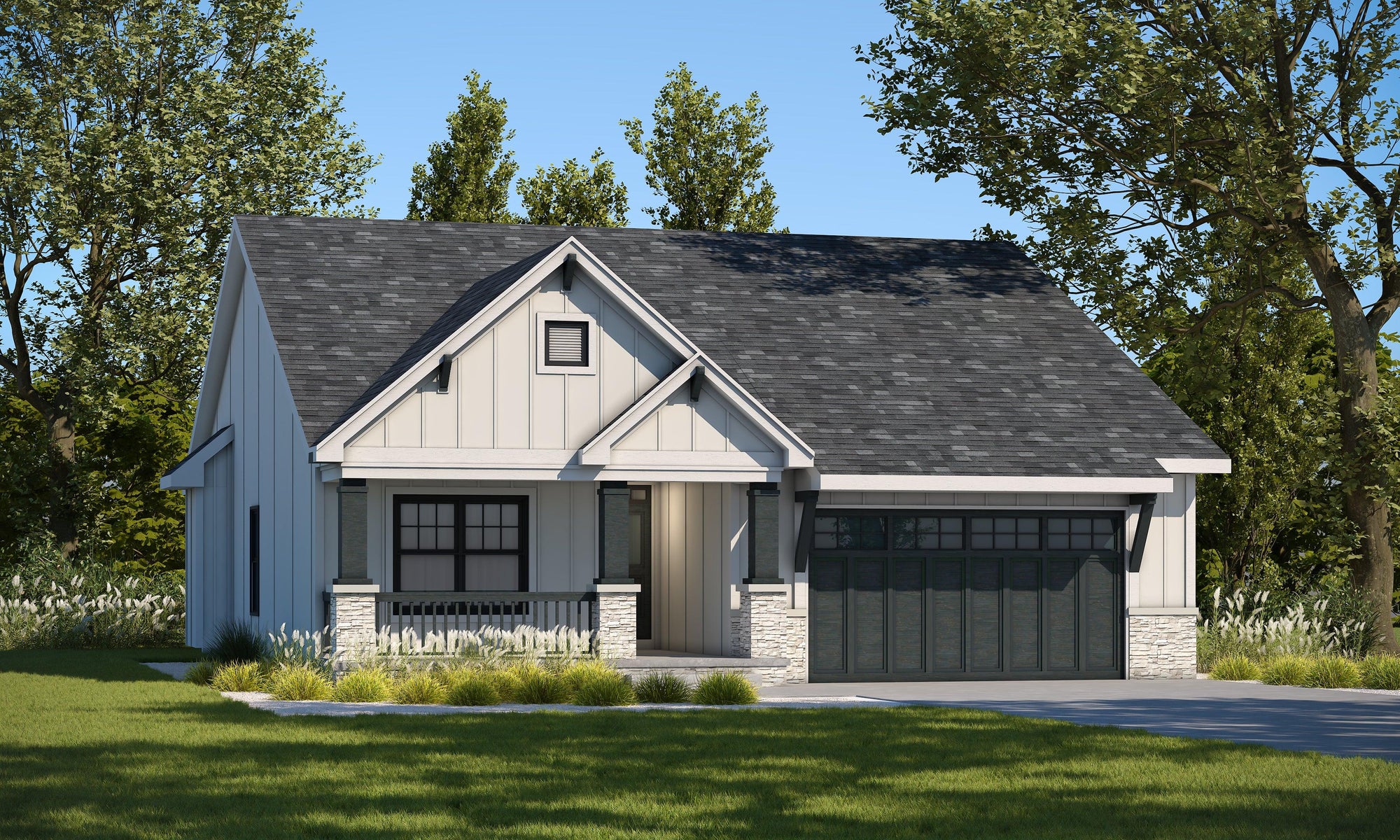
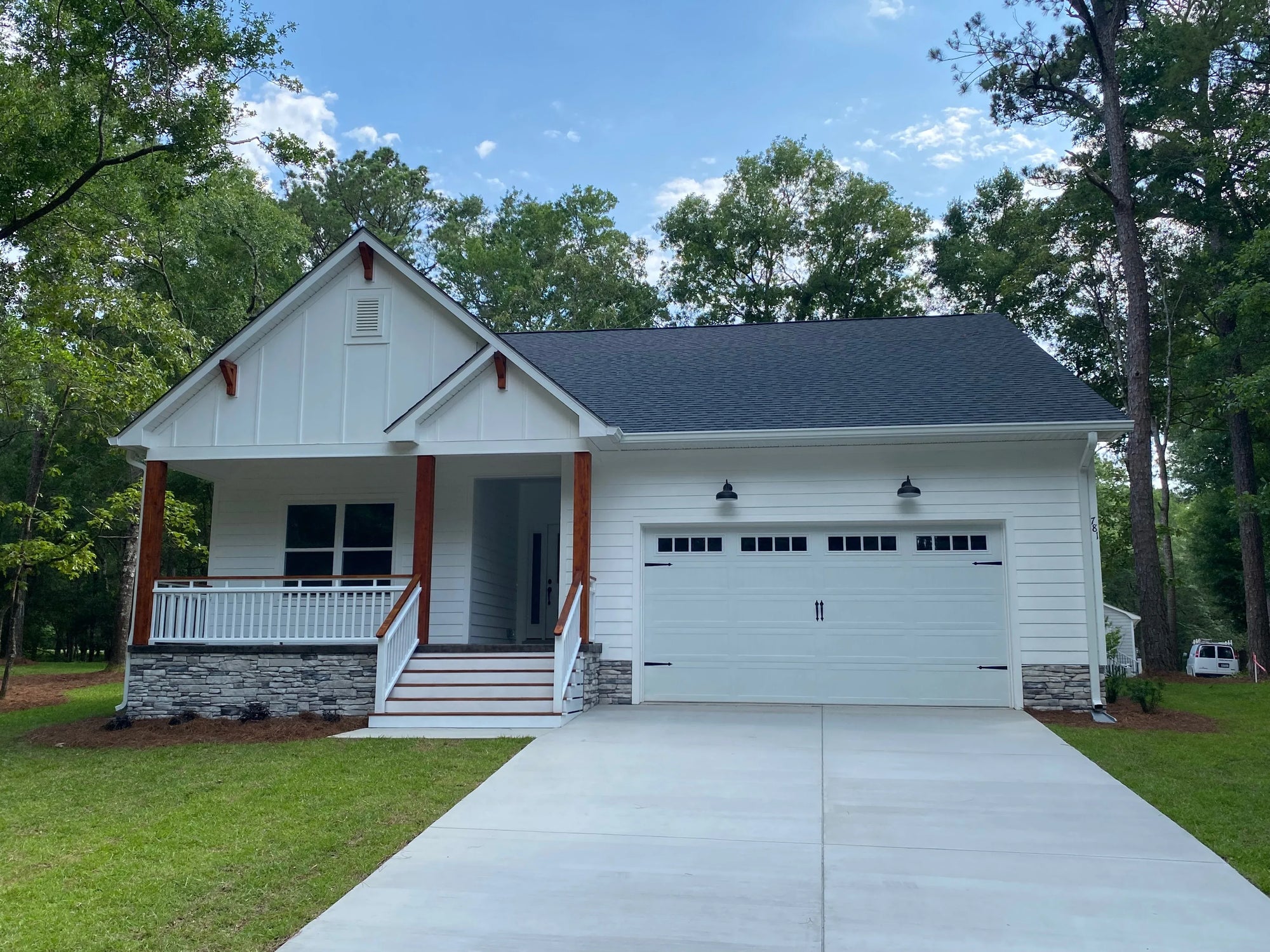
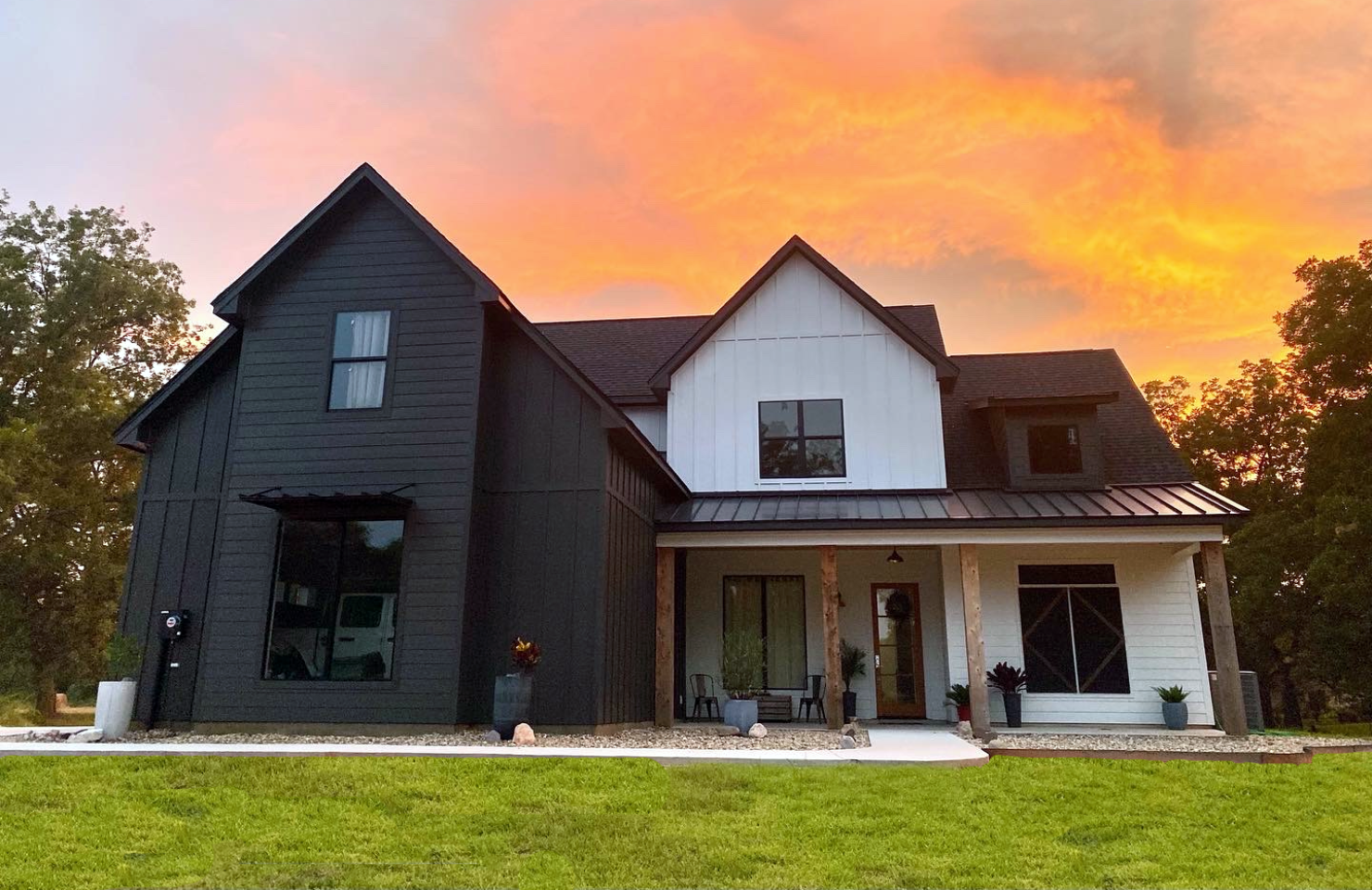
The exterior is defined by its proportional massing and the inclusion of both covered front and rear porches, which enhance the home’s visual appeal while extending its functional footprint into the outdoors. These elements contribute to a welcoming façade and create opportunities for relaxation and informal gathering, reinforcing the connection between interior and exterior environments.
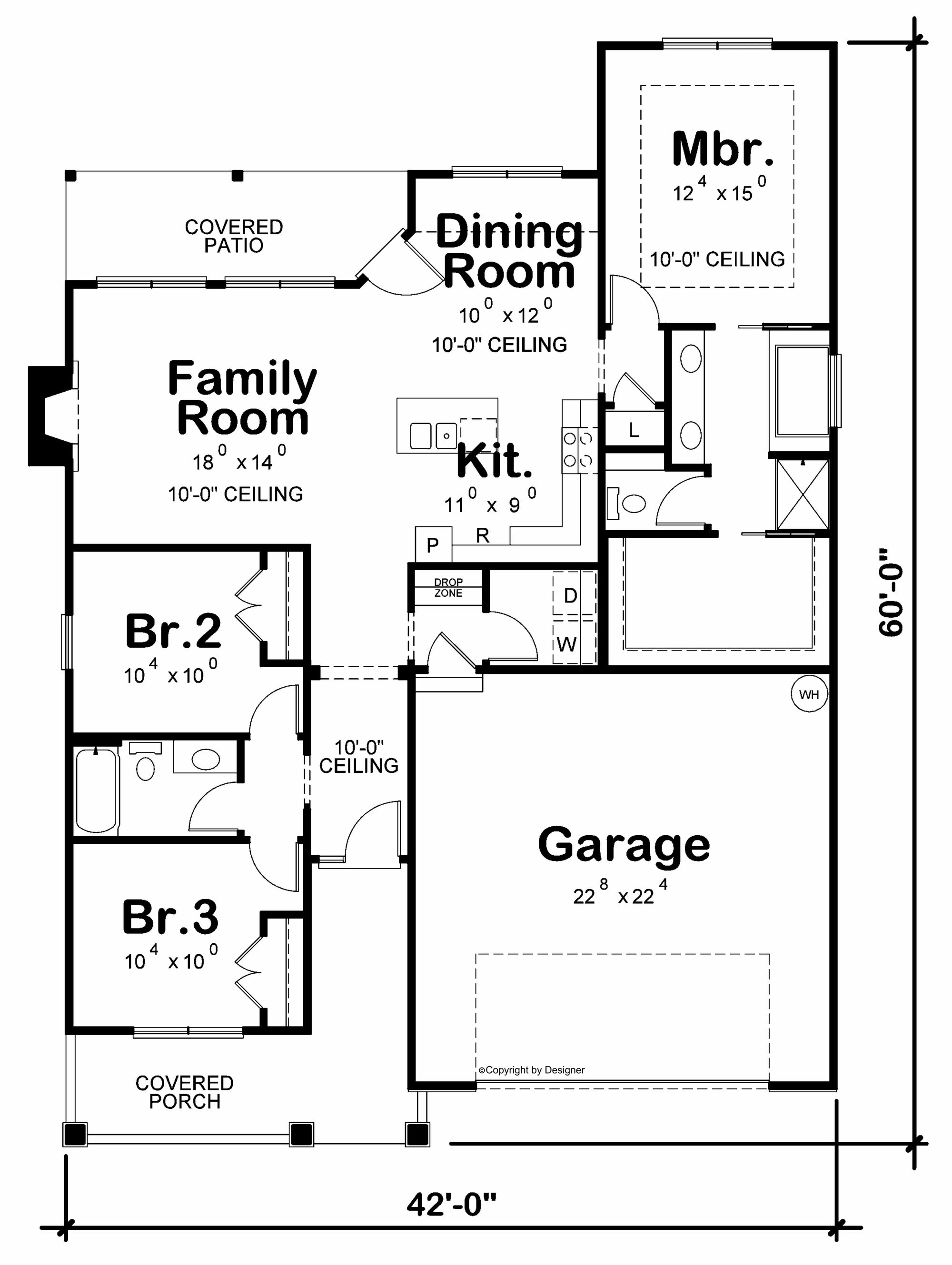
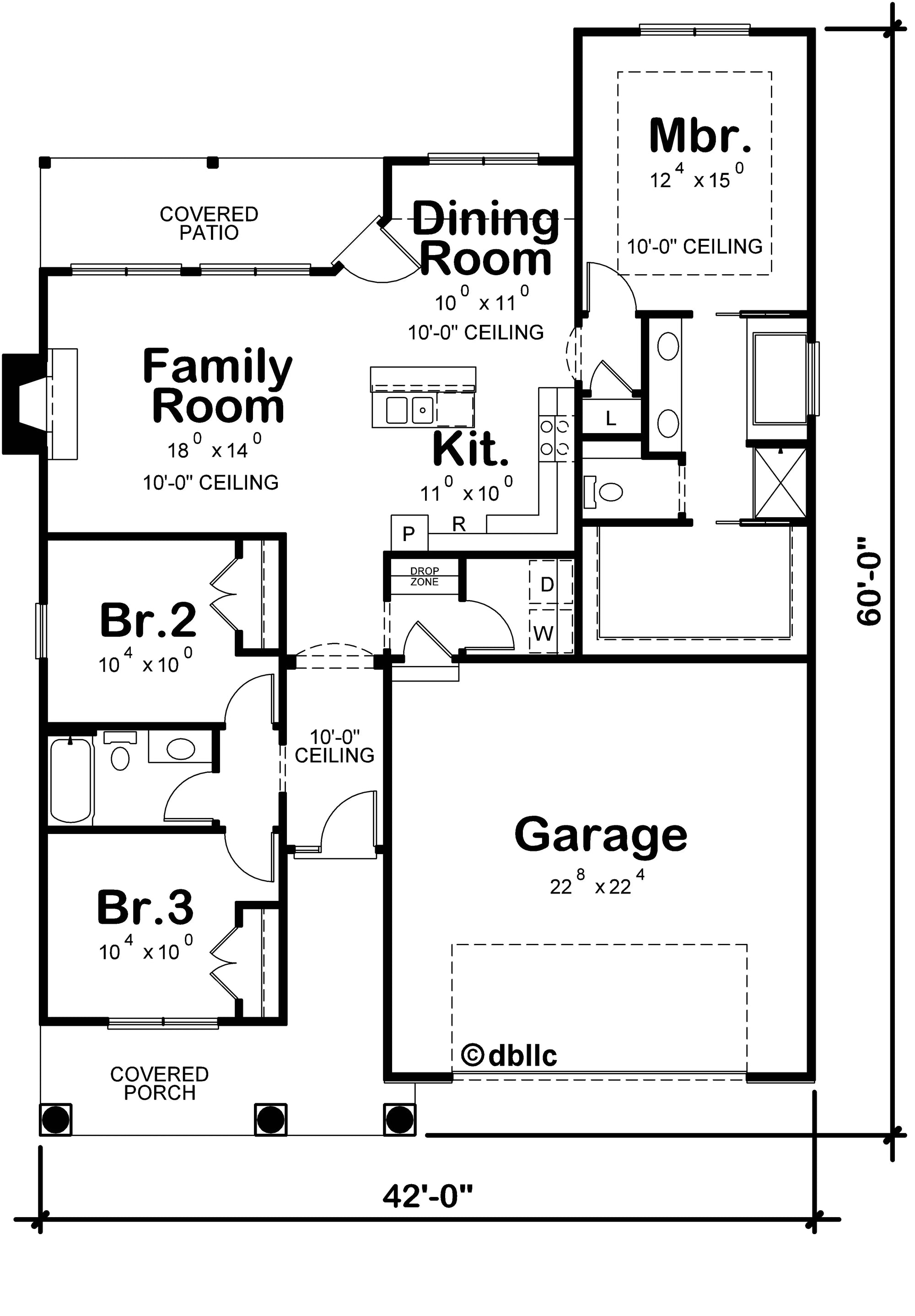
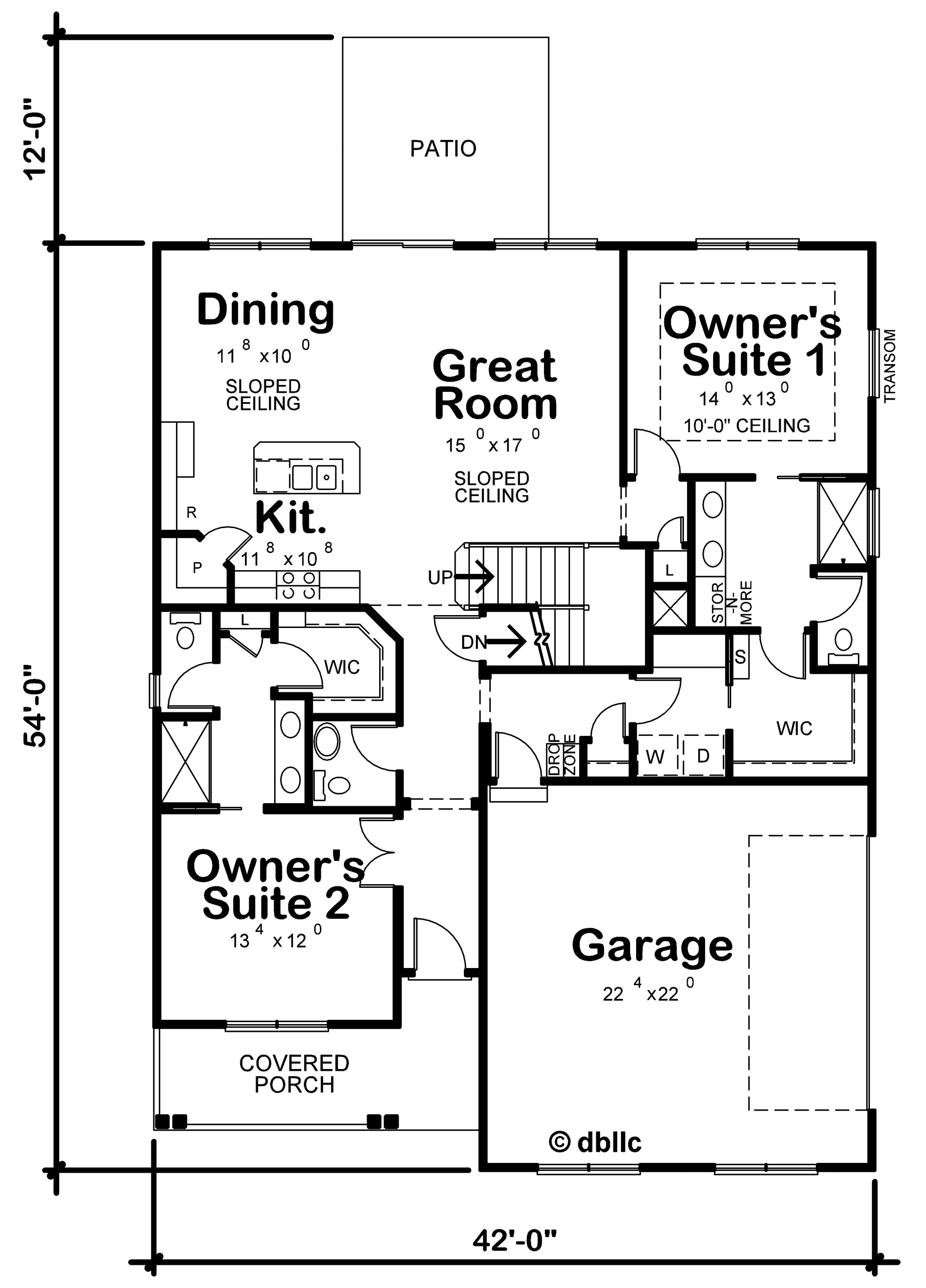
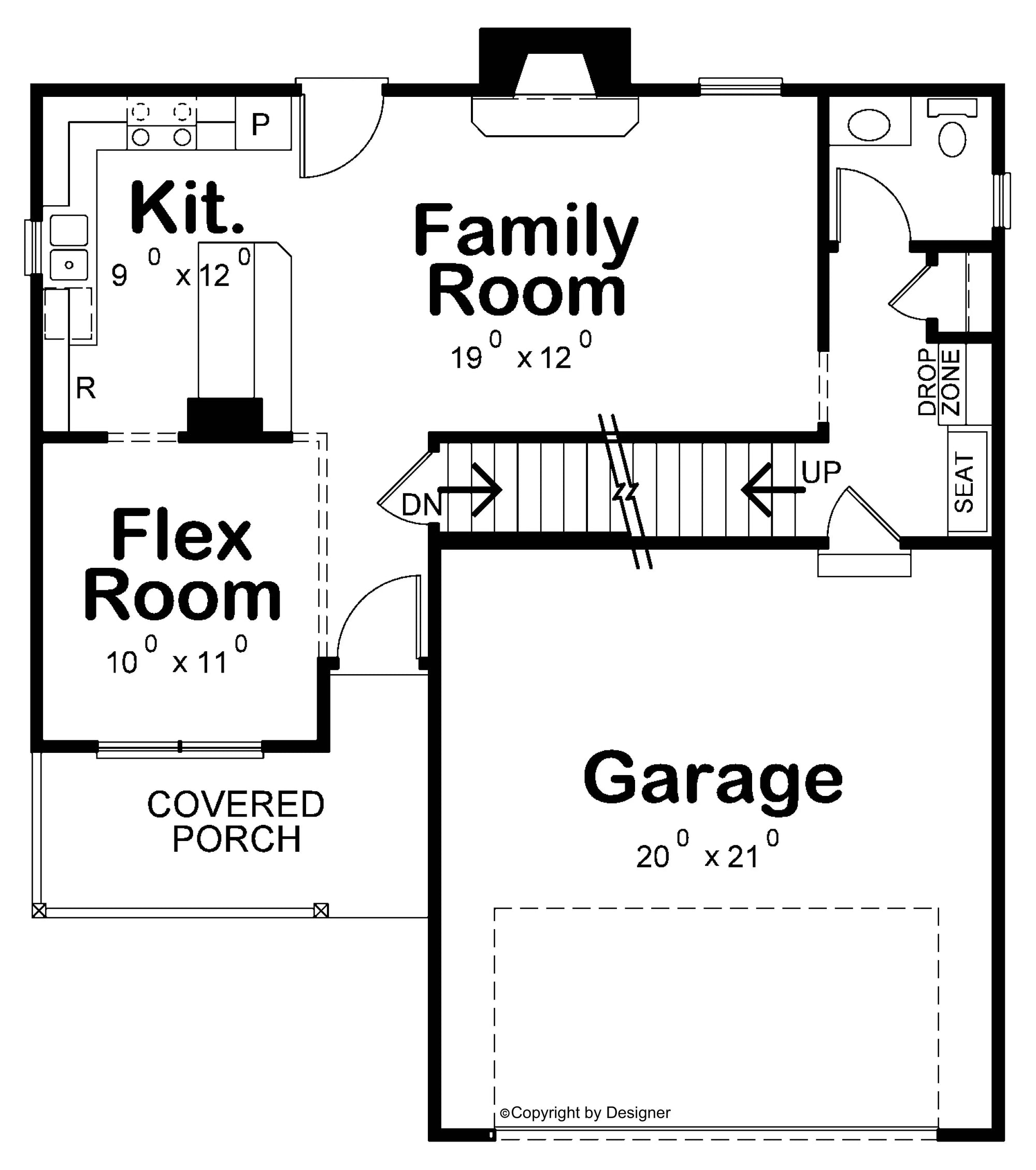
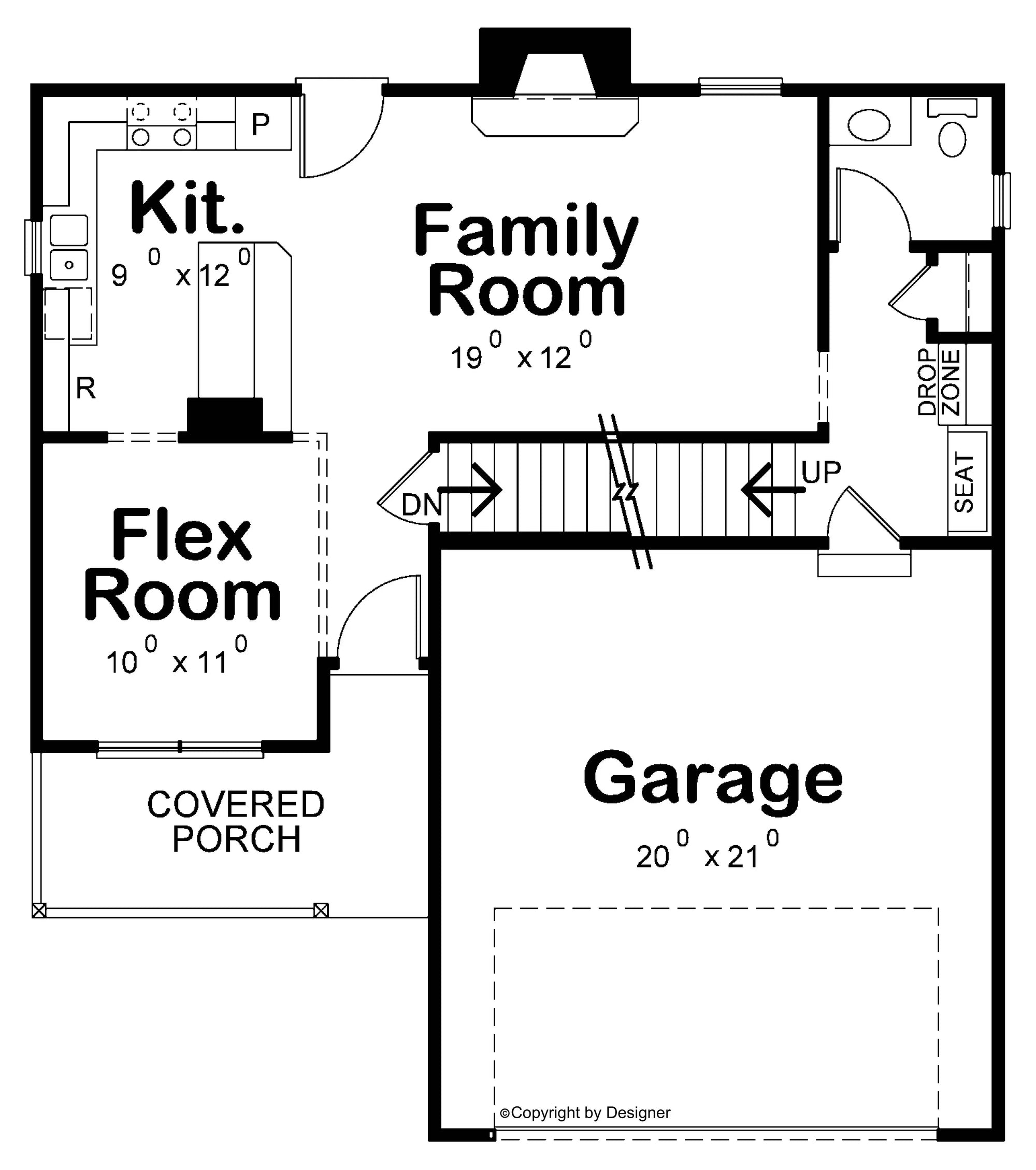
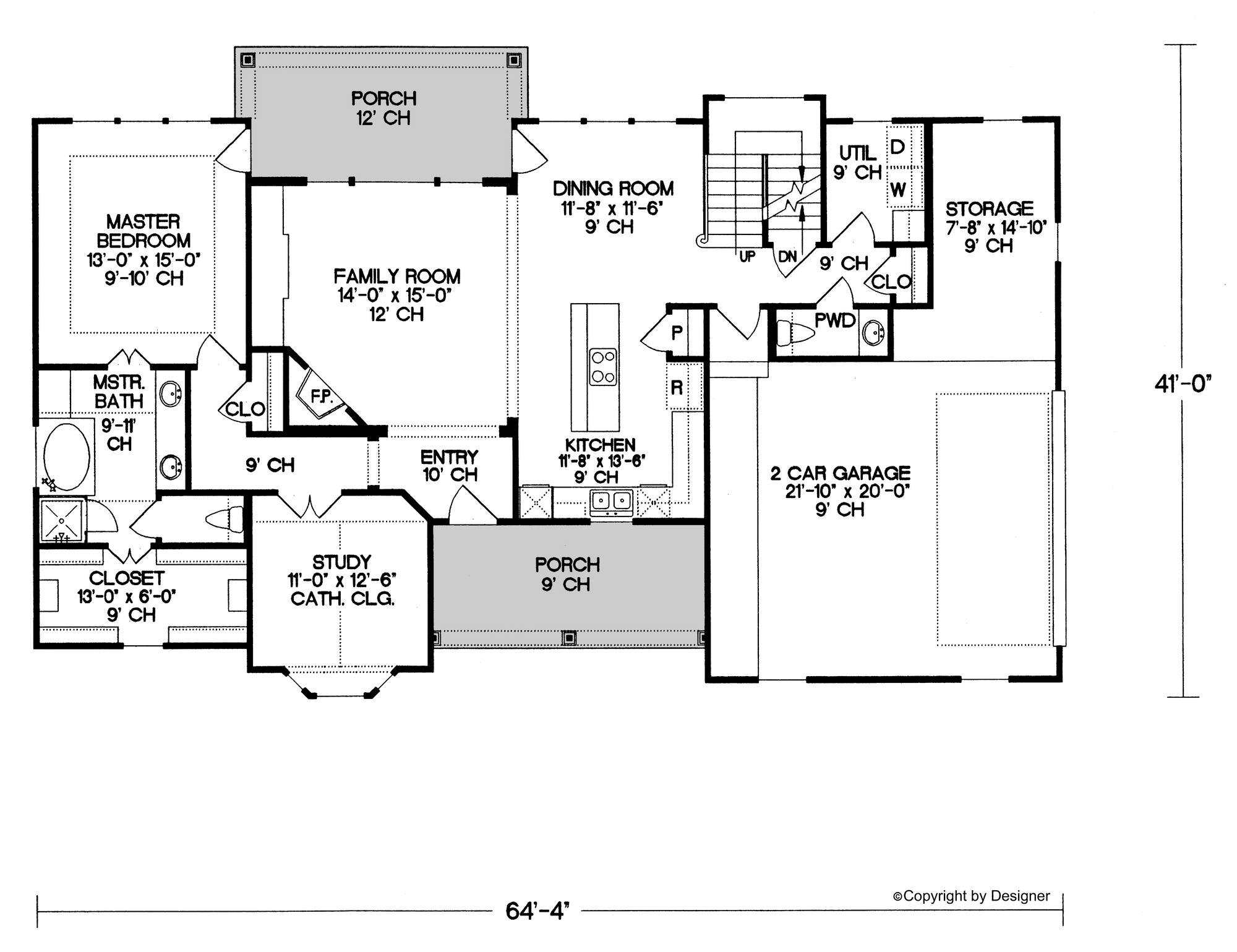
The first floor, encompassing 1,446 square feet, serves as the primary living area. Upon entry, the layout transitions into a series of interconnected spaces that balance openness with clearly defined functions. A formal dining room is positioned to accommodate structured meals and social occasions, while a dedicated home office or study provides a quiet and productive environment.
At the center of the home, the keeping or family room serves as the primary gathering space, anchored by a fireplace that introduces warmth and a visual focal point. This area flows seamlessly into the kitchen, reinforcing the open floor plan and promoting ease of movement throughout the main living zone.
The kitchen is designed to support both functionality and interaction. It features a central island and eating bar, providing ample workspace and opportunities for casual dining. A wall pantry ensures efficient storage, while adjacent utility and storage spaces contribute to overall organization. The layout supports both everyday living and entertaining, maintaining a strong connection to the surrounding areas.
The primary suite is located on the first floor, offering a private and accessible retreat. This space includes a spacious bedroom, a walk-in closet, and a well-appointed bath with dual vanity sinks. Its placement within the plan ensures separation from other bedrooms, enhancing privacy and comfort.
Additional practical features on the main level include a first-floor laundry area and a conveniently located powder room, both contributing to the home’s efficiency and usability. The arrangement of these elements supports daily routines while maintaining a cohesive layout.
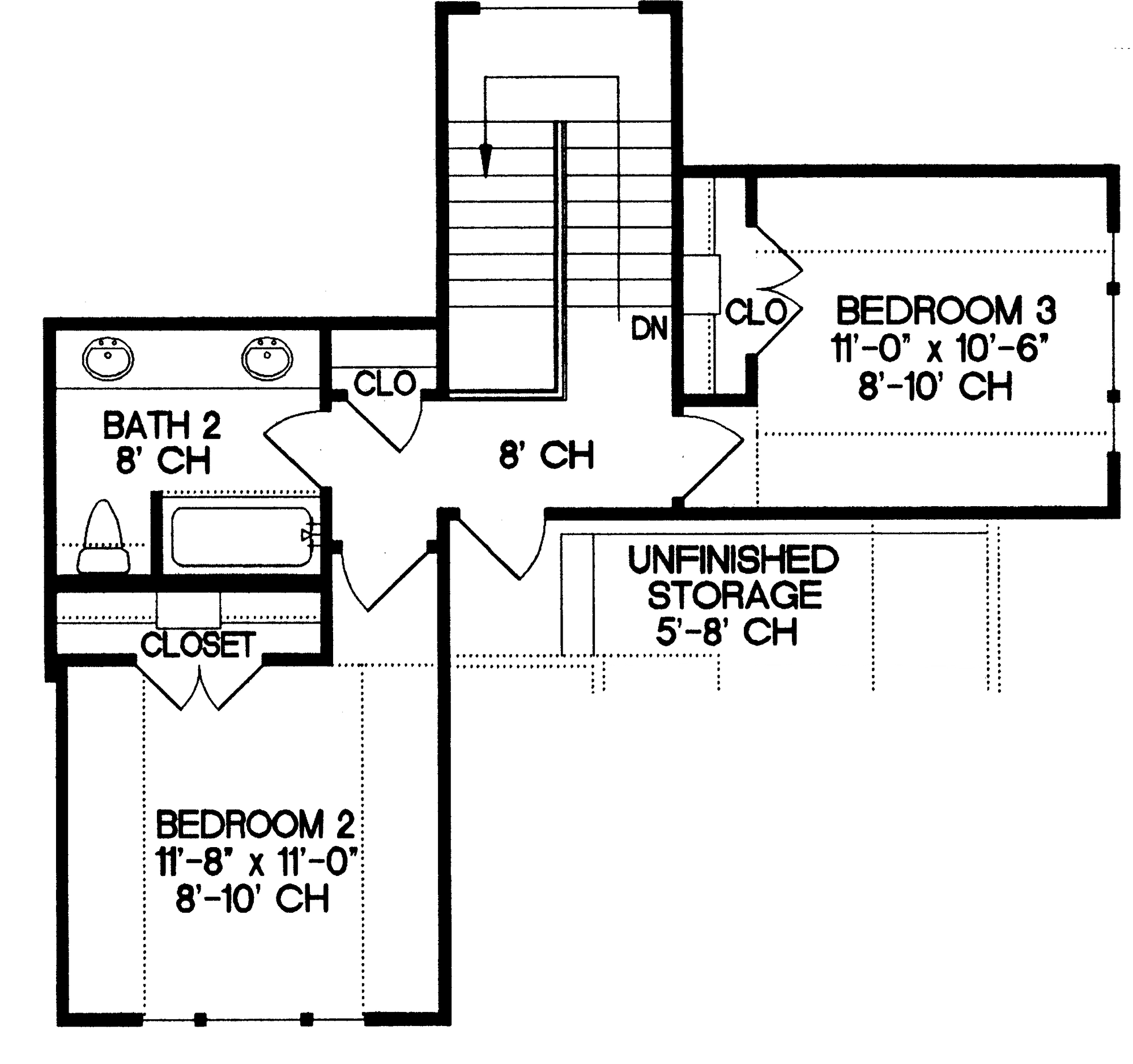
The second floor, comprising 456 square feet, provides additional private living space. Two bedrooms are located on this level, each designed to accommodate family members or guests. These rooms share access to a full bathroom, ensuring convenience while maintaining efficient use of space. The upper level also offers potential for storage or unfinished space, adding flexibility to the design.
Constructed on a slab foundation with 2x4 wall framing, the home reflects a straightforward and efficient approach to building. The 8:12 roof pitch contributes to its traditional architectural character, while the overall dimensions—64 feet 4 inches in width and 41 feet in depth—create a broad and balanced footprint.
Interior ceiling heights of 9 feet on the first floor and 8 feet on the second floor provide a comfortable sense of proportion throughout the home. The overall building height of 23 feet 6 inches maintains a modest vertical profile while supporting the home’s architectural presence.
In its entirety, this traditional house plan offers a harmonious blend of classic design and modern functionality. Its open layout, flexible spaces, and emphasis on both indoor and outdoor living make it a versatile and enduring choice for a wide range of homeowners.




PDF (Single Build)
A complete set of working drawings delivered in digital PDF format. This option comes with a license to build ONE home and includes a copyright release for printing unlimited sets of plans and making modifications.
CAD + PDF (Single Build)
A complete set of working drawings delivered in digital DWG and PDF formats. AutoCAD files are used by design professionals to make significant modifications or engineering calculations to the plan. This option comes with a license to build ONE home and includes a copyright release for printing unlimited sets of plans and making modifications.
5 or 8 Prints (Single Build)
Five or eight printed sets of working drawings shipped to you. This option comes with a license to build ONE home.
5 Prints + PDF (Single Build)
Five printed sets of working drawings shipped to you, plus a digital version in PDF format. This option comes with a license to build ONE home and includes a copyright release for printing unlimited sets of plans and making modifications.
PDF (Multi Build)
A complete set of working drawings delivered in digital PDF format. This option comes with a license to build an UNLIMITED number of homes and includes a copyright release for printing unlimited sets of plans and making modifications. This option may not be available for all house plans, or may require a specific format to be purchased. Please call 770-831-6363 for more information.
CAD + PDF (Multi Build)
A complete set of working drawings delivered in digital DWG and PDF formats. AutoCAD files are used by design professionals to make significant modifications or engineering calculations to the plan. This option comes with a license to build an UNLIMITED number of homes and includes a copyright release for printing unlimited sets of plans and making modifications. This option may not be available for all house plans, or may require a specific format to be purchased. Please call 770-831-6363 for more information.
Choose a building foundation for your home. The foundation provides stability to a home's structure from the ground up.
Slab - This concrete foundation is reinforced with steel rods and suitable for flat ground.
Crawl Space - This foundation is raised off the ground with low walls resting on footings, providing space for wiring, plumbing, and storage.
Basement - This foundation is entirely or partially below ground and offers storage or living areas.
Walkout Basement - This foundation is typically suited for rear-sloping lots and provides storage or living areas. Walkout basements have doors that provide access to the outside.


The construction drawings will include detailed, dimensioned floor plans, exterior elevations, roof plan, foundation plan, basic electrical layout, cross-section(s), foundation plan, and other general specifications. Some plans will include interior cabinet layouts.
View Sample Plan
Archival Designs brings you over 40 years of experience in the house plan design business. We offer the best value for your money by offering the highest quality home designs.
We offer a 10% military & first responder discount, as well as builder discounts for life! Archival Designs guarantees the lowest prices anywhere online. Learn more about our Best Price Guarantee.
All house plans sold by Archival Designs have been designed to comply with the International Residential Code (IRC) and to the local codes in the area where the designer resides or where the house was built.
All house plans are designed to meet or exceed the national building standards required by the International Residential Code (IRC). Due to differences in climate and geography throughout North America, every city, local municipality and county has unique building codes and regulations that must be followed to obtain a building permit. Prior to purchasing a set of house plans, we recommend that you meet with your local building officials in order to determine the building requirements for your area. It is the responsibility of the purchaser(s) and/or builder to ensure that the structure is constructed to meet the codes of their local area.
Important Note:
House plans do not come stamped or signed by an architect or engineer. Additionally, house plans typically will not include structural engineering notes/calculations. Please check with your local building officials to determine if a stamp is required. If required, the building department will only accept a stamp from a licensed professional in the state where the home will be built.
Depending on your city, county, and state building requirements, house plans may need to be reviewed by a local licensed architect or engineer for structural details and code standards before construction begins. This is particularly true in coastal areas and those facing seismic events, extreme winds, and heavy snow. If you are building in any of these areas, a licensed structural engineer will likely be needed to provide the necessary calculations and additional drawings. We authorize the use of our plans conditioned on your obligation and agreement to strictly comply with all local building codes, ordinances, regulations, and requirements, including permits and inspections at the time of and during construction. We recommend checking with your local building department for the most current requirements. The purchaser(s) and/or builder are responsible for additional expenses incurred through meeting municipality requirements or other requirements for construction.
Our foundation plans have been designed for universal conditions and may need to be adjusted to fit your specific site conditions. The foundation should be modified by a local structural engineer to comply with soil testing laboratory findings and local building requirements.
Our house plans will include schematic electrical drawings; however, circuiting or wire sizing will not be included. Your electrical subcontractor will typically provide these drawings.
HVAC and plumbing drawings are not included. Your mechanical and plumbing subcontractors will determine the best layout for your site. Local HVAC codes, climatic requirements and commonly used systems vary throughout the country. The direction of how water flow will enter the home vary from case to case. For this reason, it is impossible to provide universal plans.

This traditional house design presents a well-balanced residential composition, combining classic architectural elements with modern spatial efficiency. With a total heated living area of 1,902 square feet distributed across one and a half stories, the home is thoughtfully arranged to provide both accessible main-level living and additional private space on the upper floor.
The exterior is defined by its proportional massing and the inclusion of both covered front and rear porches, which enhance the home’s visual appeal while extending its functional footprint into the outdoors. These elements contribute to a welcoming façade and create opportunities for relaxation and informal gathering, reinforcing the connection between interior and exterior environments.
The first floor, encompassing 1,446 square feet, serves as the primary living area. Upon entry, the layout transitions into a series of interconnected spaces that balance openness with clearly defined functions. A formal dining room is positioned to accommodate structured meals and social occasions, while a dedicated home office or study provides a quiet and productive environment.
At the center of the home, the keeping or family room serves as the primary gathering space, anchored by a fireplace that introduces warmth and a visual focal point. This area flows seamlessly into the kitchen, reinforcing the open floor plan and promoting ease of movement throughout the main living zone.
The kitchen is designed to support both functionality and interaction. It features a central island and eating bar, providing ample workspace and opportunities for casual dining. A wall pantry ensures efficient storage, while adjacent utility and storage spaces contribute to overall organization. The layout supports both everyday living and entertaining, maintaining a strong connection to the surrounding areas.
The primary suite is located on the first floor, offering a private and accessible retreat. This space includes a spacious bedroom, a walk-in closet, and a well-appointed bath with dual vanity sinks. Its placement within the plan ensures separation from other bedrooms, enhancing privacy and comfort.
Additional practical features on the main level include a first-floor laundry area and a conveniently located powder room, both contributing to the home’s efficiency and usability. The arrangement of these elements supports daily routines while maintaining a cohesive layout.
The second floor, comprising 456 square feet, provides additional private living space. Two bedrooms are located on this level, each designed to accommodate family members or guests. These rooms share access to a full bathroom, ensuring convenience while maintaining efficient use of space. The upper level also offers potential for storage or unfinished space, adding flexibility to the design.
Constructed on a slab foundation with 2x4 wall framing, the home reflects a straightforward and efficient approach to building. The 8:12 roof pitch contributes to its traditional architectural character, while the overall dimensions—64 feet 4 inches in width and 41 feet in depth—create a broad and balanced footprint.
Interior ceiling heights of 9 feet on the first floor and 8 feet on the second floor provide a comfortable sense of proportion throughout the home. The overall building height of 23 feet 6 inches maintains a modest vertical profile while supporting the home’s architectural presence.
In its entirety, this traditional house plan offers a harmonious blend of classic design and modern functionality. Its open layout, flexible spaces, and emphasis on both indoor and outdoor living make it a versatile and enduring choice for a wide range of homeowners.