


























Spanish house plans capture the timeless beauty of Mediterranean architecture while delivering the comfort and functionality modern homeowners expect. Known for their stucco exteriors, terracotta tile roofs, arched doorways, and charming courtyards, Spanish-style homes combine rustic character with elegant living spaces designed for today’s lifestyle.
Originally inspired by Spanish Colonial and Mediterranean architecture, these homes have become especially popular across warm-climate regions such as California, Florida, Texas, and the American Southwest. Today, Spanish Revival house plans continue to attract homeowners who want distinctive architecture, natural climate efficiency, and indoor–outdoor living spaces that encourage entertaining and relaxation.
In this guide, we’ll explore everything you need to know about Spanish house plans—from the architectural features that define the style to the reasons homeowners continue choosing Spanish-inspired designs for modern living. You’ll also discover how these homes have evolved, what to consider when building one, and some of the most beautiful Spanish house plans available today.
Understanding Spanish House Plans
There's something undeniably romantic about Spanish architecture. Stucco walls glowing in afternoon sunlight, terracotta roof tiles with their distinctive curves, arched doorways framing views of courtyards, and wrought iron details catching the light—Spanish house plans bring an irresistible blend of old-world charm and modern comfort.
Unlike some architectural styles that feel confined to specific regions, Spanish design translates beautifully across climates and landscapes. Whether you're building in California, Florida, Arizona, Texas, or beyond, Spanish house plans adapt and thrive, capturing the warmth and character of Spain and Mexico while incorporating all the modern conveniences today's families expect.
What to Expect from a Spanish House Plan:
Spanish house plans embrace personality and drama in ways that more minimalist styles don't. These homes celebrate architectural details—think ornate window surrounds, heavy ornamentation around doors, shaped columns, towers, and turrets. Inside, you'll find open living spaces often centered around statement fireplaces or dramatic ceiling elements that draw the eye upward the moment you enter.
Spanish designs range from intimate 3,000 sq ft charming homes to expansive 6,000+ sq ft estates, though most designs cluster around 3,500-5,500 square feet. This sweet spot delivers generous entertaining spaces, comfortable family areas, and often those beautiful courtyards that define the style—all without overwhelming maintenance or energy costs.
What's key to understand: Spanish architecture isn't just decoration layered onto a generic floor plan. The style is deeply connected to how homes function. Thick walls provide natural insulation. Courtyards with arcades create cool zones even in hot climates. High ceilings and strategic window placement maximize airflow. The beauty serves a purpose.
The Spanish Appeal: Why Homeowners Choose This Style
 Timeless Personality
In a world of cookie-cutter subdivisions and bland contemporaries, Spanish houses refuse to blend in. They have presence. They have soul. A Spanish home doesn't whisper—it speaks with confidence about your personal style and appreciation for architectural tradition.
This isn't trendy architecture. Spanish Revival gained massive popularity in the 1920s, especially in California and Florida, when Americans became captivated by Spanish colonial history after the Panama-California Exposition of 1915. Now, a century later, Spanish homes remain among the most sought-after in those regions—and increasingly popular everywhere else.
Function Meets Beauty
Spanish architecture succeeds because it works. The design elements you admire—thick stucco walls, clay tile roofs, those carefully placed arches—aren't decorative flourishes. They're engineered solutions developed over centuries in Mediterranean and Spanish colonial climates.
Those thick walls and courtyards naturally keep homes cool without running the AC all day. Tile roofs reflect heat rather than absorbing it. High ceilings circulate air. The style is essentially built-in efficiency wrapped in undeniable beauty.
Family-Friendly Entertaining
Spanish floor plans are designed for living—and specifically, for gathering. Open living spaces flow naturally into courtyards and patios. Kitchens connect seamlessly to dining areas. Bedrooms enjoy privacy while shared spaces encourage family time.
If you love hosting dinner parties, casual family gatherings, or weekend entertaining, Spanish plans deliver the flexibility and openness these moments require. The style practically begs you to throw open doors, invite neighbors over, and enjoy life outdoors.
Enduring Property Values
In markets where Spanish architecture thrives—California, Florida, Arizona, the Southwest—these homes consistently hold value. They're not following a trend that might fade in five years. Spanish revival has proven its staying power for over a century.
Buyers are drawn to the distinctive aesthetic, the functional design, and the solid construction that Spanish homes represent. If resale value matters to your decision, Spanish architecture is a safe bet.
Key Architectural Features That Define Spanish Design
 Understanding Spanish architectural elements will help you identify which features matter most to you—and guide any customization decisions.
Stucco Exteriors
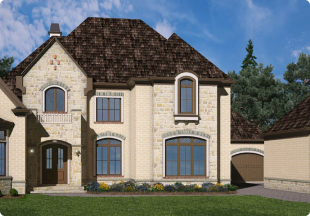
The defining characteristic of Spanish architecture is stucco—thick, textured plaster walls typically finished in white, cream, or warm earth tones. Beyond aesthetics, stucco serves practical purposes: it reflects sunlight (keeping interiors cooler), it's durable in hot climates, and it weathers beautifully, developing character over decades.
The "heavy ornamentation around windows and doors" typical of Spanish design often means elaborate stucco detailing—carved surrounds, decorative moldings, textured accents. This isn't slapped-on decoration; it's integral to the exterior envelope.
Terracotta Clay Tile Roofs
Those distinctive red and rust-colored tiles aren't just beautiful—they're engineered. Traditional clay tiles create air pockets that provide natural insulation and allow heat to escape. The barrel shape of each tile channels water efficiently while creating visual rhythm across the roofline.
Spanish tile roofs develop a patina over time, becoming richer and more textured. A 50-year-old Spanish tile roof looks better than a 10-year-old one, growing more authentic and charming as it ages.
Arches & Arcades
Arched doorways, windows, and covered walkways (arcades) are central to Spanish design. These architectural elements create visual drama, establish rhythm across façades, and provide practical covered outdoor space. You'll often find arcades surrounding courtyards—creating shaded gathering areas perfect for hot climates.
Wrought Iron Details
Ornamental iron appears throughout Spanish homes—grilles on windows, railings on balconies, decorative details on gates and doors. These intricate elements add artistry and security while connecting the home to traditional Spanish craftsmanship.
Courtyards & Interior Open Spaces
Many Spanish plans feature courtyards—outdoor rooms surrounded by the home's living spaces. These aren't mere yards; they're functional rooms with their own character, often featuring fountains, plantings, or covered arcades. Courtyards create privacy, natural ventilation, and a spiritual center to the home.
Even Spanish plans without full courtyards often prioritize open interior spaces, dramatic ceiling heights, and generous transitions between rooms.
Heavy Wooden Doors & Dark Wood Trim
Thick, dark-stained wooden doors mark transitions between rooms, creating visual punctuation against lighter stucco walls. Heavy wood beams, often exposed, add to the sense of old-world construction and permanence.
Towers, Turrets & Dramatic Elements
Spanish eclectic design sometimes incorporates towers or turrets—not as mere decoration, but as elements that add vertical interest, create focal points, and establish grandeur. These architectural flourishes make Spanish homes unmistakable.
The Evolution: Spanish Revival & Modern Living
 Why Spanish Revival Happened
Spanish Revival isn't ancient architecture transported directly from Spain. It's a deliberate architectural movement born from American fascination with Spanish colonial history.
After the Panama-California Exposition of 1915, architects studied authentic Spanish colonial buildings and recognized elements that could be adapted to modern American living. They understood that Spanish design principles—thick walls, courtyards, natural cooling strategies—actually solved California and Florida's climate challenges beautifully.
What emerged was Spanish Revival: Spanish-inspired architecture thoughtfully integrated with contemporary American home living—modern kitchens, open floor plans, master suites with luxurious baths, and all the conveniences families expect.
Modern Spanish Plans Deliver Everything You Need
Today's Spanish house plans maintain the architectural integrity and personality of the style while incorporating every modern convenience. You get:
-
Open-concept living (the modern preference) with the distinct personality Spanish architecture provides
-
Chef's kitchens with islands and breakfast bars, not cramped colonial-era cooking areas
-
Master suites with spa-like bathrooms, not shared bathing facilities from the 1920s
-
Flexible bonus rooms and expandable spaces for home offices, guest suites, or studios
-
Modern electrical, HVAC, and plumbing systems designed by today's engineers
The result: Spanish homes that deliver 21st-century family functionality wrapped in timeless, romantic aesthetic.
Customization & Building Considerations
Making Your Spanish Home Unique
One of Spanish architecture's great strengths is its flexibility. While the style has distinctive characteristics, there's room for interpretation. Whether you want to adjust courtyard configurations, modify interior layouts, expand outdoor spaces, or adapt the design for your specific climate and building codes, Spanish plans accommodate customization beautifully.
Common Customization Requests
-
Adjusting or expanding courtyard spaces
-
Modifying kitchen layouts for modern open-concept preferences
-
Adding or removing bedrooms and flexibility rooms
-
Adapting exterior details (decorative elements, window placements)
-
Adjusting foundation and structural systems for local codes
You can submit a modification request directly from any plan's shop page. Our team will work with you to customize while maintaining the architectural character that makes Spanish design special.
Building Codes & Climate Adaptation
Spanish architecture adapts well to many climates, but regional building codes vary. Coastal areas may require structural modifications for hurricane resistance. Cold climates might need adjusted insulation strategies. High-snow regions require different roof considerations.
The good news: Spanish design's fundamental principles—solid construction, thermal mass, strategic window placement—work across climates. Our team can coordinate with structural engineers to ensure your Spanish home meets all local codes while retaining its authentic character.
Understanding Your Build Costs
Building a Spanish home involves multiple cost factors: stucco application (more labor-intensive than conventional siding), authentic tile roofing (premium material compared to standard asphalt), intricate interior finishes, courtyard development, and regional labor/material variations.
Get an accurate estimate for your specific location: At Archival Designs, you can request a cost-to-build estimate for any Spanish plan. Here's how:
-
Visit any plan on our website
-
Scroll down to find the "Get Your Estimate" button
-
Fill out the form with your desired state and zip code
-
You'll receive a detailed cost-to-build estimate via email
This tool accounts for regional material and labor variations, giving you a realistic picture of your investment.
Featured Spanish House Plans
Below are some of our most compelling Spanish house plans, each representing a different interpretation of this versatile style. These designs showcase the range available within Spanish architecture.
1. Luxury 3-Bedroom Estate Home Plan with Courtyard, Wine Cellar & Workshop
 This stunning Spanish home combines classic architectural elements with contemporary floor planning. With generous square footage (typically 4,000-5,000 sq ft), these estates deliver:
-
Dramatic entry spaces featuring arched doorways and statement foyers
-
Open kitchen-to-living transitions (modern convenience in Spanish framework)
-
Multiple outdoor entertaining areas (courtyards, patios, covered loggias)
-
Luxury master suite with spa-inspired bath
-
3-4 additional bedrooms for family/guests
-
Distinctive stucco exterior with ornamental details and tile roof
-
Authentic Spanish character meeting all modern family needs
Why This Style Resonates: Buyers seeking Spanish homes often want the full experience—the romantic aesthetics, the entertaining potential, and the solid construction. These estates deliver all three without requiring palatial square footage.
2. Two-Story Spanish with Courtyard Living

Two-story Spanish plans maximize land efficiency while creating dramatic vertical space. These designs typically offer:
-
Statement entry foyer with dramatic ceiling
-
Living spaces on main floor optimized for entertaining
-
Master suite flexibility (first floor primary or upstairs retreat)
-
Central courtyard or arcade spaces creating the heart of the home
-
Upstairs secondary bedrooms with private baths
-
Expandable bonus spaces and future bedroom potential
-
Wrapped balconies with views of courtyard or grounds
-
Authentic Spanish detailing at every level
Why Two-Story Works: These plans maximize entertaining on the main floor while offering private family/guest zones upstairs. The vertical design creates architectural drama while fitting efficiently on smaller lots.
3. One-Story Spanish Villa - Breakwater House Plan

Ideal For: Homeowners who prefer single-level living without sacrificing space or character.
-
All bedrooms at grade (no stairs required for daily living)
-
Sprawling courtyards and outdoor rooms
-
Multiple entertaining zones seamlessly connected
-
Wide, welcoming façade creating presence
-
Contemporary open floor planning within Spanish aesthetic
Perfect For: Multigenerational families, those prioritizing accessibility, and anyone who wants to maximize entertaining potential while maintaining single-level convenience.
Shop Your Spanish Dream Home
At Archival Designs, we've curated a collection of 22 Spanish house plans, each designed to capture the romance, functionality, and enduring appeal of Spanish Revival architecture. Whether you're drawn to elegant, streamlined interpretations or more exuberant, personality-rich designs, you'll find options that resonate.
Ready to Find Your Plan?
-
Browse our full Spanish and Mediterranean collection (102 carefully curated plans)
-
Narrow by square footage (3,000-4,000 sq ft, 4,500-5,500 sq ft, 6,000+ sq ft)
-
Filter by features (courtyards, two-story, one-story, master-on-main)
-
Review detailed floor plans and exterior renderings
-
Request a cost-to-build estimate for your location
-
Consider modifications to customize any design
Every Spanish plan in our catalog includes professional blueprints ready for submission to your builder or local building department. And if you find a plan you love but want modifications—a different courtyard configuration, adjusted room sizes, or modified architectural details—our team can help.
The Spanish Dream Awaits
Spanish architecture offers something rare in modern home design: timeless personality combined with functional family living. These homes celebrate beauty without sacrificing practicality. They honor tradition while embracing modern convenience.
Whether you're drawn to the romance of Spanish colonial heritage, the environmental efficiency of traditional design principles, or simply the undeniable curb appeal and character these homes deliver, Spanish house plans deserve serious consideration.
Let's build your Spanish dream home together.


